Munich: Ludwig Maximilian University | ®ExcursionMania
Munich

Ludwig Maximilian University

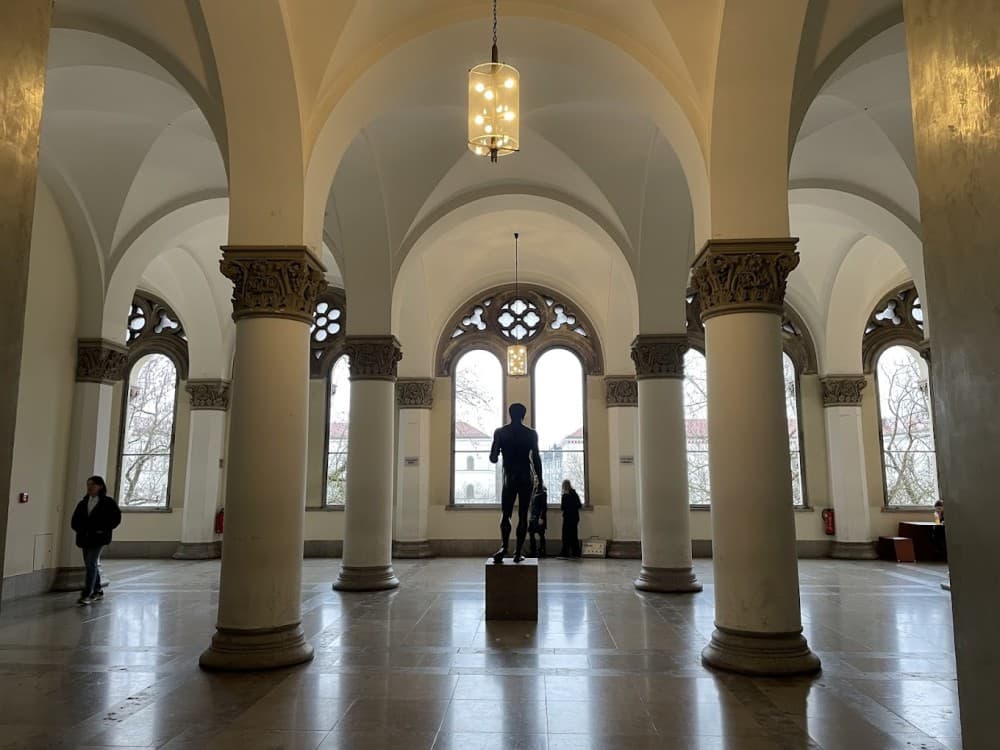
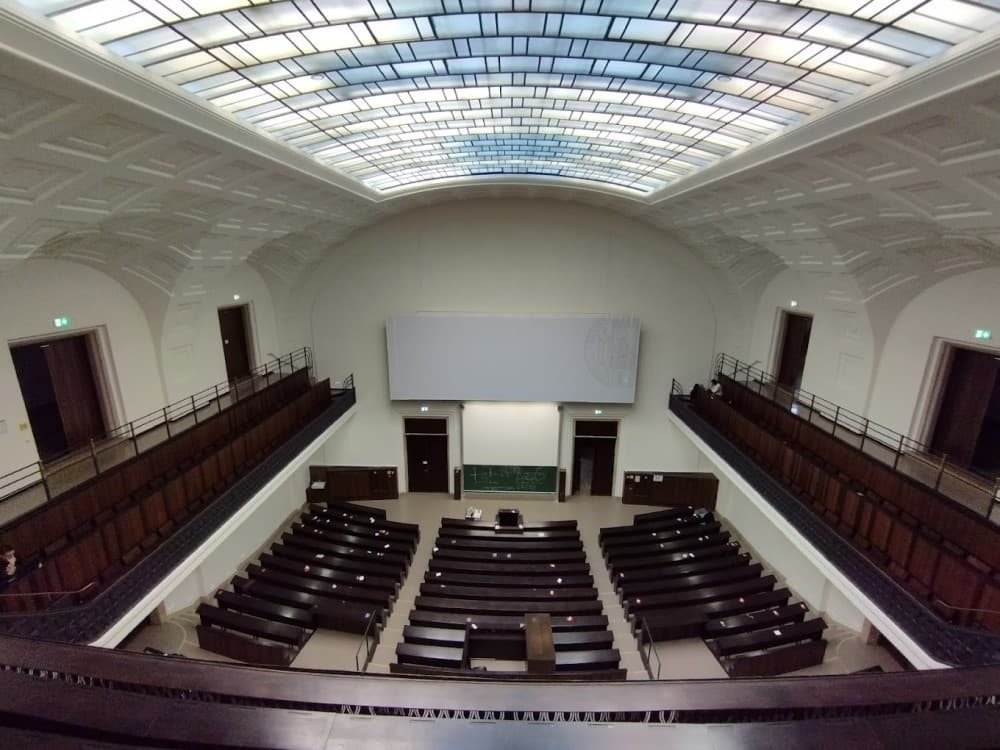
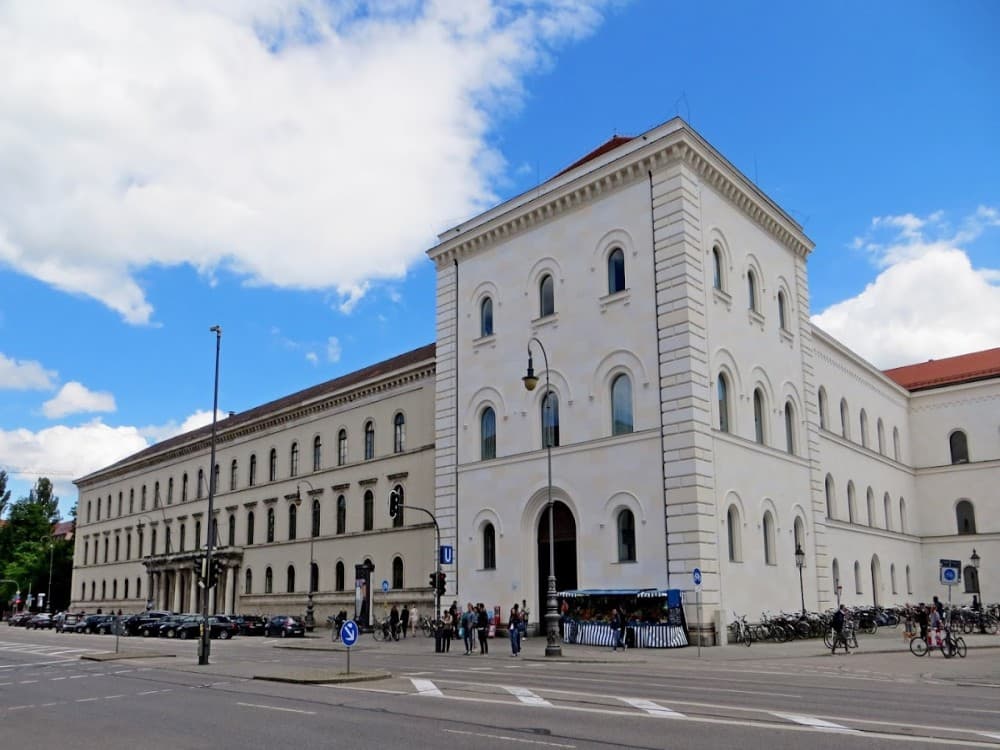
Ludwig Maximilian University, known as LMU Munich, is one of Europe’s most prestigious and historic academic institutions. Founded in 1472, the university moved to its current location in the 19th century, becoming a centerpiece of the grand Ludwigstrasse boulevard. The main building is an architectural marvel, featuring a stunning light-filled atrium with white marble columns and intricate floor mosaics. Beyond its academic fame, the university is a site of profound historical significance; it was the center of the White Rose student resistance movement during World War II. Today, it offers holidaymakers a unique blend of intellectual energy and solemn history, standing as a testament to Munich’s status as a world-class city of science, arts, and democratic courage.
Ludwig Maximilian University Touren und Tickets

Es gibt noch keine Touren in Ludwig Maximilian University.

Alles über Ludwig Maximilian University

Was Sie erwartet

The university's main campus is located at Geschwister-Scholl-Platz 1, in the heart of the Maxvorstadt district. As a public institution, walking through the main campus squares and the impressive atrium is free of charge. The primary site for visitors is the White Rose Memorial, a permanent bilingual exhibition located in the atrium of the main building. Admission to this memorial is completely free. Most university buildings and the memorial are open to the public from Monday to Friday, typically between 10:30 and 16:30, and on Saturdays from 11:30 to 16:00. Please note that the memorial and many academic buildings are closed on Sundays and public holidays. Visitors are welcome to quietly explore the public halls and admire the neoclassical architecture.

Warum diese Tour buchen

When visiting, remember that LMU is a working university with thousands of students attending lectures. It is important to remain quiet in the hallways and avoid entering active classrooms. A must-see feature is the "Leaflet Memorial" embedded in the pavement outside the main entrance; these are ceramic tiles shaped like the White Rose resistance flyers, appearing as if they were scattered by the wind. Inside the atrium, look for the bronze bust of Sophie Scholl and the memorial plaque marking where she and her brother Hans were arrested. The university also houses several specialized museums, such as the Paleontological Museum nearby, which is also free. Most signage in the main hall and the White Rose exhibition is available in both German and English.

Die richtige Tour auswählen

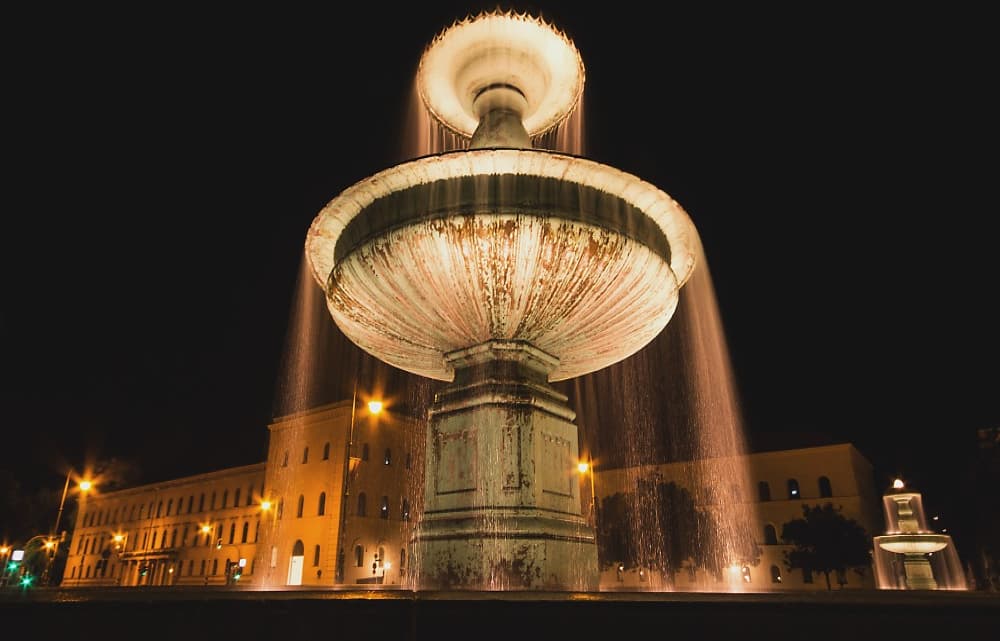
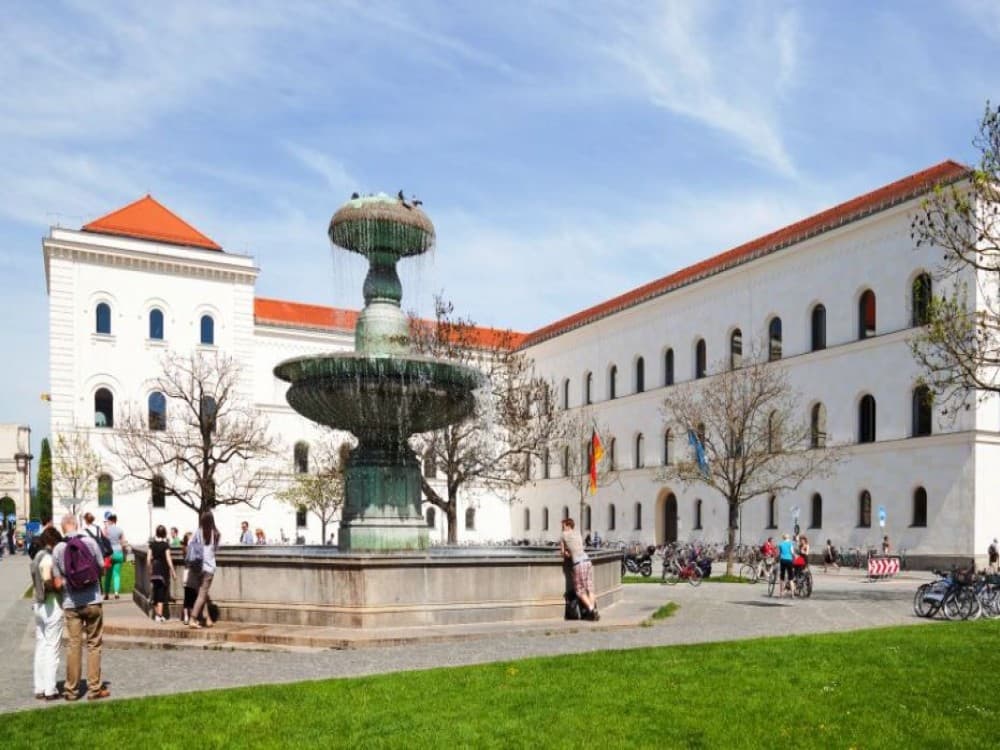
Reaching the university from central Munich is incredibly easy and fast. The dedicated subway station is called Universitat, served by the U3 and U6 lines. If you are starting from Marienplatz, it is just a two-minute ride north. After exiting the station, the main building with its two iconic fountains will be immediately visible. Alternatively, you can take the Museum Line Bus 100 or Bus 154, both of which stop right at the university. For those who enjoy walking, it is a straight and pleasant 15-minute stroll from Odeonsplatz along the wide, historic Ludwigstrasse. This route allows you to see the State Library and the Siegestor triumphal arch, making the walk part of the sightseeing experience itself.

Wissenswertes vor der Abreise

The best time to visit is on a weekday morning around 11:00, shortly after the White Rose Memorial opens. During the semester, the atrium is filled with the lively buzz of students moving between classes, providing a great sense of local campus life. If you prefer a quieter experience to take photos of the architecture, aim for a Saturday morning when there are fewer lectures. To avoid the largest crowds, try to avoid the five-minute "gap" between lectures when the hallways can become very congested. Visiting in the late spring or summer is particularly beautiful, as the fountains in front of the building are active and the surrounding gardens are in full bloom, offering a perfect spot to sit and soak in the academic atmosphere.