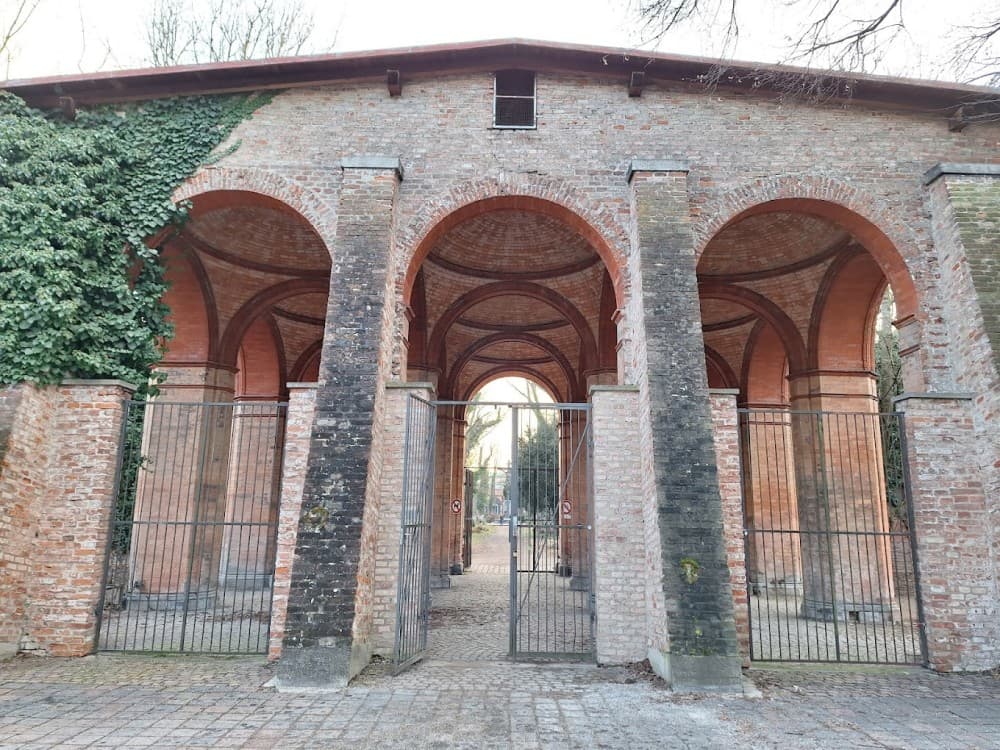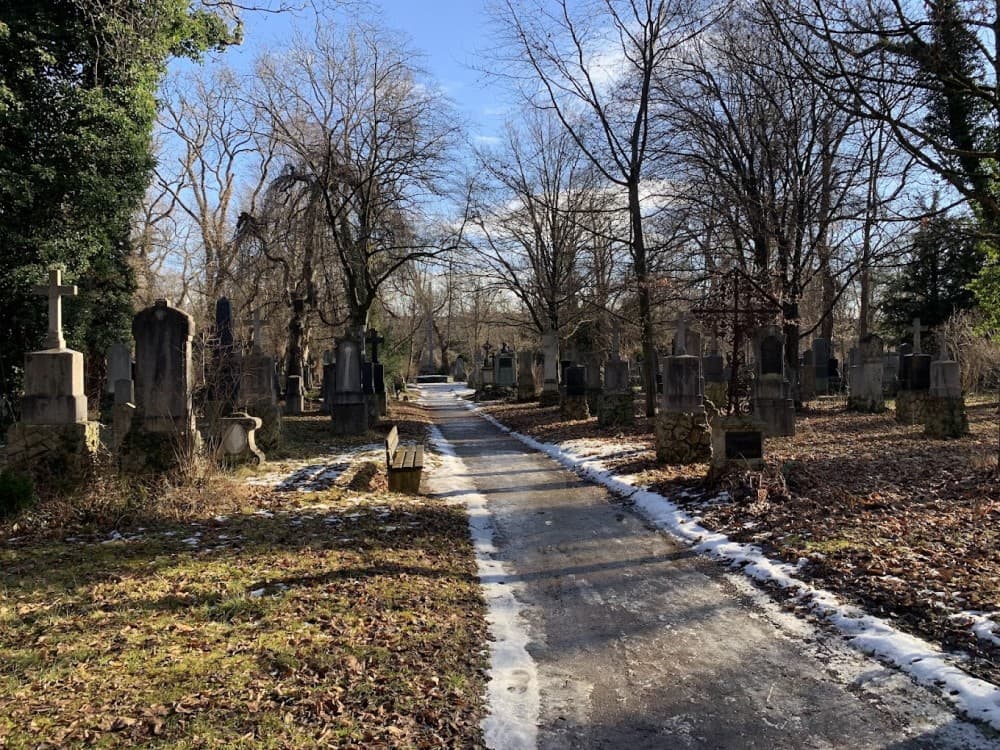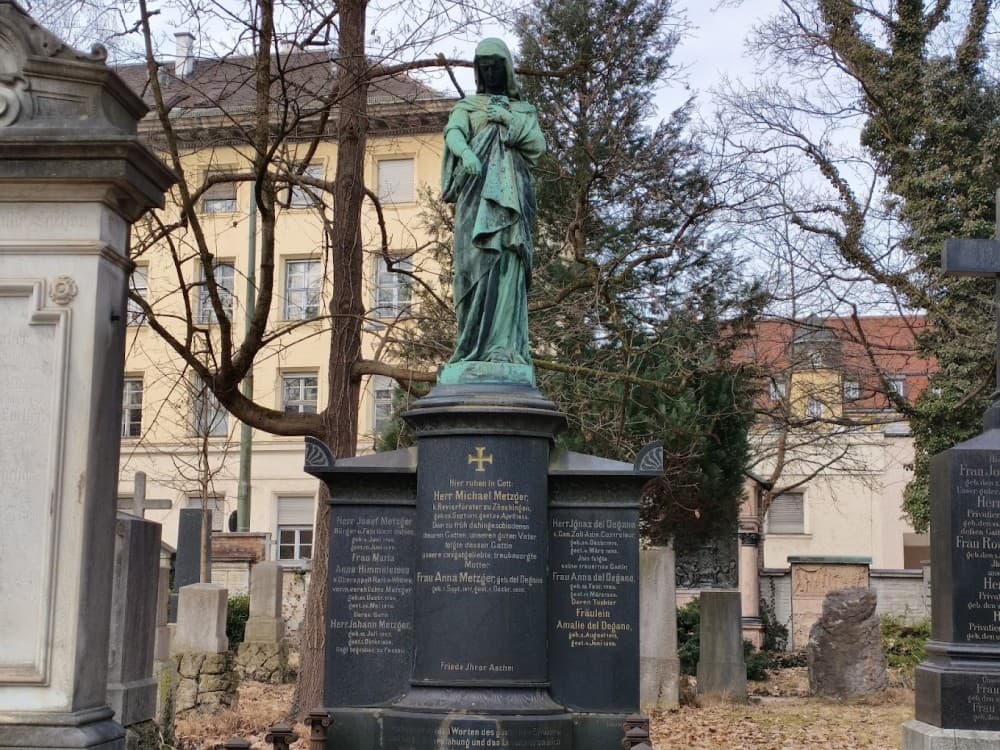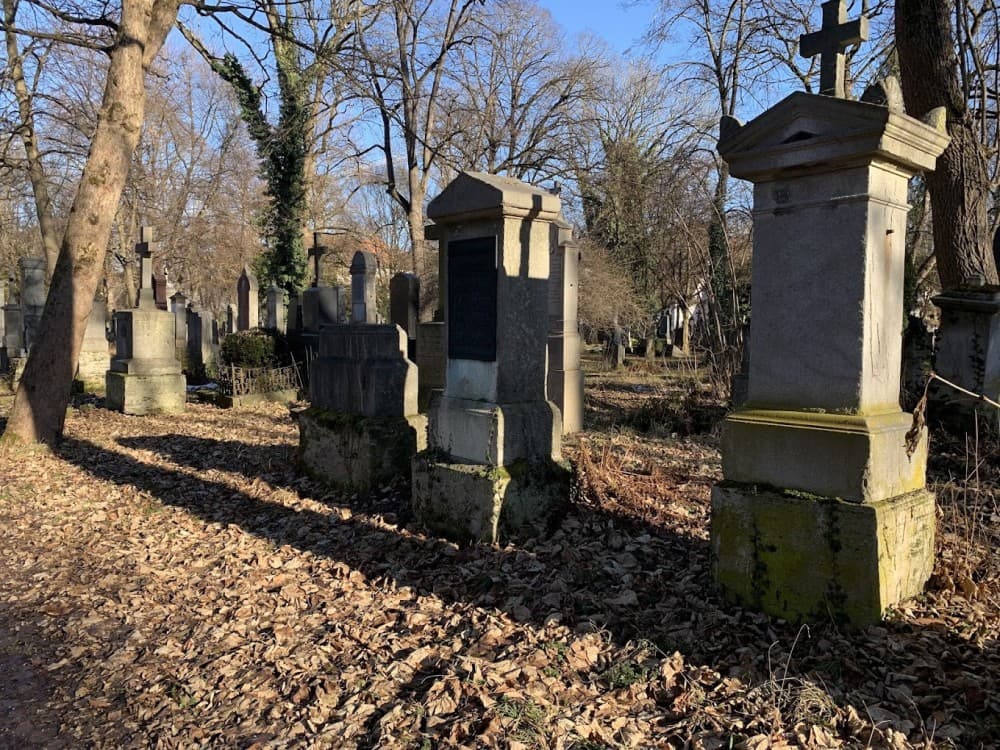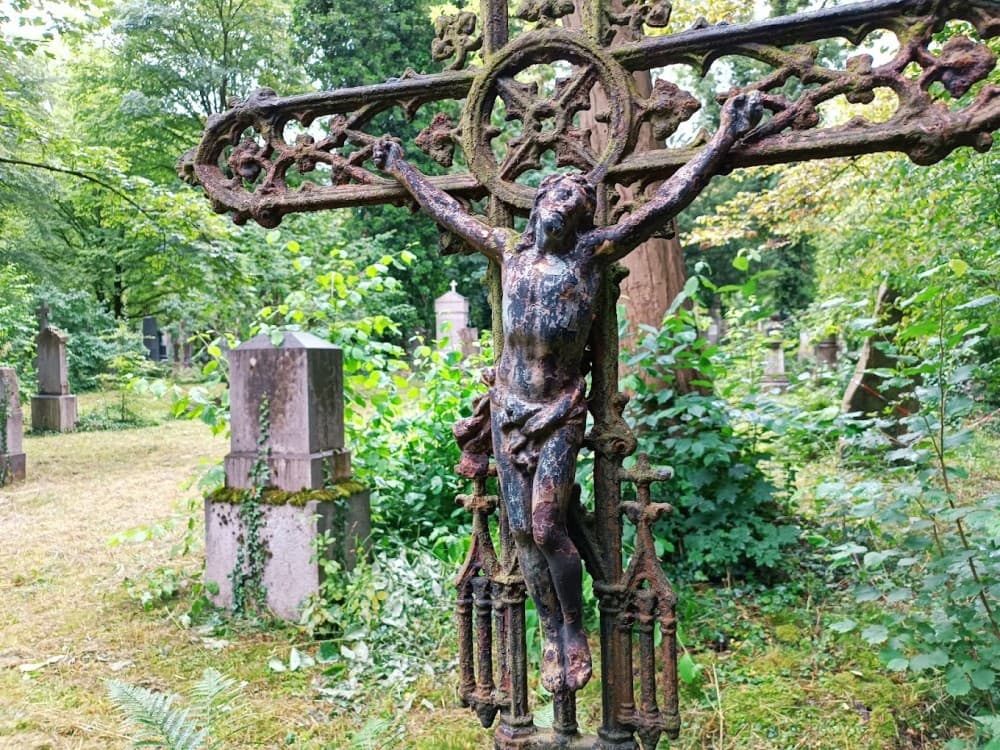
The Alter Südfriedhof is one of Munich's most historic and atmospheric green spaces, serving as a silent witness to the city's rich past. Established in the 16th century as a plague cemetery outside the city walls, it evolved into Munich's central burial ground during the 19th century. Today, it is a protected monument that functions more like a peaceful park and an open-air museum. The grounds are filled with elaborate Neo-Gothic and Classical tombstones, many of which are draped in ivy and guarded by weathered angel statues. It offers a unique window into the lives of the famous artists, scientists, and politicians who shaped Bavaria, providing a serene escape from the urban energy of the surrounding city districts.
Es gibt noch keine Touren in Alter Sudfriedhof.
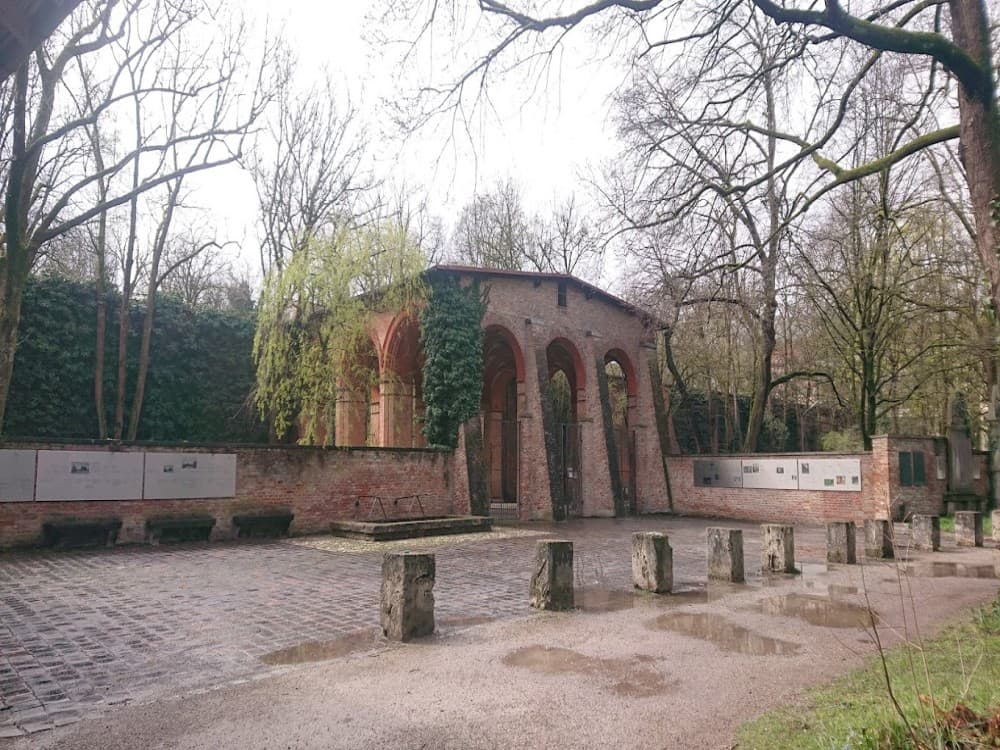
The cemetery is located at Thalkirchner Strasse 17, situated between the Sendling and Glockenbach neighborhoods. As it is now a public park and monument, there is no admission fee to enter and explore the grounds. The gates are open daily from 8:00 to 20:00 during the summer months, with slightly shorter hours in the winter to reflect the daylight. While it is no longer an active burial site, it remains a place of rest and quiet reflection. Visitors can find benches scattered throughout the rows of historic monuments, and the main paths are well-maintained for easy walking. Information boards at the main entrances provide historical context and maps to help you locate the graves of notable figures.
Because the site is a protected monument and a former cemetery, a respectful and quiet demeanor is expected from all visitors. Jogging, cycling, and loud music are strictly prohibited within the walls to maintain the tranquil atmosphere. Many of the most interesting tombstones are located in the arcades or tucked away in overgrown corners, so comfortable walking shoes are a must. If you are interested in history, you can find the final resting places of famous figures like the architect Leo von Klenze and the painter Carl Spitzweg. While photography is allowed, it should be done respectfully, focusing on the architecture and art rather than personal memorials. Be aware that public restroom facilities are limited, so it is best to plan accordingly before your visit.
Reaching the cemetery from central Munich is straightforward via the city's public transport network. The closest subway station is Sendlinger Tor, which is a major hub served by U-Bahn lines U1, U2, U3, U6, U7, and U8. From the station, it is a scenic five-minute walk south along Thalkirchner Strasse. Alternatively, you can take Tram lines 16, 17, or 18 to the Fraunhoferstrasse stop, which puts you near the eastern entrance. For those staying in the city center, it is an easy 15-minute walk from Marienplatz. If you are arriving by bus, line 62 stops at Stephansplatz, right near the northern edge of the park. Driving is not recommended as street parking in this popular residential area is very difficult to find.
The best time to visit is during the early morning hours shortly after the gates open at 08:00, when the morning mist often clings to the old stone monuments, creating a truly ethereal atmosphere. Spring and autumn are particularly beautiful seasons, as the blooming flowers or changing leaves provide a stunning contrast to the weathered gray stone and ironwork. If you prefer a warmer experience, a late afternoon visit in the summer allows you to enjoy the dappled sunlight filtering through the large, ancient trees. While the park is open daily, it is notably peaceful on weekdays when there are fewer local residents taking their daily walks. Visiting during a light snowfall in winter also offers a uniquely hushed and magical perspective on the historic site.