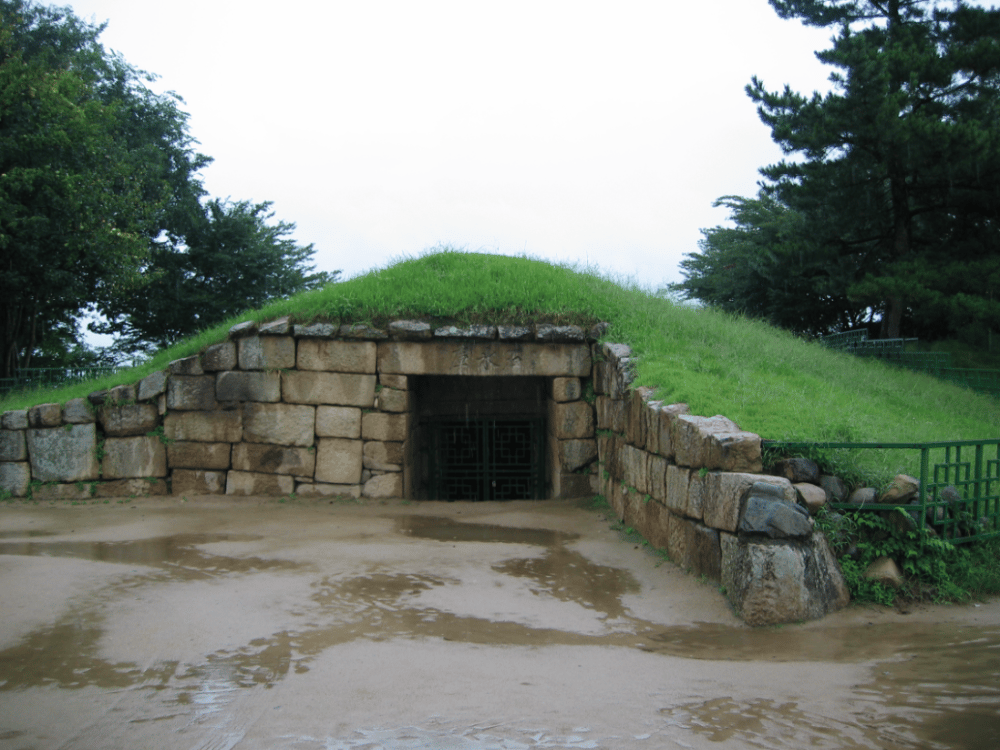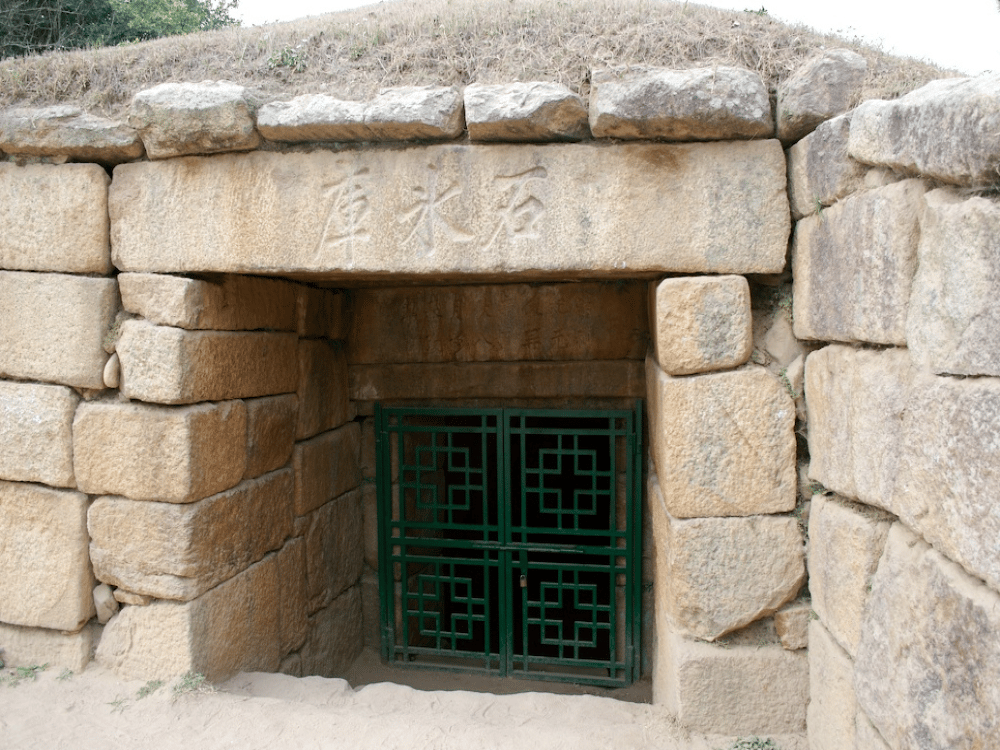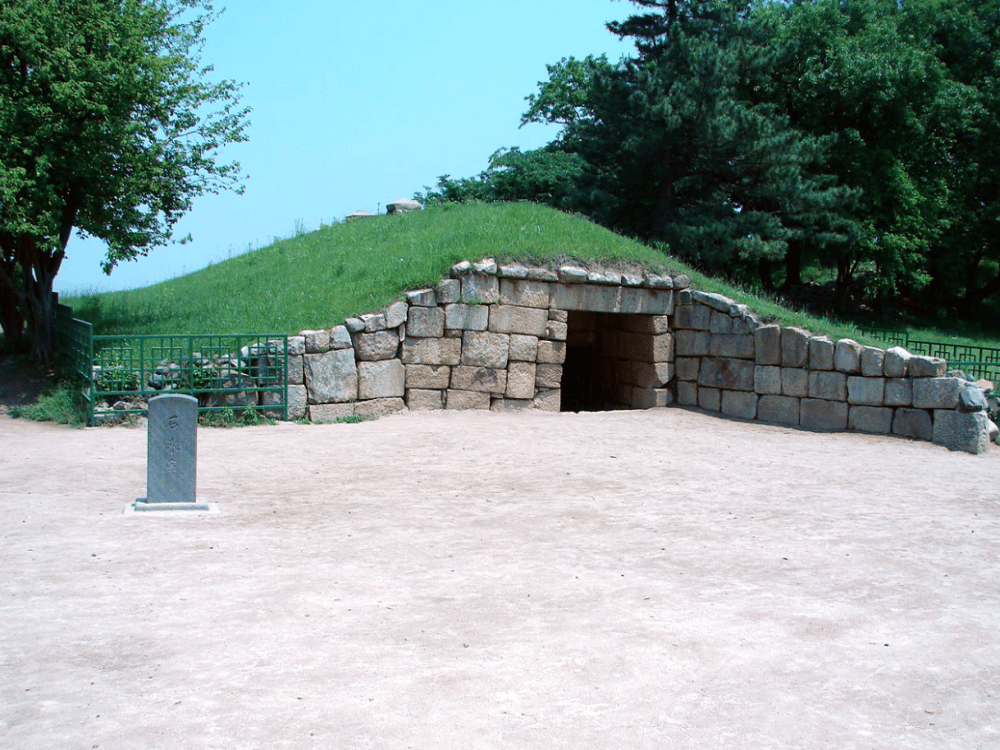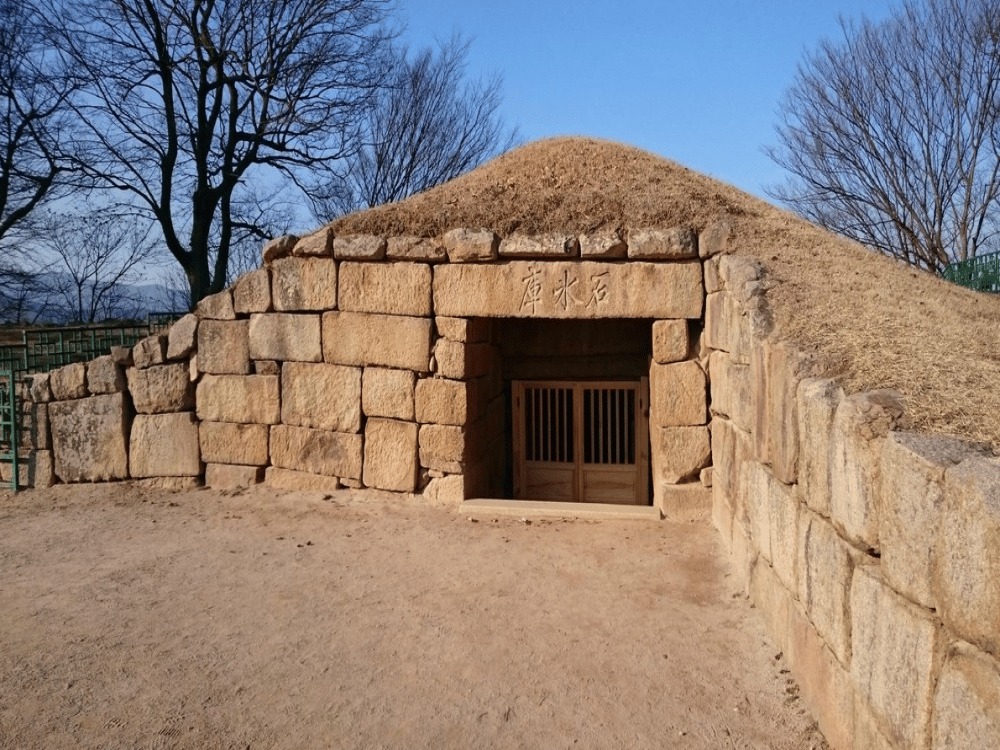
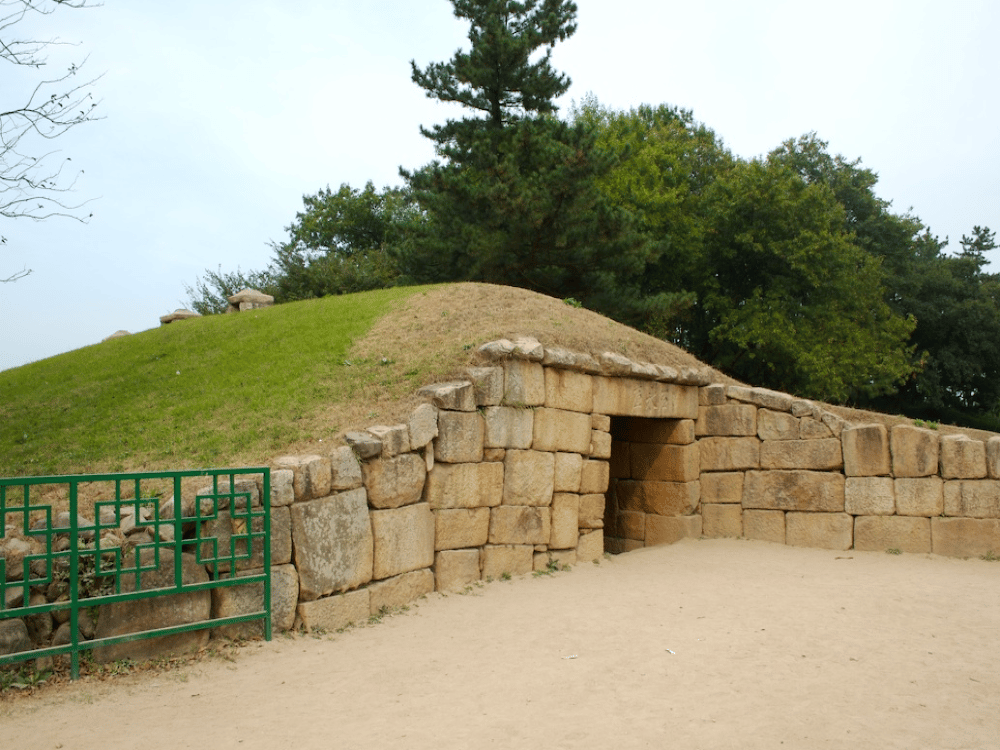
Seokbinggo is a historic ice storage facility tucked in the scenic hills of Gyeongju, South Korea. Dating back to the Joseon Dynasty, this stone-built structure was used to store ice throughout the year before modern refrigeration existed. The architecture is simple yet ingenious: thick stone walls and a vaulted ceiling help maintain cold temperatures even in summer. Visiting Seokbinggo offers a rare glimpse into the daily life and ingenuity of past Koreans. Today, the site is surrounded by lush greenery, making it a peaceful stop for history enthusiasts and casual travelers alike. Its quiet ambiance provides a welcome break from the busier cultural sites in Gyeongju, such as Bulguksa Temple or the royal tombs.
Es gibt noch keine Touren in Seokbinggo.
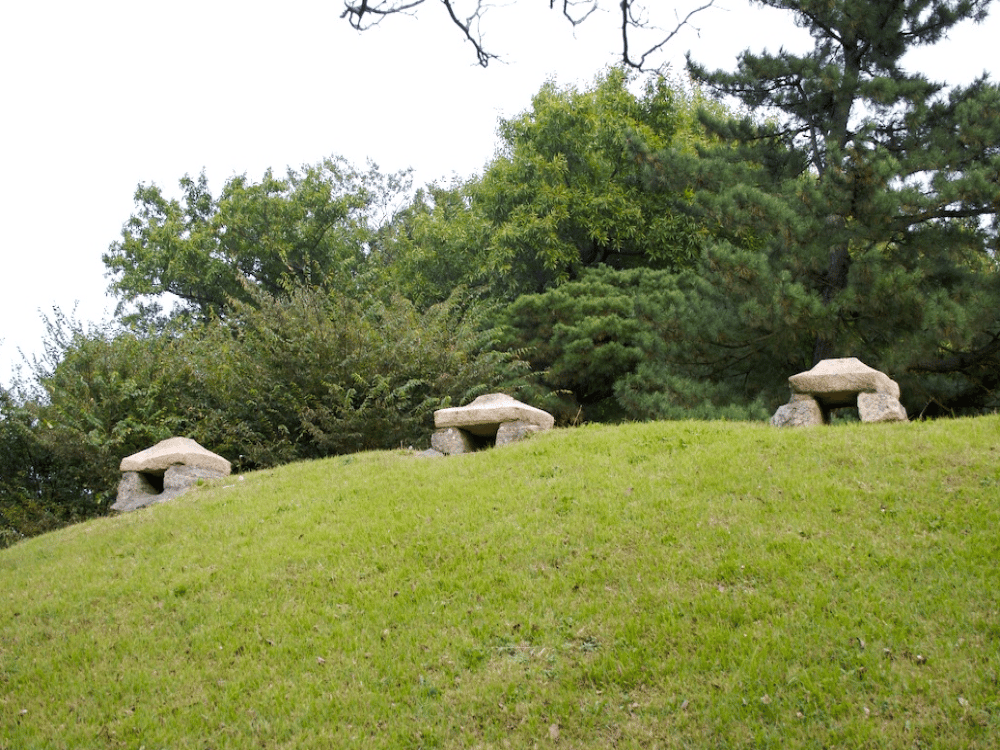
Seokbinggo is essentially an icehouse, built to store blocks of ice harvested during winter. Its name literally means “stone ice storage.” The facility is fully made of stone, with small ventilation openings that allow cold air to circulate while keeping warm air out. The site is recognized as an important historical landmark in Gyeongju, reflecting the engineering skills of the Joseon period. Visitors can explore the interior and observe the structure, while informative plaques explain its historical significance. The surrounding area offers scenic walking paths, making it a pleasant mix of culture and nature.
Seokbinggo is mostly outdoors, so wear comfortable shoes for walking along the stone paths. The interior can be cool, so a light jacket is recommended, even during warmer months. Photography is allowed, but large tour groups can sometimes make the area feel crowded. The site is peaceful, so visitors are encouraged to speak softly and enjoy the tranquil atmosphere. There are no large cafes or restaurants on-site, so bringing a snack or water is a good idea. While the site is not very large, it pairs well with nearby historical attractions for a full day of exploration.
From central Gyeongju, Seokbinggo is best reached by taxi or local bus. A taxi ride from the city center takes about 15–20 minutes. If you prefer public transport, take Bus 700 or 10 towards Bomun Lake area, then walk approximately 10 minutes uphill to reach the site. The roads are well-signposted, and local maps or GPS apps make navigation simple. For those driving, a small parking area is available near the entrance. Combining this visit with nearby sites, such as Gyochon Hanok Village or Poseokjeong Pavilion, makes travel more convenient.
Seokbinggo is open year-round, with spring and autumn being the most pleasant seasons for visiting. In spring, the surrounding hills bloom with flowers, while autumn brings colorful foliage that enhances the scenic setting. Summer visits are fine, but the interior can feel surprisingly cool compared to the heat outside. Winter offers a quieter experience, with fewer tourists, although the surrounding greenery is less vibrant. Morning visits are ideal to avoid crowds and enjoy the peaceful atmosphere.