 Entdecken
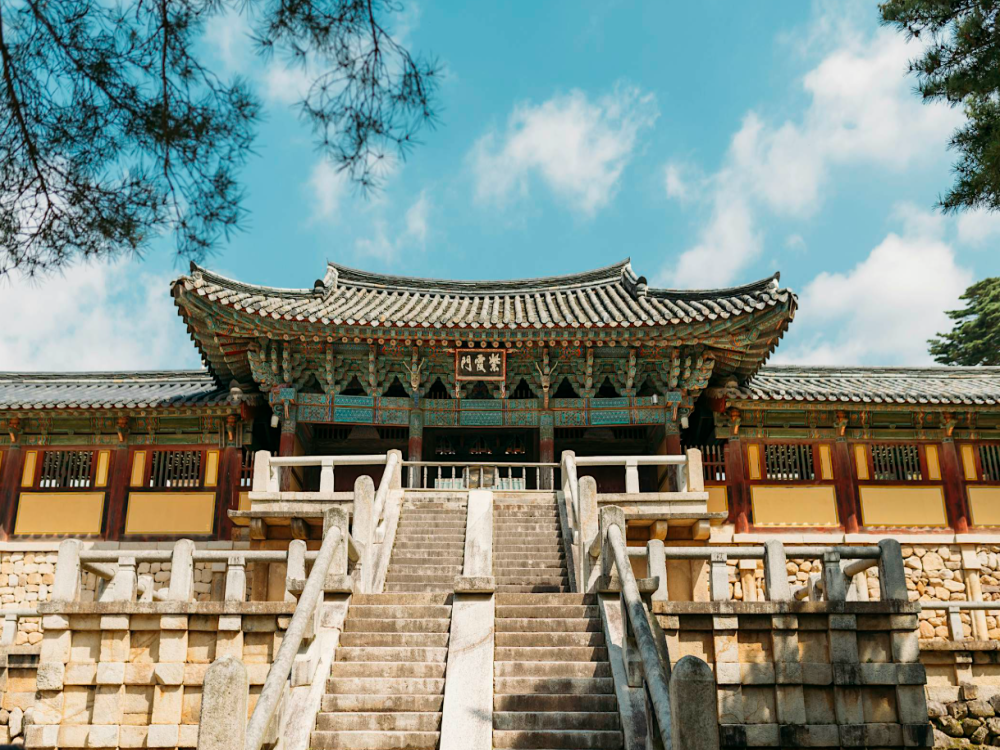
Bulguksa Temple
Bulguksa Temple, located in the historic city of Gyeongju, is one of South Korea’s most iconic Buddhist temples. Built in 774 during the Silla Dynasty, it is a m...
Mehr lesen

Insgesamt 0 Touren & Ausflüge in Gyeongju

Es gibt noch keine Touren in Gyeongju.
Attraktionen, die Sie in Gyeongju machen können
Entdecken
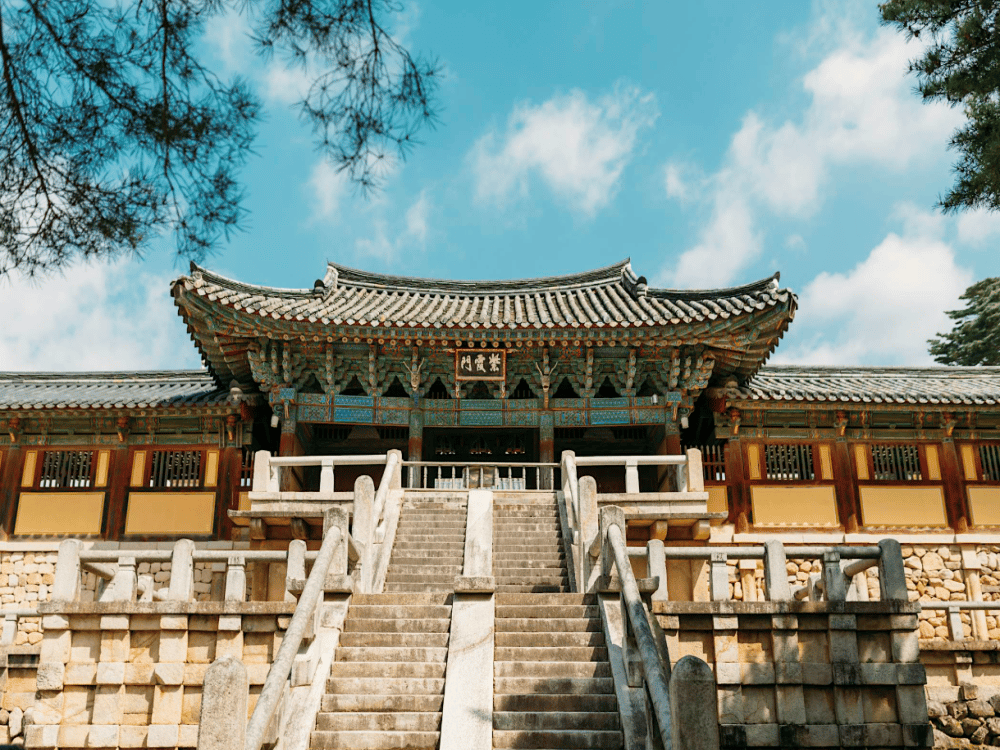
Bulguksa Temple, located in the historic city of Gyeongju, is one of South Korea’s most iconic Buddhist temples. Built in 774 during the Silla Dynasty, it is a m...
 Entdecken
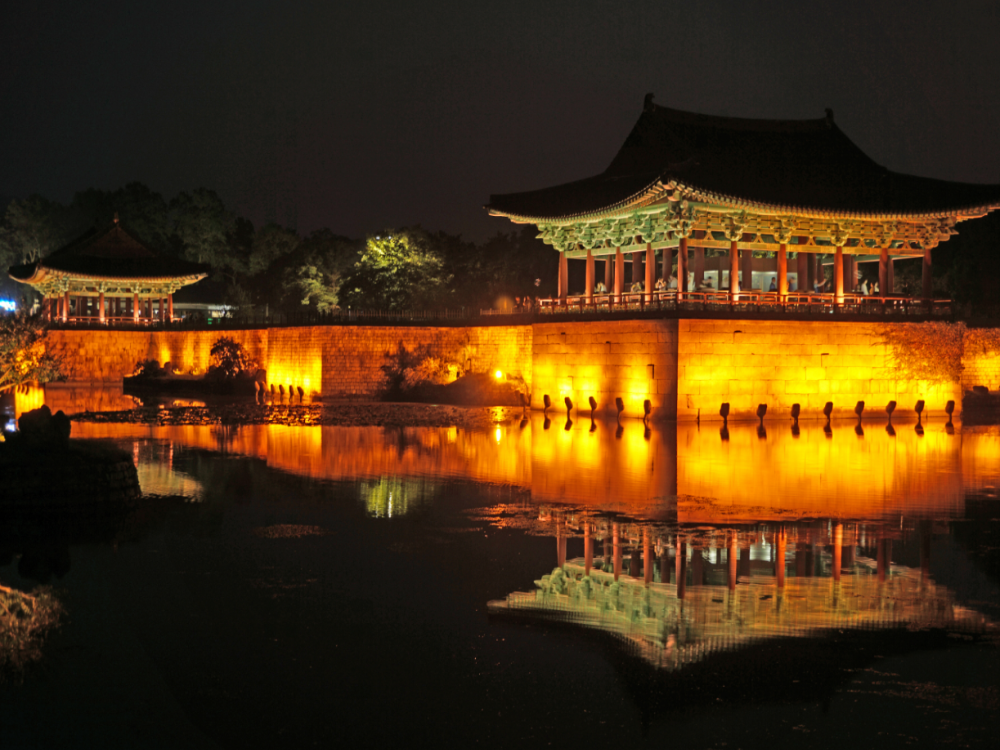
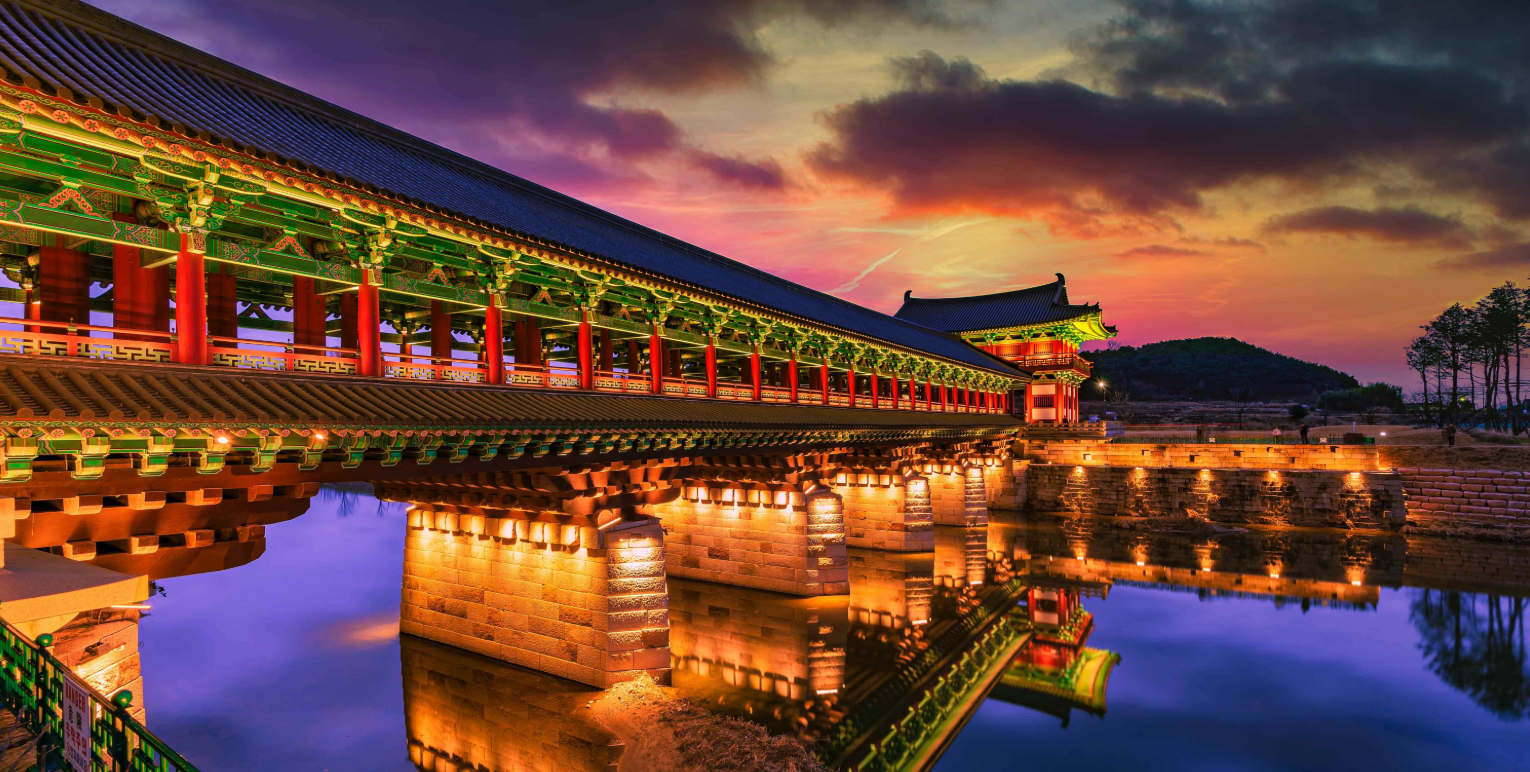
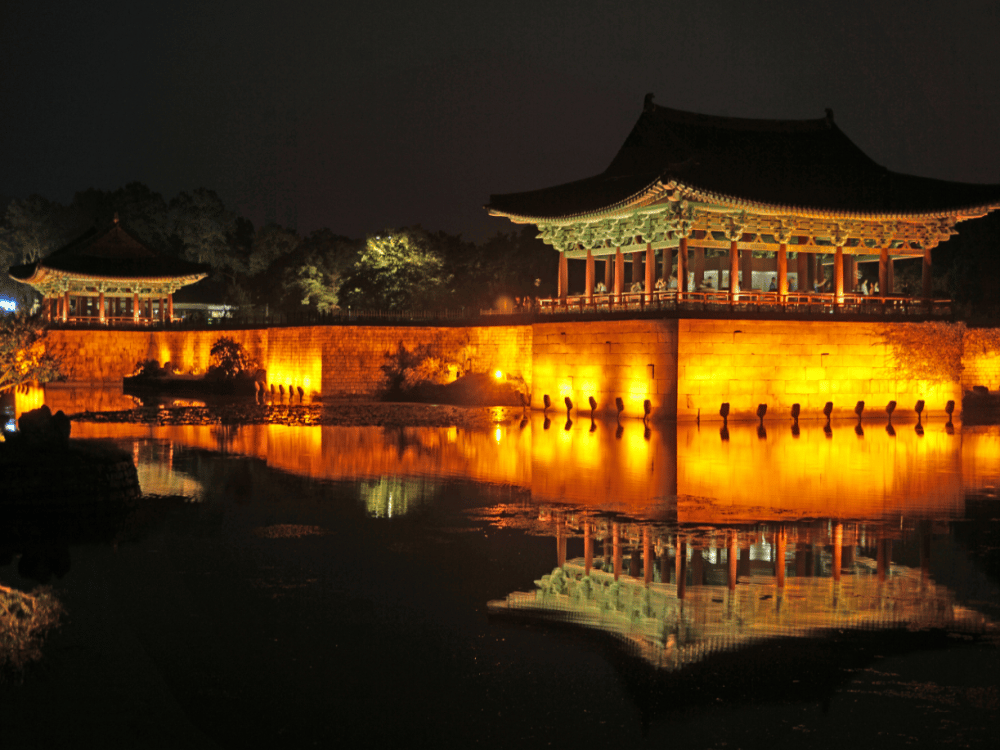
Donggung Palace was originally built in 674 CE and rebuilt several times over the centuries. Wolji Pond is an artific...
 Entdecken
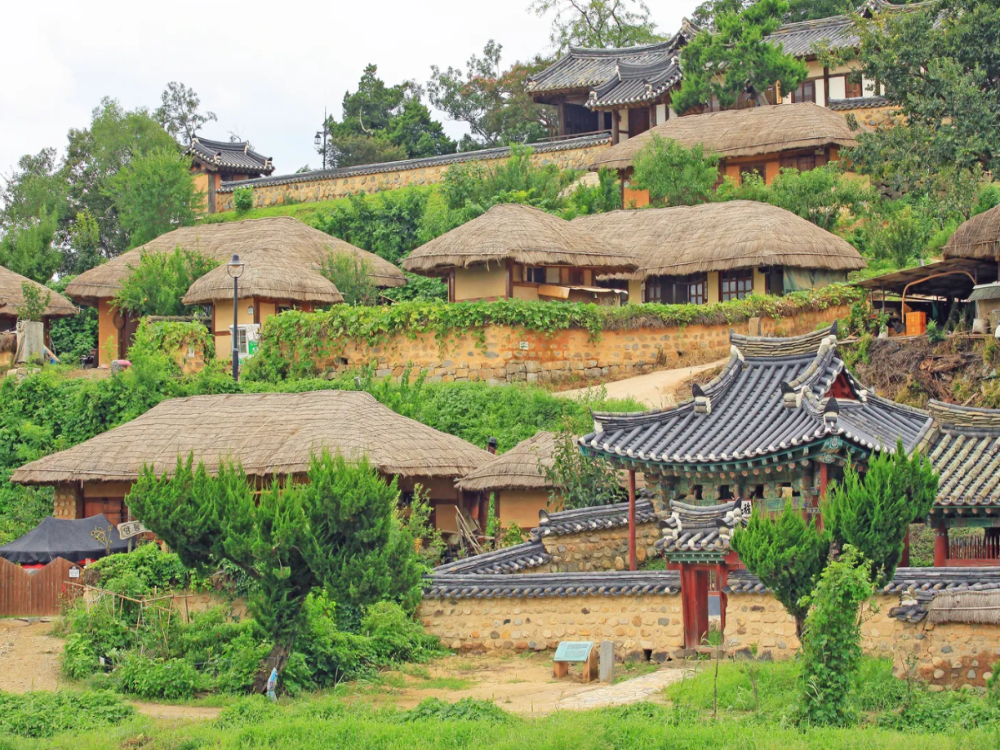
Yangdong Folk Village is a beautifully preserved traditional Korean village dating back to the Joseon Dynasty, over 5...
The best time to visit Gyeongju is spring (April–May) and autumn (September–October). Spring brings cherry blossoms and mild weather, while autumn offers clear skies and colorful foliage—perfect for walking and cycling. Summers (June–August) are hot and humid but lively with festivals, while winters are quiet and cold, offering fewer crowds and a peaceful atmosphere. Major sites remain open year-round, though Seokguram Grotto may close briefly during extreme weather.
Gyeongju is compact and easy to navigate. Local buses connect all major attractions, including Bulguksa Temple and downtown areas. Taxis are affordable and widely available, making them convenient for short trips. Many travelers rent bicycles or e-scooters around Hwangnidan-gil and the tomb areas. For longer distances, intercity buses and KTX trains via Singyeongju Station connect Gyeongju with Seoul and Busan.
Wear comfortable shoes—many attractions involve walking on uneven paths. Visit popular sites early in the morning to avoid tour crowds. English signage is improving, but having a translation app helps. Try local dishes like ssambap and Gyeongju bread. Evening visits to historic areas are highly recommended, as many landmarks are beautifully lit after sunset.
Two full days are ideal to see major sites comfortably. Three days allow time for nearby temples, cycling, and relaxed dining without rushing.
Yes. It’s calm, walkable, and rich in history. It offers a great contrast to Seoul and Busan while remaining tourist-friendly.
Many central attractions are within walking or cycling distance. Bulguksa and Seokguram require a bus or taxi ride.
Yes. It takes about 30–40 minutes by KTX. A day trip covers highlights, but overnight stays are more relaxed.
English is limited but improving. Tourist centers, hotels, and major sites usually have English support.
It’s known for Silla-era heritage, royal tombs, Bulguksa Temple, and its UNESCO World Heritage sites.
Most sites are open year-round, though hours vary by season. Some outdoor sites may close during severe weather.
Yes. Open parks, bike paths, museums, and wide spaces make it suitable for families with children.
Try ssambap (rice wraps), Gyeongju bread, and local hanjeongsik meals featuring seasonal ingredients.
No. Accommodation, food, and transport are generally affordable compared to larger Korean cities.
Die folgenden Antworten basieren auf vorherigen Antworten des Tour-Anbieters an Kunden.
Die besten Dinge, die man in Gyeongju tun kann, sind:
Zu den besten Aktivitäten in Gyeongju gehören:
Schauen Sie sich diese Top-Reiseideen für Gyeongju an: