Gyeongju: Tomb of General Kim Yu Shin | ®ExcursionMania
Gyeongju

Tomb of General Kim Yu Shin

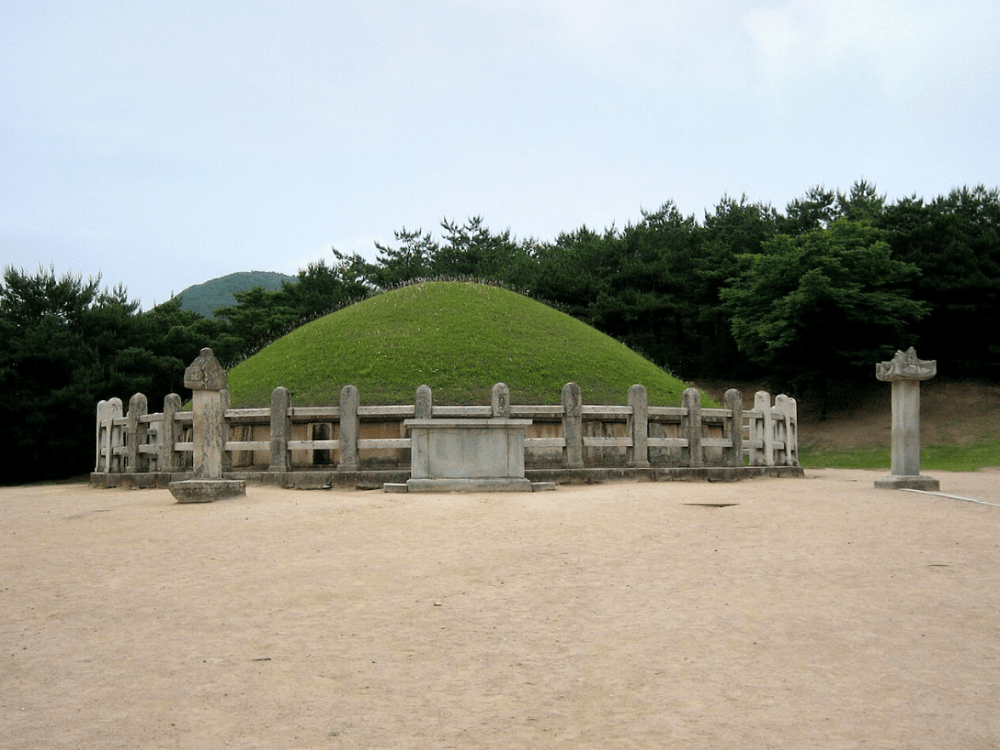
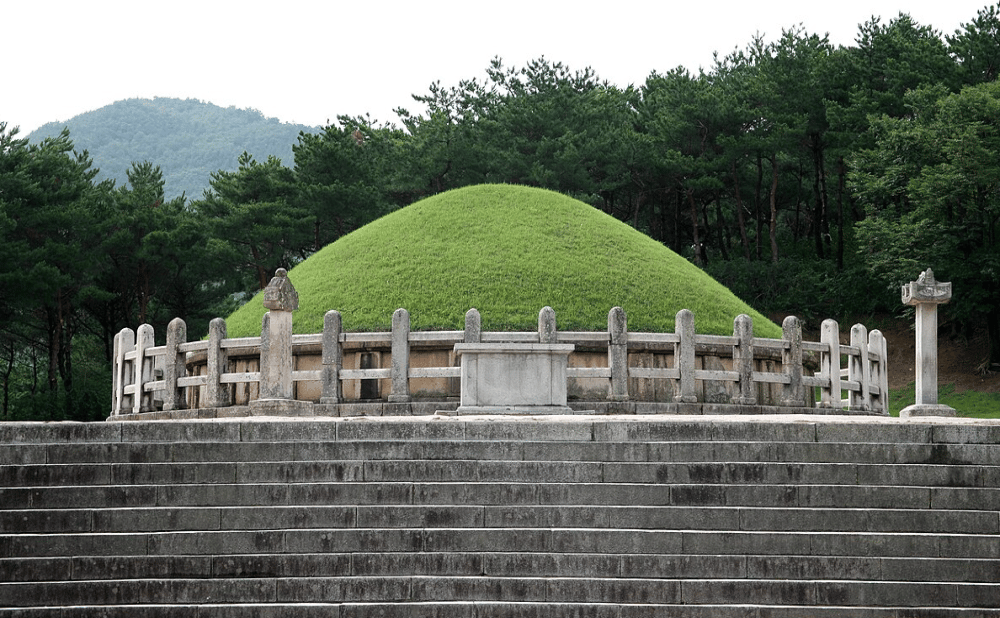
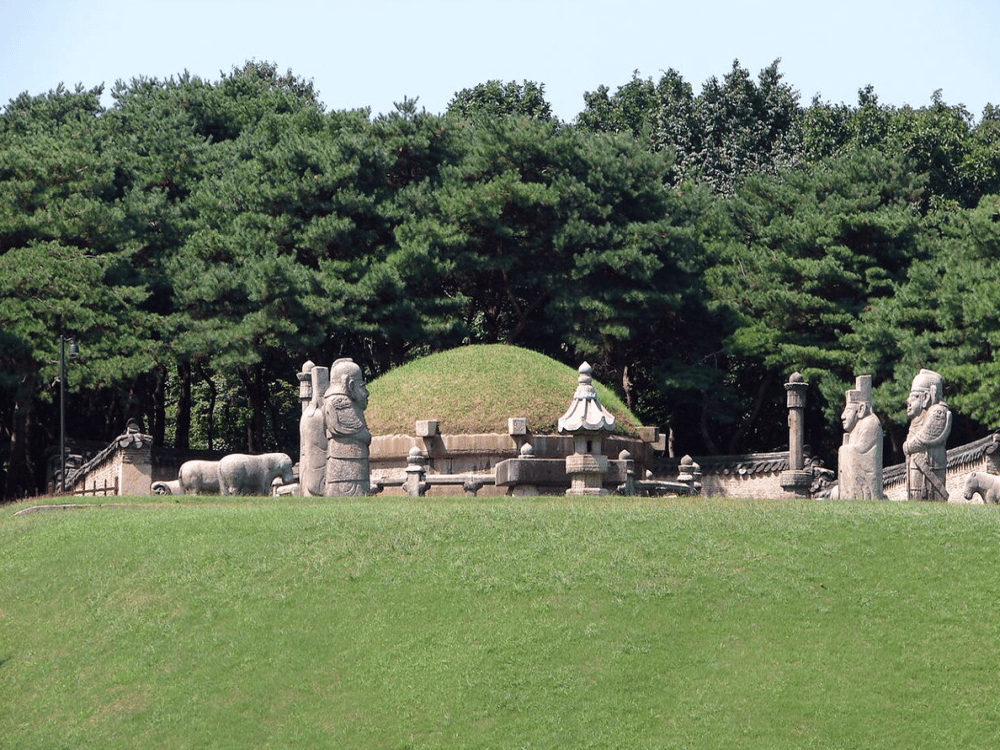
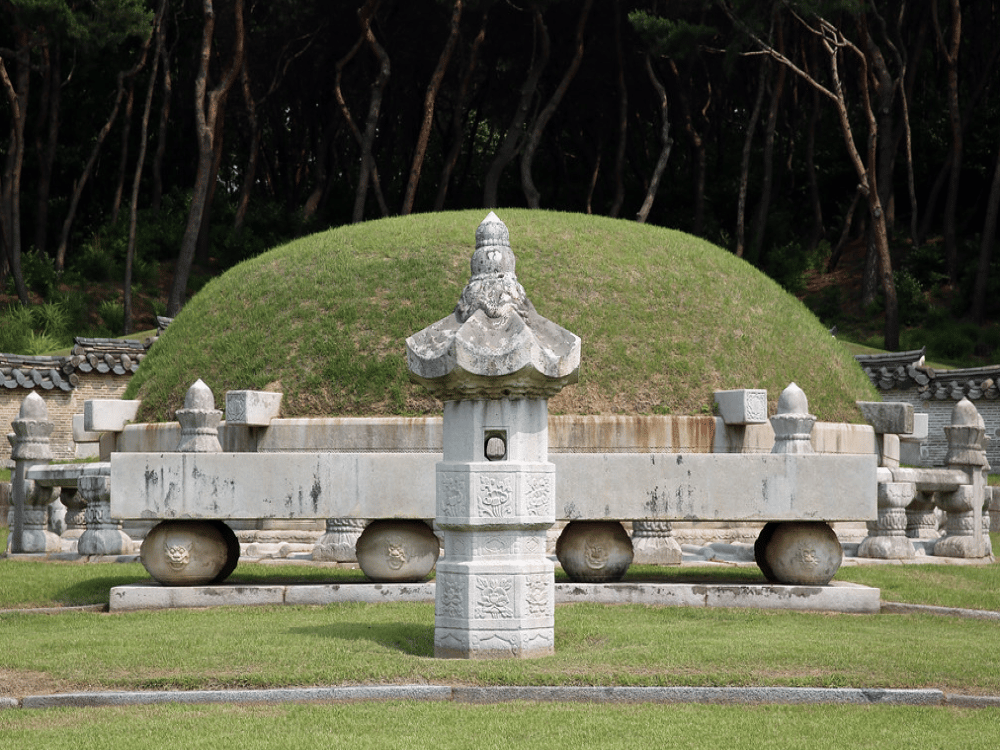
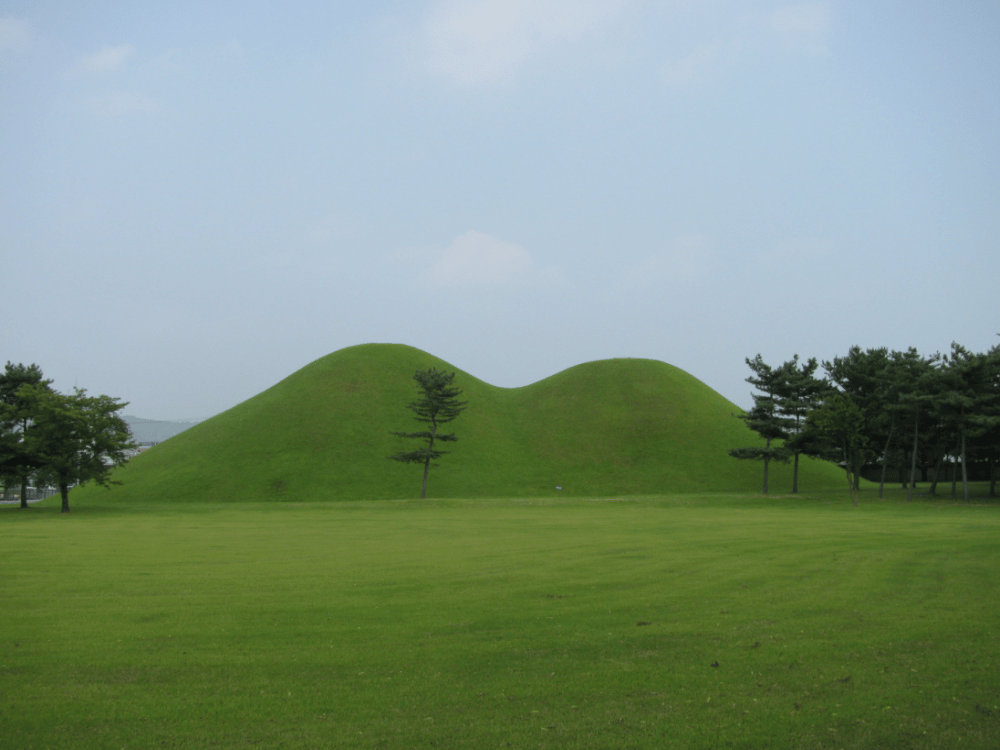
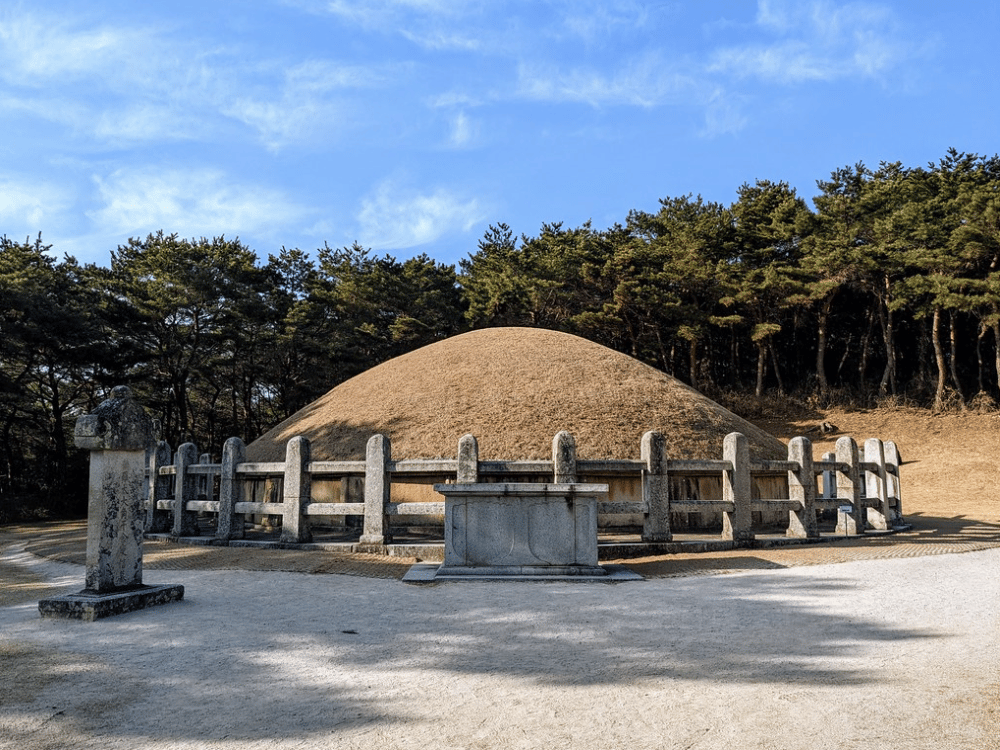
The Tomb of General Kim Yu‑sin is a significant historical site in Gyeongju, South Korea, honoring one of the greatest generals of the 7th century. Known for his role in unifying the Korean Peninsula under the Silla Kingdom, Kim Yu‑sin is remembered as a national hero. The tomb itself is a large round mound surrounded by carved stone figures representing the twelve Oriental zodiac animals, each holding a weapon. These guardians give the site a unique and solemn atmosphere. The surrounding pine forest and gentle hills create a serene environment, perfect for quiet reflection and photography. Visiting the tomb allows travelers to connect with Korea’s rich history and to walk in the footsteps of figures who shaped the nation. The combination of cultural significance and natural beauty makes it a rewarding destination for anyone exploring Gyeongju.
Tomb of General Kim Yu Shin Touren und Tickets

Es gibt noch keine Touren in Tomb of General Kim Yu Shin.

Alles über Tomb of General Kim Yu Shin

Was Sie erwartet

Located on the lower slopes of Songhwasan Mountain, the tomb is easily accessible from Gyeongju city center. Admission is modest, with fees typically around 2,000 KRW for adults, and operating hours run from early morning to evening, varying slightly by season. The tomb is best appreciated on foot, as visitors can slowly circle the mound to observe the detailed carvings and enjoy the surrounding scenery. English signage is available, though some areas are primarily in Korean. Photography is permitted, allowing visitors to capture the intricate stone figures and the peaceful forest setting. The tomb is considered a cultural treasure, representing the historical legacy of the Silla Kingdom and offering insight into Korea’s ancient burial traditions.

Warum diese Tour buchen

Travelers should wear comfortable shoes as the area around the tomb involves walking along gentle slopes and paths through pine forests. The site is calm and not crowded, providing a peaceful experience, though the signage may be limited in English. Spring and autumn are particularly beautiful, with cherry blossoms or colorful foliage enhancing the scenery. Summer can be hot and humid, while winter is quiet but chilly, so visitors should check the weather before planning a trip. A quiet respect for the site is expected, as it is a historical tomb. Small cash amounts may be useful for entry or local amenities nearby. Visitors coming from abroad should also allow time for travel from Seoul or other cities in South Korea, as Gyeongju is accessible by train or bus.

Die richtige Tour auswählen

From Hanoi, Vietnam, travelers can fly to Seoul and then take a high-speed KTX train to Gyeongju, which typically takes around two to three hours. Once in Gyeongju, the tomb can be reached by a short taxi ride or local bus from the city center. The journey from Hanoi to the tomb, including flights and transfers, usually takes seven to ten hours, depending on connections. The surrounding area is pedestrian-friendly, so visitors can explore nearby attractions on foot. Public transport schedules are reliable, and taxis are easy to find, making it straightforward for international travelers to reach the site without confusion. Planning the route ahead and checking train or bus schedules ensures a smooth visit. Maps and basic English information are widely available at stations and tourist centers.

Wissenswertes vor der Abreise

The tomb is open year-round, with the best experiences during spring and autumn when the natural scenery is most vivid. Visiting in the morning allows travelers to enjoy softer light for photos and fewer visitors on the paths. Summer is warm but can be humid, while winter offers a quieter atmosphere with crisp air and minimal crowds. The surrounding forest provides shade during hot months, making a morning or late afternoon visit ideal. Timing a visit with nearby attractions allows for a fuller day exploring Gyeongju’s historical and cultural sites. Seasonal weather should be considered, as heavy rains in summer or snow in winter can affect walking conditions.