Jeju: Seongeup Folk Village | ®ExcursionMania
Jeju

Seongeup Folk Village

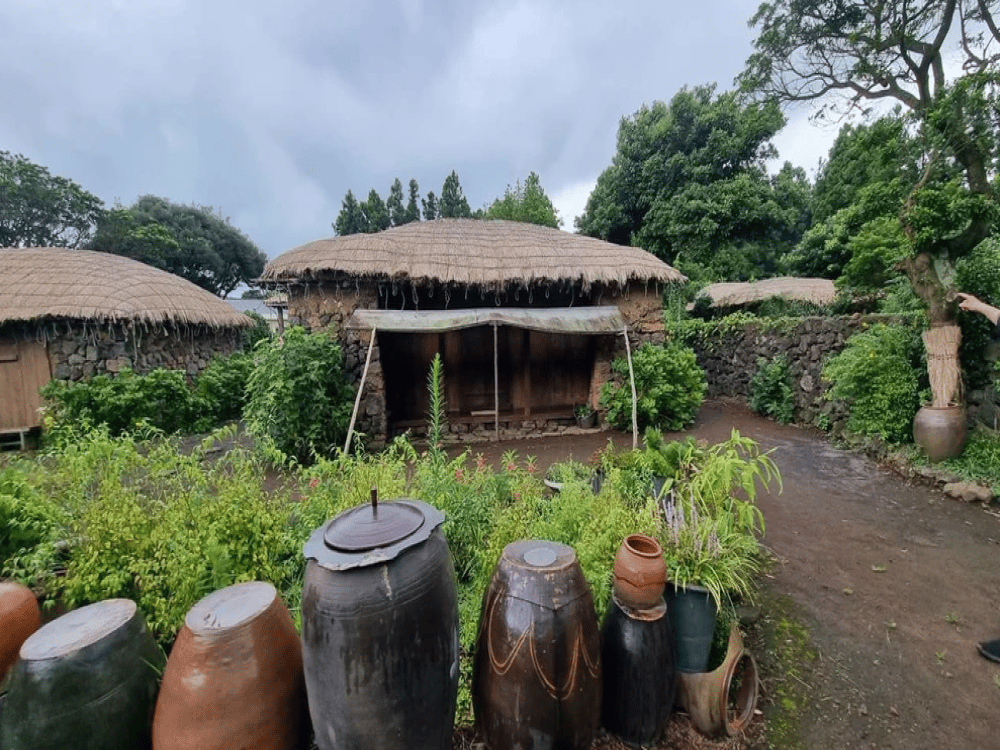
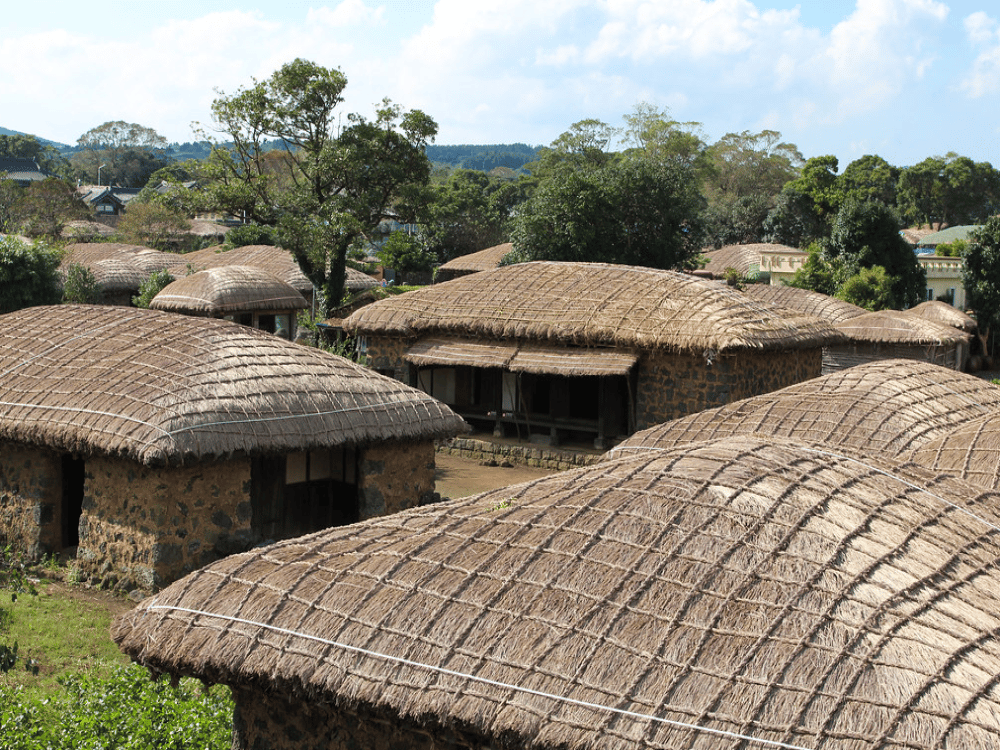
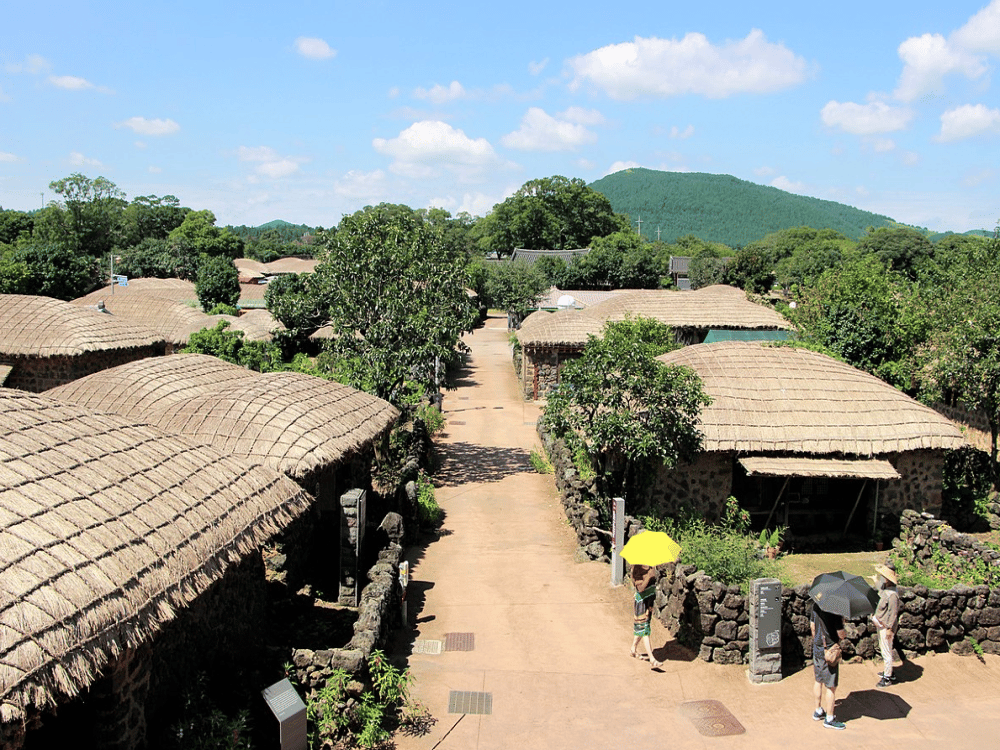
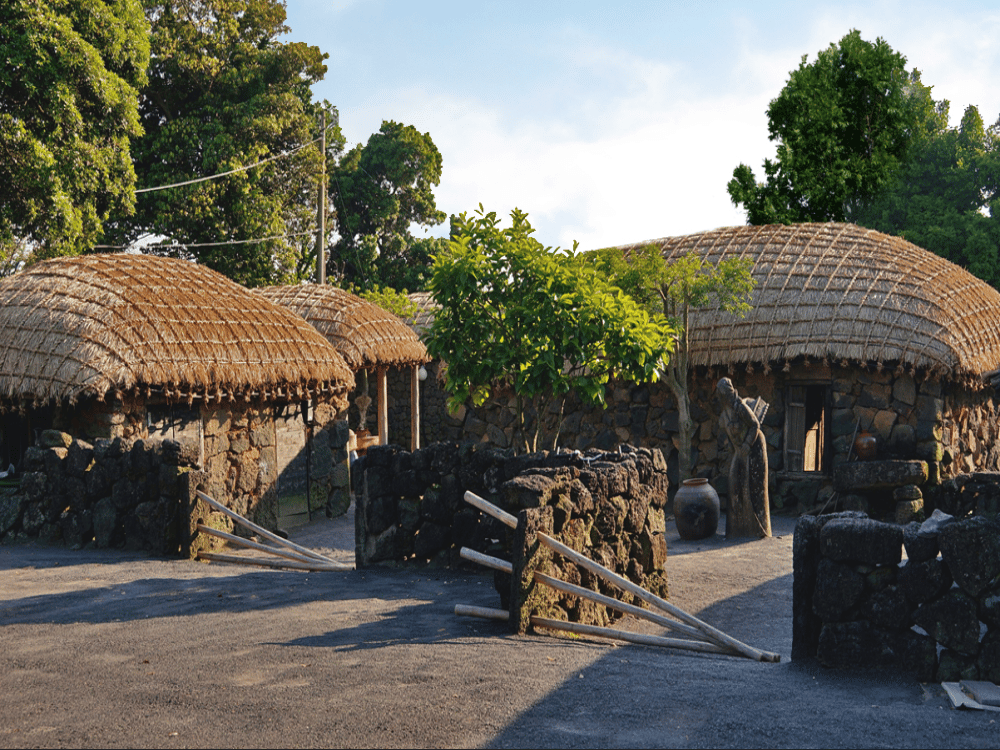
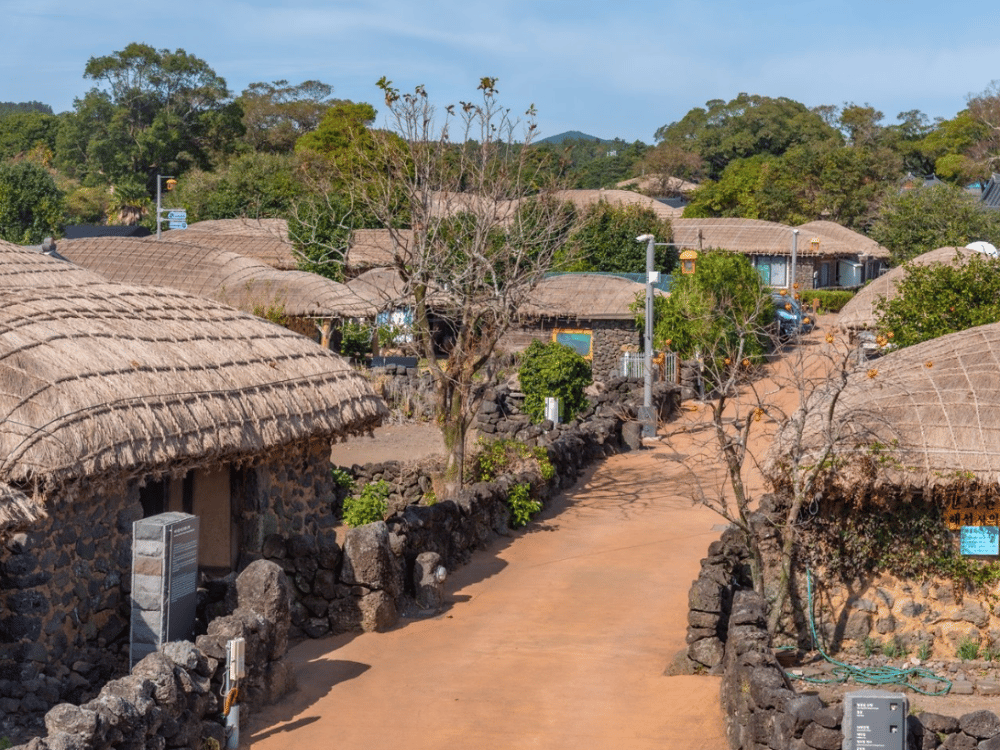
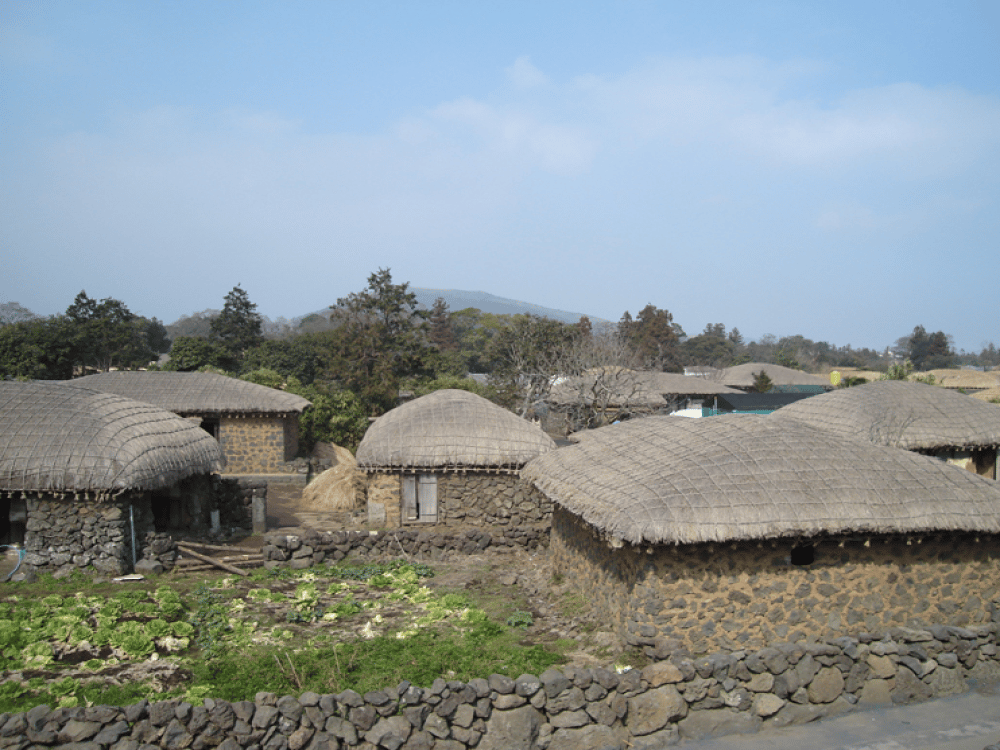
If you’re exploring Jeju Island and want a cultural stop beyond beaches and volcanic landscapes, Seongeup Folk Village is an unforgettable experience. Located in the Pyoseon area of Seogwipo on the eastern side of the island, it’s not a staged attraction but a living traditional village where people still reside in thatched and basalt stone homes. This village preserves Jeju’s architectural, cultural, and communal traditions that have evolved over more than 500 years, giving you a genuine sense of how life unfolded here in the past. The volcanic stone walls, low thatched roofs built to withstand strong island winds, and tranquil alleys create a unique atmosphere unlike anywhere else in Korea. As you wander through, you’ll see Confucian shrines, old government buildings, family homes, and even ancient trees protected as natural monuments. Unlike commercial reconstructions, Seongeup offers authentic heritage, complete with local dialects, foods, and crafts still alive in daily life. 
Seongeup Folk Village Touren und Tickets

Es gibt noch keine Touren in Seongeup Folk Village.

Alles über Seongeup Folk Village

Was Sie erwartet

Seongeup Folk Village is a traditionally preserved community in Seogwipo‑si, Jeju Province, South Korea. It has been continuously inhabited since at least the 15th century and is officially protected as an important cultural heritage site. The village showcases traditional Jeju houses made with black volcanic stone walls and straw thatched roofs, built originally to protect against strong winds and island weather. Within its compact network of lanes, you’ll find historic residences, shrines, public office remains, and heritage trees that anchor local culture and history. It’s a living place rather than a reconstructed museum — meaning you may see daily life unfold alongside the heritage you came to explore. The site is generally open year‑round, and entry is free, though some hands‑on cultural experiences may have small charges. Parking and restrooms are available on site to make your visit comfortable. 

Warum diese Tour buchen

Seongeup is best appreciated with a relaxed mindset. It’s not a theme park or staged attraction, but a genuine slice of Jeju’s past. This means the village contains narrow cobbled lanes and uneven walking paths, so comfortable shoes are essential. Many visitors find it helpful to take their time and explore beyond the main entrance area — the quieter back alleys reveal hidden houses, volcanic stone walls, and authentic lifestyle details that define this heritage site. Respect local residents’ privacy as some homes are still lived in and not just exhibits. Seasonal weather varies so bring sun protection in summer and a light jacket in windy months — Jeju is known for breezy coastal conditions. There are occasional demonstrations or cultural performances, especially in autumn, but most of the experience is self‑guided and free to explore. 

Die richtige Tour auswählen

From Jeju City (airport area), Seongeup Folk Village is accessible by public transportation or taxi if you’re without a car. A typical bus route like the 111 or 112 heads toward the east coast and can drop you near the village stop, but expect around 1.5–2 hours of travel time from Jeju Intercity Bus Terminal. Taxis from Jeju City to the village usually take about 50–60 minutes, with fares varying depending on traffic. If you’re staying in Seogwipo, located south of the village, the bus journey can be closer to an hour, or a taxi ride of around 30–40 minutes will get you there faster and with more flexibility. If you’re driving, follow the main roads toward Seogwipo and look for signs to Seongeup Folk Village; parking is available at the site. 

Wissenswertes vor der Abreise

Seongeup is lovely any time of year, but most visitors find spring and autumn especially pleasant — mild temperatures and gentle breezes make wandering through the village comfortable and ideal for photos. In summer, Jeju’s nature is lush but it can be hot, so early morning or late afternoon visits help avoid midday heat. Winter offers a quieter, more atmospheric experience, though stronger winds are common along open spaces. If your schedule allows, aim for morning hours when tours and local guides are more readily available, and the soft light enhances the textures of stone walls and thatched roofs.