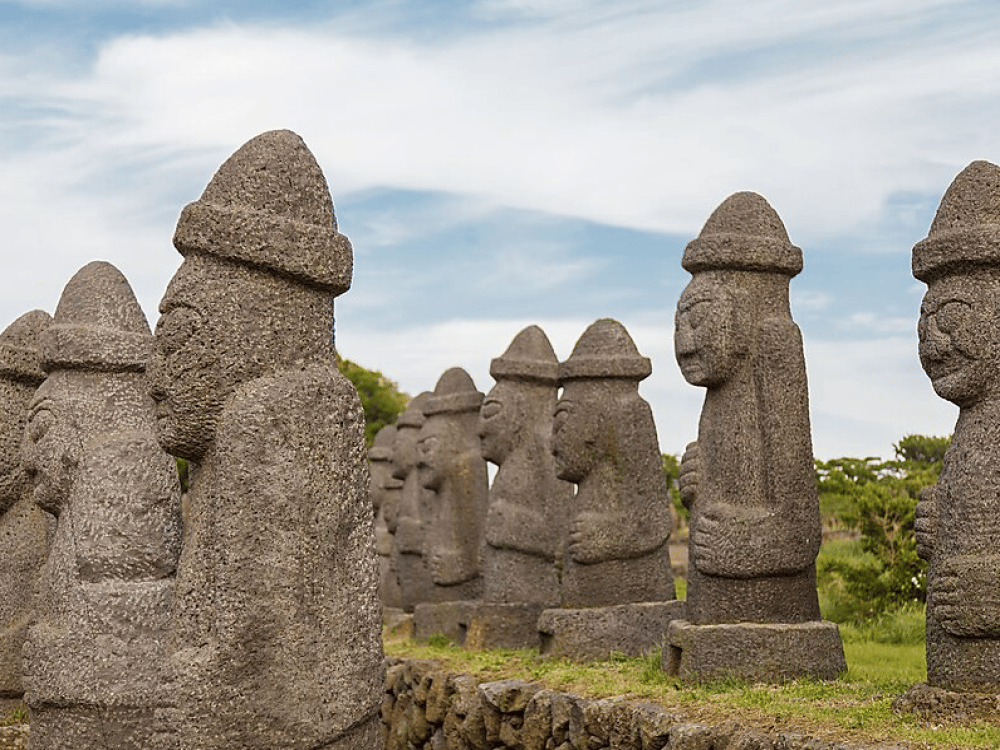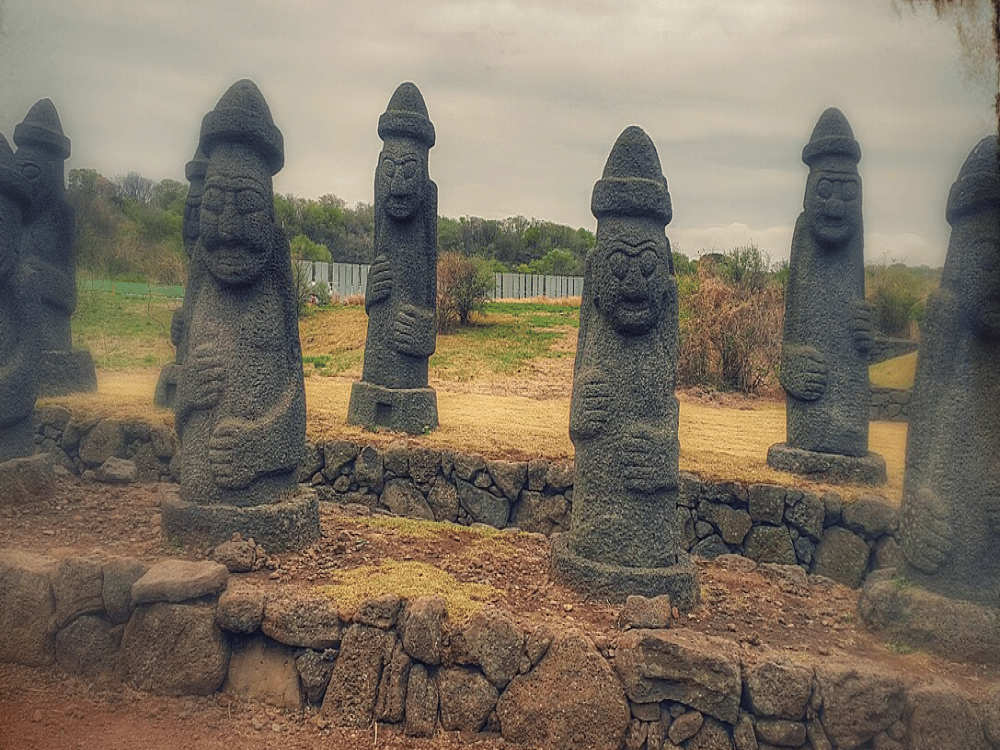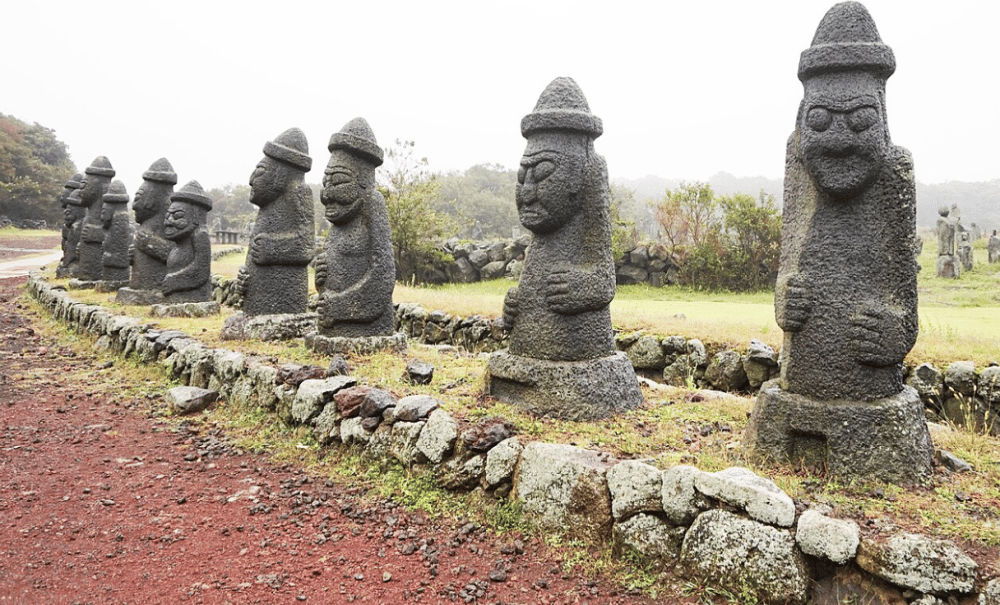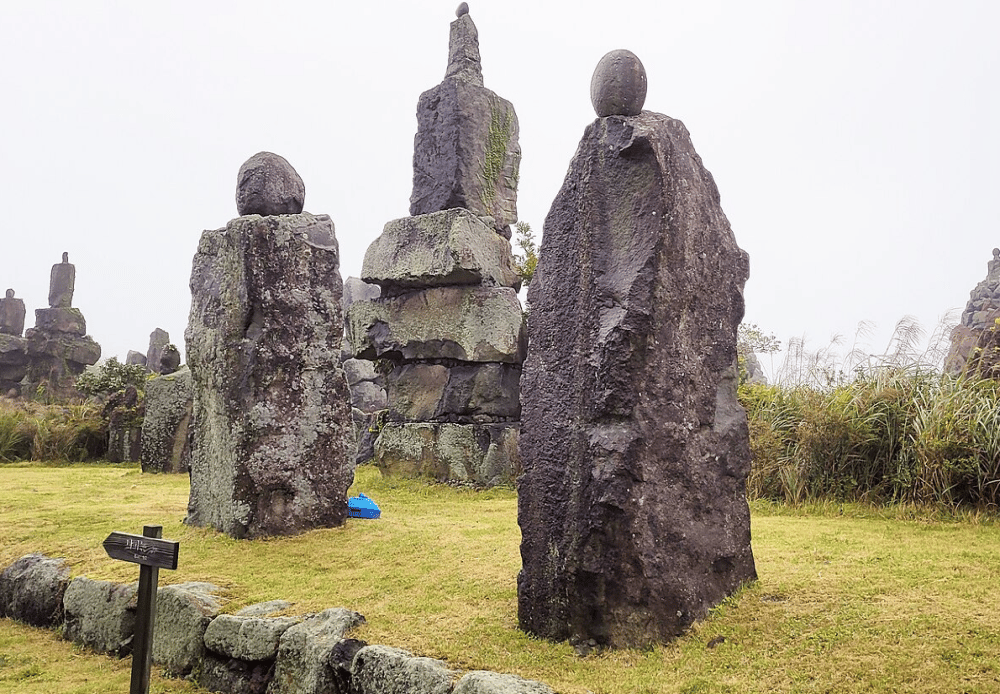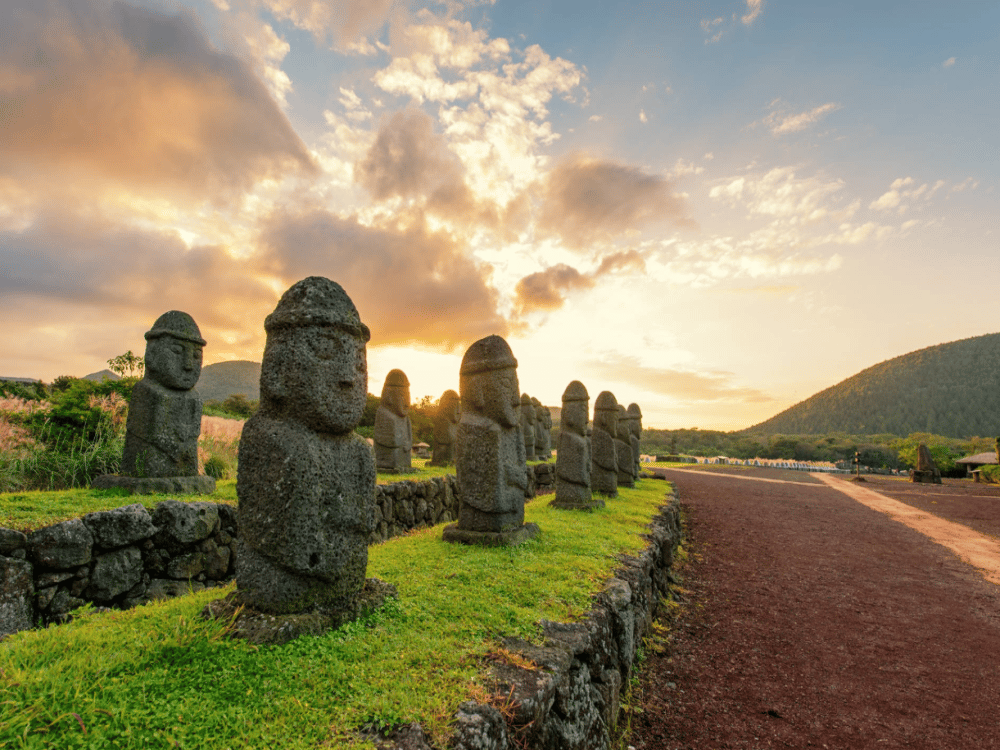
Jeju Stone Park is one of the most fascinating cultural and nature parks on Jeju Island, created to preserve and showcase the island’s unique stone culture and volcanic history. The park reflects how stone has shaped the daily life, architecture, and traditions of Jeju people for centuries. Visitors can walk through beautifully designed landscapes filled with volcanic rocks, artistic stone sculptures, and traditional statues known as Dol Hareubang.The park also explores the mythological side of the island, especially the legend of the giant goddess Seolmundae Halmang, who according to local folklore created Jeju Island. Through outdoor exhibitions, storytelling spaces, and the modern Stone Museum, visitors can learn about the island’s geological formation and the cultural meaning behind its famous stone walls and statues. With peaceful walking trails and wide natural spaces, Jeju Stone Park offers a relaxing yet educational experience for travelers exploring Jeju.
Es gibt noch keine Touren in Jeju Stone Park.
Jeju Stone Park is located in the northeastern part of Jeju Island in the Jocheon area. The park covers a large natural landscape filled with stone-themed gardens, cultural exhibition areas, and forest walking paths. One of the main highlights is the Stone Culture Exhibition Hall, where visitors can discover the island’s volcanic origins and see collections of traditional stone artifacts.The park usually opens at 09:00 in the morning and closes around 18:00, with last entry typically about one hour before closing. The entrance fee for adults is around 5,000 Korean won, while discounted tickets are available for teenagers and children. Visitors usually spend two to three hours exploring the park’s walking routes, museum spaces, and outdoor installations.
Because Jeju Stone Park is a large outdoor attraction, visitors should be prepared for plenty of walking. Comfortable shoes are recommended, as many areas are connected by natural trails and paths. The park is very peaceful and spacious, making it ideal for slow travel and relaxed exploration rather than a quick visit.Bringing water, sunscreen, and a camera is also recommended, especially during warmer months. The park features many scenic spots where unique volcanic rocks, sculptures, and landscapes create excellent photo opportunities. Visitors should also remember that some areas are designed as quiet cultural spaces, so respecting the natural environment and exhibitions is important during the visit.
Jeju Stone Park is located about 20 to 30 minutes from Jeju City by car, making it easily accessible for travelers staying in the city. Renting a car is one of the most convenient ways to reach the park, especially for visitors planning to explore several attractions across the island in one day. Taxis are also widely available and can take visitors directly to the park entrance.Public transportation is another option for travelers without a car. Several local bus routes from Jeju City travel toward the Jocheon area and stop near the park. From the bus stop, it is usually a short walk to the main entrance.
The best time to visit Jeju Stone Park is in the morning when the weather is cooler and the park is quieter. Early visits allow travelers to explore the walking trails and museum exhibits without crowds while enjoying the calm natural surroundings.Spring and autumn are especially beautiful seasons to visit, as the surrounding forests and gardens become colorful and the temperatures are comfortable for outdoor activities. During summer, visiting earlier in the day is recommended to avoid the stronger afternoon heat.