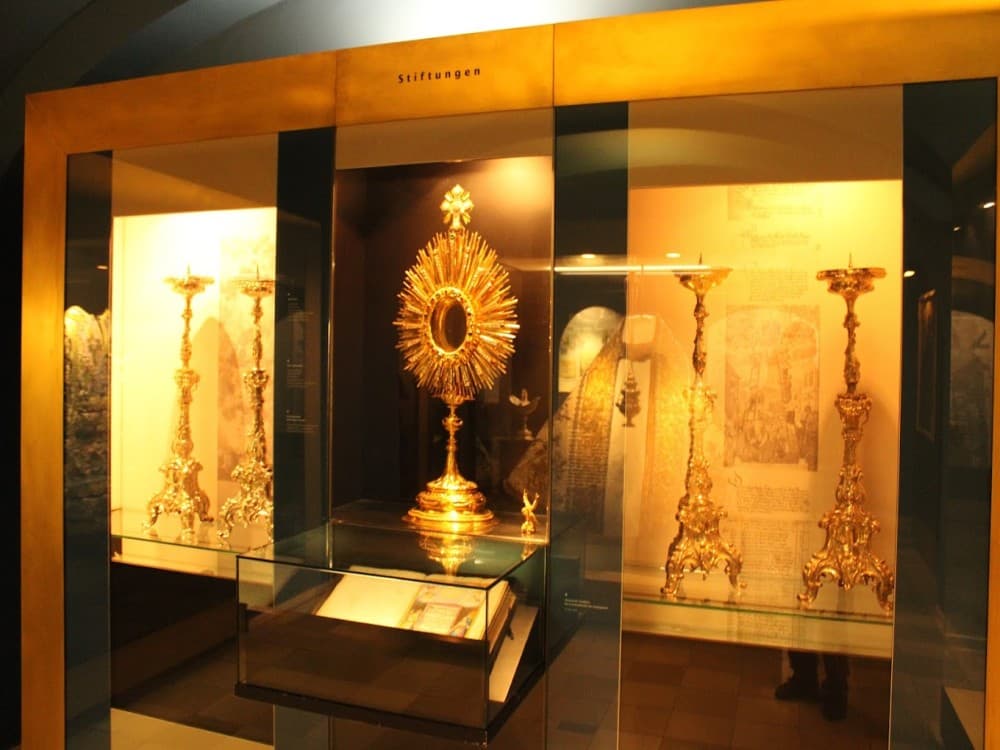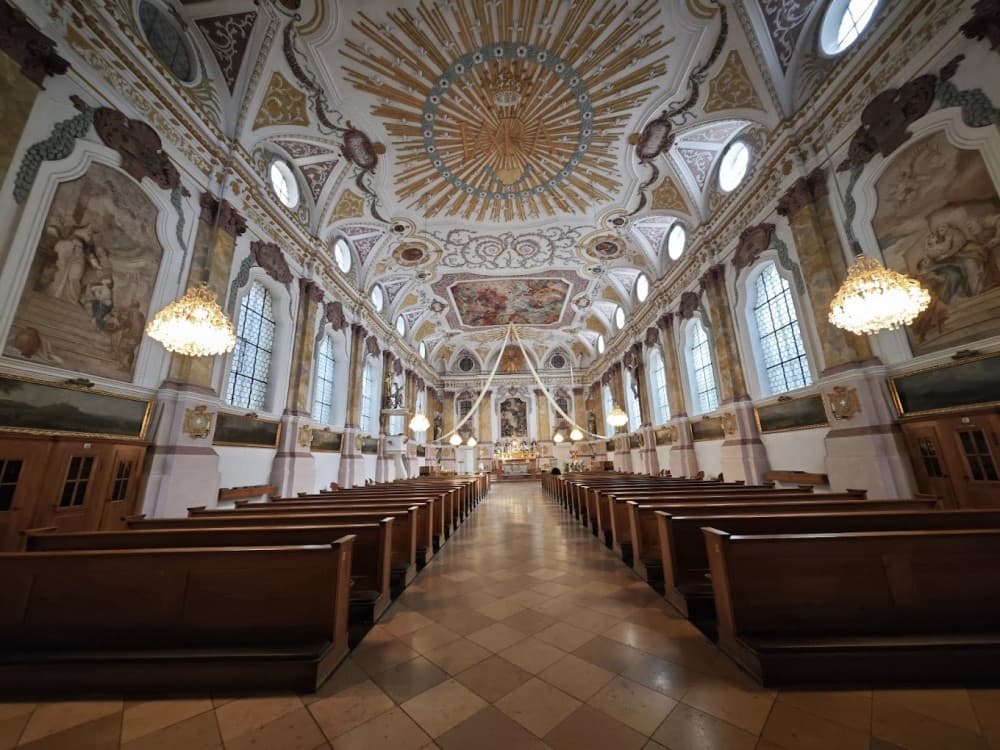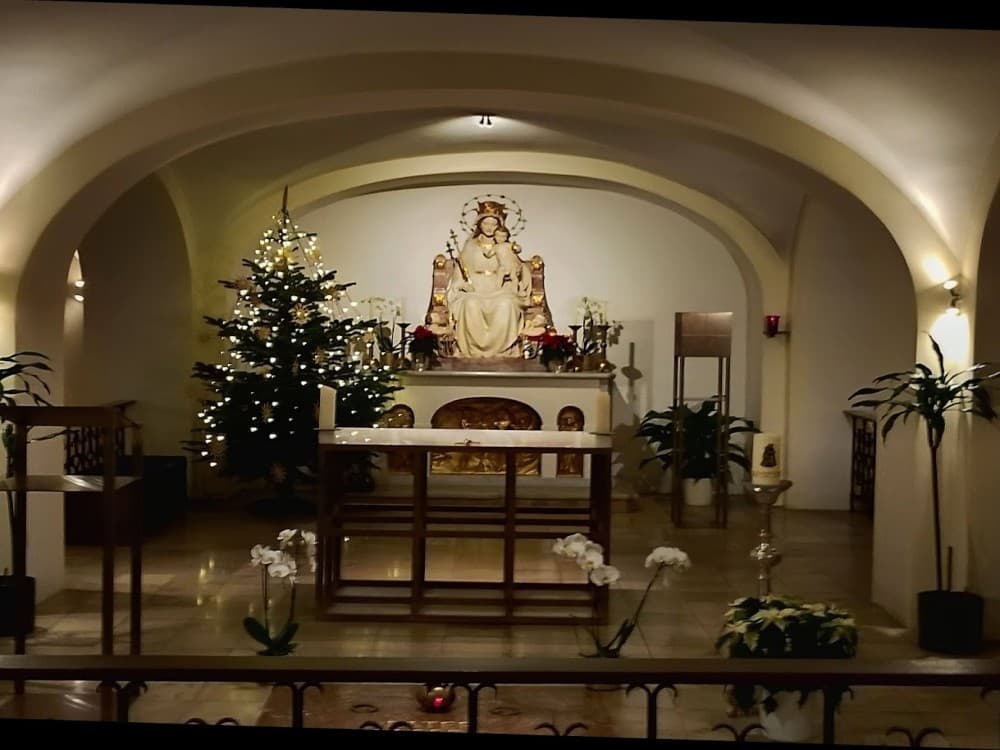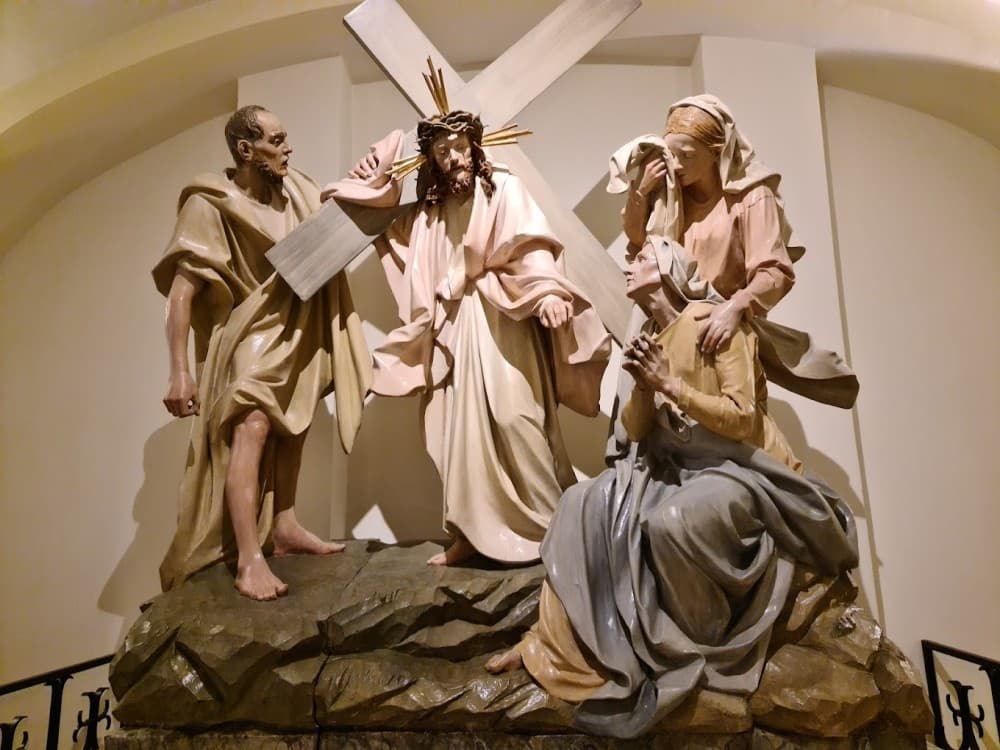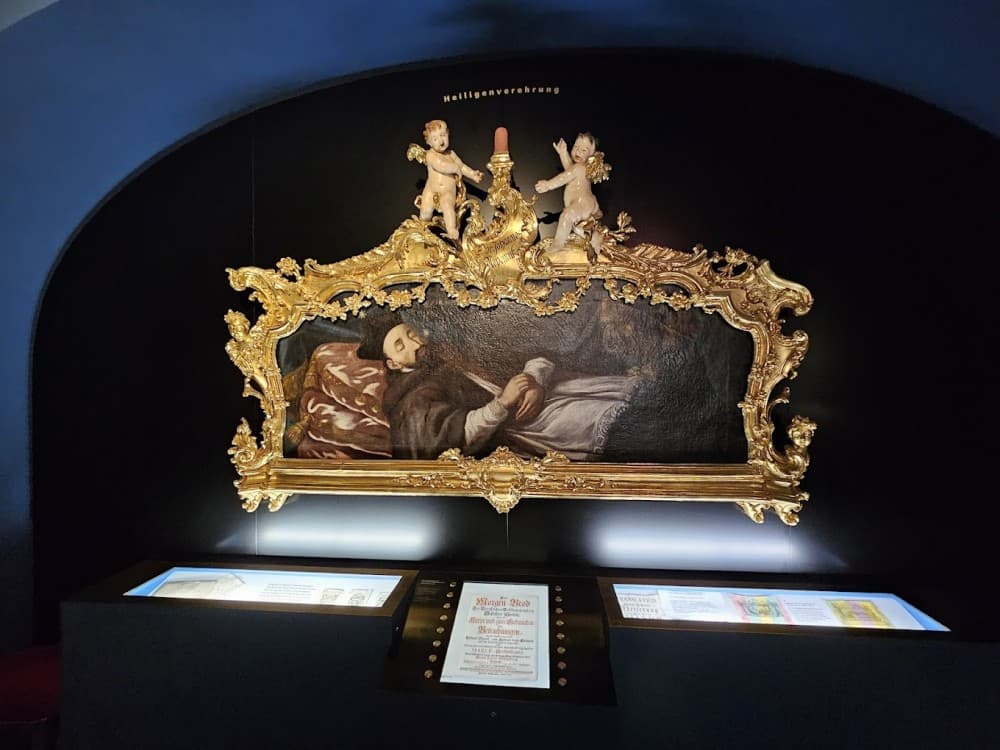
The Bürgersaalkirche, or Citizen’s Hall Church, is a unique architectural gem tucked away in Munich’s busy shopping district. Built in 1710, it was originally intended as a meeting hall for a men's congregation rather than a traditional church. Its striking red and white Baroque facade acts as a gateway to two very different experiences. The upper church is a breathtaking, light-filled hall restored to its 18th-century glory, featuring delicate frescoes and a grand altar relief. In contrast, the lower church serves as a solemn, crypt-like sanctuary. This lower level is a site of pilgrimage, housing the tomb and a dedicated museum for Father Rupert Mayer, a courageous Jesuit priest and anti-Nazi resistance figure. It is a place where history, art, and quiet bravery meet, offering a peaceful retreat from the surrounding city bustle.
Es gibt noch keine Touren in Burgersaalkirche.
The Bürgersaalkirche is conveniently located at Neuhauser Strasse 14, right in the heart of the pedestrian zone. As of early 2026, the church and the museum are open daily, typically from 10:00 to 17:00, with Sunday hours often beginning earlier at 09:00 for worshipers. One of the best aspects for holidaymakers is that admission to both the church and the museum is completely free, making it an ideal cultural stop for those on a budget. While entry is free, the church relies on donations for its ongoing preservation. It remains an active religious site, hosting regular services in multiple languages, including English and Italian, so visitors should check the daily schedule near the entrance to ensure their visit does not coincide with a private liturgy.
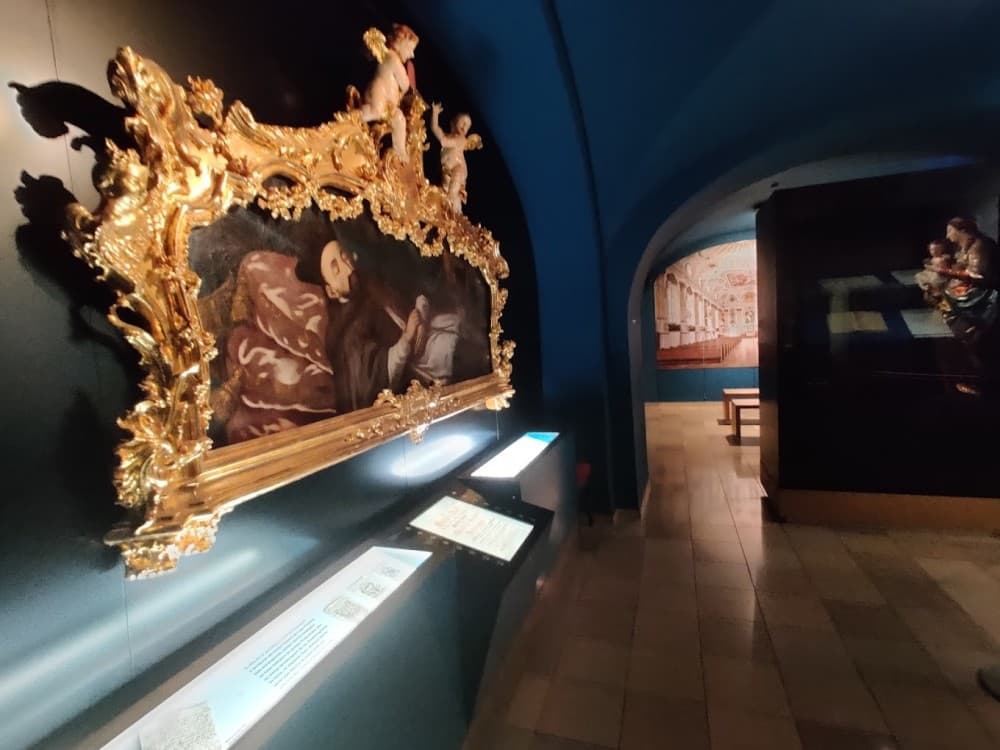
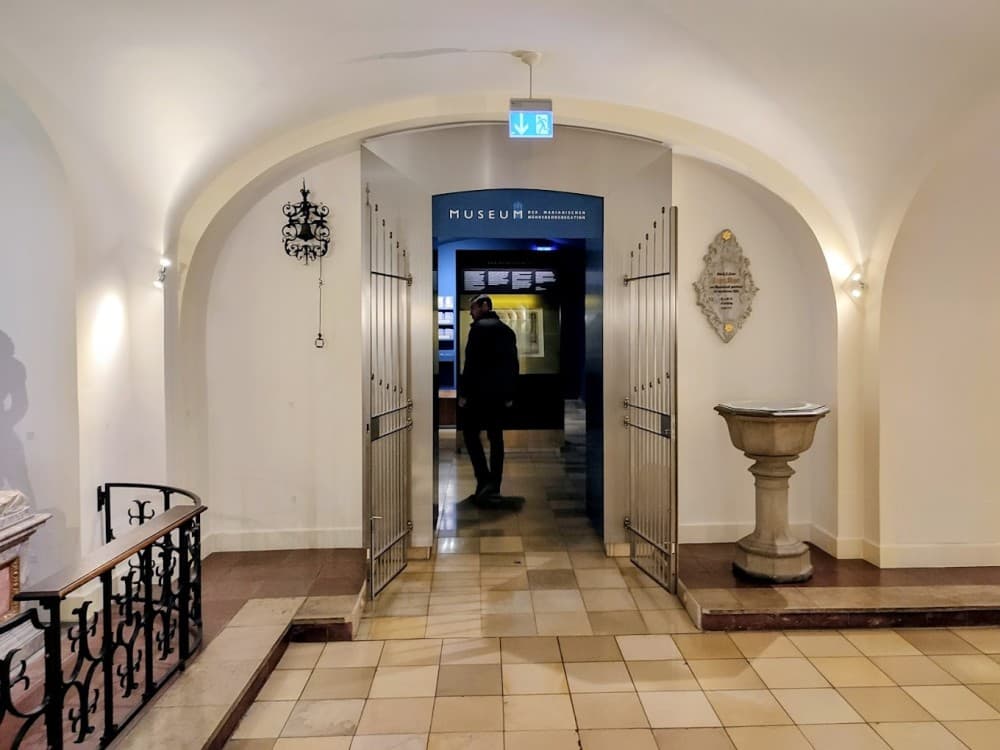
Before stepping inside, take a moment to admire the exterior statue of the Madonna and Child above the main door. Once inside, remember that the building is split into two distinct levels. The lower church is quite dim and intended for prayer and reflection; it is here you will find the museum dedicated to Father Rupert Mayer. The museum displays personal items such as his typewriter and prosthetic leg, which he used after being injured in World War I. Because this is a revered pilgrimage site, a high level of silence is expected, especially in the lower sanctuary. Photography for personal use is permitted but should be done discreetly without a flash. There are no lockers on-site, but since the church is small, most visitors find it easy to navigate with light bags.
Reaching the Bürgersaalkirche is incredibly simple because it sits on the main artery of Munich's city center. It is located almost exactly halfway between the two major transport hubs: Marienplatz and Karlsplatz (Stachus). You can take any S-Bahn line (S1-S8) or the U-Bahn lines U4 and U5 to Karlsplatz, then walk five minutes east into the pedestrian zone. Alternatively, take the U3 or U6 to Marienplatz and walk five minutes west. If you are traveling by tram, lines 16, 17, 18, 19, or 27 all stop at Karlsplatz. Since the church is in a strictly car-free zone, driving is not recommended. If you must drive, the best option is to park in one of the central parking garages near the Stachus and complete the short journey on foot.
To experience the true tranquility of this "secret" church, try visiting on a weekday morning around 10:00, just as it opens. During the middle of the day, Neuhauser Strasse can become very crowded with shoppers, and many people duck into the church for a quick break, making it busier. Late afternoon is also a wonderful time to visit, especially for the upper church, as the light can be quite dramatic against the white-washed walls. If you wish to attend a service, Sunday afternoon often features an international Mass. Avoid visiting on major Catholic holidays if you want to tour the museum, as the building may be reserved for religious ceremonies. For photographers, the "blue hour" in the evening makes the red facade pop against the city lights.