Hiroshima: Fudo-in Temple | ®ExcursionMania
Hiroshima

Fudo-in Temple

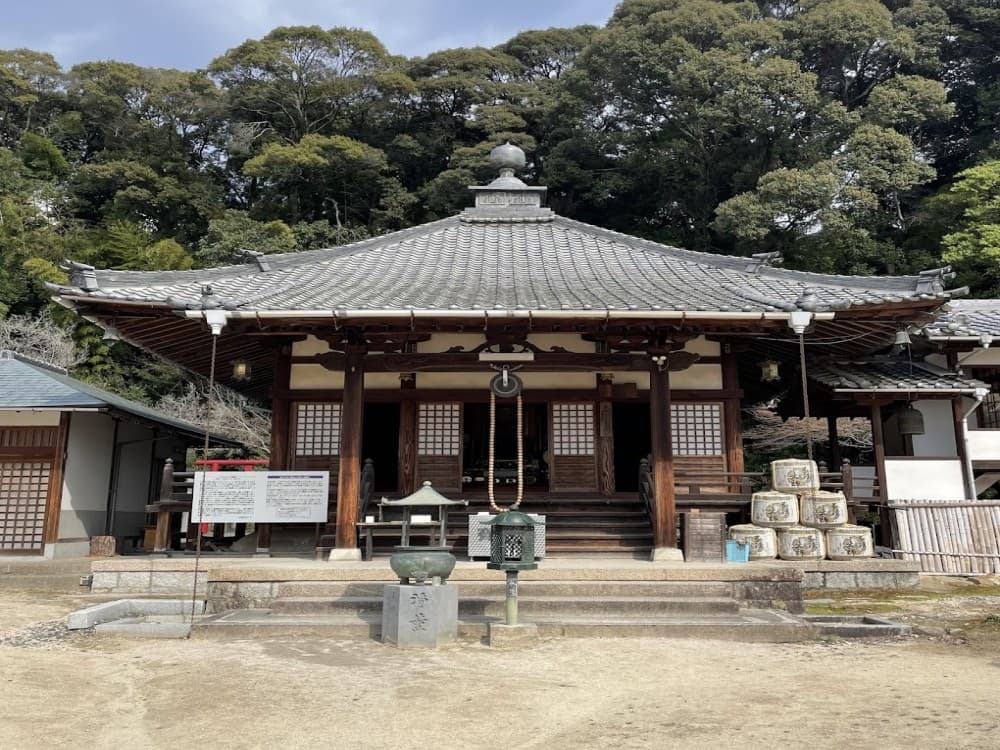
Fudo-in Temple is a peaceful Buddhist temple located in the northeastern part of Hiroshima. It is one of the few historic structures that survived the atomic bombing in 1945, making it a rare architectural treasure in the city. The highlight of Fudo-in is its Golden Hall, built in 1540, which today stands as Hiroshima City’s only designated National Treasure. Surrounded by trees, stone lanterns, and statues, the temple offers a quiet escape from the modern atmosphere of Hiroshima.

Fudo-in Temple Touren und Tickets

Es gibt noch keine Touren in Fudo-in Temple.

Alles über Fudo-in Temple

Was Sie erwartet

The temple is in Higashi Ward, around 15–20 minutes from Hiroshima city center. Entry to the temple grounds is free. The buildings you see, including the Golden Hall and the two-storey gate with guardian statues, represent classical Buddhist architecture. As an active religious site, you may see locals praying or attending ceremonies. Visitors mainly come for sightseeing, calm surroundings, and cultural photography.

Warum diese Tour buchen

The interior of some halls is not open to visitors to protect historic materials, so the visit focuses on appreciating the outside buildings and atmosphere. Shoes suitable for walking are recommended, as some paths are stone or gravel. There are no cafés or souvenir shops inside, so you may want to bring a drink or snack. Always remain quiet around worshippers, and avoid taking photographs where signs request silence or respect.

Die richtige Tour auswählen

The easiest route is via the Astram Line, Hiroshima’s local light-rail system. Take the Astram Line from Hondori or central Hiroshima and get off at Fudoin-mae Station. From there it is a short two-to-five-minute walk. From Hiroshima Station, take a short local train or bus and transfer to the Astram Line if needed. Taxis are also available and take around ten minutes from the city center.

Wissenswertes vor der Abreise

You can visit year-round, and the temple grounds are usually accessible from early morning. Autumn is especially popular because the maple trees surrounding the temple turn bright red and orange. If you prefer fewer visitors, consider arriving in the morning or near closing time. Spring with cherry blossoms is also a beautiful season, while summer can be warm and humid.