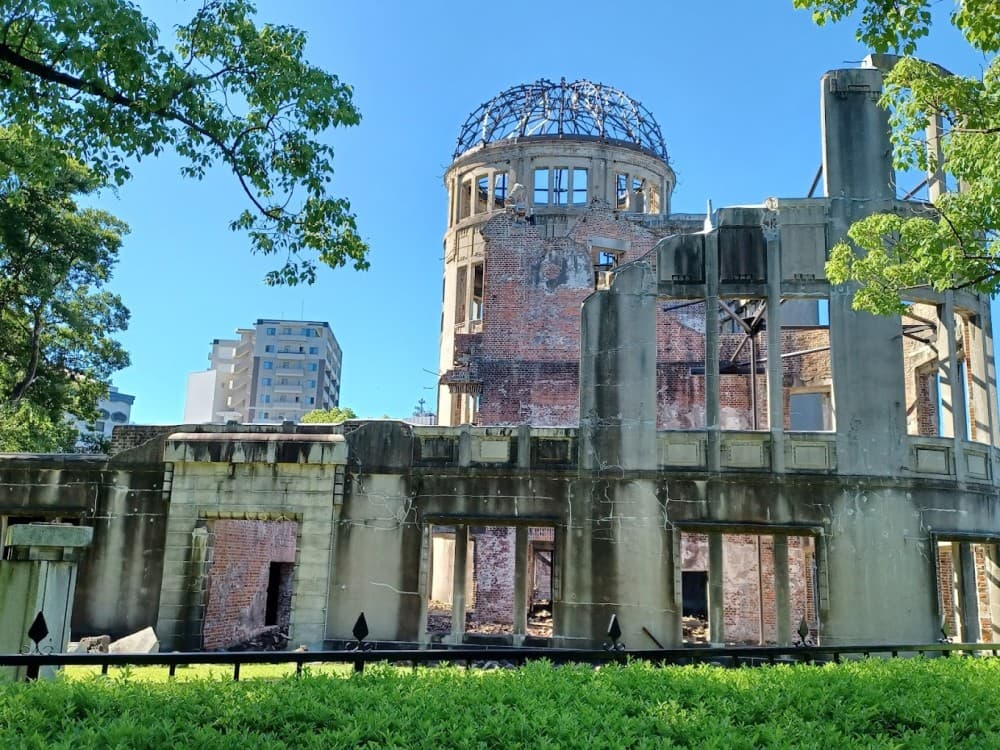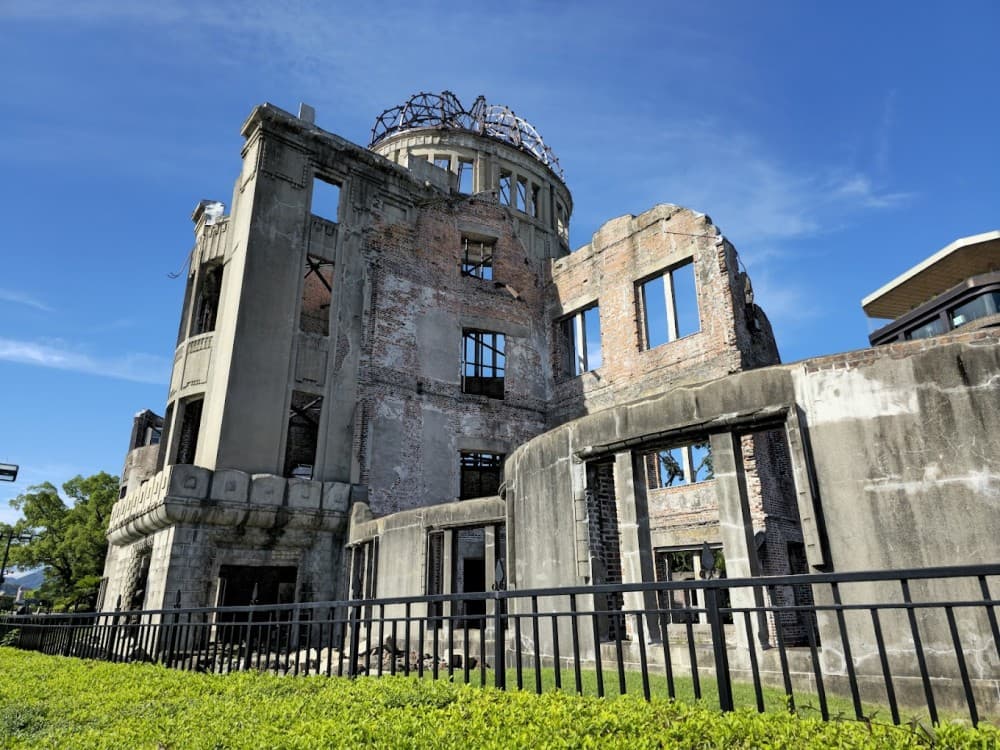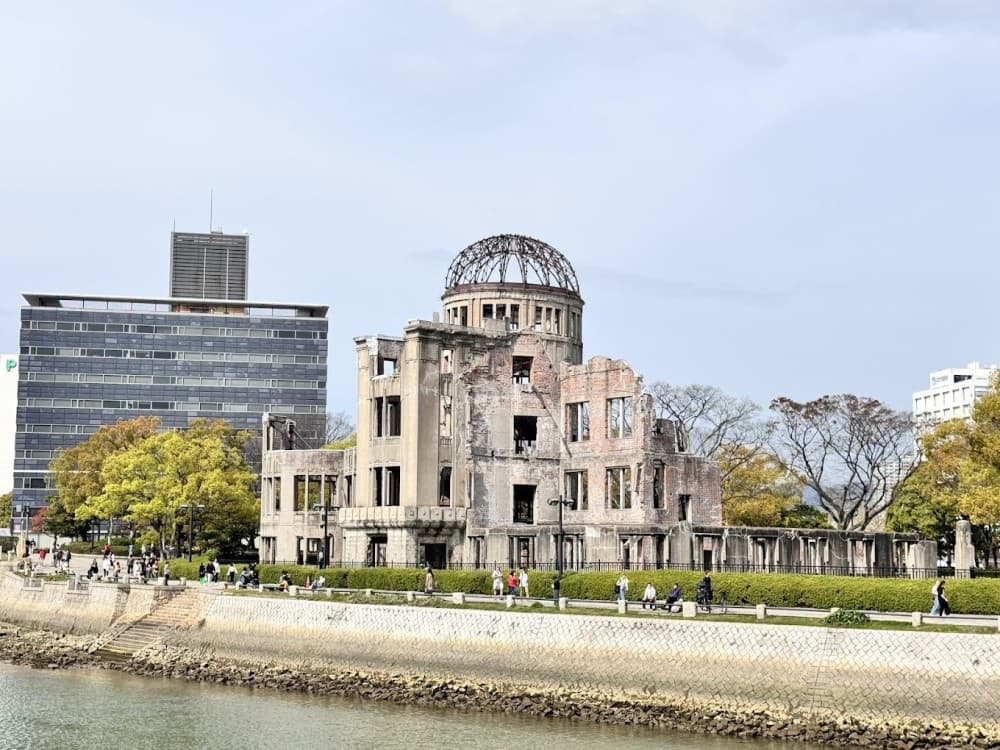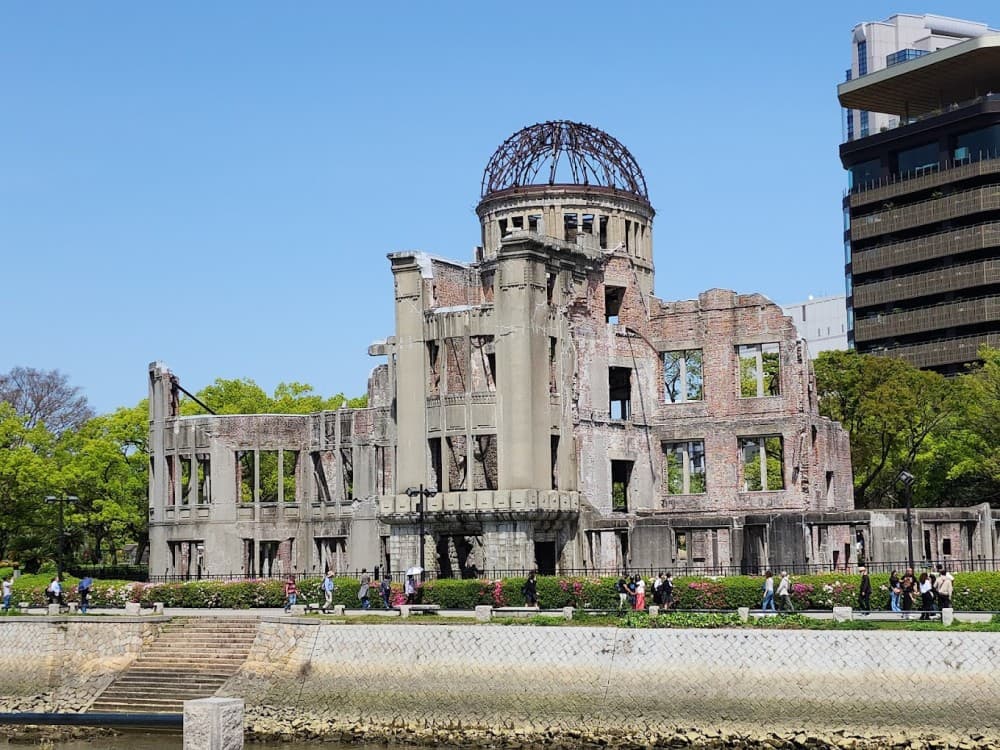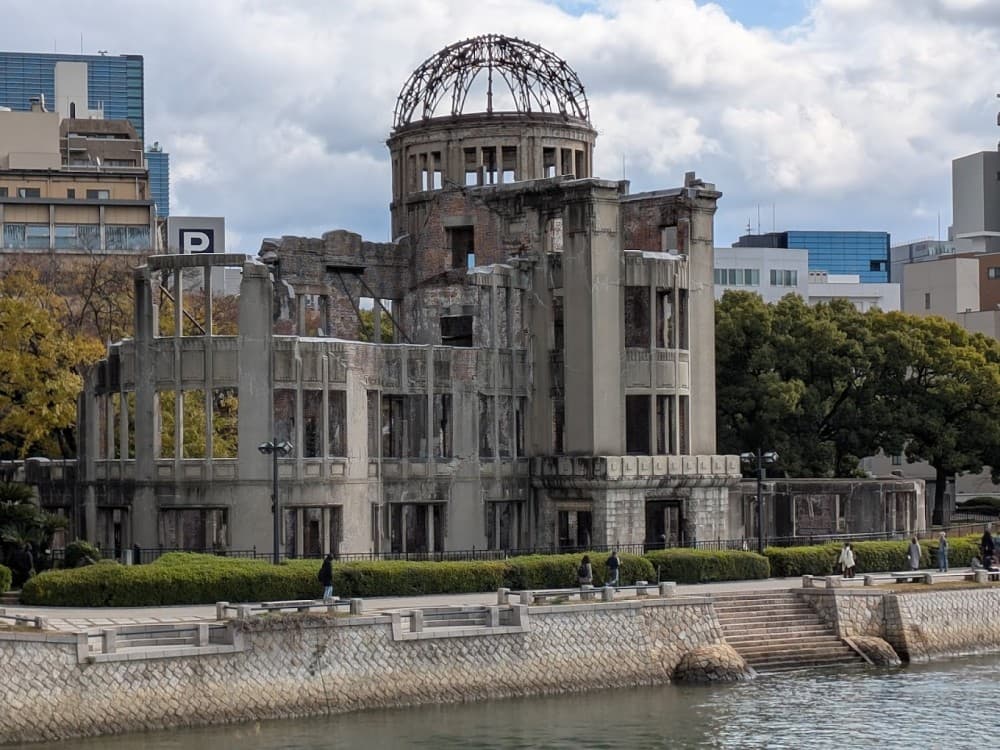
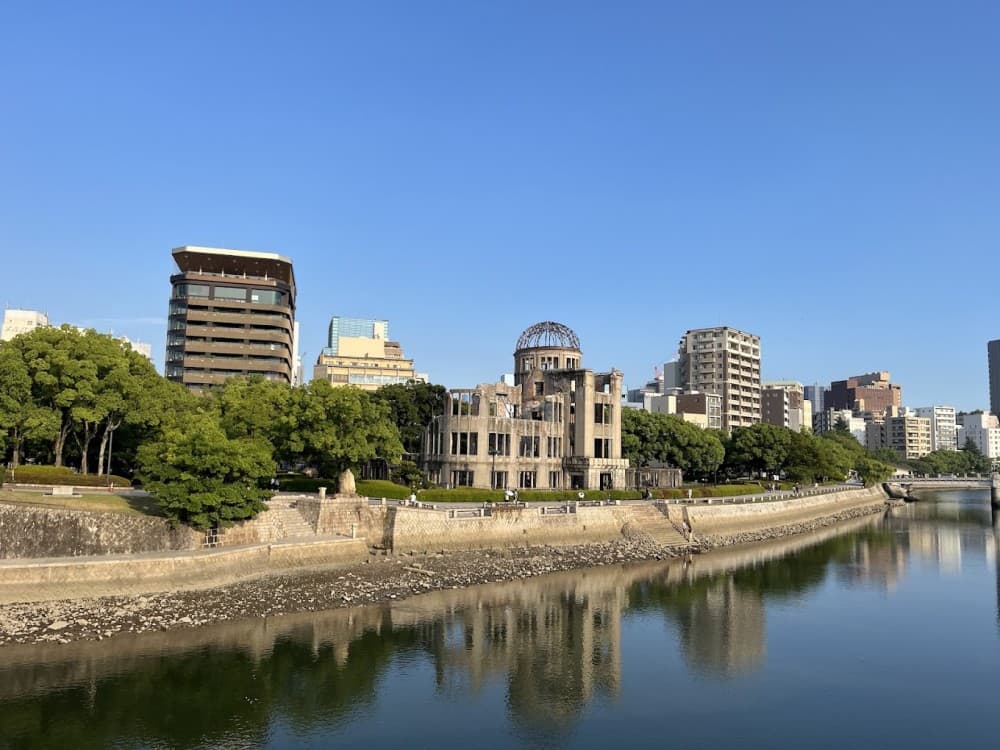
The Atomic Bomb Dome is one of Hiroshima’s most powerful and symbolic landmarks. Standing exactly where the atomic bomb exploded nearby on August 6, 1945, the partially destroyed building was preserved as a reminder of the devastation caused by nuclear weapons. Today, it remains as it was left after the blast, offering visitors a quiet but deeply moving experience. Located beside the Motoyasu River in the heart of the city, the Dome is part of the Hiroshima Peace Memorial Park and is a key stop for travelers wanting to understand Hiroshima’s history during their holiday.
Es gibt noch keine Touren in Atomic Bomb Dome.
The Atomic Bomb Dome is a UNESCO World Heritage Site and can be viewed freely from the outside at any time. There is no entrance to the interior, as the structure is preserved in its damaged state for safety and historical reasons. Informational panels nearby explain the building’s original purpose and its survival after the bombing. The site is open-air, well maintained, and easily accessible on foot. It is suitable for all ages and requires no ticket.
The Dome is a place of remembrance, so respectful behavior is expected. While photography is allowed, visitors are encouraged to be mindful of the site’s significance. The area can become crowded during peak hours, especially with tour groups. There is little shade nearby, so sun protection is recommended in warmer months. Visiting at night offers a quieter atmosphere, with soft lighting highlighting the structure.
The Atomic Bomb Dome is centrally located and very easy to reach from anywhere in Hiroshima. From Hiroshima Station, several tram lines stop within a short walking distance of the site. Walking from central Hiroshima neighborhoods is also convenient. Clear signage in English makes navigation simple, and the surrounding area is flat and pedestrian friendly.
The site can be visited at any time of day or night. Early morning and evening are the calmest times, ideal for reflection and photography. Midday tends to be busier, especially on weekends and during spring and summer. August is particularly crowded due to memorial events. Visiting outside peak hours provides a more peaceful experience.