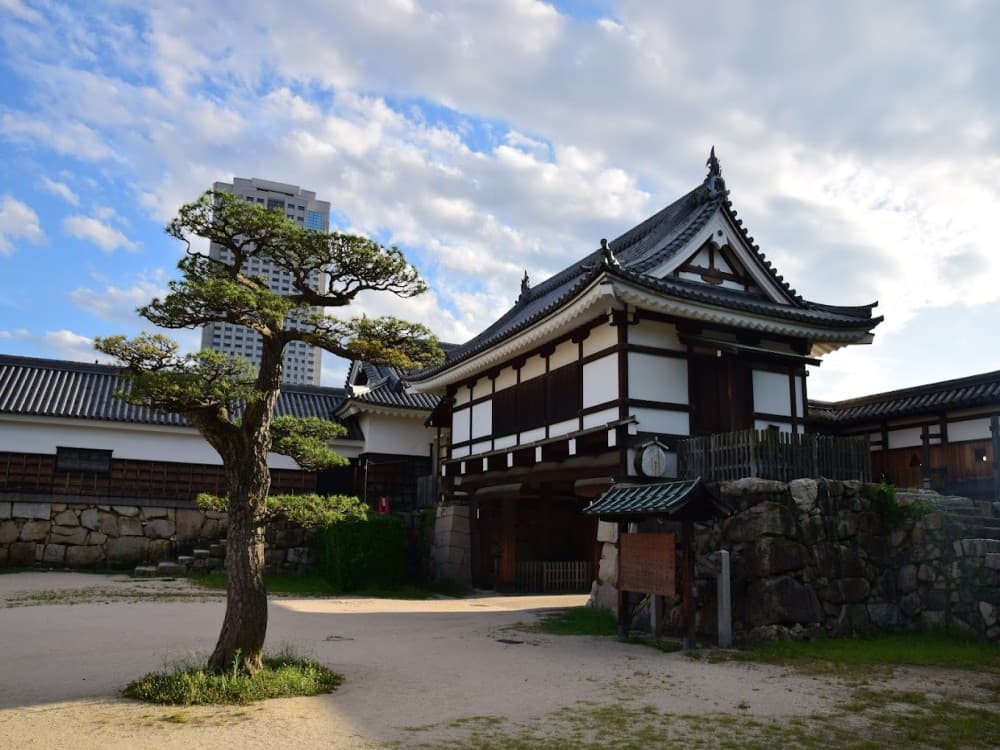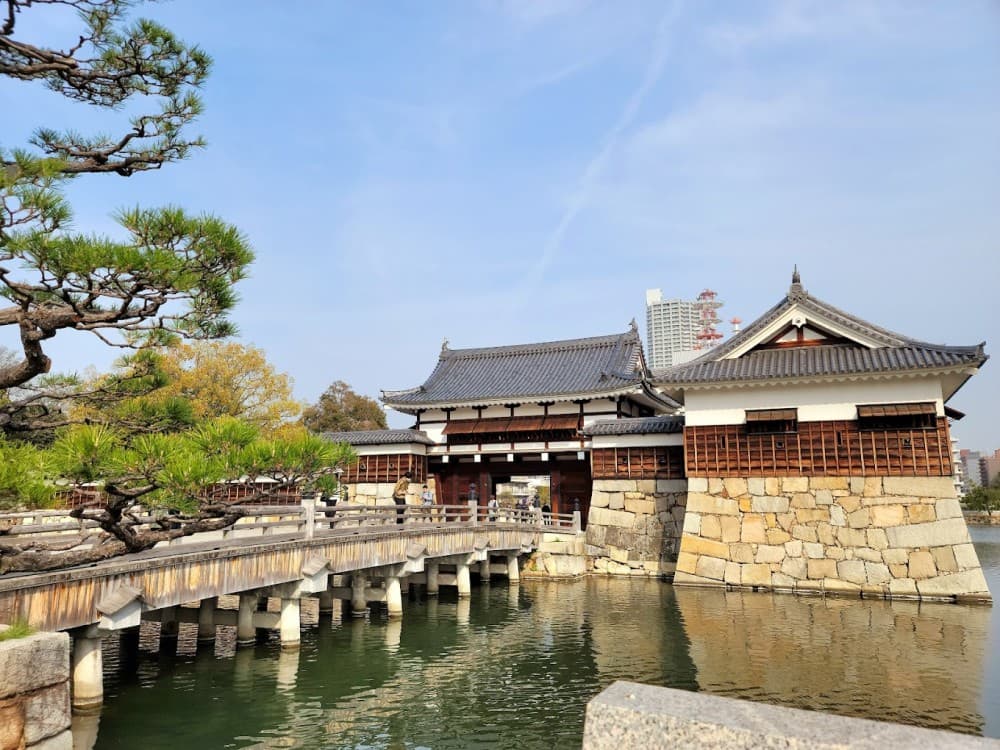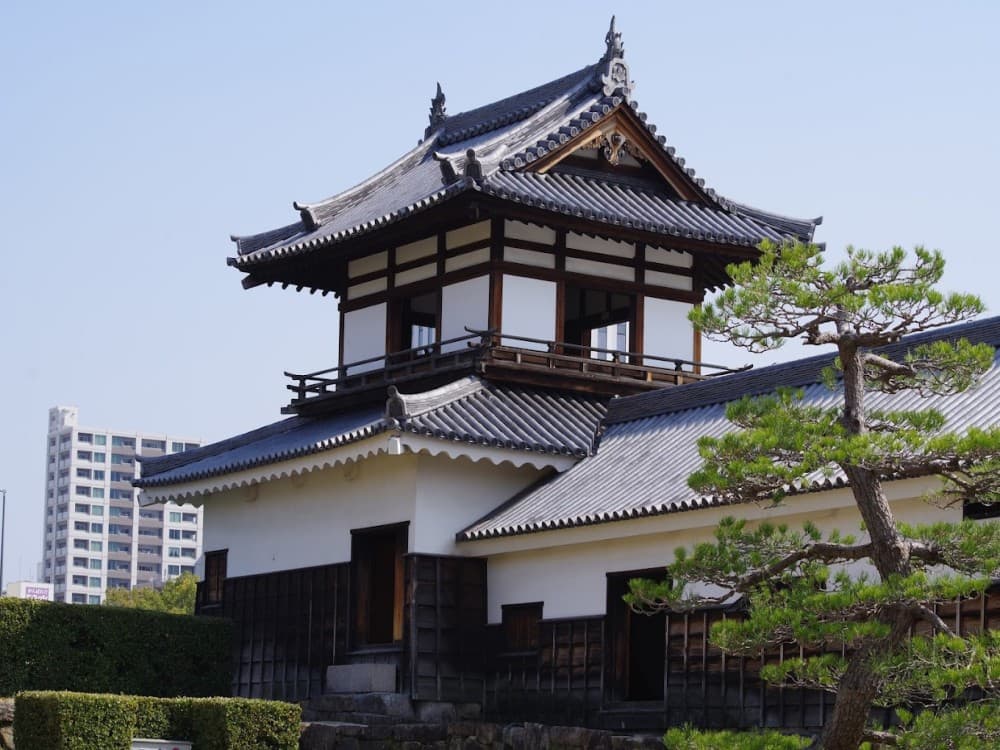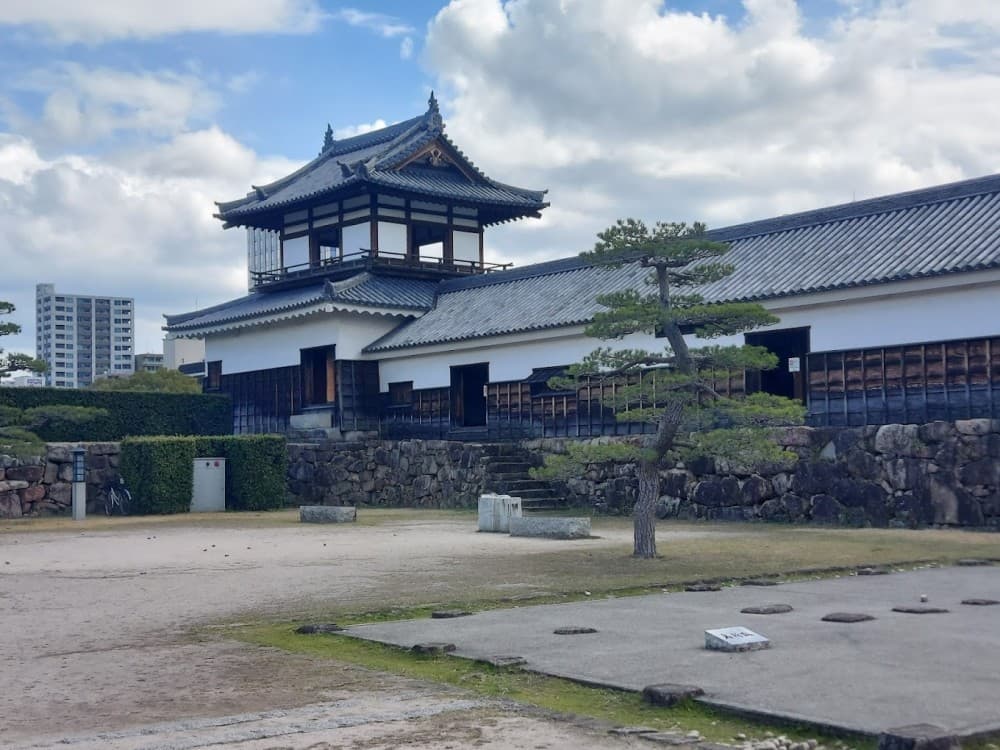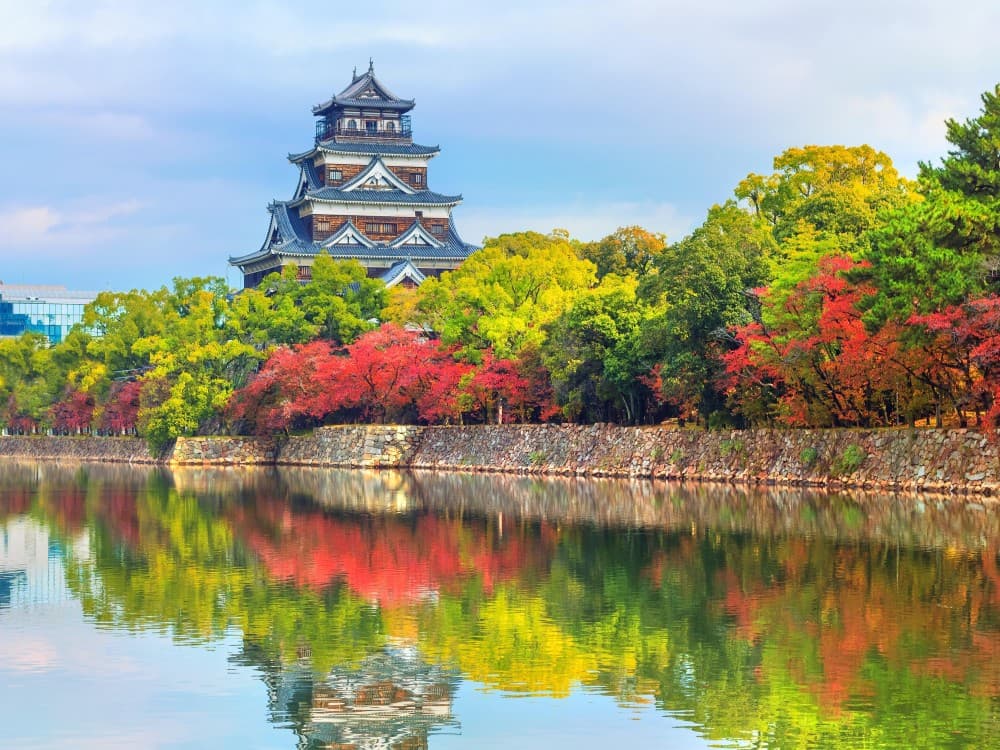
Hiroshima Castle is a reconstructed feudal-era castle located in the city center, offering visitors a glimpse into Hiroshima’s samurai past. Originally built in the late 16th century, the castle was destroyed by the atomic bombing in 1945 and later rebuilt using traditional design. Surrounded by a wide moat and green parkland, the black exterior and wooden details create a striking contrast with the modern city skyline. For travelers on holiday in Hiroshima, the castle provides a cultural stop that balances history, architecture, and open space.
Es gibt noch keine Touren in Hiroshima Castle.
The main castle keep functions as a museum focusing on Hiroshima’s history before World War II and the role of samurai culture. Exhibits include armor, swords, maps, and historical explanations in English and Japanese. An elevator takes visitors most of the way up, while the top floor offers panoramic views of the city. The castle grounds are free to enter, but there is an admission fee for the museum inside the keep. The surrounding park is popular for walks and seasonal events.
Allow about 60 to 90 minutes if you plan to explore both the museum and the grounds. The top observation deck is outdoors, so weather conditions can affect visibility. Comfortable shoes are recommended, as you may walk around the moat and park area. During spring, the grounds are crowded due to cherry blossoms. The museum closes earlier than the park, so visiting the interior earlier in the day is advised.
Hiroshima Castle is centrally located and easy to reach from most parts of the city. From Hiroshima Station, trams heading toward the city center stop within walking distance of the castle grounds. Walking from downtown hotels or Peace Memorial Park is also convenient. The area around the castle is flat and well signposted, making navigation simple for visitors.
The castle grounds are open daily, while museum hours vary slightly by season. Morning visits are ideal for fewer crowds and cooler temperatures. Spring and autumn offer the most pleasant weather for walking. Summer afternoons can be hot, while winter visits are quieter. Cherry blossom season is the busiest period, especially on weekends.