Kyoto: Sanjusangendo Temple | ®ExcursionMania
Kyoto

Sanjusangendo Temple

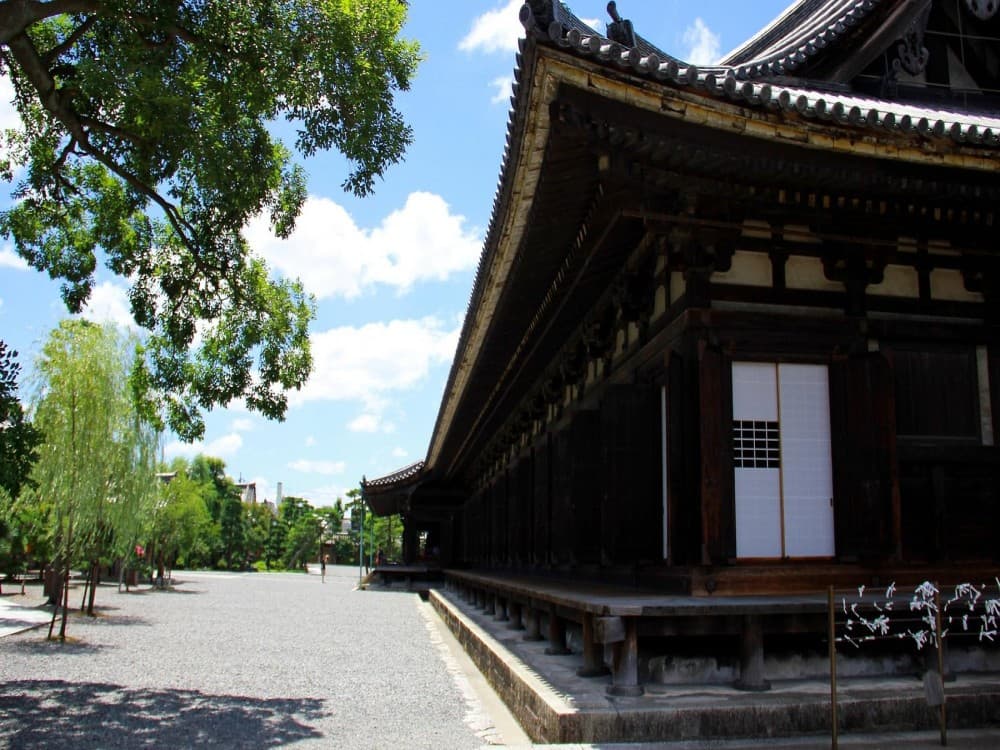
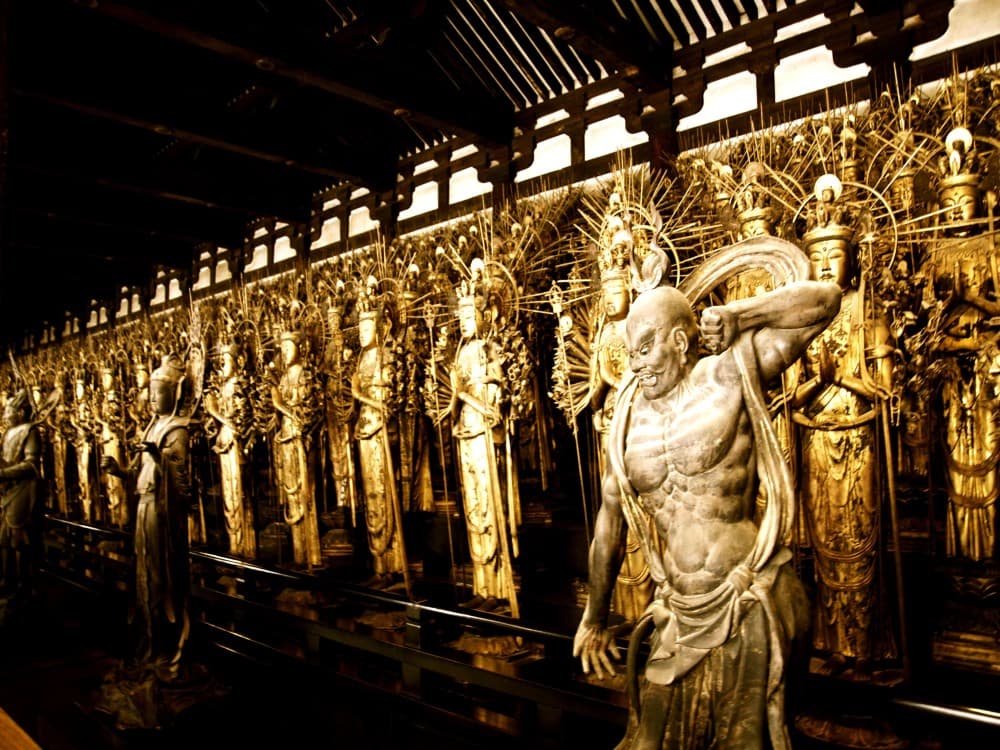
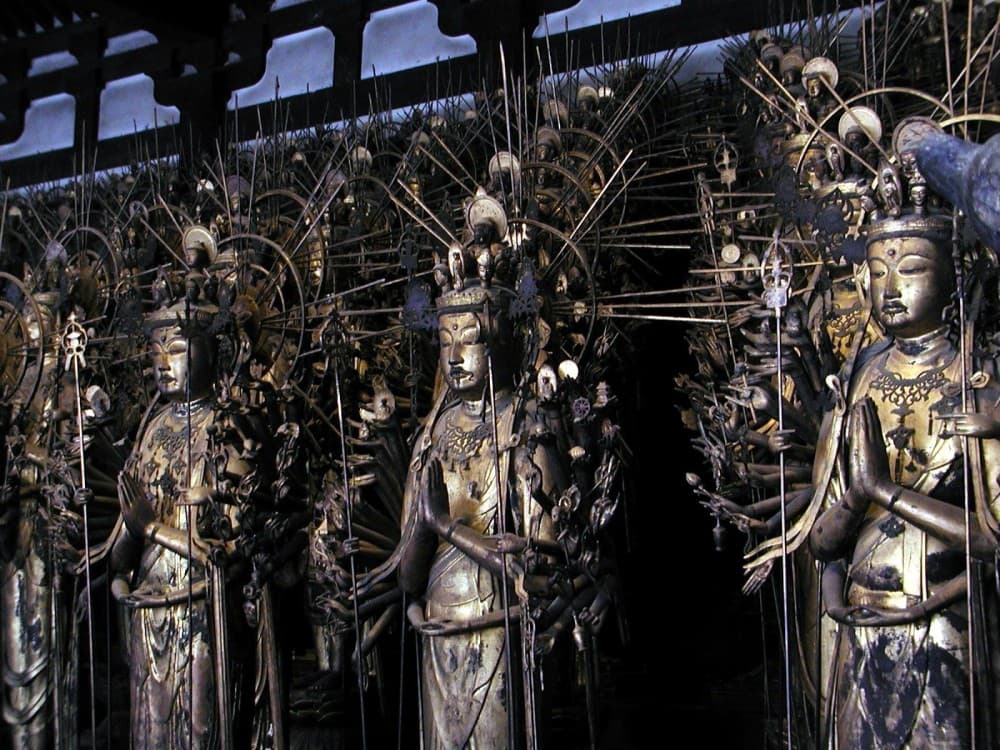
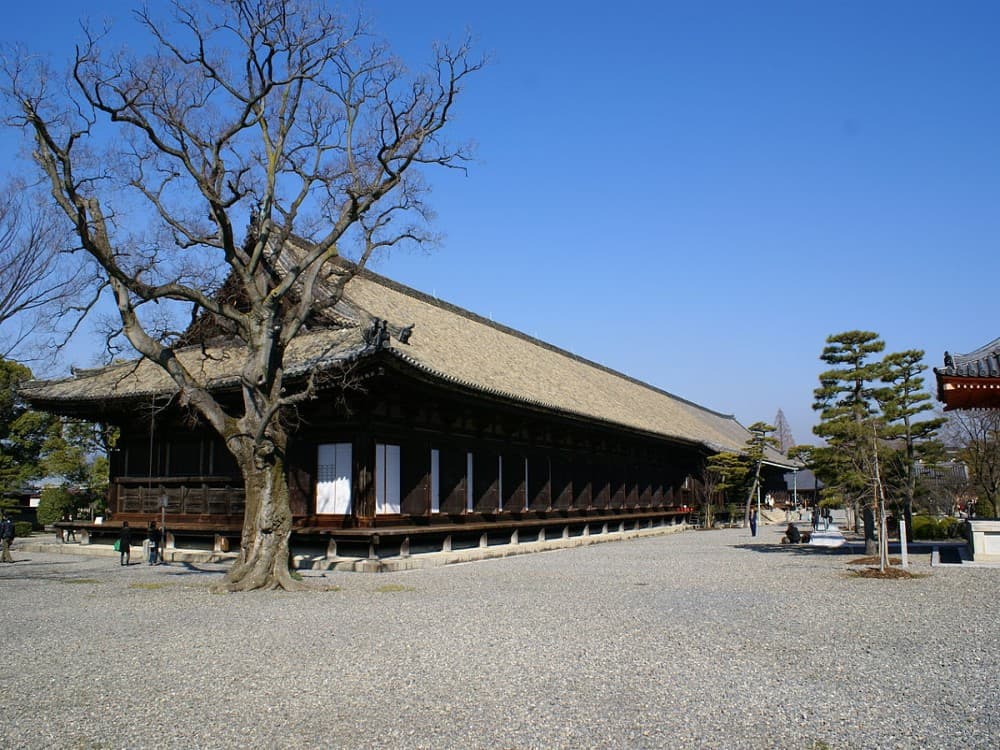
Sanjusangendo Temple is one of Kyoto’s most impressive and serene Buddhist sites, famous for its long wooden hall housing 1,001 statues of Kannon, the goddess of mercy. The statues are arranged in rows that seem to stretch endlessly, creating a powerful and unforgettable atmosphere. The hall itself is the longest wooden structure in Japan and dates back to the 12th century. Visiting Sanjusangendo offers a quiet, contemplative experience that contrasts beautifully with Kyoto’s busier temples.
Sanjusangendo Temple Touren und Tickets

Es gibt noch keine Touren in Sanjusangendo Temple.

Alles über Sanjusangendo Temple

Was Sie erwartet

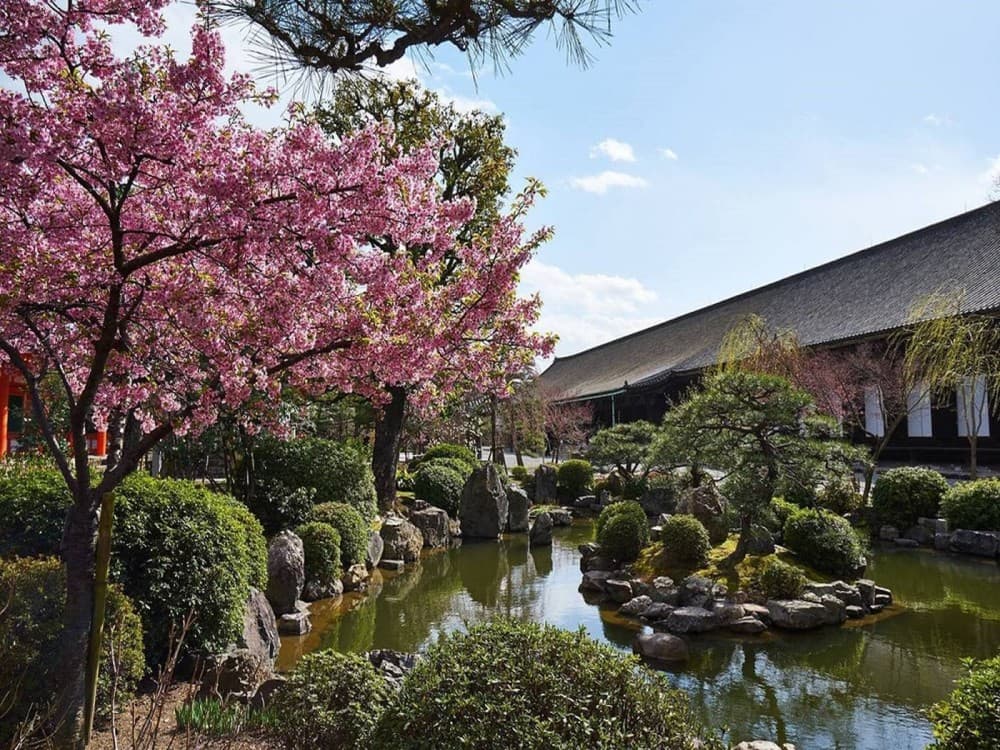
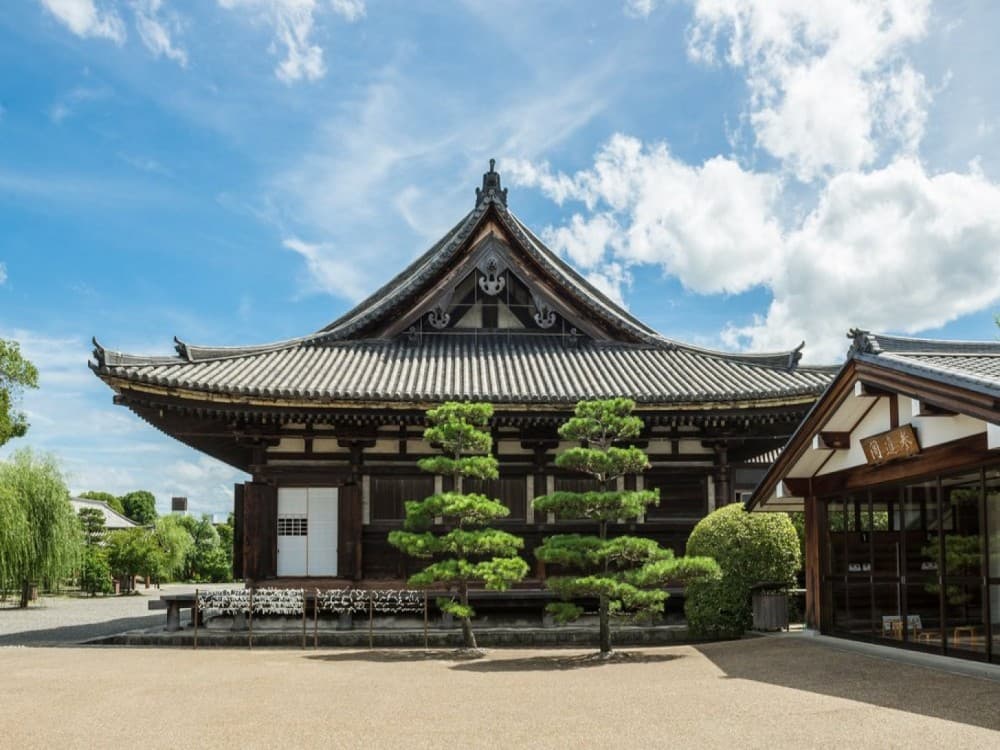
Sanjusangendo is officially known as Rengeo-in and is located in eastern Kyoto. An entrance fee is required, and the visit usually takes about 30 to 45 minutes. Photography inside the hall is not permitted, which helps preserve the calm and sacred atmosphere. The temple grounds also include statues of guardian deities and a small garden area. Information boards in English are available to help visitors understand the site’s history and significance.

Warum diese Tour buchen

Be prepared for a quiet and respectful visit, as this is an active place of worship. Shoes must be removed before entering the main hall, so wearing easy-to-remove footwear is recommended. Large bags may need to be stored. Photography is strictly prohibited inside, but allowed outside. The temple is mostly indoors, making it a good choice in rainy or hot weather.

Die richtige Tour auswählen

From Kyoto Station, Sanjusangendo is easily reached by bus or on foot. City buses stop nearby, and the walk from Kyoto Station takes about 20 minutes. You can also take the Keihan Line to Shichijo Station, followed by a short walk. Taxis are convenient and inexpensive due to the central location.

Wissenswertes vor der Abreise

Morning visits are ideal for a quieter experience, especially on weekdays. The temple is open year-round, but winter mornings can be chilly inside the hall. Spring and autumn are comfortable seasons for visiting, though the indoor nature of the site makes it enjoyable in any weather.