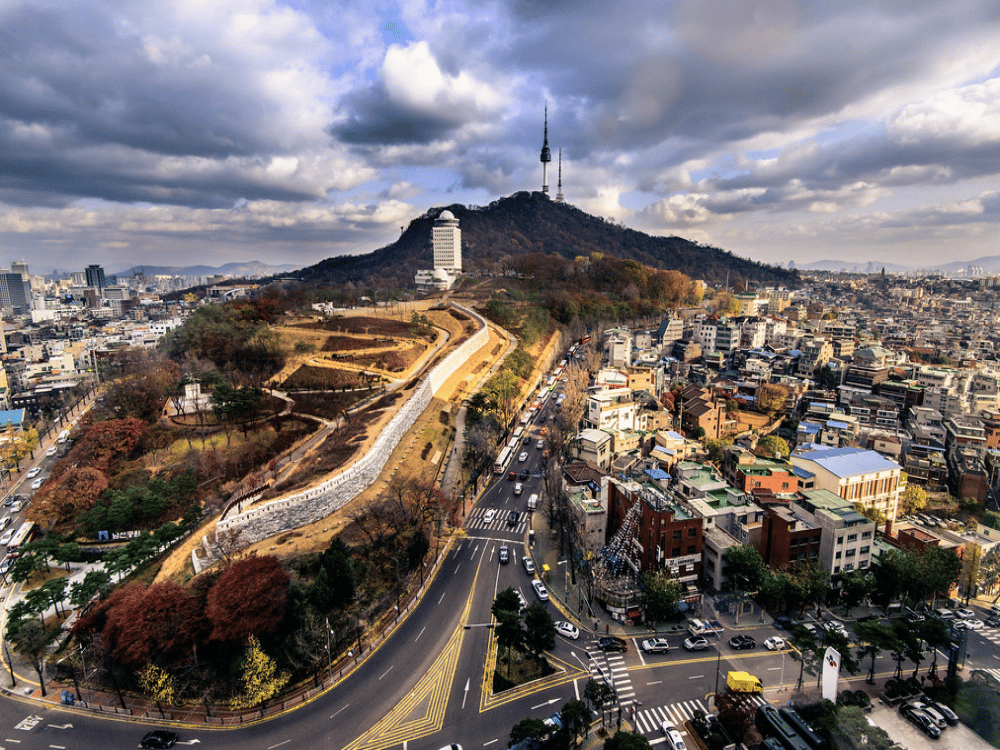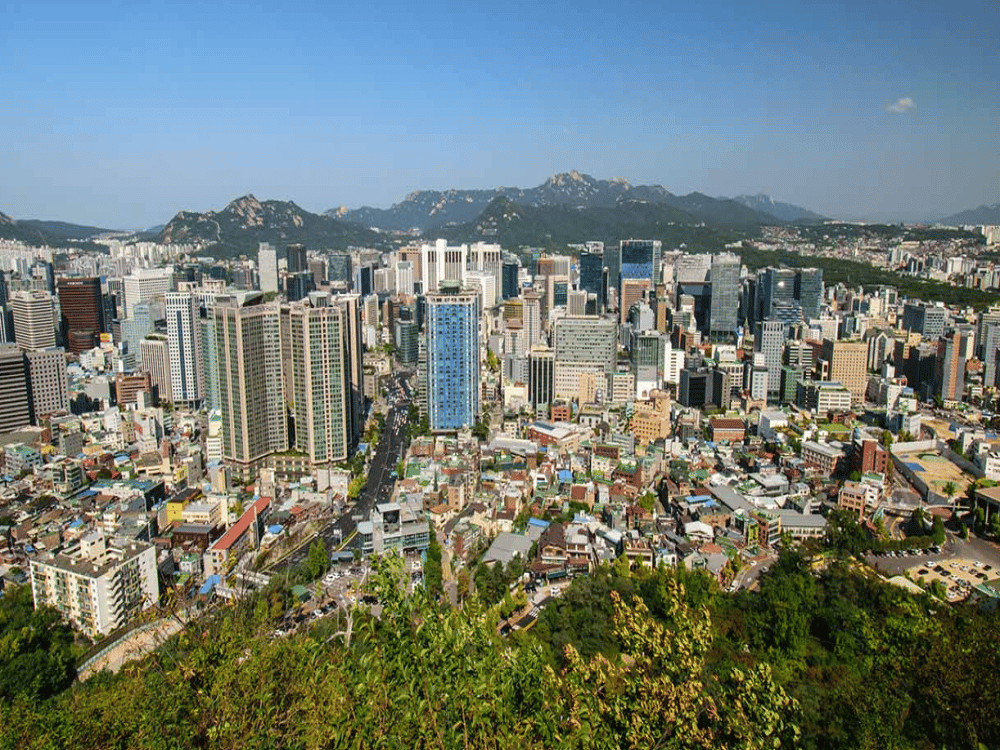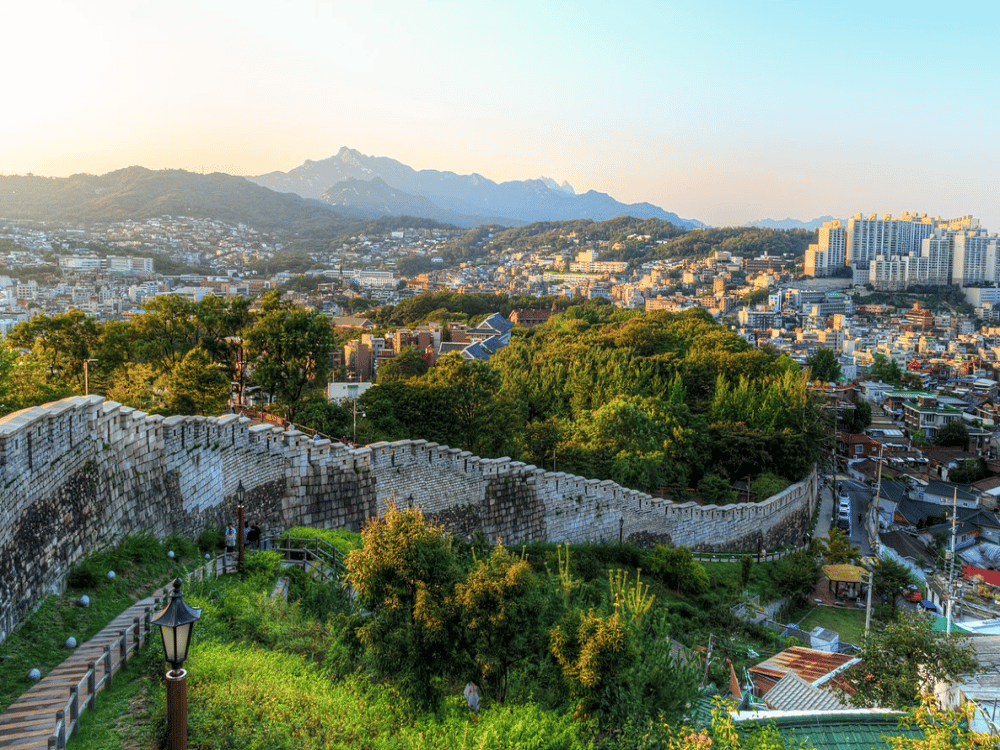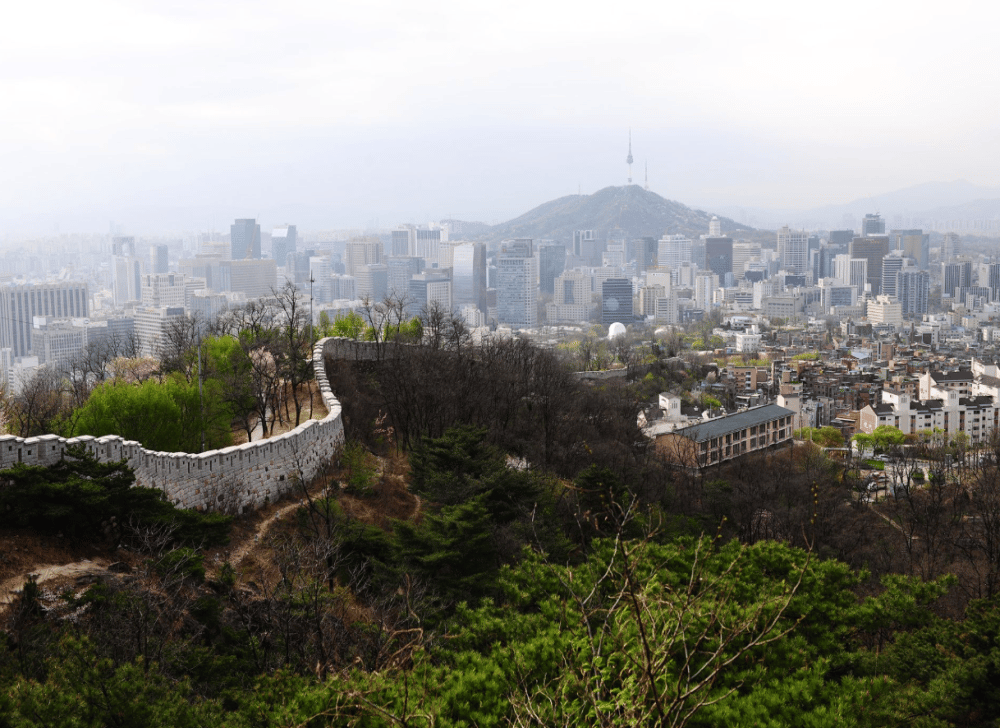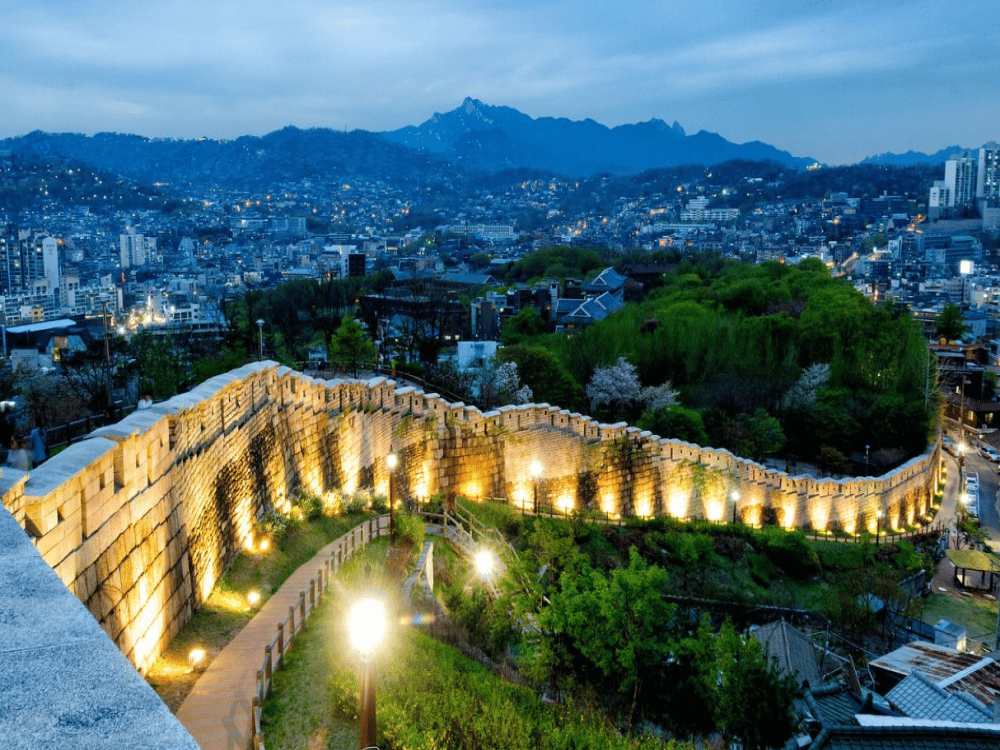
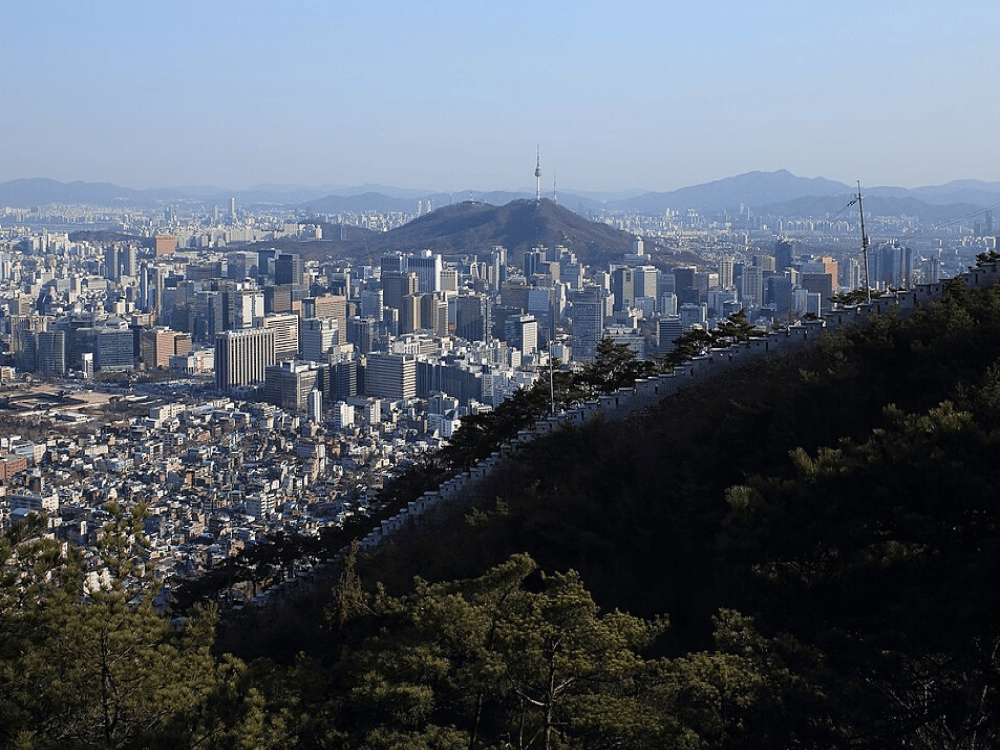
The Seoul City Wall, also called Hanyangdoseong, is a historic fortress that once protected the capital during the Joseon Dynasty. Stretching over 18 kilometers across Seoul’s mountains and urban neighborhoods, it offers a rare glimpse into Korea’s past while blending with the modern cityscape. Walking along its stone pathways, visitors can enjoy panoramic views of Seoul, explore ancient gates, and discover small cultural sites tucked along the wall. The Wall showcases Korea’s traditional architecture, military design, and urban planning, making it a fascinating spot for both history lovers and casual travelers seeking scenic strolls.
Es gibt noch keine Touren in Seoul City Wall.
Built in 1396, the Seoul City Wall was originally intended to defend Hanyang (modern-day Seoul). Today, sections have been carefully restored, offering accessible walking trails that connect major city landmarks. Key gates such as Sungnyemun (Namdaemun), Heunginjimun (Dongdaemun), and Sukjeongmun highlight the Wall’s historical significance. The Wall is free to explore in most sections, though some trails may have entrance fees or guided tour options. Comfortable walking shoes are recommended, as some paths are steep or uneven.
Visitors should prepare for varied terrain, as some parts climb Seoul’s hilly landscape. Sun protection and water are advisable, especially in summer. The Wall is less crowded early in the morning or on weekdays. Photography enthusiasts will enjoy capturing city views contrasting with historic stone structures. Seasonal changes dramatically alter the scenery: cherry blossoms in spring, lush greenery in summer, vibrant foliage in fall, and snow-covered trails in winter. While most areas are safe, some parts may have restricted access for preservation, so checking local signage or official websites is recommended.
The Wall is accessible from multiple points across Seoul. Popular entry gates include Heunginjimun (Dongdaemun Gate) near Dongdaemun History & Culture Park Station (Line 2, 4, or 5) and Sukjeongmun Gate, reachable by a short taxi ride from Gyeongbokgung Station (Line 3). For hikers, trails such as Naksan Park and Bugaksan Mountain provide scenic starting points with public transportation options nearby. Many visitors combine the Wall walk with nearby attractions, making Seoul’s subway and bus network convenient for access.
The Wall is open year-round, but the best times to visit are spring (March–May) and fall (September–November) for mild weather and beautiful scenery. Early mornings or late afternoons are ideal to avoid crowds and capture soft light for photography. Nighttime illumination is available at some gates, offering a different perspective of the city and the Wall. Summer visits require hydration and sun protection, while winter hikes are less crowded but may be slippery due to ice.