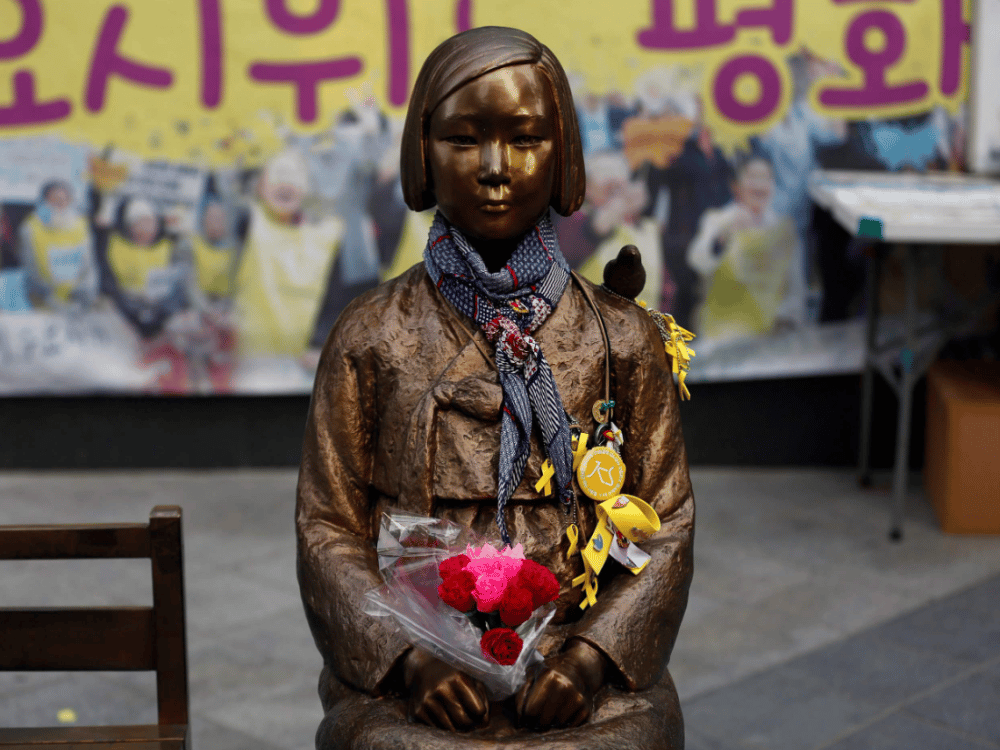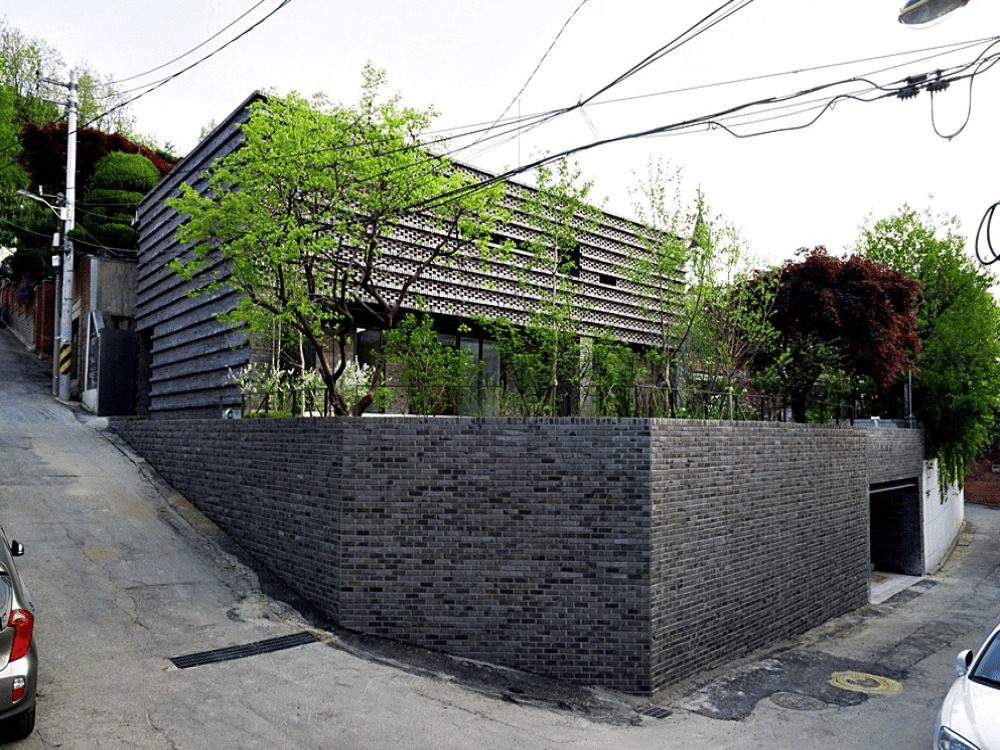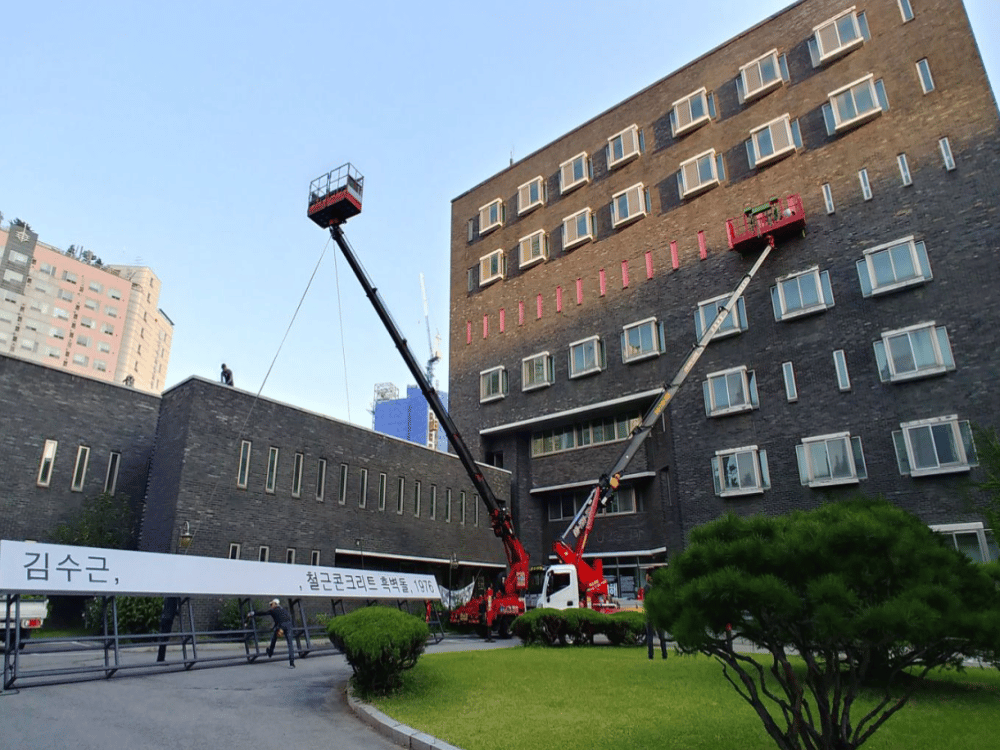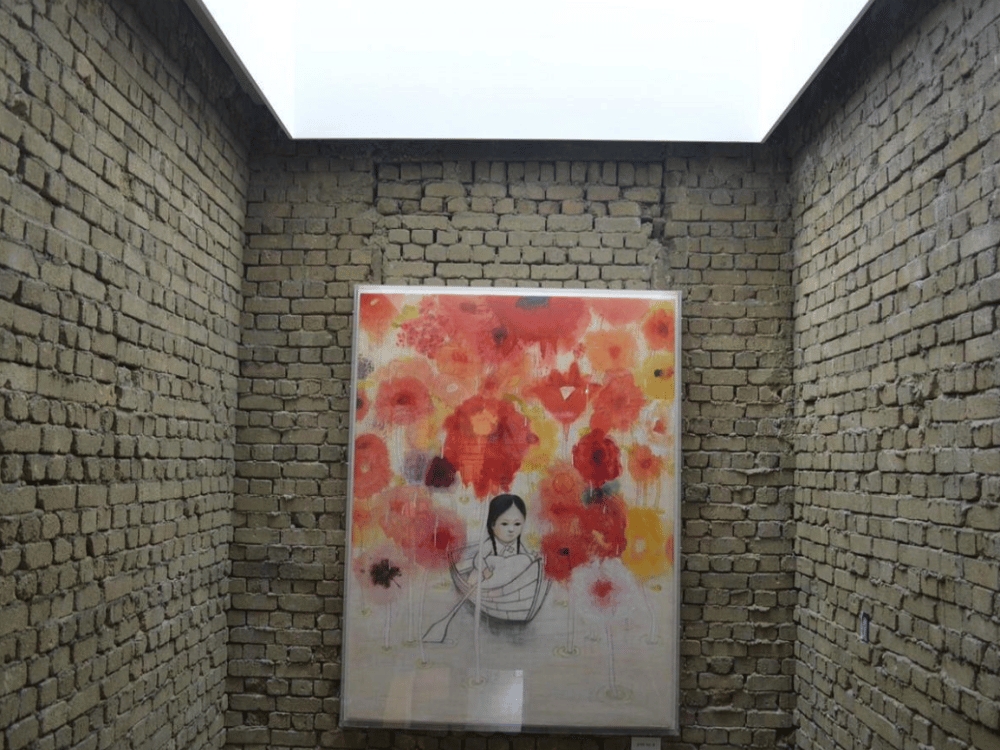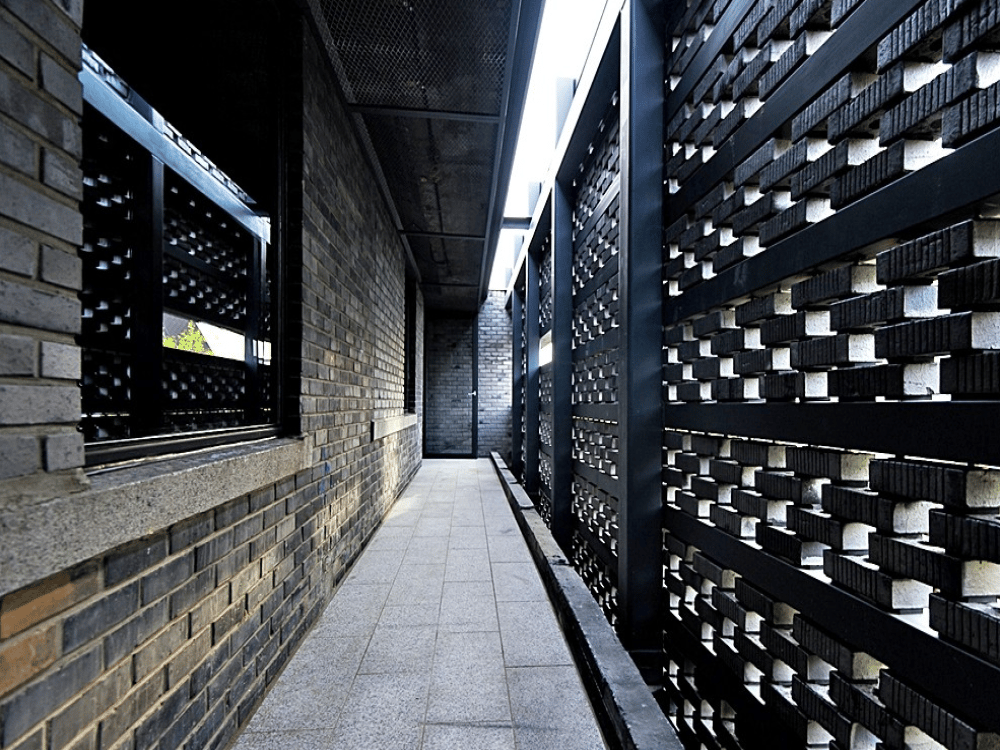
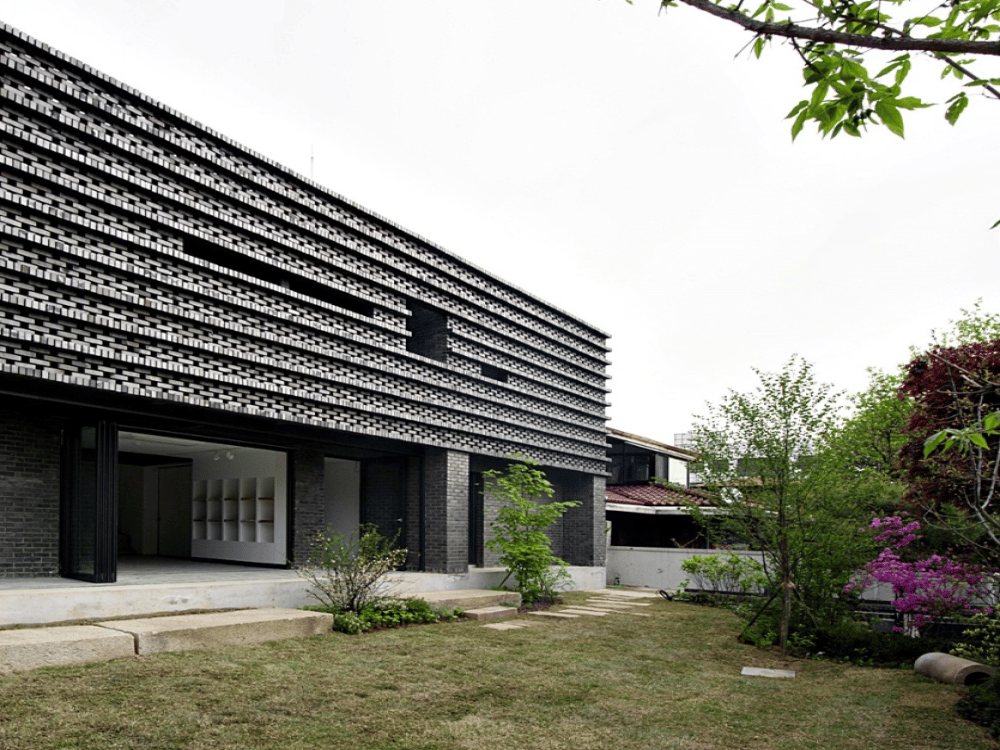
The War and Women’s Human Rights Museum in Seoul is a moving space dedicated to remembering the experiences of “comfort women,” women forced into sexual slavery by the Japanese military before and during World War II. The museum opened in 2012 through civic efforts and provides an emotional, educational journey through personal testimonies, photographs, art, and historical documents. Visitors can reflect on wartime suffering, human rights, and the ongoing fight for justice, making it both a solemn and enlightening experience.
Es gibt noch keine Touren in War and Women's Human Rights Museum.
The museum is located in Mapo‑gu, Seoul, at 20 World Cup Buk‑ro 11‑gil. It is open Tuesday through Saturday, usually from 10:00 to 18:00, with the last entry around 17:00. It is closed on Sundays, Mondays, and major holidays. Admission is approximately ₩5,000 for adults, with discounts for youths and groups. Audio guides and brochures are available in English, Korean, and Japanese, which help international visitors better understand the exhibits and stories shared.
Visitors should be prepared for an emotional and serious experience, as the museum deals with sensitive historical subjects. Photography without flash is generally allowed, but video recording is prohibited. Audio guides are recommended to gain deeper context, and guided tours in English require advance booking. The museum has limited wheelchair access beyond the first floor, and there is no on-site parking, so public transportation or taxis are the most convenient ways to visit.
From central Seoul, the museum is easiest to reach by public transport. Taking Subway Line 6 to Mangwon Station allows a short 8–10 minute walk to the museum. Local buses also stop nearby at the Gyeongseong High School intersection. Taxis from popular areas such as Hongdae or Myeongdong take around 15–20 minutes depending on traffic. With no dedicated parking at the museum, using transit is recommended for a smooth visit.
The museum is open from Tuesday to Saturday, making these days the best option for a visit. Arriving in the morning allows visitors to explore exhibits without feeling rushed, while mid-afternoon visits are quieter than peak hours. Last entry is generally around 17:00, giving plenty of time to experience the museum fully. Visiting early also leaves time to explore nearby Hongdae and Mangwon neighborhoods afterward.