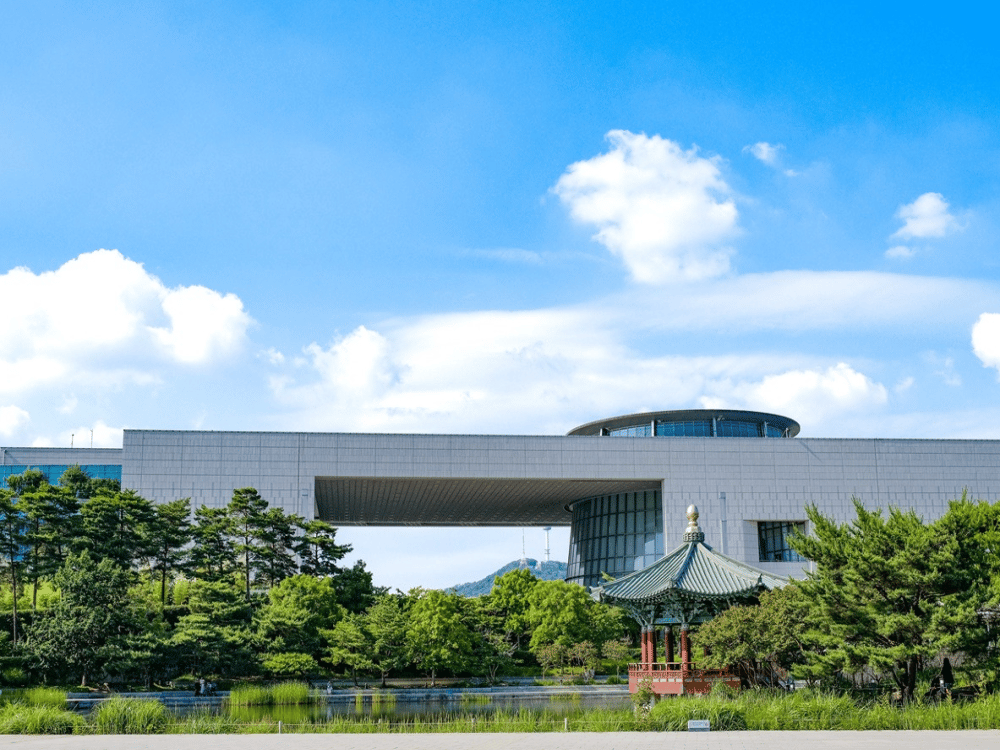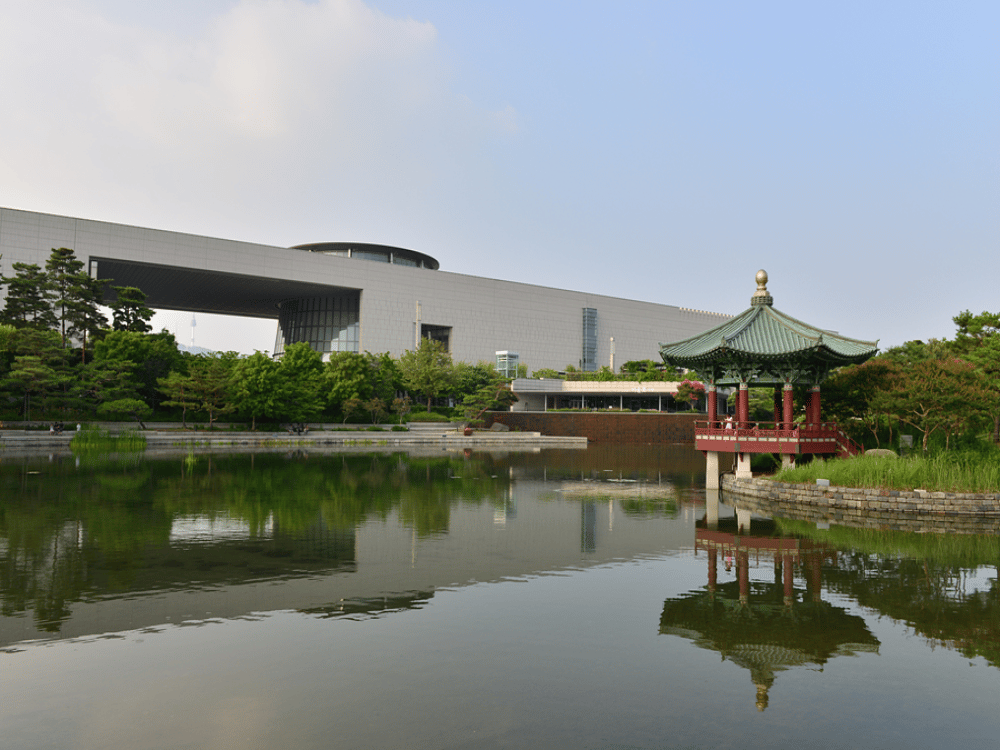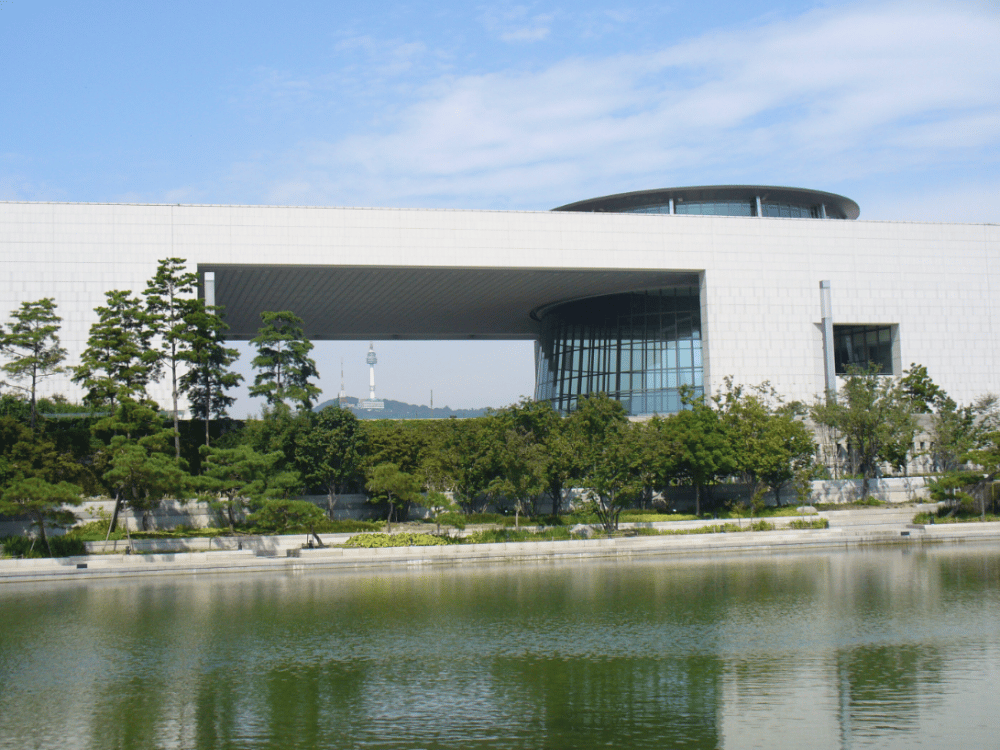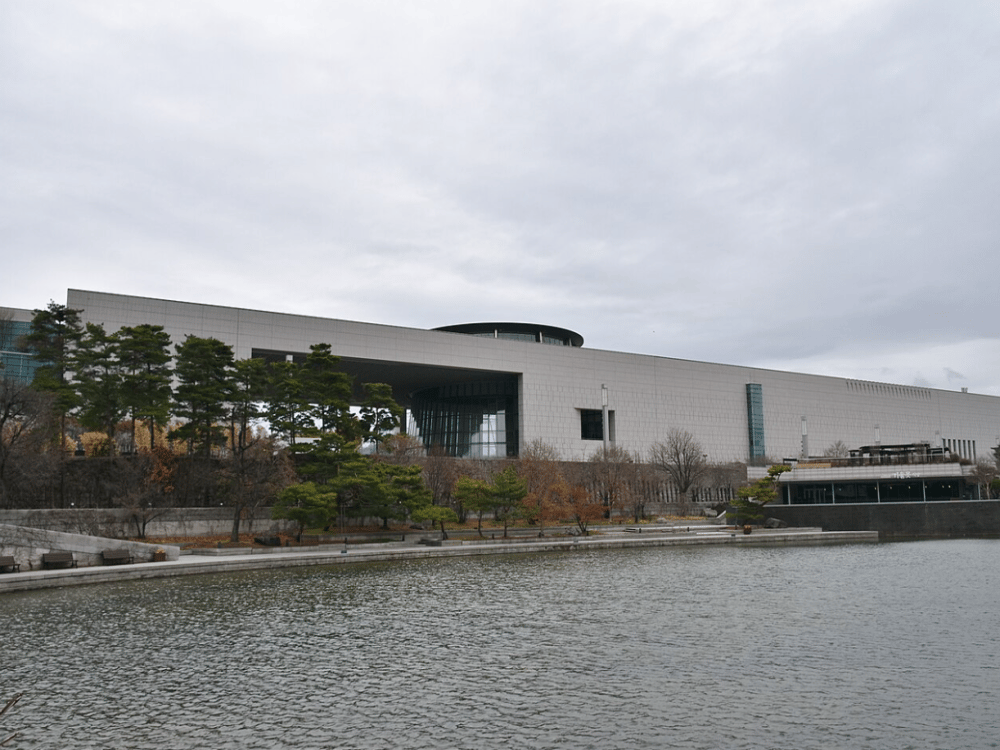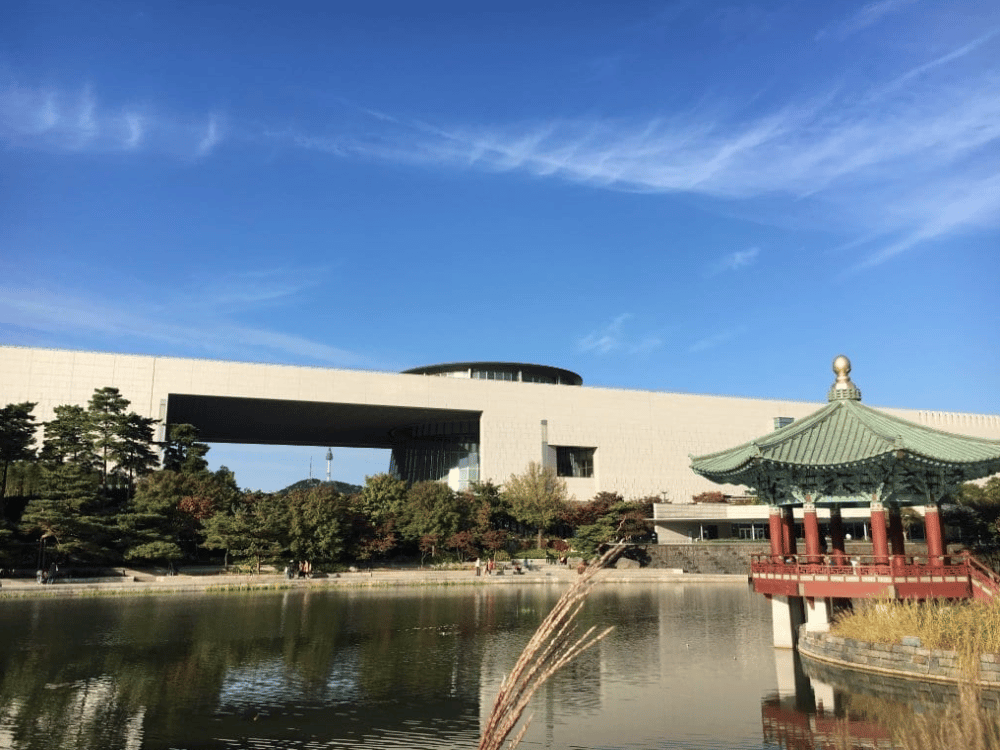
The National Museum of Korea in Seoul is one of Asia’s largest museums and the country’s premier cultural landmark. Situated in Yongsan, it houses thousands of artifacts spanning Korea’s history, from prehistoric times to modern art. Visitors can admire exquisite treasures such as the Pensive Bodhisattva statue and the Ten‑Story Stone Pagoda while wandering through galleries of pottery, sculpture, calligraphy, and Asian art. The museum blends education with beauty, presenting artifacts in a clear and engaging way that appeals even to casual travelers. Its outdoor gardens with historic pagodas and tranquil ponds offer a peaceful escape from the busy city, making it an ideal spot for reflection and relaxation. Admission to the permanent exhibits is free, which allows travelers to explore Korean heritage without any barriers, creating a memorable cultural experience in the heart of Seoul.
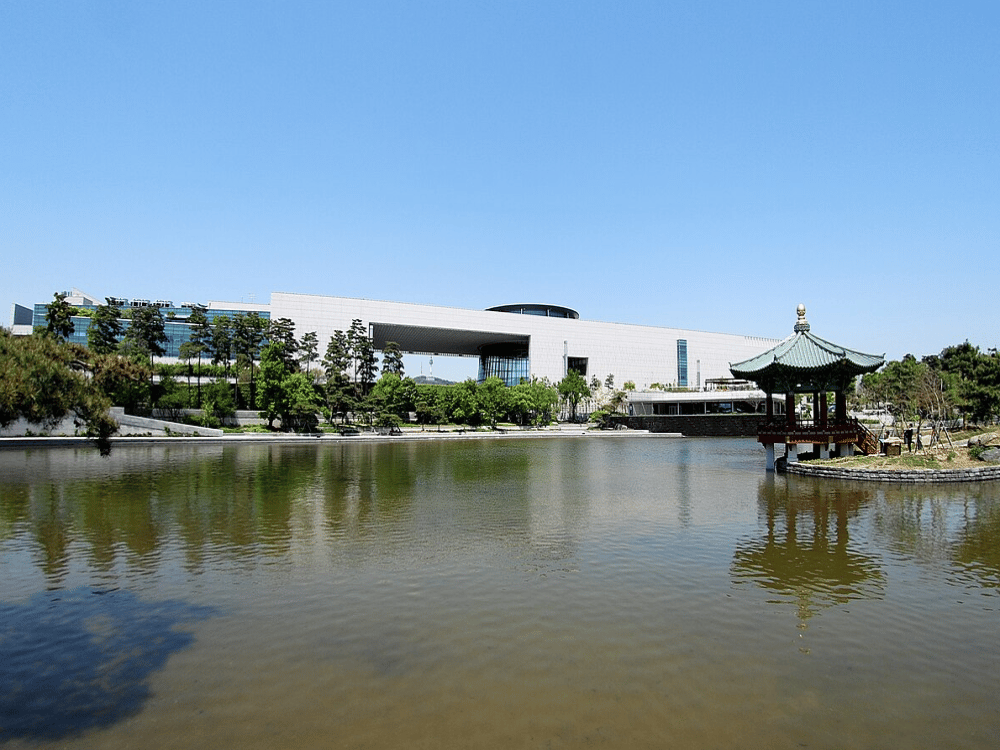
Es gibt noch keine Touren in National Museum Of Korea.
The museum is located in Seobinggo‑ro, Yongsan‑gu, Seoul, and it features archaeology, fine arts, and cultural galleries that cover more than three hundred thousand artifacts. The permanent exhibition is free of charge, while some special exhibitions may require a ticket. The museum is designed for all visitors, including families, students, and culture enthusiasts. With a dedicated Children’s Museum and spaces for quiet exploration, it caters to both education and leisure. Guided tours in English and other languages are available for those wanting deeper insights. Whether you are passionate about history or simply curious, the National Museum of Korea provides an enriching experience that introduces the depth of Korean culture and heritage.
Visitors should know that permanent exhibitions do not require tickets, making it easy to drop in at any time during opening hours. Certain special exhibitions and the Children’s Museum might require advance reservations, especially during busy seasons. Photography is generally allowed without flash, but some galleries may have specific restrictions. Comfortable walking shoes are recommended, as exploring the extensive galleries and outdoor spaces can take several hours. The museum’s English‑language guides are helpful for travelers wanting more context about the artifacts. Planning to spend three to four hours ensures a relaxed visit, giving enough time to enjoy both indoor exhibits and the serene outdoor gardens.
The museum is easily accessible from anywhere in Seoul. The nearest subway stop is Ichon Station, where visitors can exit and enjoy a short, pleasant walk along a pedestrian path that leads directly to the museum. Local buses also stop nearby, making public transportation convenient and efficient. Those traveling by car can use the museum’s parking facilities, although Seoul’s traffic may make public transport faster. The location in Yongsan provides a central base for exploring other nearby attractions, ensuring that reaching the museum is simple and stress‑free for tourists.
The National Museum of Korea opens at ten in the morning and generally closes at six in the evening on weekdays and Sundays, while Wednesday and Saturday hours extend until nine in the evening. Arriving early helps avoid crowds and allows ample time to explore at a leisurely pace. Late afternoons on weekdays are often quieter, offering a more peaceful experience. Visitors can enjoy the outdoor garden at different times of the day, even outside regular gallery hours. The museum closes on January first, Lunar New Year’s Day, and Chuseok, with occasional Monday closures for maintenance. Checking the schedule ahead of time ensures a smooth and uninterrupted visit.