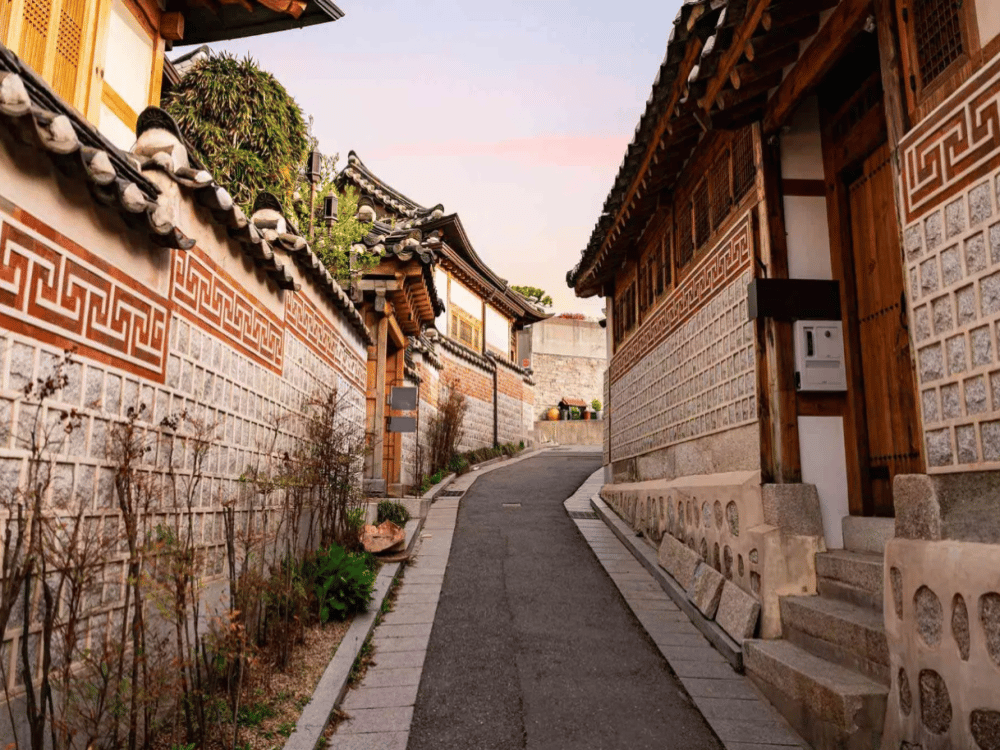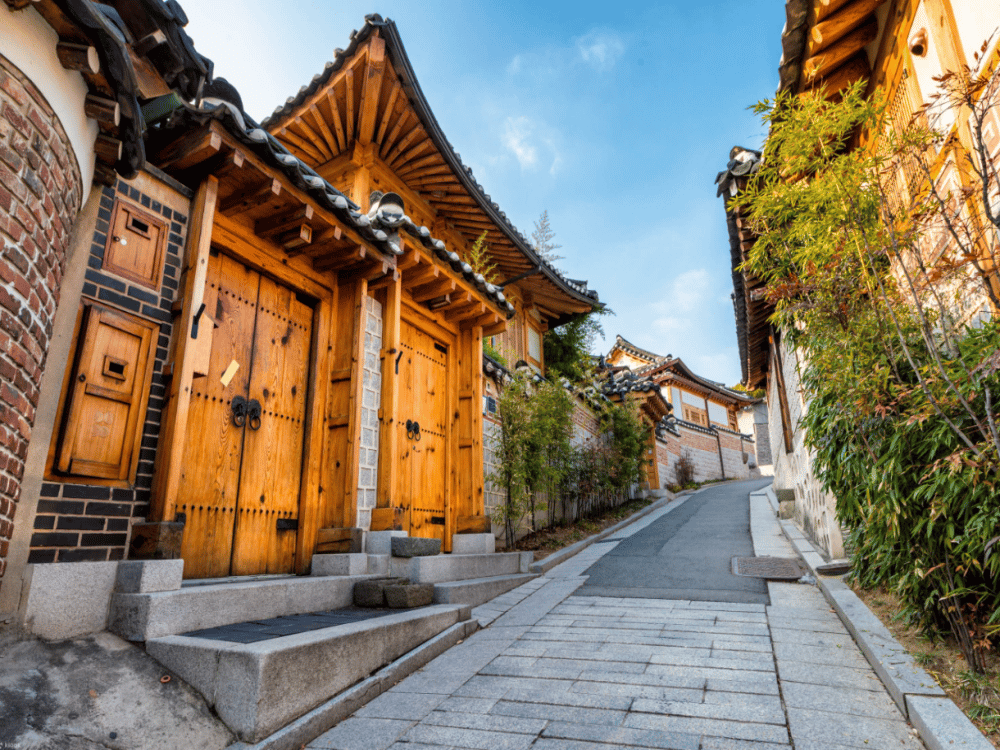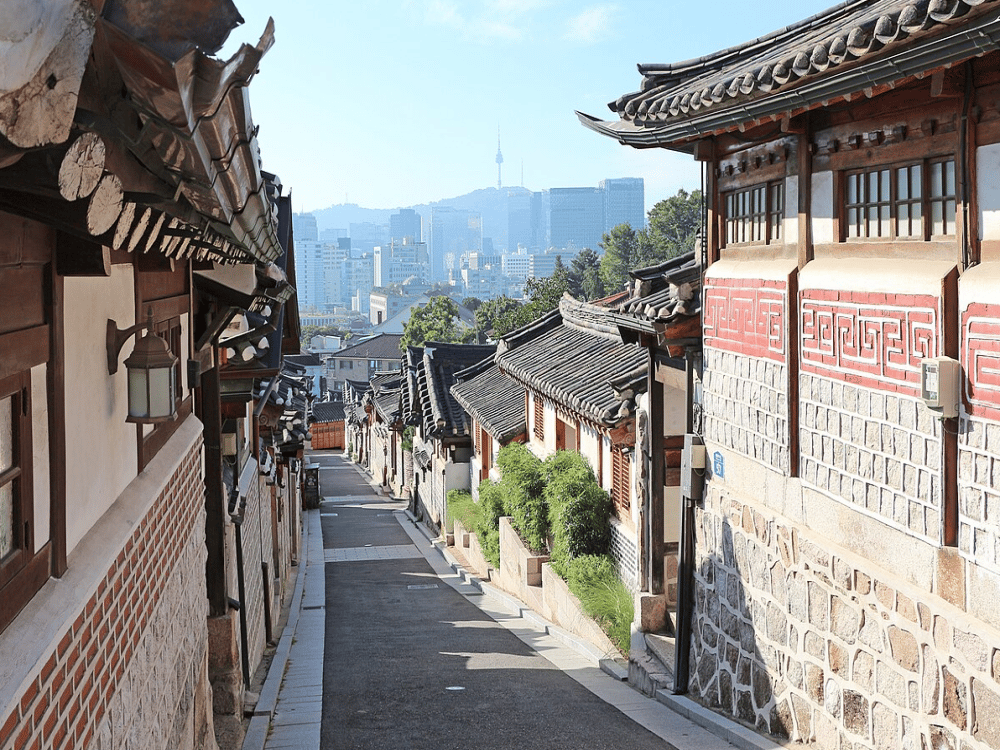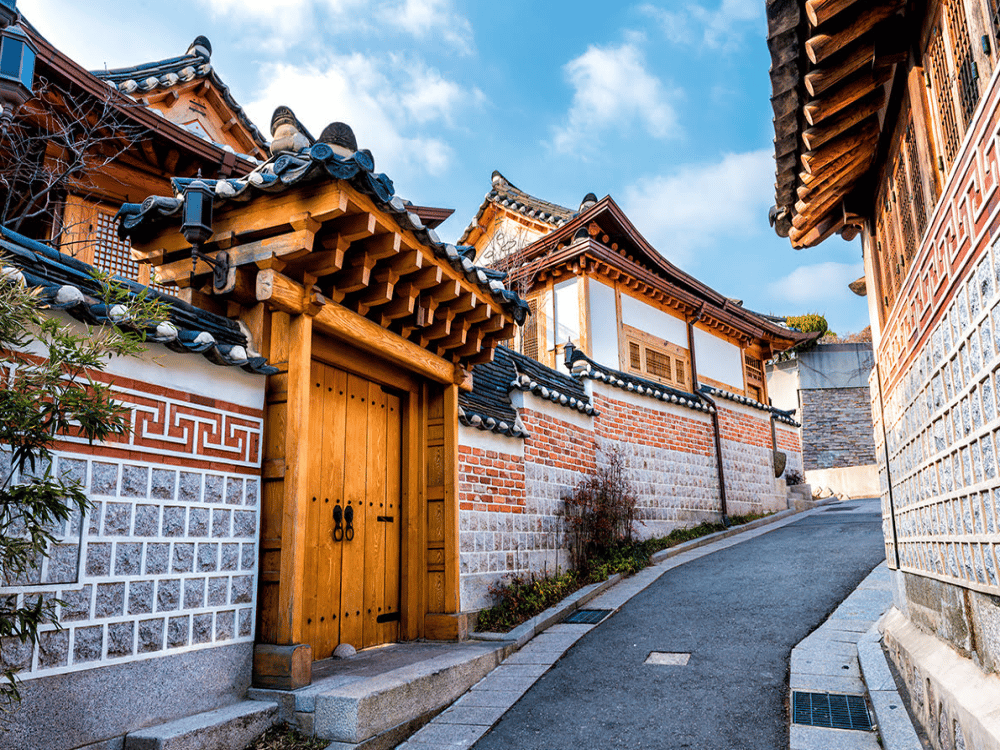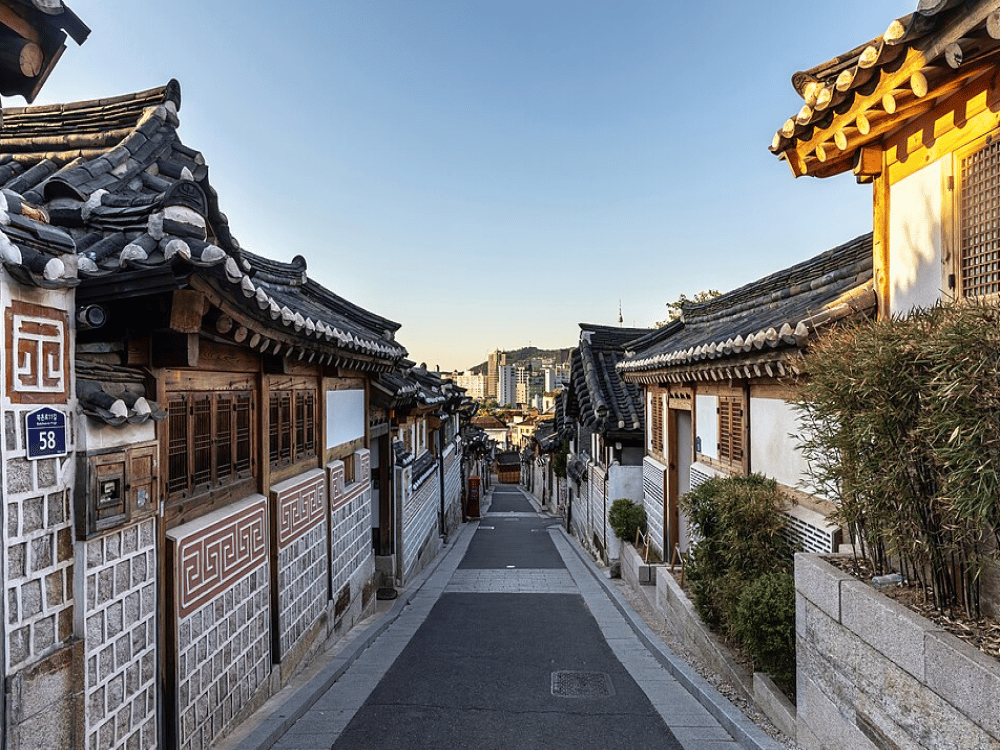
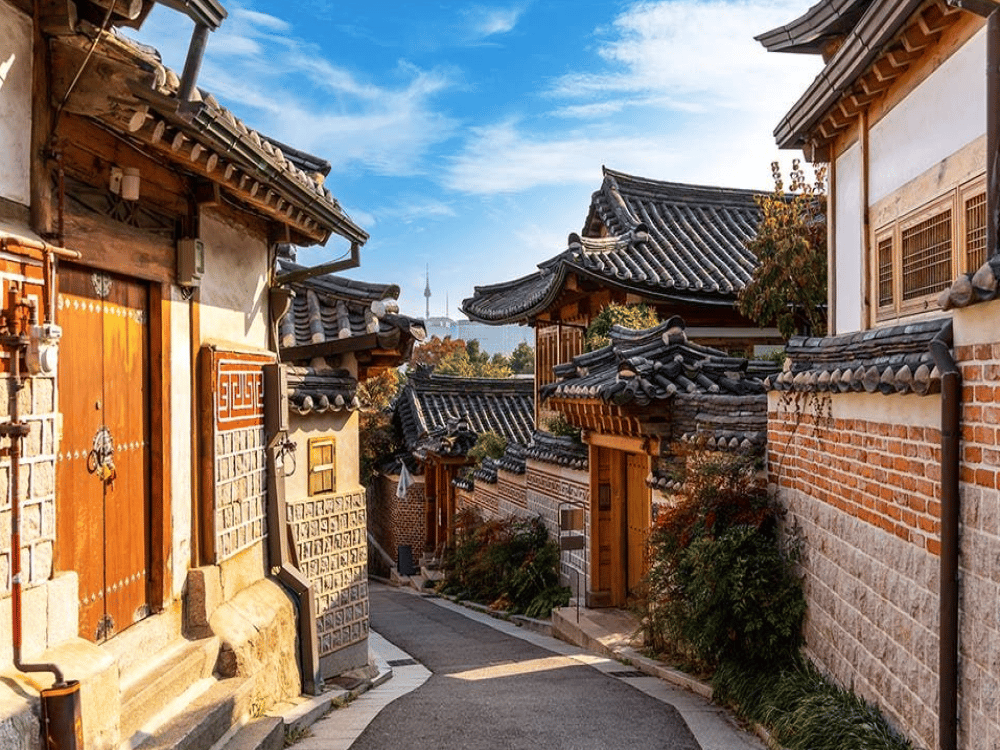
Bukchon Hanok Village, tucked between Gyeongbokgung and Changdeokgung Palaces, is a beautifully preserved area where traditional Korean architecture meets the modern city. Its narrow lanes are lined with hundreds of hanoks, the classic Korean houses with tiled roofs and wooden beams, many of which are still inhabited. Walking through the village feels like stepping back in time, offering visitors a peaceful escape and a chance to experience Seoul’s historical charm. Along the streets, you can find art galleries, craft workshops, and traditional tea houses, making it an ideal place for photography, cultural exploration, and quiet strolls.
Es gibt noch keine Touren in Bukchon Hanok Village.
Located in Jongno-gu, Bukchon Hanok Village is a living cultural experience where visitors can immerse themselves in Korea’s architectural and artistic heritage. Access to the village is free, though some cultural centers and workshops may charge a small fee. Exploring the winding streets can take between one and three hours depending on how much you want to see. The main highlights are the beautifully preserved hanoks, the small galleries, the craft studios, and several scenic viewpoints that offer stunning panoramas of Seoul’s mix of tradition and modernity.
Visitors should remember that Bukchon is a residential area, so it is important to be respectful and keep noise to a minimum. Entering private homes without permission is not allowed, and photography should be done considerately. Comfortable shoes are recommended because the streets are often steep and uneven. For a richer cultural experience, many visitors rent hanbok, the traditional Korean dress, which adds charm to both exploring and photography. The quietest times to visit are early mornings or late afternoons, when the light is ideal for photos and there are fewer tourists.
The easiest way to reach Bukchon is by subway, with Anguk Station on Line 3 being the most convenient; from Exit 2, it’s a short walk uphill to the village. Walking from Gyeongbokgung Station or taking buses serving the Jongno area are also good options. Many travelers enjoy walking from the nearby palaces, which allows them to take in the scenic alleys and traditional architecture along the way. Guided walking tours are available for those who want historical context and insights while exploring.
Bukchon is open year-round, but spring and autumn are particularly picturesque because of cherry blossoms and colorful fall foliage. Weekdays tend to be quieter than weekends, and mornings are the best time to enjoy the village without crowds. Afternoons are perfect for visiting craft workshops and tea houses once they open. Evenings have a magical atmosphere, but some businesses may close early, so plan accordingly.