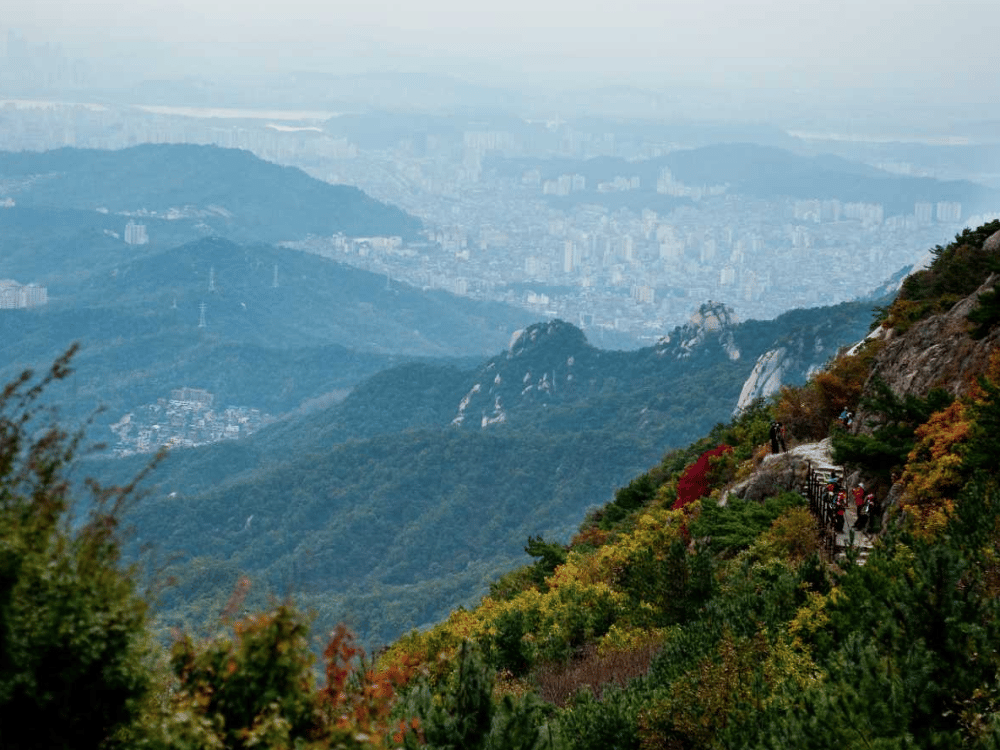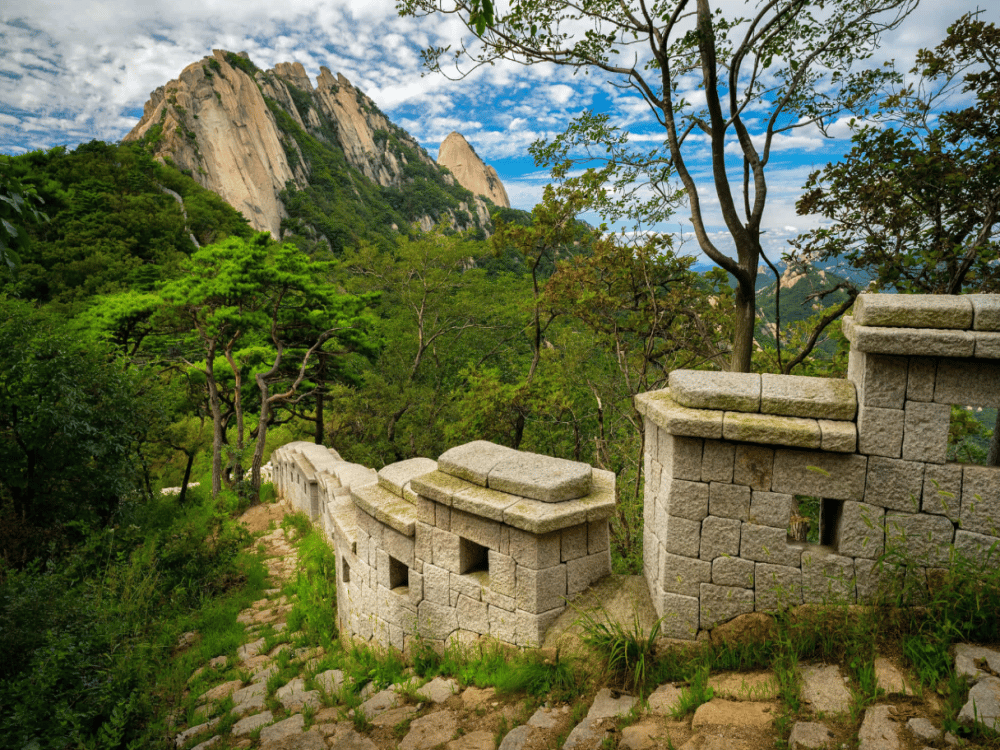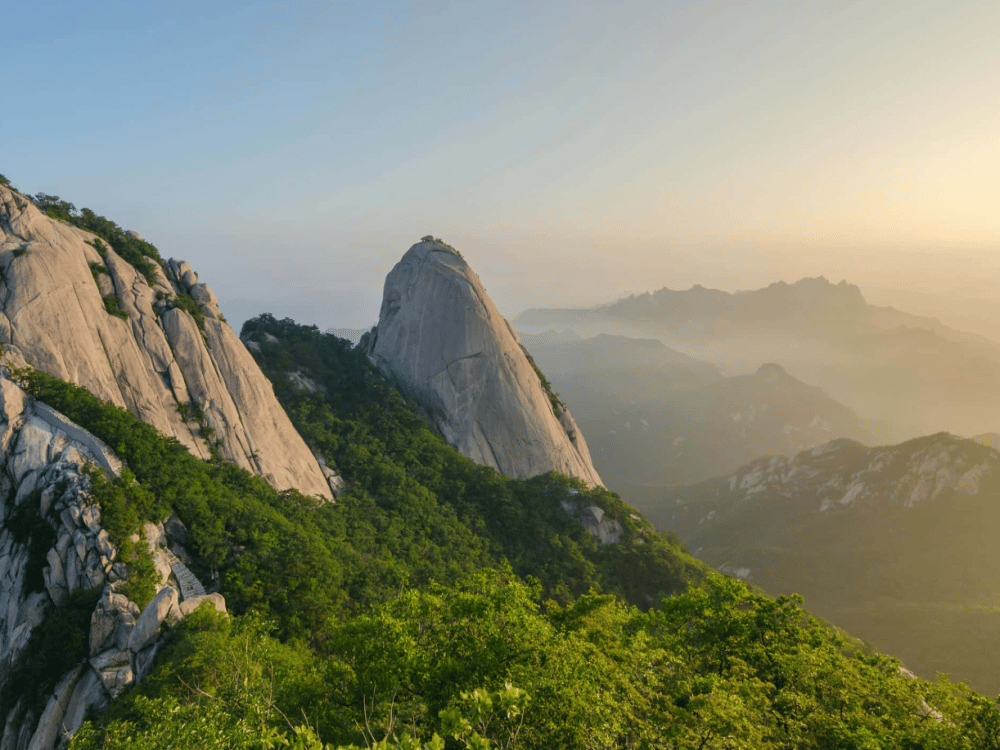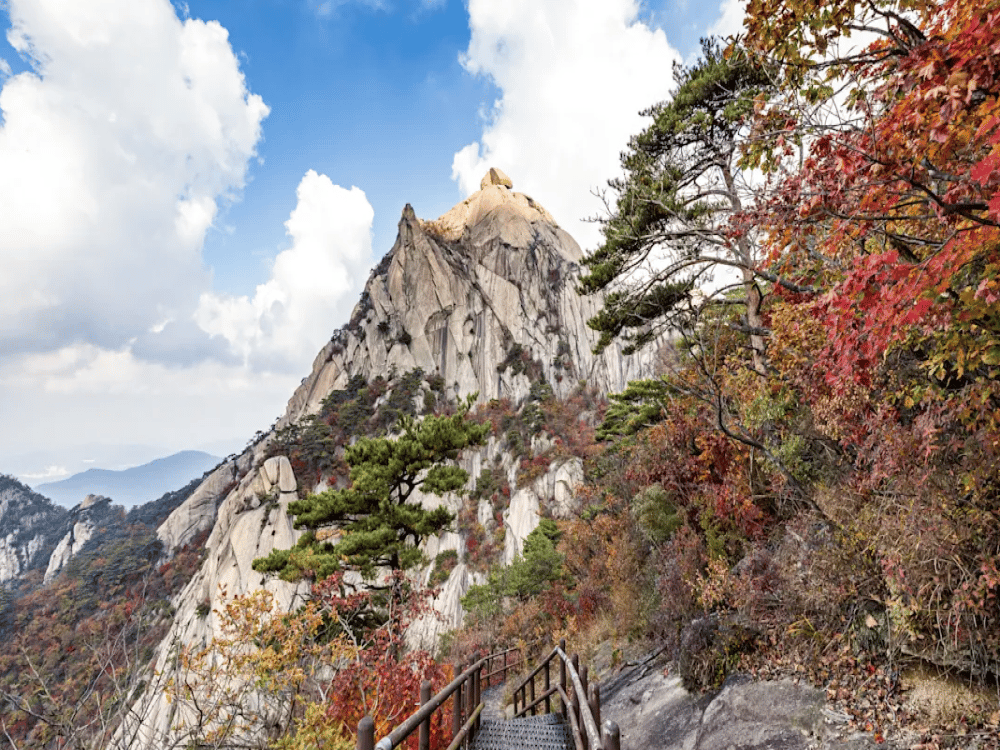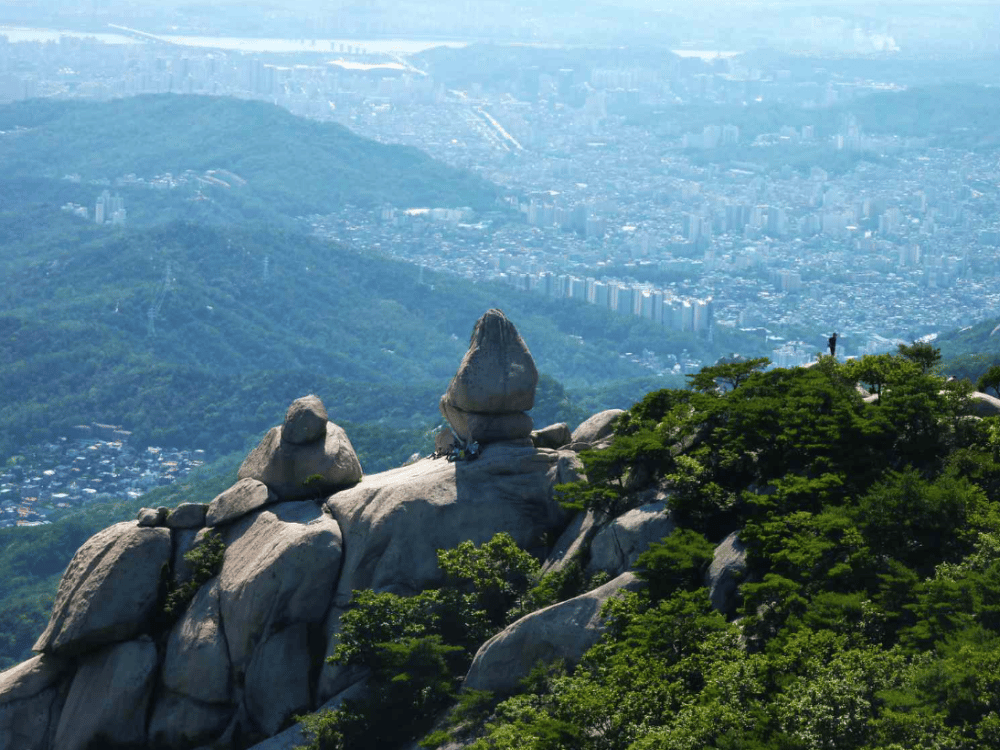
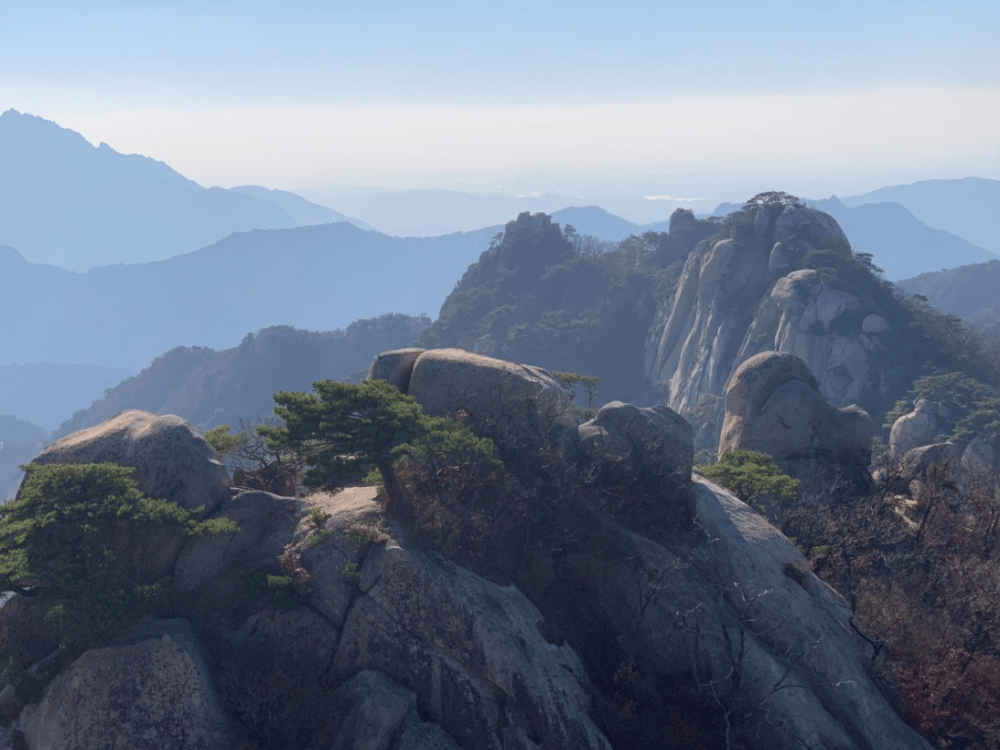
Bukhansan National Park is a stunning natural escape located at the northern edge of Seoul, offering a rare chance to experience mountains and forests within a major city. Its name means “mountains north of the Han River,” and the park features rugged granite peaks, serene streams, and dense woodlands that contrast beautifully with Seoul’s urban landscape. The park spans nearly 80 square kilometers and is dominated by three main peaks: Baegundae, Insubong, and Mangyeongdae, each offering panoramic views of the city and surrounding countryside. Along the trails, visitors encounter historic Buddhist temples, hermitages, and remnants of the Bukhansanseong Fortress, built during the Joseon era to protect Seoul. Whether seeking a challenging summit hike or a peaceful stroll through nature, Bukhansan provides a refreshing outdoor adventure just a short trip from central Seoul.
Es gibt noch keine Touren in Bukhansan National Park.
Bukhansan National Park lies within northern Seoul and extends into Gyeonggi Province. Established in 1983, it covers around 80 square kilometers of forested mountains, valleys, and rocky peaks. The park’s granite terrain includes challenging climbs, gentle trails, and hidden streams, making it suitable for both avid hikers and casual walkers. Baegundae, the highest peak at 836 meters, attracts many hikers looking for a rewarding view, while Insubong and Mangyeongdae offer quieter trails and rock climbing opportunities. Visitors can also explore cultural sites, including the old fortress walls and several small Buddhist temples. The park is open to the public year-round and admission is free, making it a convenient natural retreat for anyone staying in Seoul.
Before visiting Bukhansan, it’s important to know that trail difficulty varies widely. Routes to Baegundae can take four to six hours round trip and include steep, rocky sections, so proper hiking shoes, water, and snacks are essential. Weather can change quickly, so layered clothing and sunscreen are recommended, and gloves or hiking poles can make steep sections easier. Weekends and public holidays attract large crowds, so starting early helps avoid congestion. Safety is also important, as some trails are narrow or exposed. Visitors are encouraged to follow marked paths, respect wildlife, and avoid disturbing historical and natural sites to preserve the park’s environment.
Bukhansan National Park is easily accessible from central Seoul. The most popular route is via Subway Line 3 to Gupabal Station, then a short local bus ride to the Bukhansanseong trailhead. Other access points include Suyu Station on Line 4 or Dobongsan Station on Lines 1 and 7, which provide entry to eastern trails. Taxis are also an option and can save time, especially for groups or visitors carrying hiking gear. The convenience of public transport makes it possible to reach the park quickly, even for a day trip from downtown Seoul.
The best times to visit Bukhansan are in spring and autumn, when temperatures are mild and the scenery is vibrant. Spring offers blooming flowers and fresh greenery, while autumn presents colorful foliage that enhances every trail. Summer can be hot and humid, with occasional rain making trails slippery, and winter brings snow and ice that require extra caution. To enjoy the park fully, it is best to start hikes early in the morning, which helps avoid crowds and allows enough time to complete the trails before dusk. Park opening hours generally run from early morning until late afternoon, with slight variations depending on the season.