Gyeongju: Gyeongju National Park | ®ExcursionMania
Gyeongju

Gyeongju National Park

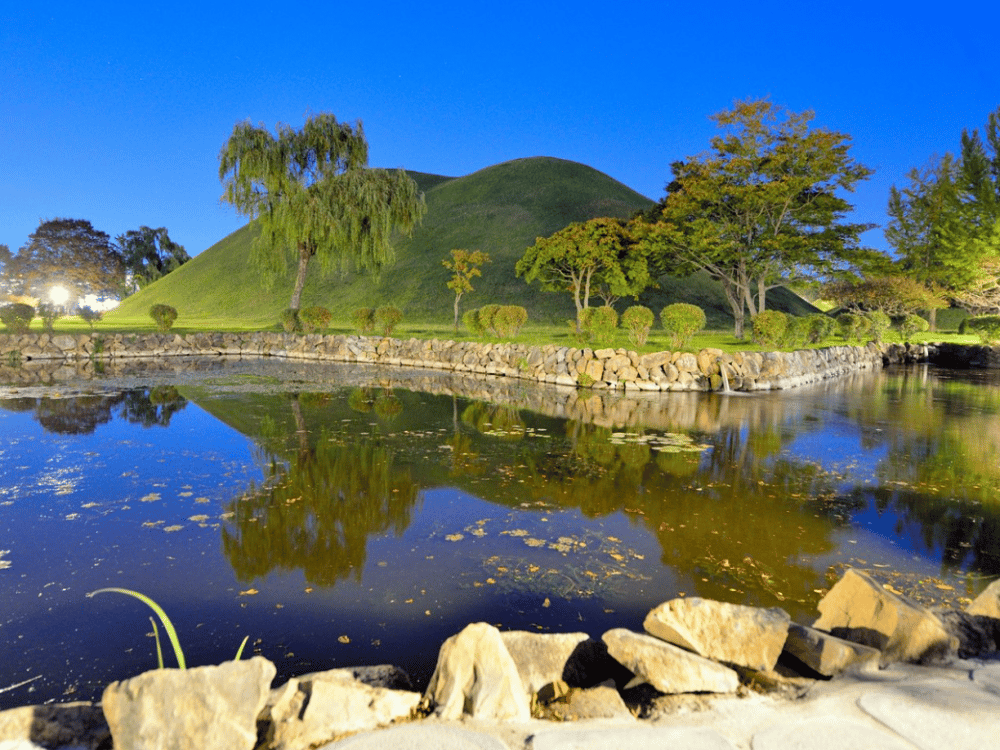
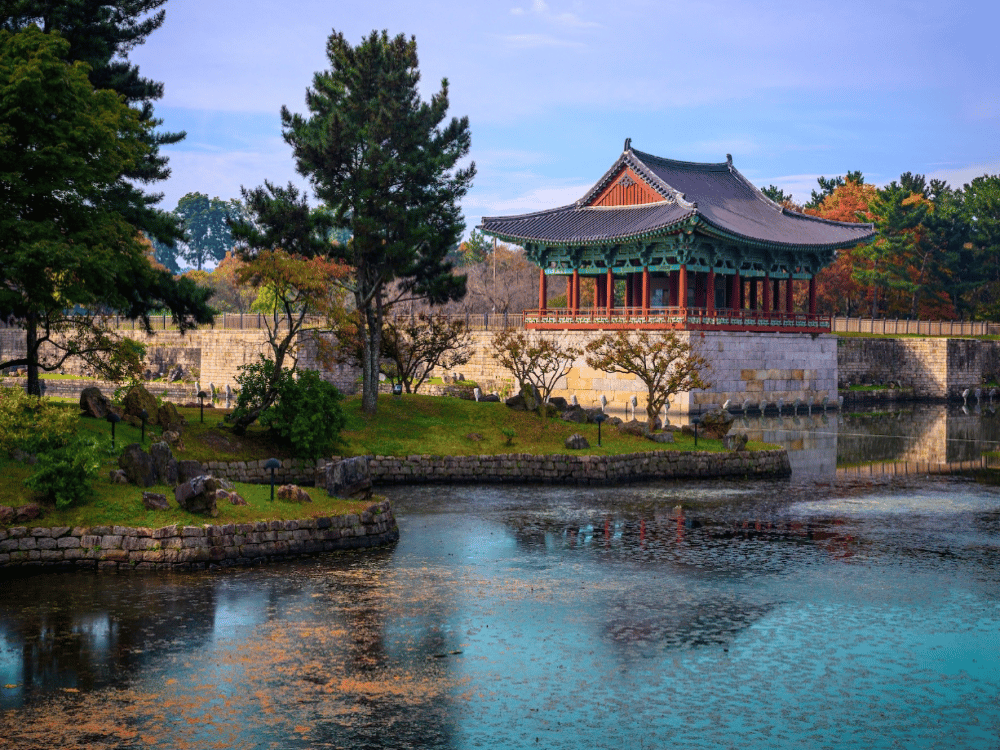
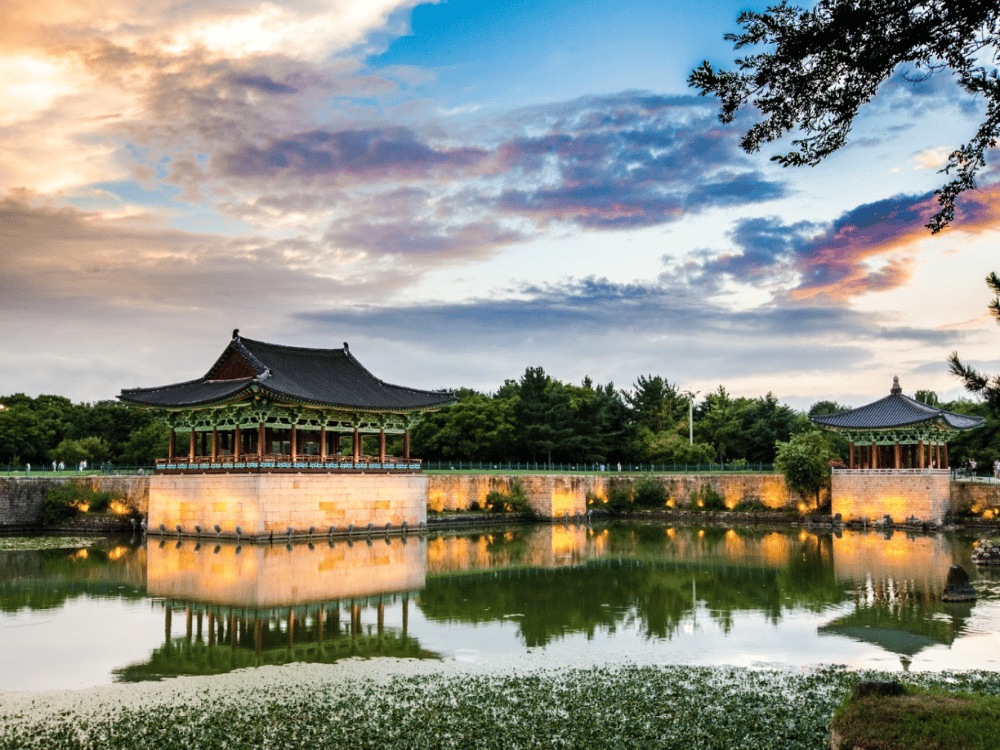
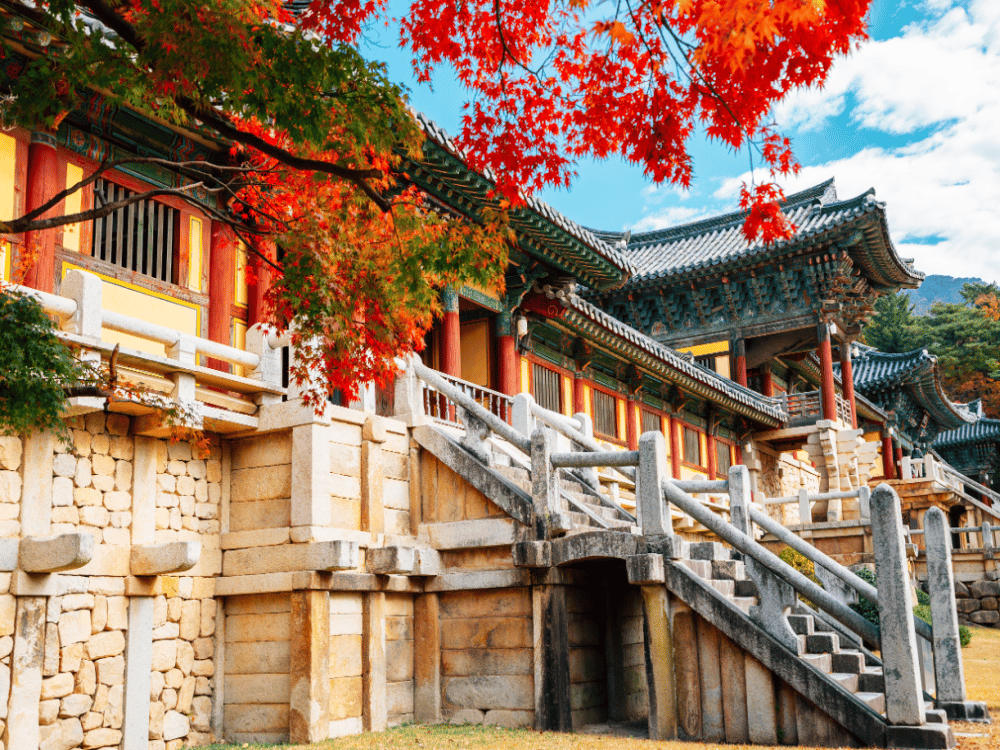
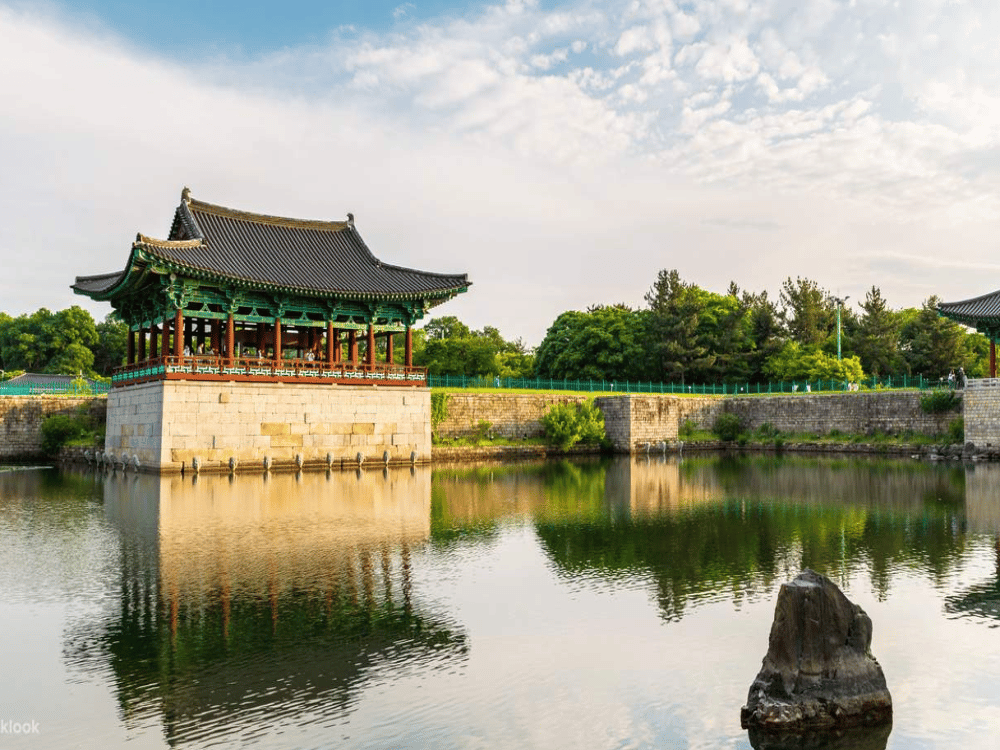
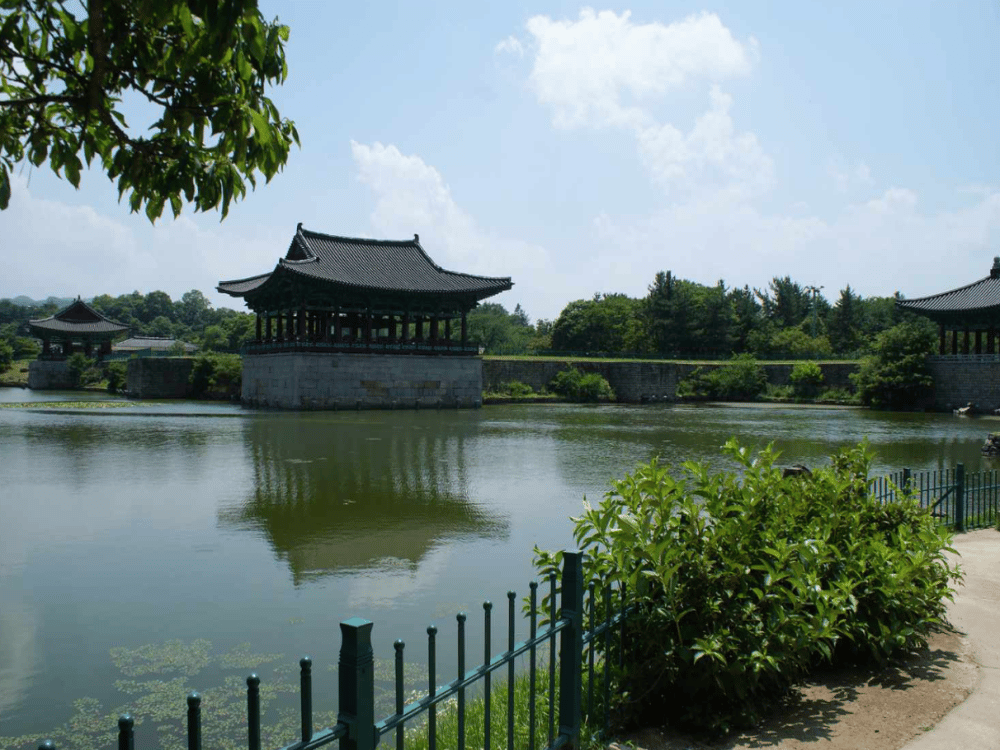
Gyeongju National Park is a unique destination in South Korea, combining breathtaking natural scenery with rich historical heritage. Established in 1968, it stretches across hills, forests, and valleys in and around Gyeongju city, covering over 136 square kilometers. The park is famous for its Silla Kingdom relics, including royal tombs, ancient temples, stone pagodas, and Buddhist carvings. Among the highlights are the sacred slopes of Mount Namsan, which feature hundreds of stone carvings and historic remains, as well as the renowned Bulguksa Temple and Seokguram Grotto, both recognized as UNESCO World Heritage sites. Walking through the park feels like stepping back in time, as nature and history intertwine seamlessly, making it a perfect destination for both cultural exploration and quiet outdoor enjoyment. The park offers a peaceful retreat, with seasonal blooms in spring, colorful foliage in autumn, and serene landscapes throughout the year, appealing to history enthusiasts, photographers, and casual visitors alike.
Gyeongju National Park Touren und Tickets

Es gibt noch keine Touren in Gyeongju National Park.

Alles über Gyeongju National Park

Was Sie erwartet

Gyeongju National Park is located across several districts in Gyeongju, North Gyeongsang Province. Unlike other national parks in Korea that focus solely on natural beauty, this park emphasizes historical and cultural treasures from the Silla era. It encompasses eight distinct areas, each with its own unique attractions, ranging from ancient tombs and observatories to Buddhist temples and forested hiking trails. While access to the general park areas is inexpensive, some key sites such as Bulguksa Temple or Seokguram Grotto may require a separate admission fee. The park’s combination of natural landscapes and historical sites provides visitors with a rare opportunity to experience Korea’s cultural heritage in a tranquil, outdoor setting.

Warum diese Tour buchen

Visitors should be aware that Gyeongju National Park is not a single continuous area, but a collection of sites spread around the city and surrounding mountains. The major attractions, including Mount Namsan, Bulguksa Temple, and the royal tomb complexes, are located in different sections, so planning your route in advance is essential. Many of the temples and cultural sites have specific opening and closing times, often from early morning until late afternoon, so checking schedules ahead of time is recommended. Comfortable walking shoes are a must, as some trails can be moderately steep, especially near the mountain relics. The park is particularly scenic during the cherry blossom season in spring and the colorful foliage of autumn, but it offers beautiful views and cultural experiences year-round. Photography enthusiasts will find countless opportunities for capturing both nature and historical architecture throughout the park.

Die richtige Tour auswählen

Gyeongju National Park is easily accessible from the center of Gyeongju city. Visitors coming from other parts of South Korea can take the KTX or regular train to Singyeongju Station and then continue by taxi or local bus to the park’s main sites. Local buses also connect key attractions, including Mount Namsan, Bulguksa Temple, and the tomb areas, although schedules can vary. For convenience and flexibility, taxis are widely available in the city and can quickly take visitors to different sections of the park. Some areas near the city center are suitable for walking or cycling, allowing a more leisurely exploration of nearby historical landmarks. Planning your transport route ahead of time ensures you can maximize your visit to the park’s various sections.

Wissenswertes vor der Abreise

The best times to visit Gyeongju National Park are during spring and autumn. Spring brings cherry blossoms and mild weather, making it ideal for walking along the historic trails and enjoying the mountain scenery. Autumn offers vibrant foliage, enhancing the beauty of the forested slopes and ancient tombs. Summer can be warm and occasionally rainy, but the lush greenery adds to the park’s charm, while winter brings a quiet, serene atmosphere with crisp air and occasional snow. Early morning or late afternoon visits help avoid crowds and provide softer lighting for photography. Weekdays are generally less busy, and visitors should be mindful of the opening hours for temples and cultural sites to plan their day effectively.