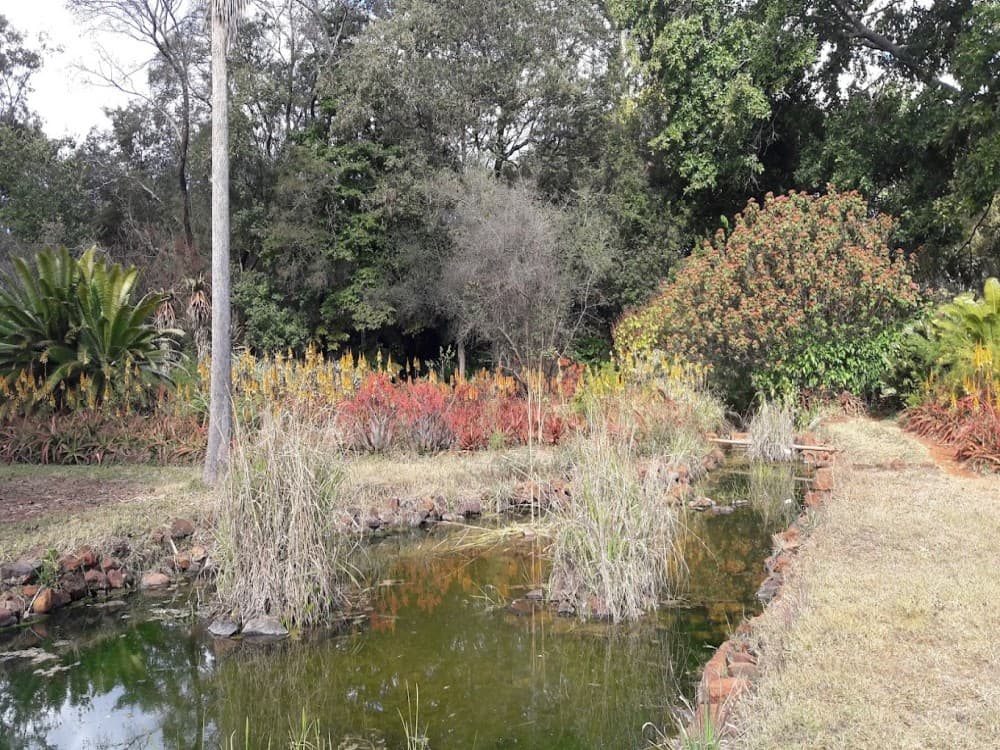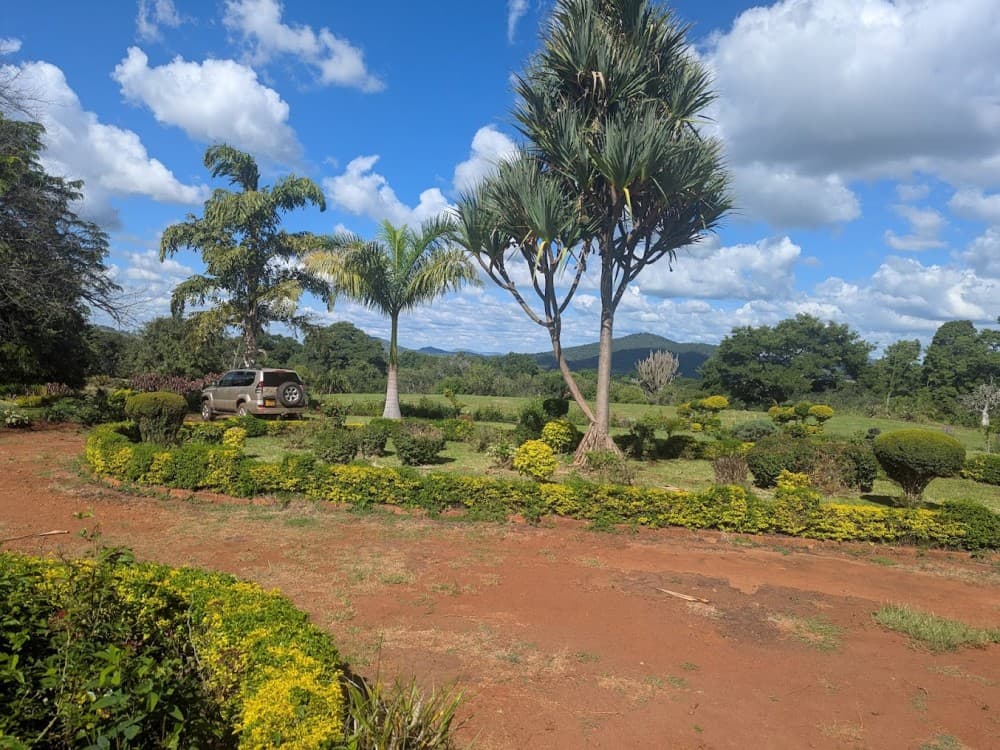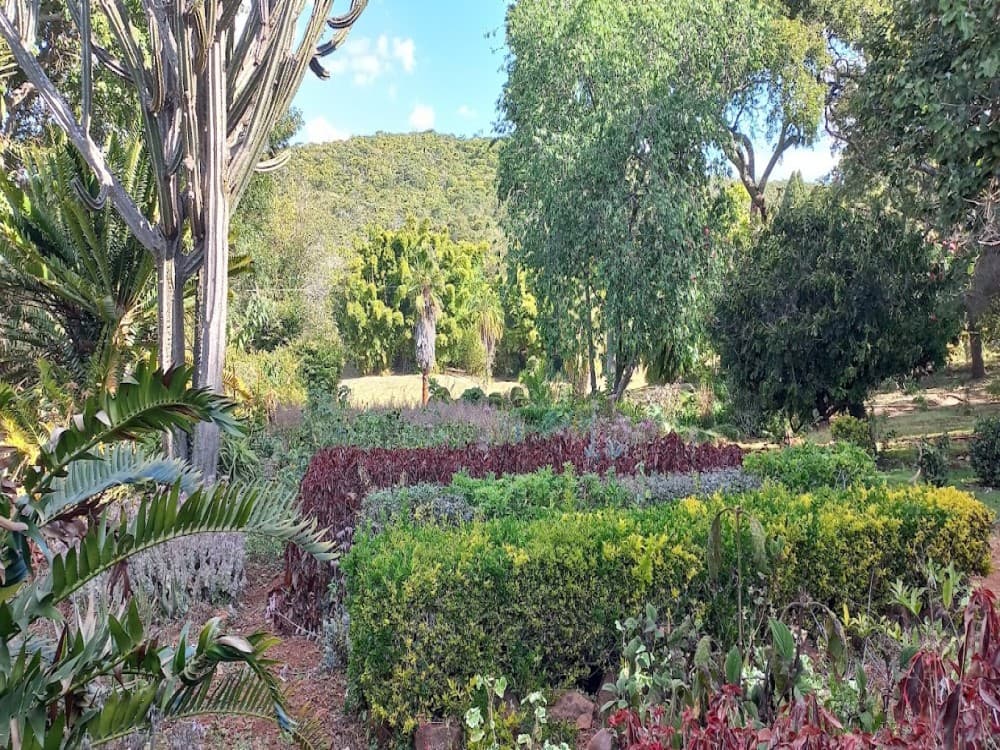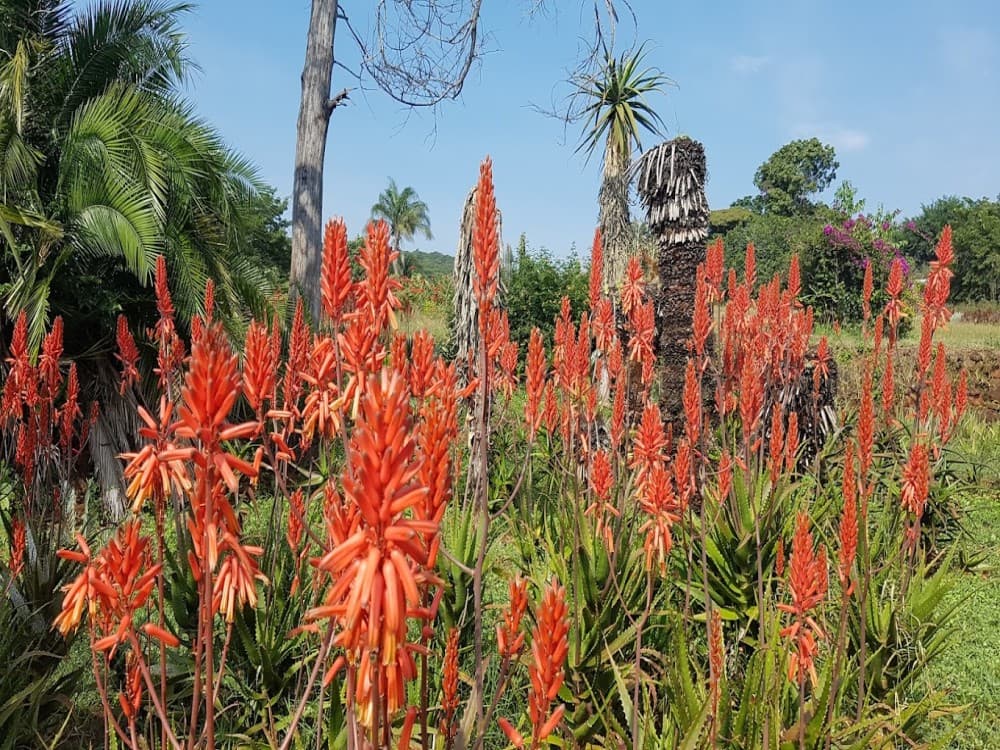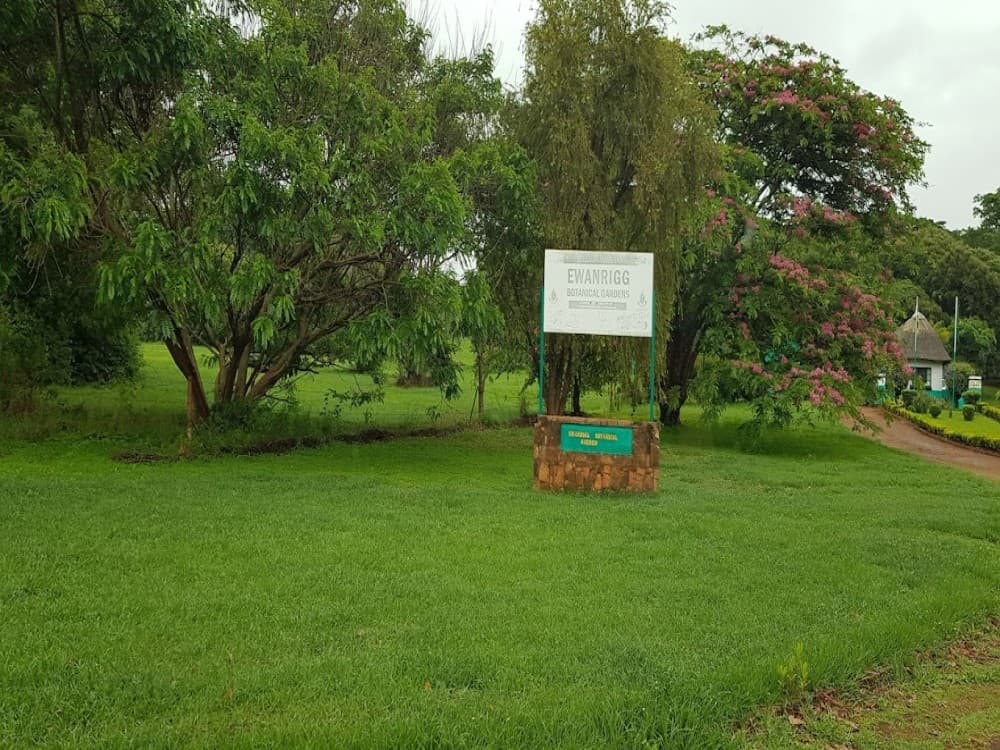
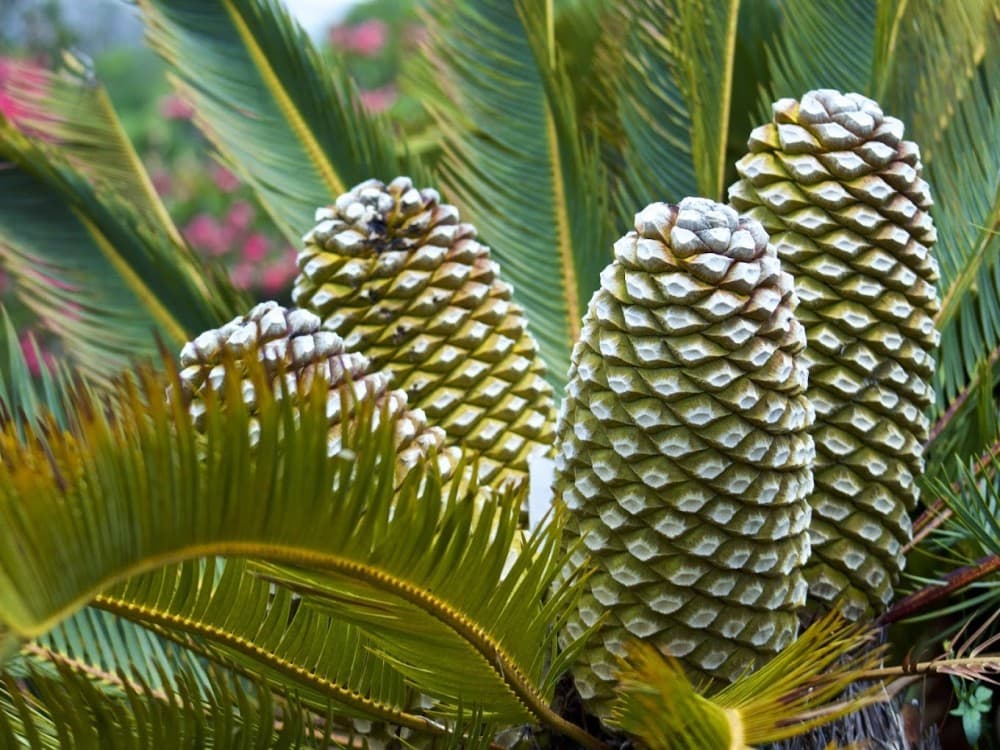
Ewanrigg Botanical Garden is an internationally renowned sanctuary famous for housing one of the world’s largest collections of aloes and cycads. Established by Basil Christian in the early 1900s and later donated to the state, this 14.5-hectare National Monument is a masterpiece of natural landscaping. The garden is cleverly designed among rugged granite kopjes, where exotic and indigenous succulents flourish alongside Miombo and Brachystegia woodlands. Visitors are treated to a vibrant explosion of color, especially when the massive aloe colonies are in full bloom. Beyond the succulents, the park features a small dam, lush ponds, and sweeping lawns that provide a peaceful contrast to the rocky terrain. It is a quiet haven for plant enthusiasts and nature lovers, offering a rare opportunity to see prehistoric plant species in a beautifully preserved African garden setting.
Es gibt noch keine Touren in Ewanrigg Garden.
The gardens are located approximately 41 kilometers northeast of Harare and are managed by the Zimbabwe Parks and Wildlife Management Authority. The site is open daily from 8:00 AM to 5:00 PM. For 2025, entry fees for international visitors are approximately 10 USD for adults and 5 USD for children, while local residents enjoy significantly lower rates.The park offers basic facilities including picnic spots, braai (barbecue) areas, and clean restrooms. While there is no full-scale restaurant on-site, the spacious lawns are perfect for self-catering groups. A small warden’s office is located near the entrance to provide assistance. The garden paths are mostly gravel or grass, so the site maintains a rustic, natural feel that prioritizes the botanical collection over modern commercial development.
The most important thing to bring is a well-stocked picnic basket and plenty of water, as there are no shops or cafes within the garden grounds. For birdwatchers, Ewanrigg is a premier destination; bring binoculars to spot sunbirds, mannikins, and the elusive twinspots that are attracted to the flowering aloes. If you plan to use the braai facilities, you should bring your own charcoal or wood and fire-starting materials. Wear sturdy walking shoes, as exploring the granite kopjes involves some light scrambling and uneven terrain. While the site is safe and family-friendly, children should be supervised near the ponds and rocky outcrops. It is also worth carrying a bit of cash in small denominations for the entry fee and tips for any staff who might assist you with directions or botanical information.
Reaching Ewanrigg from Harare takes about 45 to 60 minutes by car. The most common route is via Enterprise Road (A2) heading east. After passing through the Newlands and Chisipite suburbs and the toll gate, turn left onto the Shamva Road (A13). Continue for about 15 kilometers before turning right onto the gravel Christian Road, which is clearly signposted for Ewanrigg. The main roads are well-tarred and in excellent condition, while the final gravel stretch is manageable for standard sedan vehicles in most weather. If you are not driving, it is best to hire a private taxi or a driver for the day from Harare, as ride-hailing apps may struggle to find a return fare from this rural location. Ensure your vehicle has enough fuel for the round trip, as there are no service stations in the immediate vicinity of the gardens.
While the garden is a year-round attraction, the absolute best time to visit is during the winter months of June and July. This is the peak flowering season for the aloes, when the hillsides are ablaze with vibrant reds, oranges, and yellows. For those interested in sunbirds, the flowering season from April to August provides the best viewing opportunities. Arriving mid-morning around 10:00 AM allows you to enjoy the gardens in the warm winter sun before having a relaxed lunch. If you prefer lush, emerald scenery, the rainy season from November to March is beautiful, though the succulents are not in bloom. Weekends are popular for local families and "braais," so if you are seeking a quiet, meditative experience for photography or birdwatching, a weekday visit is highly recommended.