Harare: National Archives of Zimbabwe | ®ExcursionMania
Harare

National Archives of Zimbabwe

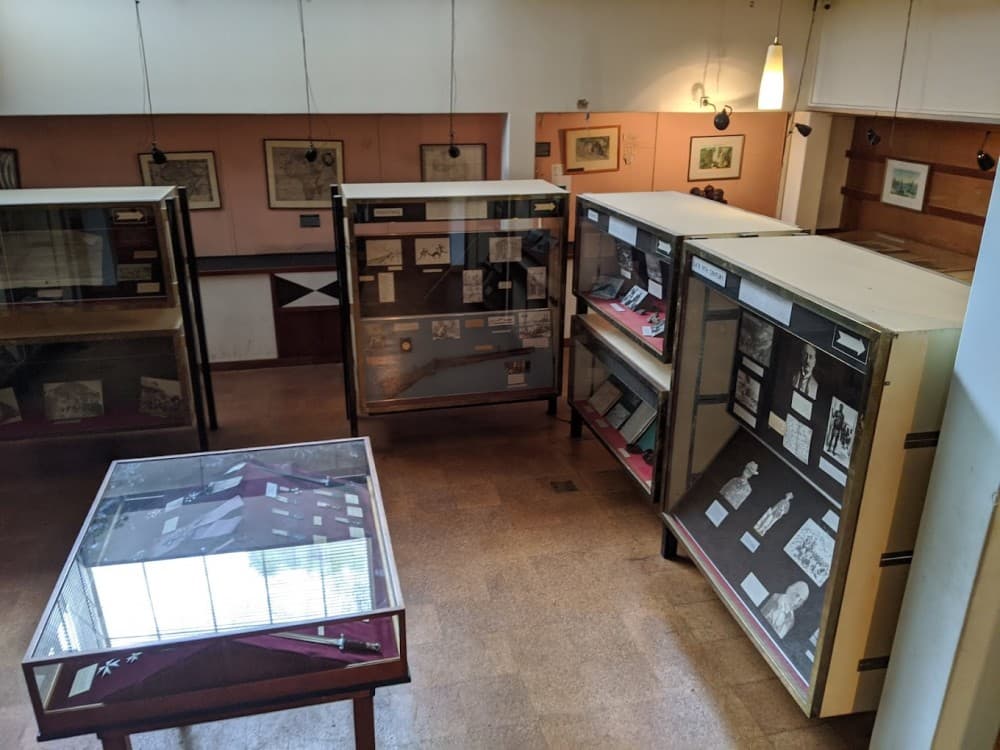
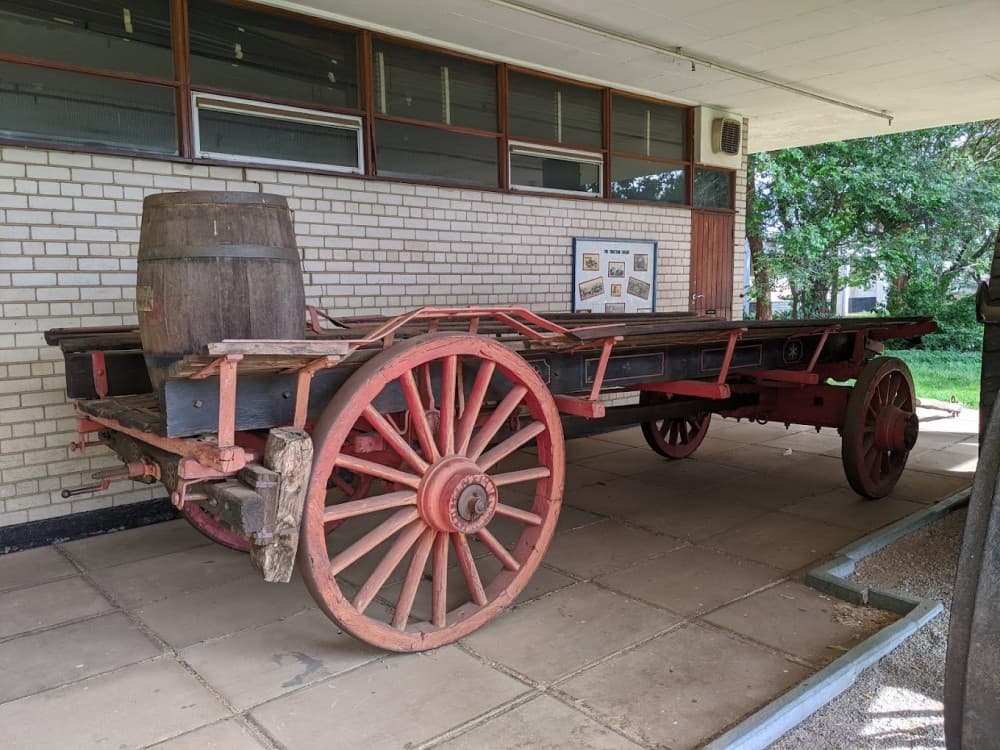
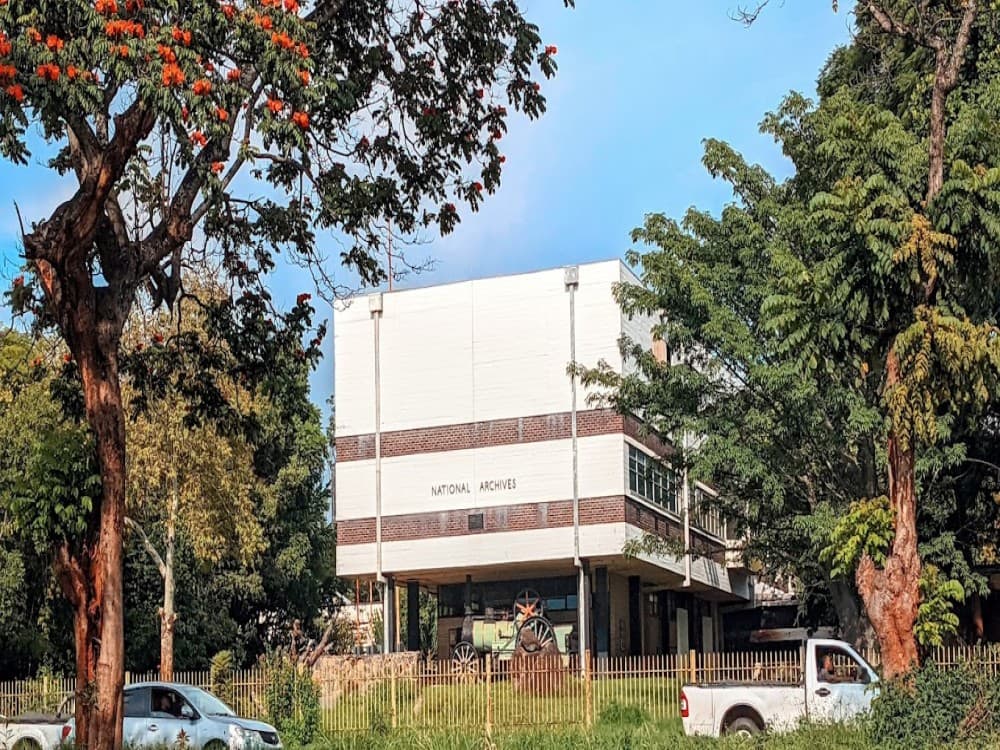
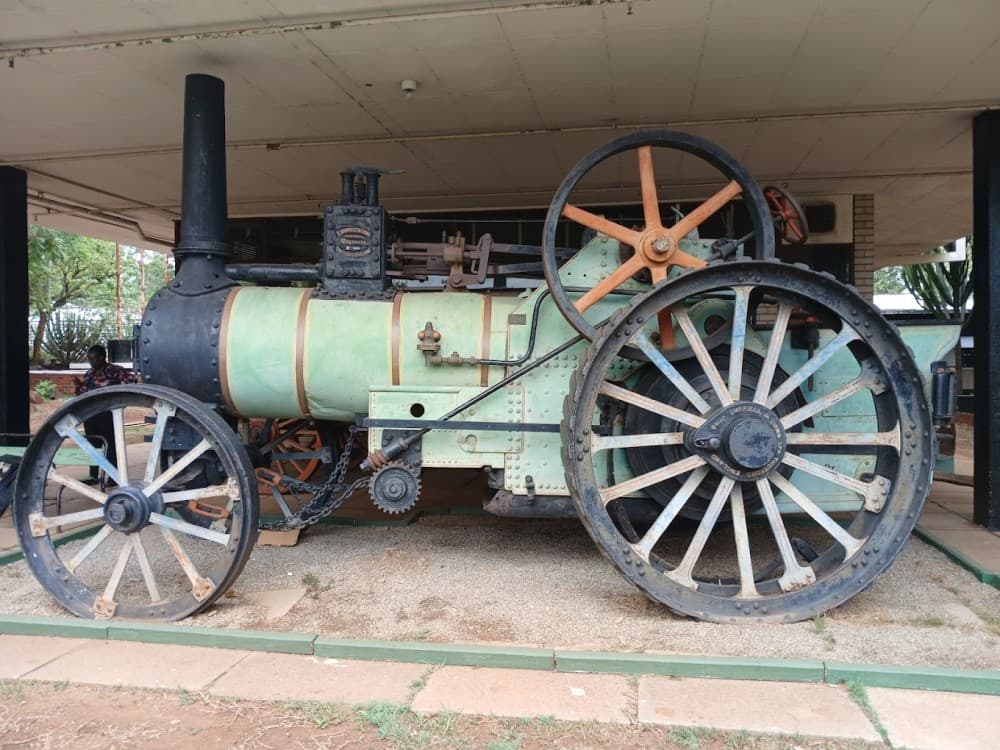
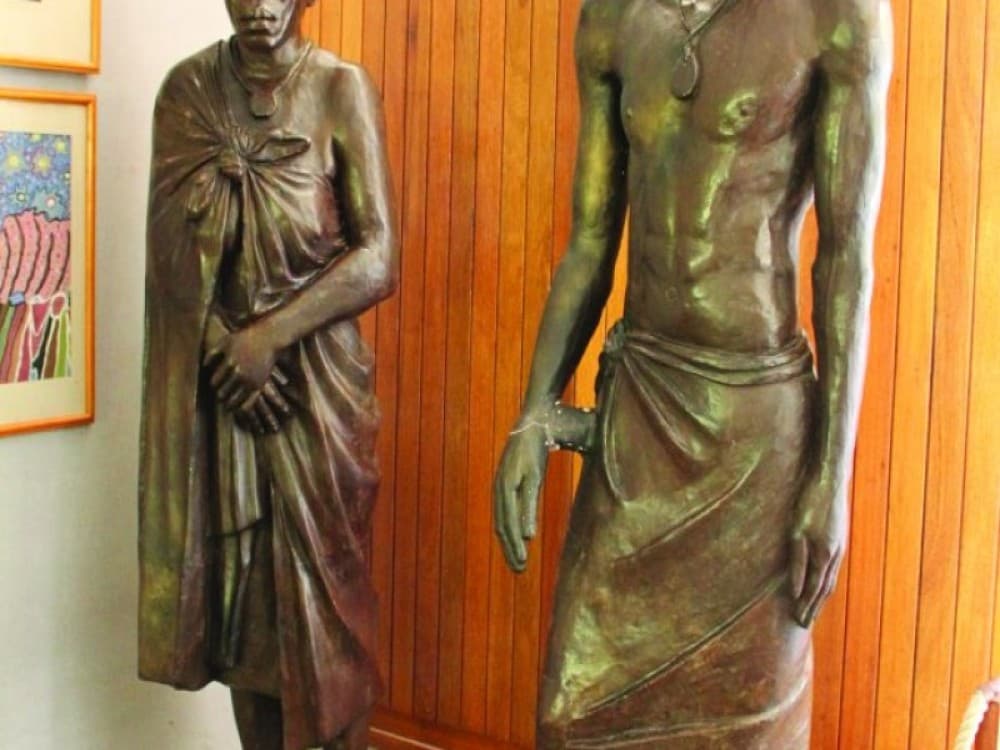
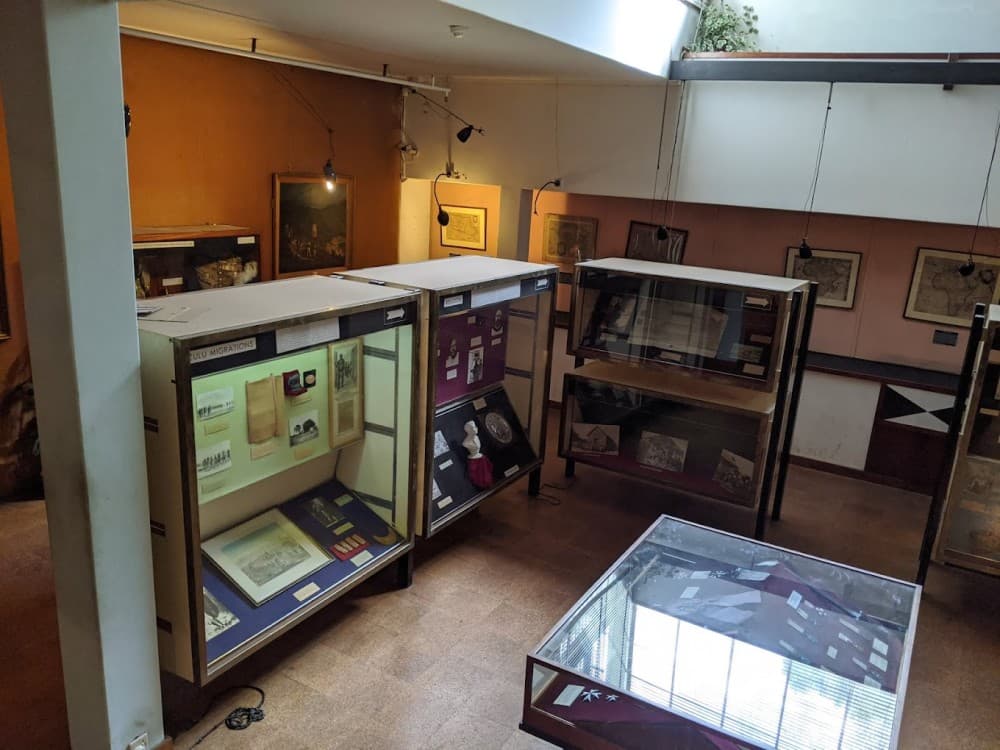
The National Archives of Zimbabwe is a hidden intellectual treasure and the prestigious custodian of the nation’s documented history. Located in the quiet, leafy suburb of Gunhill, this institution houses an incredible repository of artifacts, rare manuscripts, and historical photographs that trace Zimbabwe’s journey from pre-colonial times to the modern era. Inside, visitors can explore the Upstairs Gallery, which features insightful displays on the First and Second Chimurenga (wars of liberation). The mezzanine floor is particularly famous for housing the original paintings and sketches of the famed explorer Thomas Baines, as well as King Lobengula’s elephant seal. It is a place of quiet dignity where the scent of old parchment and the hushed atmosphere of the reading rooms provide a scholarly retreat from the city center, making it a must-visit for any traveler interested in the deep-seated narratives of Southern Africa.
National Archives of Zimbabwe Touren und Tickets

Es gibt noch keine Touren in National Archives of Zimbabwe.

Alles über National Archives of Zimbabwe

Was Sie erwartet

The National Archives is located on Ruth Taylor Road, just off Borrowdale Road in the Gunhill area. For 2025, the facility is open to the public from Monday to Friday, between 8:30 AM and 4:30 PM; please note that the gallery and research rooms typically close for lunch between 1:00 PM and 2:00 PM. The institution is closed on weekends and public holidays. There is a nominal entrance fee for the gallery, usually around 5 to 10 USD for international visitors. If you wish to conduct specific research or access the library, you may need to apply for a temporary reader’s permit. The site offers basic amenities, including clean restrooms and a serene garden space. While there is no on-site cafe, its proximity to major suburbs means you are never far from high-quality dining options.

Warum diese Tour buchen

Because this is a high-security government facility, visitors are often required to sign a register and present a valid form of identification at the main gate. The atmosphere is strictly academic, so silence is expected within the building. If you plan on using the research facilities, it is highly recommended to contact the archivists in advance to ensure the materials you need are accessible. Photography is generally restricted in the main research areas to protect fragile documents, though you can usually take photos in the public gallery for a small additional fee. Wear comfortable shoes as there is a bit of walking involved between the different sections of the estate. Also, keep in mind that the archives are a working office for many historians, so being mindful of the researchers will ensure a welcoming experience for everyone.

Die richtige Tour auswählen

The National Archives is located approximately 5 kilometers north of Harare’s central business district. The most direct route is to head north on Sam Nujoma Street, which turns into Borrowdale Road. Once you reach the Gunhill area, turn right into Churchill Avenue East, then first right into Hiller Road, and finally right again into Ruth Taylor Road. For international travelers, a ride-hailing service like Vaya or Hwindi is the most convenient way to reach the site, costing roughly 7 to 10 USD from most central hotels. If you are driving yourself, the roads are fully tarred and the entrance is clearly signposted. Public transport "kombis" heading to Borrowdale can drop you on the main road, but you will have a roughly 10-minute walk through a quiet residential area to reach the gate.

Wissenswertes vor der Abreise

The best time to visit for a peaceful gallery tour is on a Tuesday or Wednesday morning around 10:00 AM. This allows you plenty of time to explore the exhibits before the staff takes their midday break. If you are a researcher, arriving exactly at 8:30 AM is essential to maximize your day before the early evening closure. Weather-wise, the archives are a perfect indoor destination throughout the year, offering a cool refuge during the scorching heat of October or a dry sanctuary during the rainy season from November to March. For the best natural light to view the Thomas Baines paintings in the gallery, mid-morning is ideal. Always double-check the calendar for Zimbabwean public holidays, as the archives are a government institution and will strictly observe all national closures.