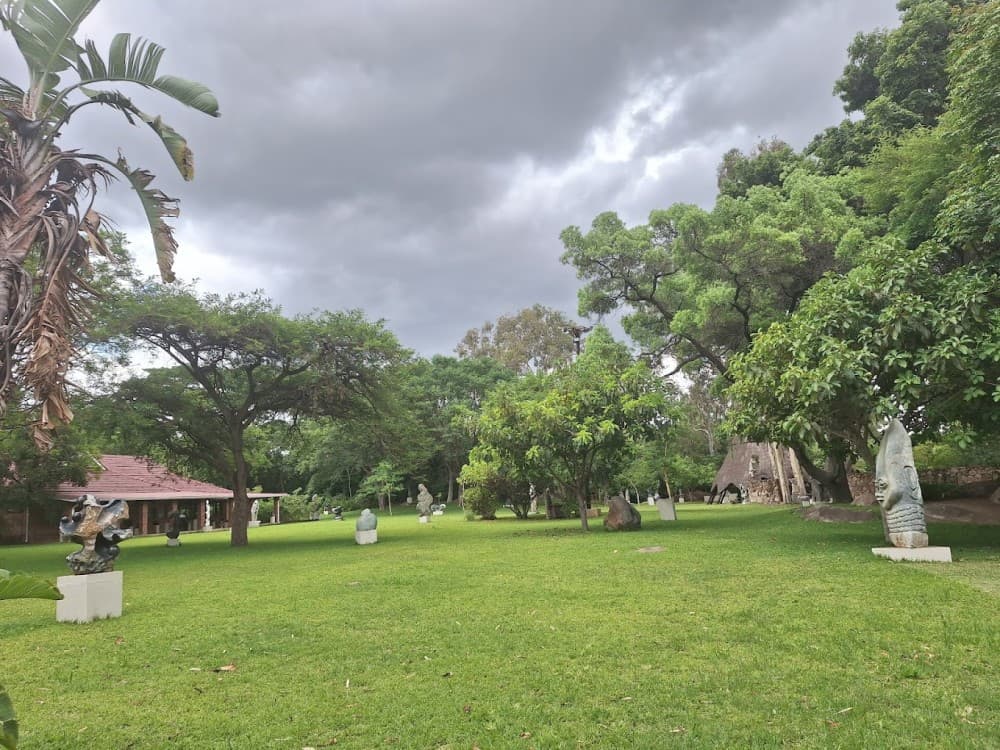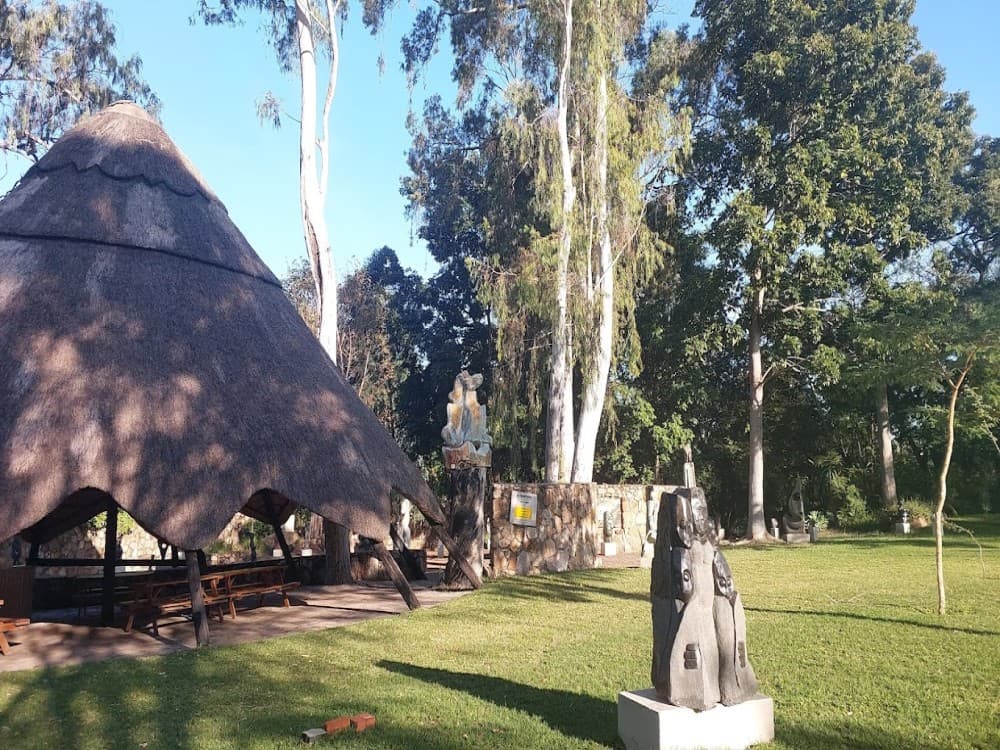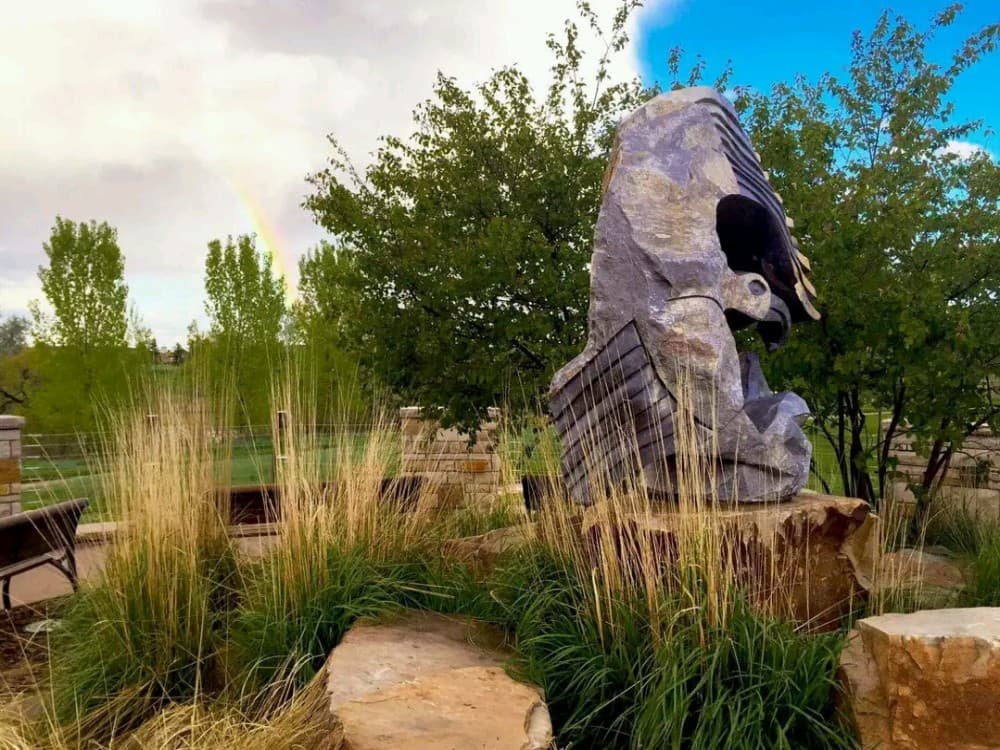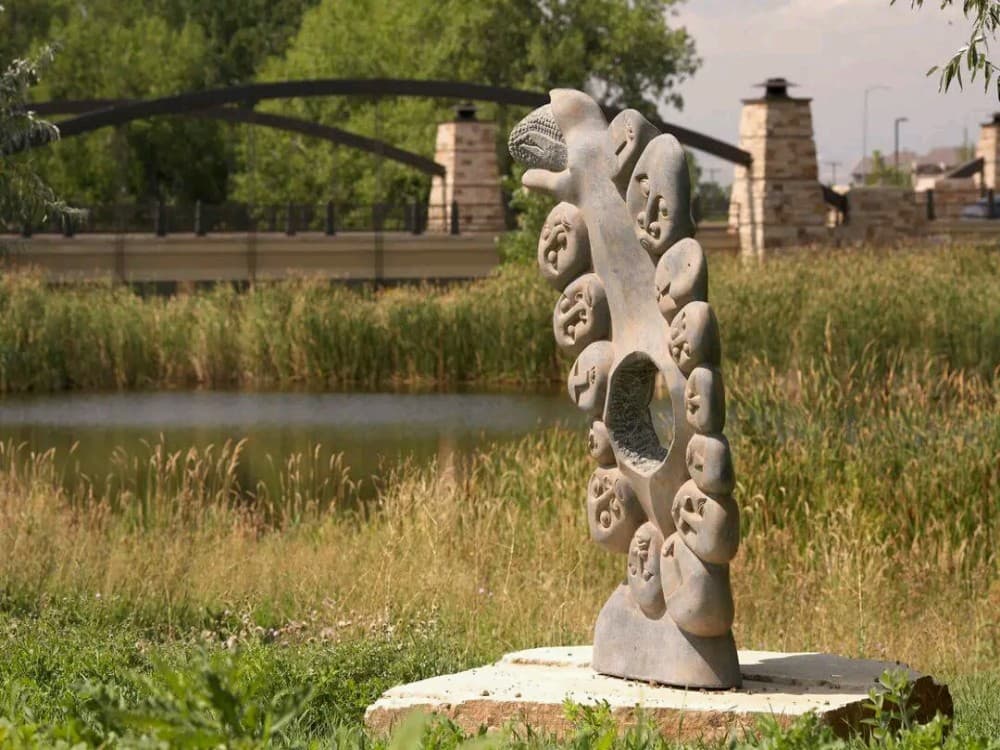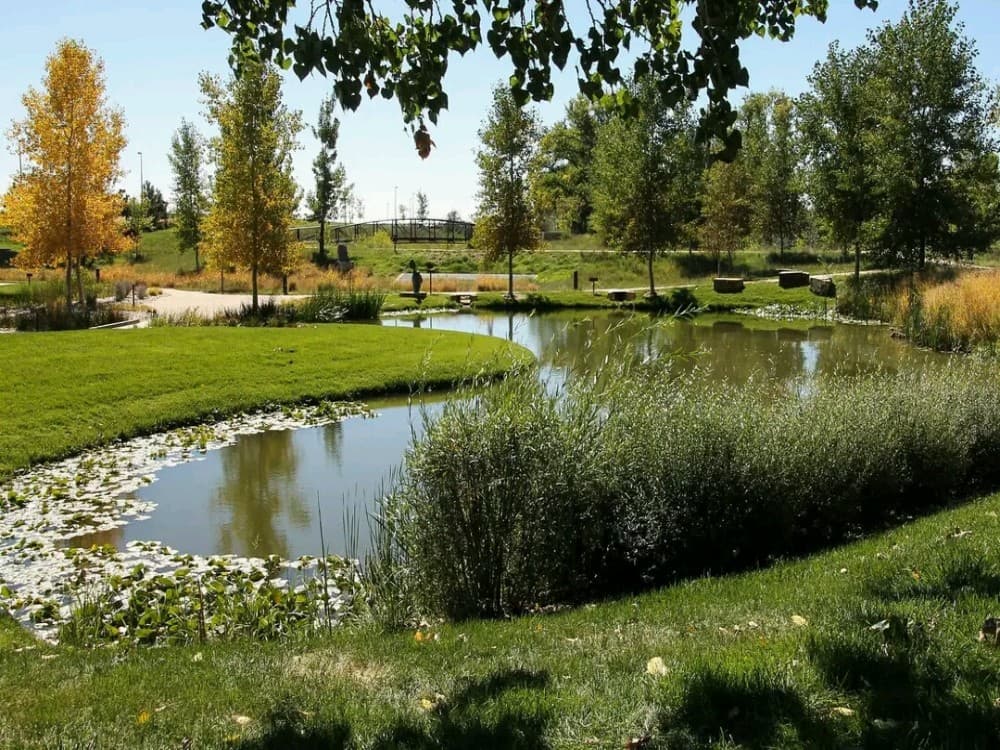
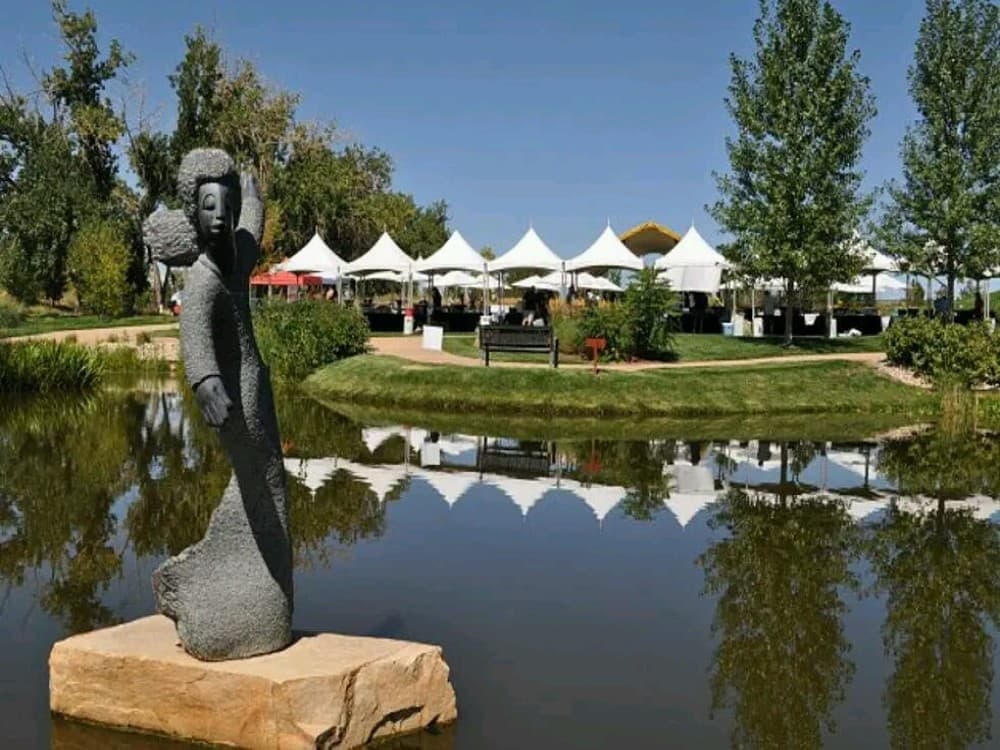
Chapungu Sculpture Park is a sprawling 20-acre cultural sanctuary located in the Msasa industrial area, dedicated to the preservation and promotion of Zimbabwean stone sculpture. Established in 1970, the park serves as both an open-air gallery and a tranquil botanical garden, featuring one of the world’s most extensive collections of Shona art. The sculptures, carved from various types of serpentine and springstone, are expertly integrated into the natural landscape, nestled among indigenous trees and serene water features. Each piece tells a story of tradition, spirituality, or family, reflecting the deep soul of the nation. It is a place where art and nature converge, providing a meditative space for visitors to witness the evolution of a world-renowned art movement while escaping the urban hustle.
Es gibt noch keine Touren in Chapungu Sculpture Park.
The park is located at 1 Harrow Road in Msasa and is generally open to the public from Monday to Friday, 9:00 AM to 4:30 PM, and Saturdays until 1:30 PM. Entrance fees for international visitors are approximately 10 USD, with reduced rates for local residents. The site includes a large outdoor exhibition area, a professional gallery for smaller pieces, and a gift shop where authentic, certified works can be purchased. For those looking for a more hands-on experience, the park often hosts resident artists who are happy to demonstrate their carving techniques. Facilities include clean restrooms and a small cafe for light refreshments. It is an ideal destination for art collectors and casual tourists alike, offering a safe and well-organized environment to appreciate the highest quality of Zimbabwean craftsmanship.
Before you visit, it is helpful to know that many of the sculptures are quite large, so plan to spend at least two hours walking through the extensive gardens. Wear comfortable walking shoes, as the paths can be uneven in certain sections. If you are interested in purchasing art, the gallery provides professional crating and international shipping services to ensure your treasures reach home safely. Photography for personal use is encouraged, and the staff are incredibly knowledgeable about the history of the "Masters" whose work is on permanent display. It is also worth checking the local events calendar, as the park occasionally hosts stone-carving workshops or cultural festivals. While the park is located near an industrial zone, once inside the gates, the atmosphere is remarkably quiet and peaceful.
Chapungu is located about 7 kilometers east of Harare city center, a journey of approximately 15 to 20 minutes. The most direct route is to head east on Samora Machel Avenue and then turn south into the Msasa industrial area toward Harrow Road. The park is situated within the Doone Estate, which is a well-known landmark. If you are not driving, using a ride-hailing app like Vaya or Hwindi is the most efficient way to arrive. You can also take a "kombi" (minibus) from the city center heading toward Msasa or Mabvuku and ask to be dropped off at the Doone Estate turn-off. For the best experience, many visitors arrange for a taxi to drop them off and return at a specified time, as finding a new ride from the industrial area in the late afternoon can sometimes be a wait.
The park is a great destination year-round, but the best time for a visit is during the dry season from May to October. During these months, the gardens are crisp and clear, providing excellent natural light for photographing the stone textures. To get the most personal experience, aim to arrive on a weekday morning around 10:00 AM; this is when the resident artists are most active and likely to engage in conversation about their creative process. Saturday mornings are also a popular choice for families and local residents, offering a more social atmosphere. If you visit during the rainy season between November and March, try to go in the morning to avoid the typical afternoon thundershowers. Regardless of the time, the lush greenery of the Msasa area provides a beautiful backdrop to the dark, polished stone of the statues.