Harare: Balancing Rocks | ®ExcursionMania
Harare

Balancing Rocks

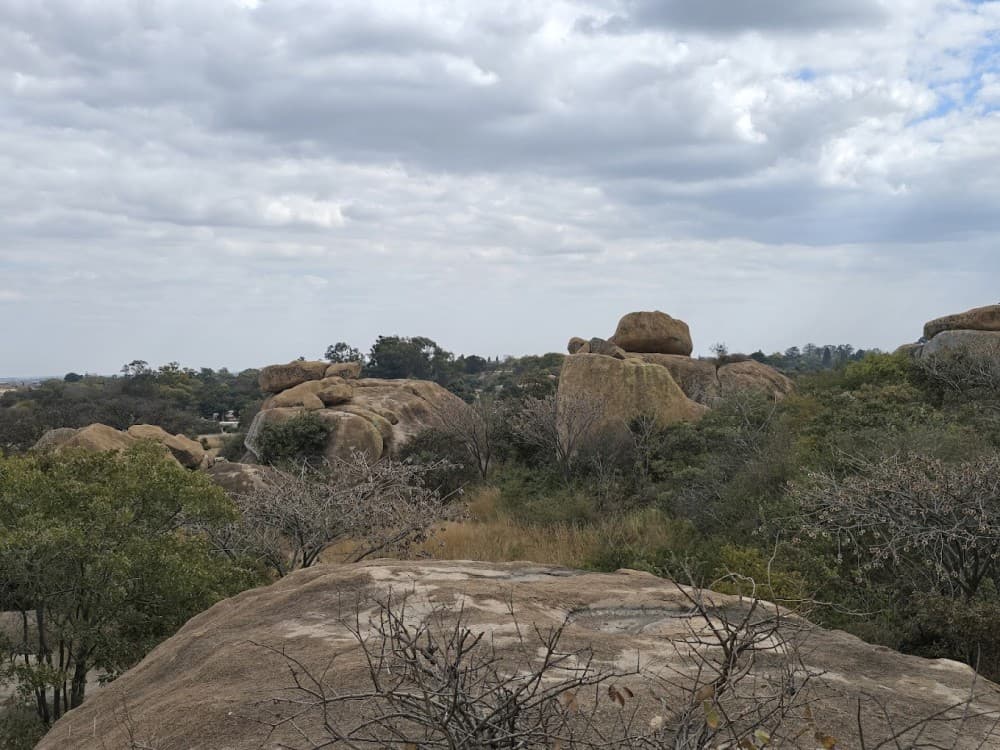
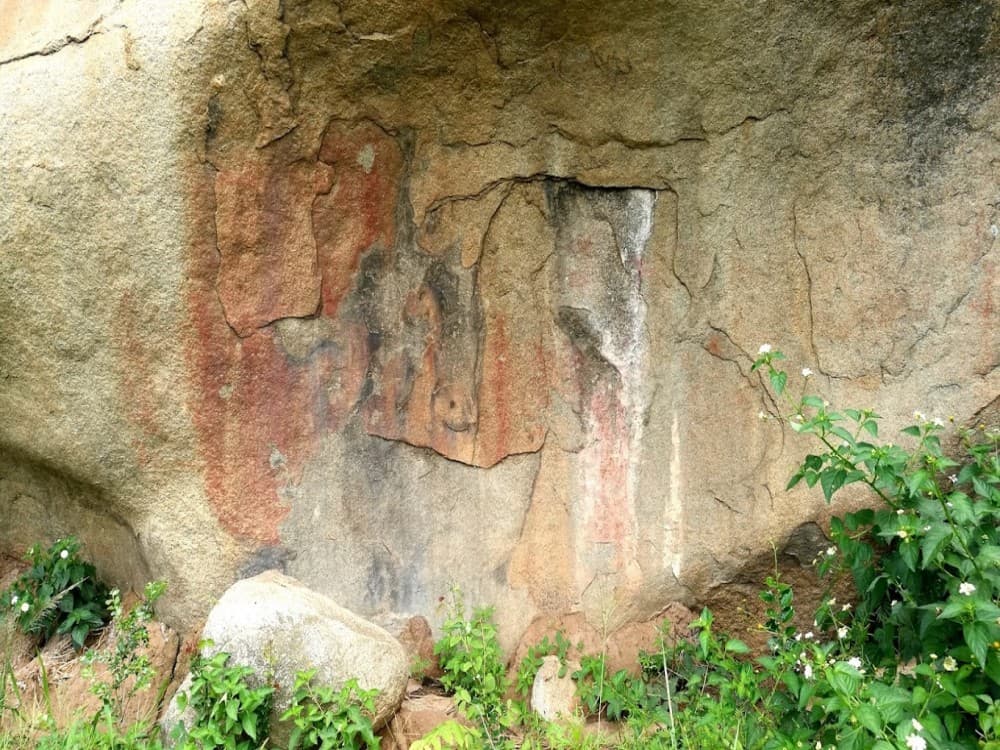
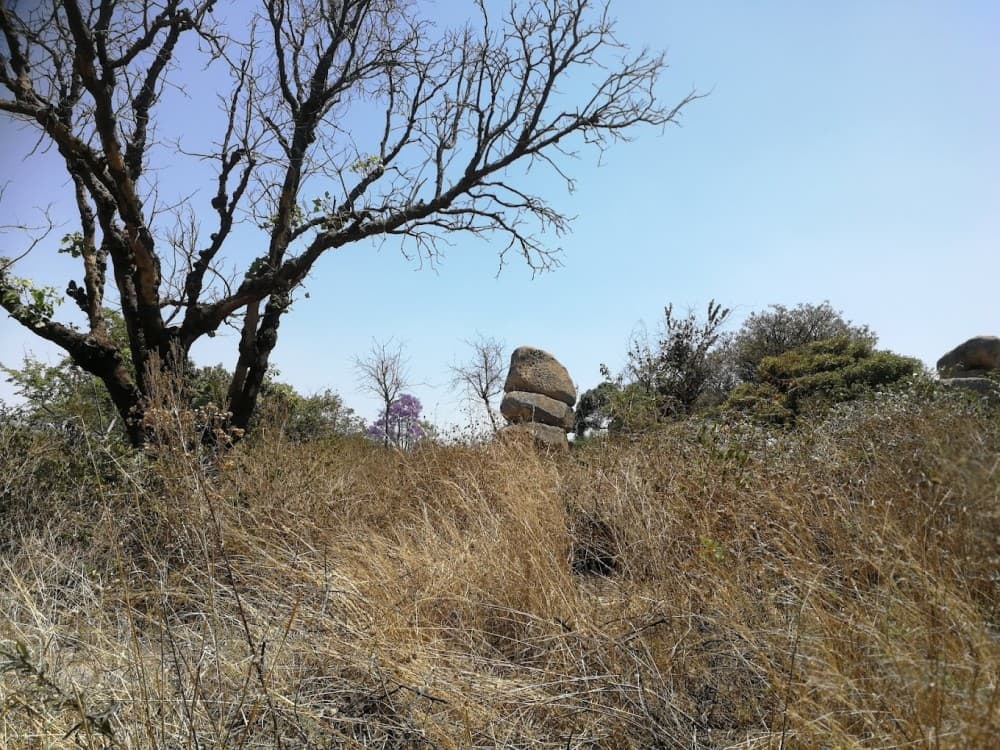
The Balancing Rocks are Zimbabwe’s most famous geological wonders and a powerful symbol of the nation’s heritage. Located in the Epworth district, these massive igneous granite formations have been sculpted over millions of years by natural erosion. The most iconic group, known as the Mother and Child rocks, is famously depicted on all Zimbabwean banknotes. These gravity-defying boulders stand in precarious stacks, appearing as if they might tumble at any moment, yet they remain perfectly stable. The site was declared a National Monument in 1994 to protect its unique beauty and cultural significance. Beyond the rocks themselves, the area features scattered San rock art and offers a panoramic view of the surrounding landscape. It is a place of quiet reflection that showcases the supernatural artistry of the natural world.
Balancing Rocks Touren und Tickets

Es gibt noch keine Touren in Balancing Rocks.

Alles über Balancing Rocks

Was Sie erwartet

The Chiremba Balancing Rocks are open daily to the public from 9:00 AM to 5:00 PM. As a national monument managed by the National Museums and Monuments of Zimbabwe, entry fees are required at the gate. As of 2025, international tourists typically pay approximately 10 USD, while local residents pay around 5 USD. Payments are usually accepted in cash, and it is wise to carry small denominations of US dollars. The park is relatively basic in terms of amenities, so you will not find luxury cafes or shops inside. There are simple restroom facilities, and you can often find local guides at the entrance who are happy to share the history of the rocks for a small tip. Parking is available inside the gates, and visitors are free to walk among the various rock clusters at their own pace.

Warum diese Tour buchen

Because the site is located in a rustic and less-developed area, it is highly recommended to visit in a group or with a hired guide for peace of mind. There are no food or drink vendors on-site, so be sure to pack your own water and snacks if you plan to stay for a few hours. Wear sturdy walking shoes with good grip, as you may want to scramble up some of the lower rock formations for better views. If you are a photography enthusiast, bring a wide-angle lens to capture the full scale of the formations against the vast African sky. It is also important to respect the environment by staying on the designated paths and not leaving any litter behind. For safety and the best visibility, ensure you conclude your visit and head back to the city well before sunset.

Die richtige Tour auswählen

The rocks are located roughly 13 kilometers southeast of Harare’s city center. The most convenient way to reach them is by private car or a hired taxi. From the city, follow Chiremba Road heading toward Epworth. The journey usually takes about 20 to 30 minutes depending on traffic. If you are using a ride-hailing app like Vaya or Hwindi, it is often better to negotiate a "wait and return" fare with the driver, as it can be difficult to find a new ride for the return trip from the monument gate. For those using public transport, you can take a minibus (kombi) heading to Epworth from the city center ranks, but you will likely need to walk a short distance from the drop-off point to the monument entrance. Using a dedicated tour operator from Harare is the most seamless option for international travelers.

Wissenswertes vor der Abreise

The best time to visit the Balancing Rocks is during the dry season, which runs from May to October. During these months, the weather is pleasantly cool and sunny, providing the best lighting for photography and comfortable conditions for walking. Early morning, shortly after opening at 9:00 AM, is ideal for beating the midday heat and enjoying the site in near-solitude. Late afternoon is also a popular time, as the setting sun casts long shadows and gives the granite boulders a warm, golden glow. While the site is open during the rainy season from November to April, the rocks can become slippery, and afternoon thunderstorms may cut your visit short. If you visit on a weekday, you will likely have the entire park to yourself, whereas weekends draw more local families and school groups.