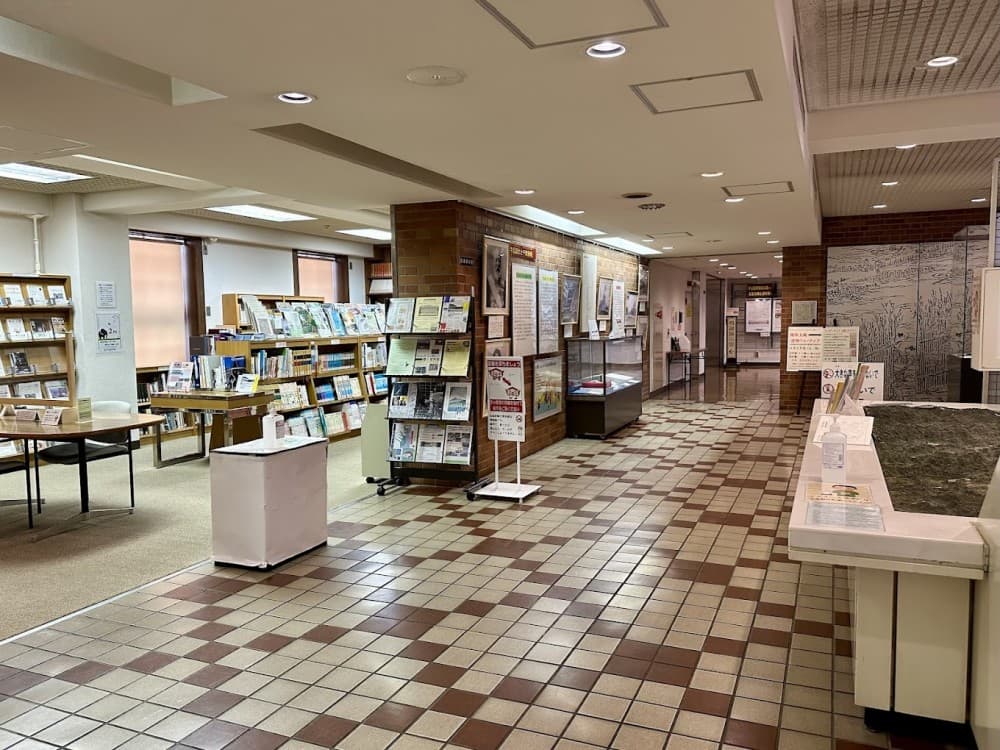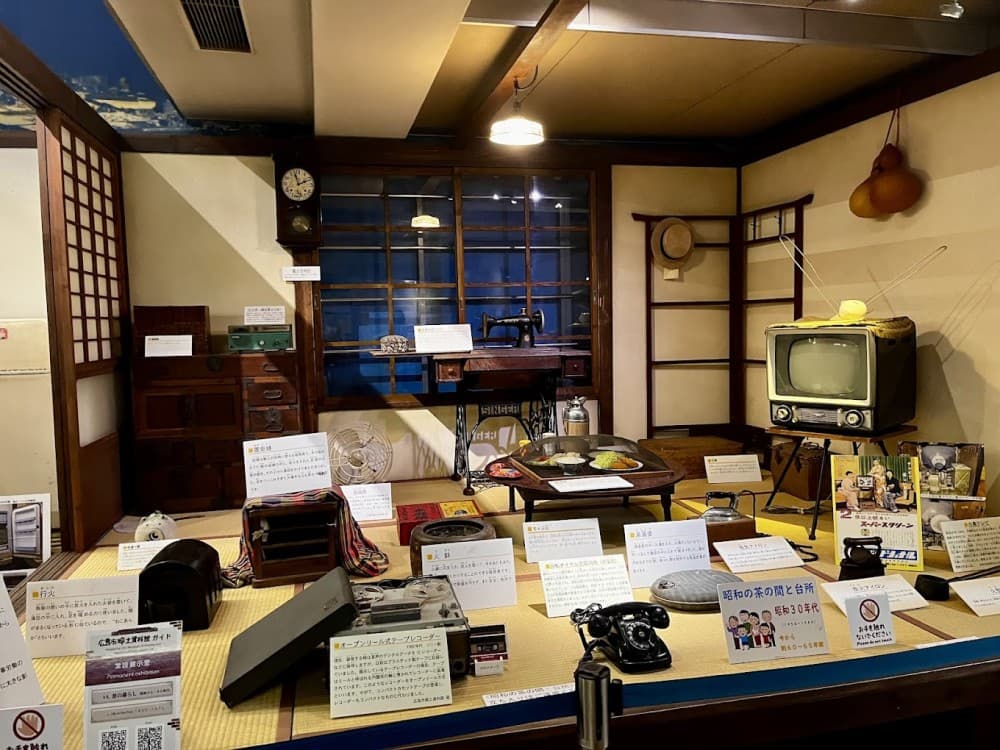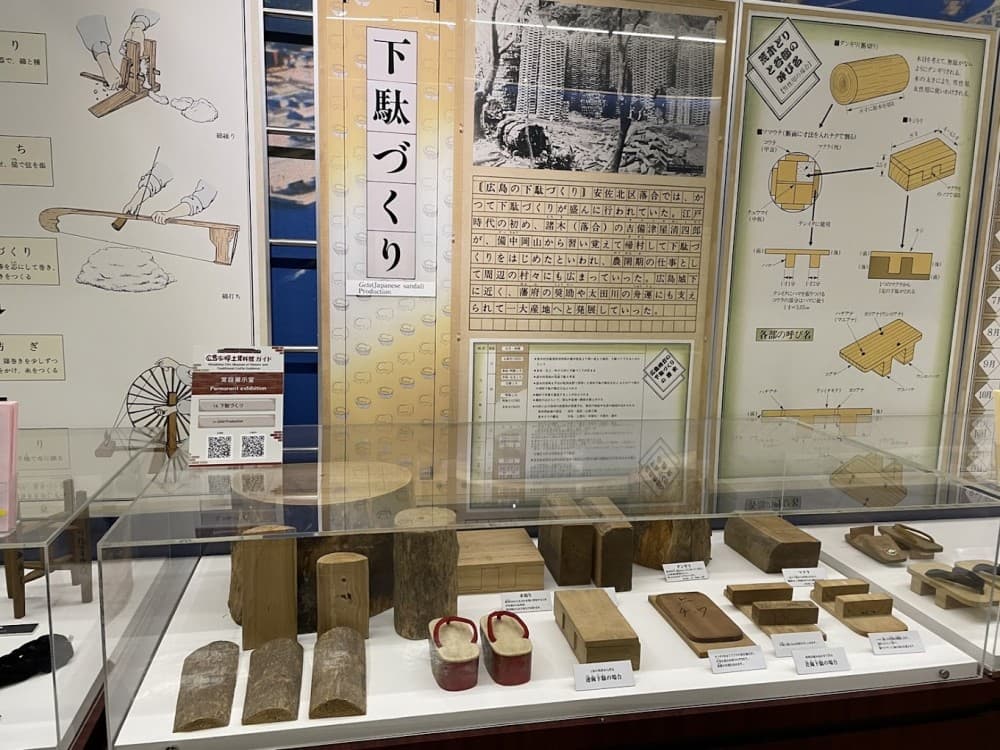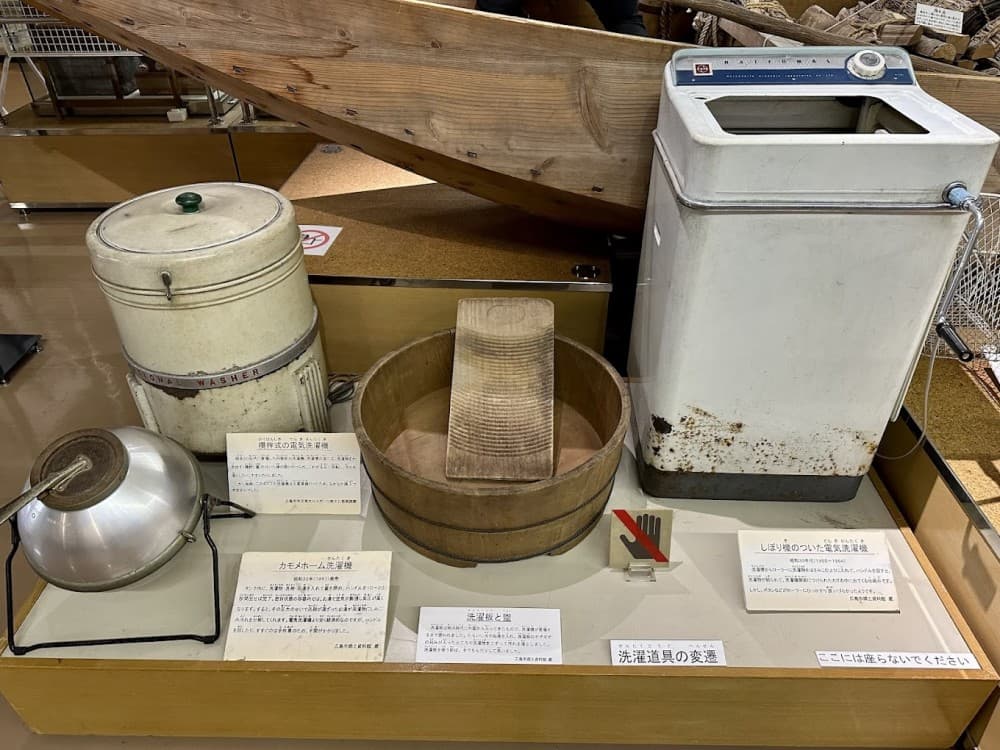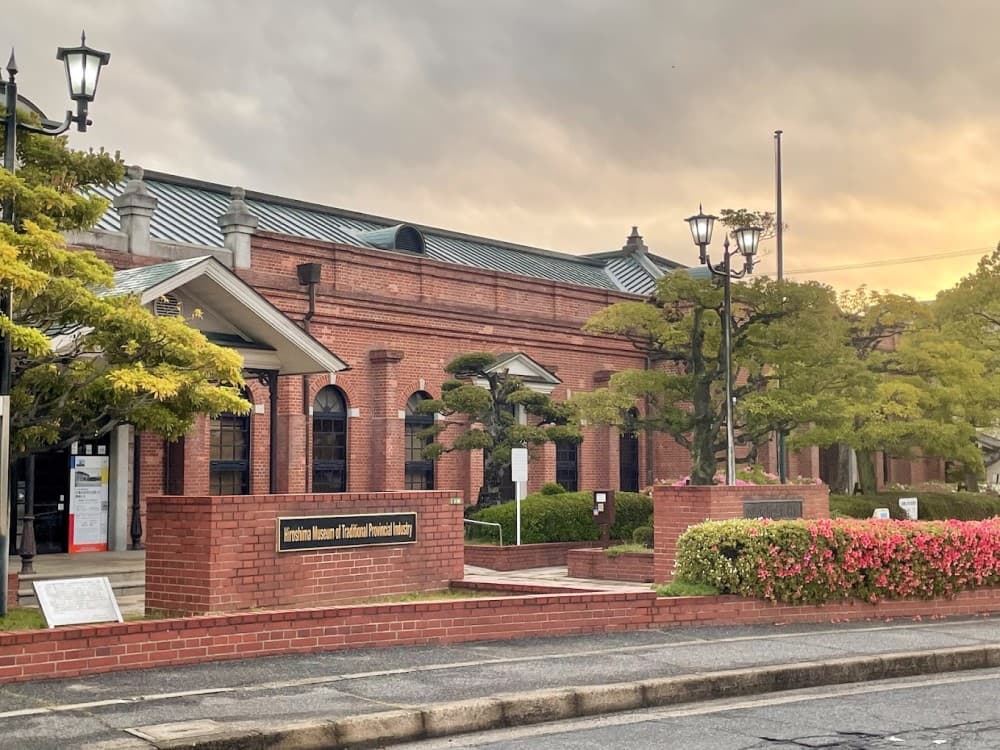
History and Traditional Crafts is a fascinating stop for visitors who want to understand Hiroshima’s cultural roots beyond the well-known peace landmarks. This museum showcases the daily life, crafts, tools, clothing, and lifestyles of people in Hiroshima from centuries past. Exhibits include traditional farming implements, textiles, pottery, and hands-on displays that bring history to life. Walking through the galleries feels like stepping into the rhythms of old Japanese towns, where skilled artisans shaped objects with purpose and beauty. The museum offers a meaningful, slower-paced experience that appeals to families, culture lovers, and curious travelers.
Es gibt noch keine Touren in History and Traditional Crafts Museum.
The museum is located in central Hiroshima, often near or within easily walkable distance from other local landmarks. There is a modest admission fee, and visitors can spend around one to two hours exploring the exhibits. The interior is well organized, including informative labels and some English translations for key displays. Highlights include traditional woodwork, weaving traditions, and seasonal cultural events that sometimes take place in the museum courtyard. Comfortable seating spaces are available throughout, so you can pause and reflect on what you’ve learned.
Before you visit, know that this is a quieter, educational experience rather than an interactive theme park. Photography may be restricted in some areas to protect fragile artifacts, so keep an eye on signage. Comfortable shoes help, as there is walking and standing during your tour. Exhibits are suitable for both adults and children, but children under a certain age may require supervision. If you love crafts, consider allowing extra time to read details about traditional techniques and tools.
Getting to the museum from central Hiroshima is straightforward. If you are near Peace Memorial Park or Hiroshima Castle, it is often a pleasant walk or a short tram ride away. Streetcars and buses run frequently through central lines, and you can ask local drivers to take you close to the museum if needed. The area around the museum is pedestrian friendly, so combining this visit with nearby cafés and shops makes logistical sense.
The museum is open throughout the week except on one weekday when it closes for maintenance or rest, so check hours before going. Arriving in the morning helps you explore at a leisurely pace before lunch crowds. Spring and autumn make the walk between exhibits and nearby gardens especially pleasant. Summers can be warm, so cool indoor spaces in the museum are inviting, while winters offer a quiet cultural refuge.