Kyoto: Daigo-ji Temple | ®ExcursionMania
Kyoto

Daigo-ji Temple

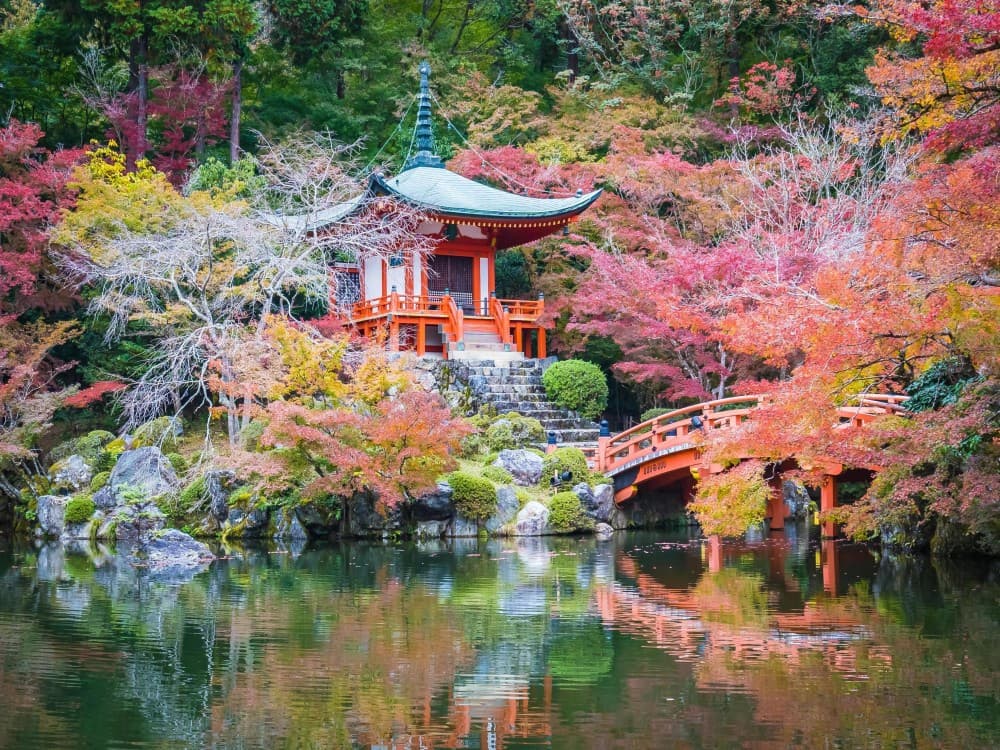
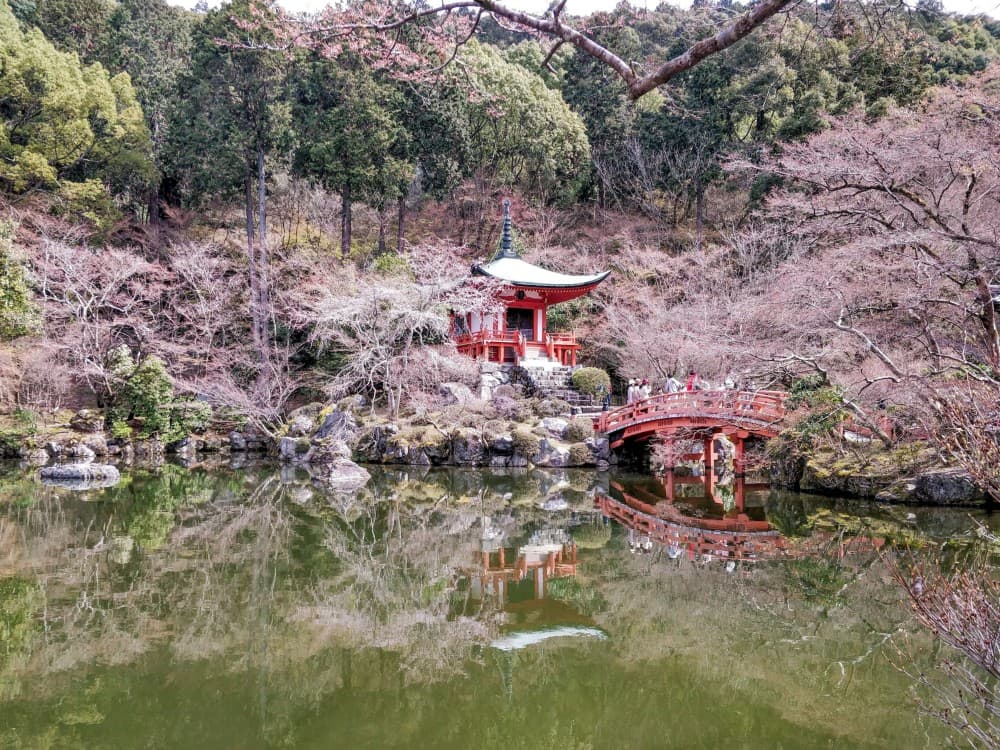
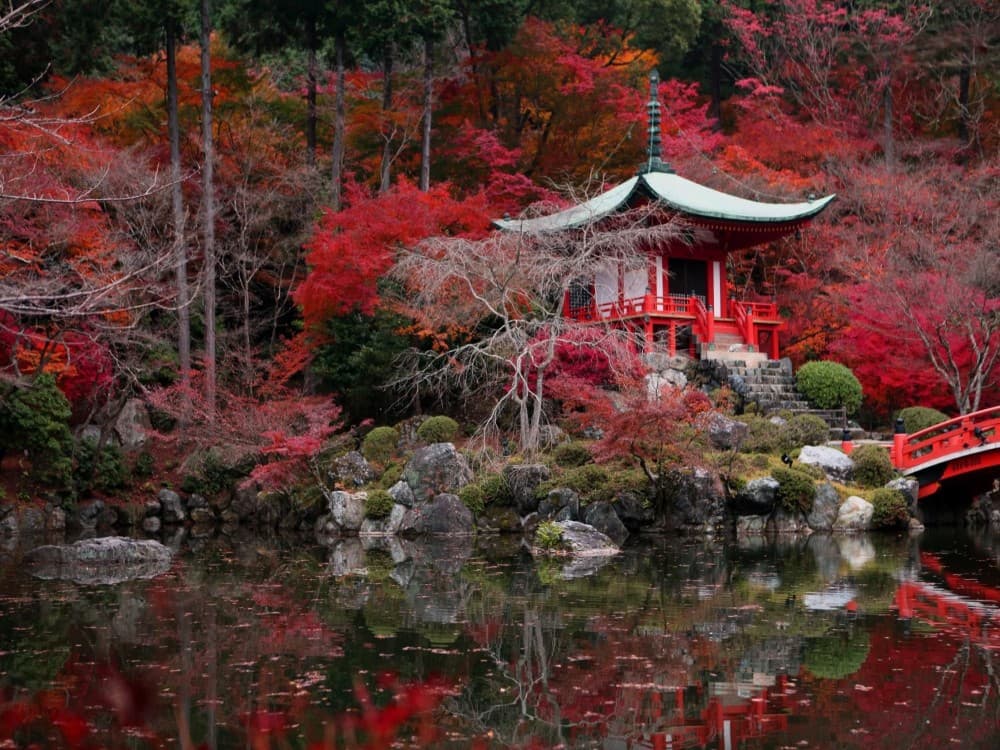
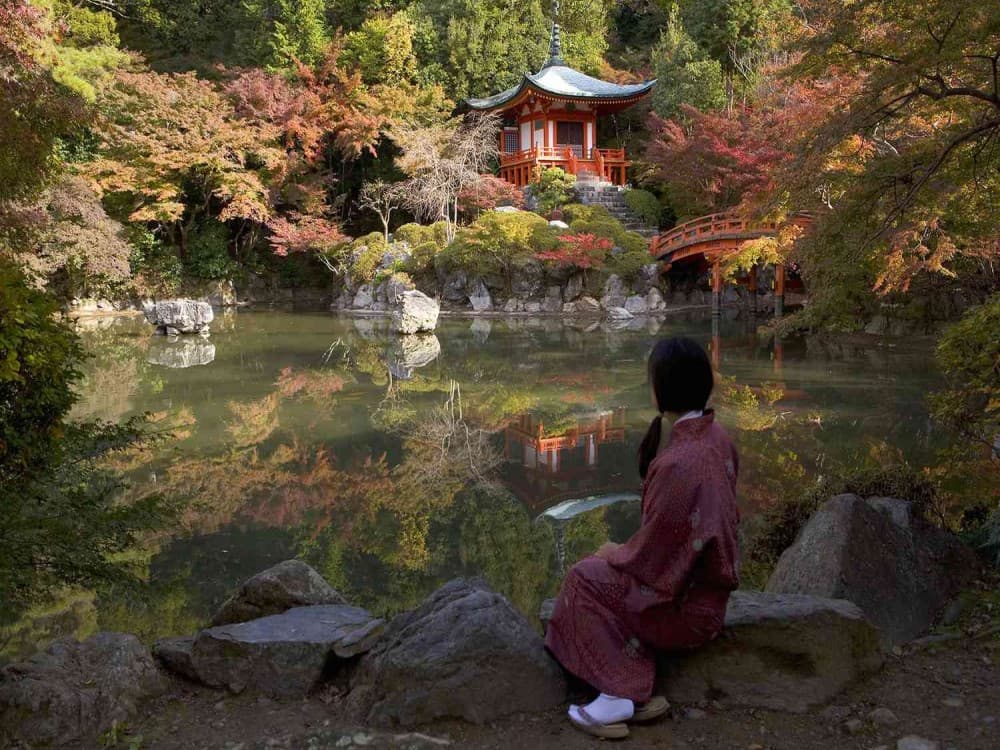
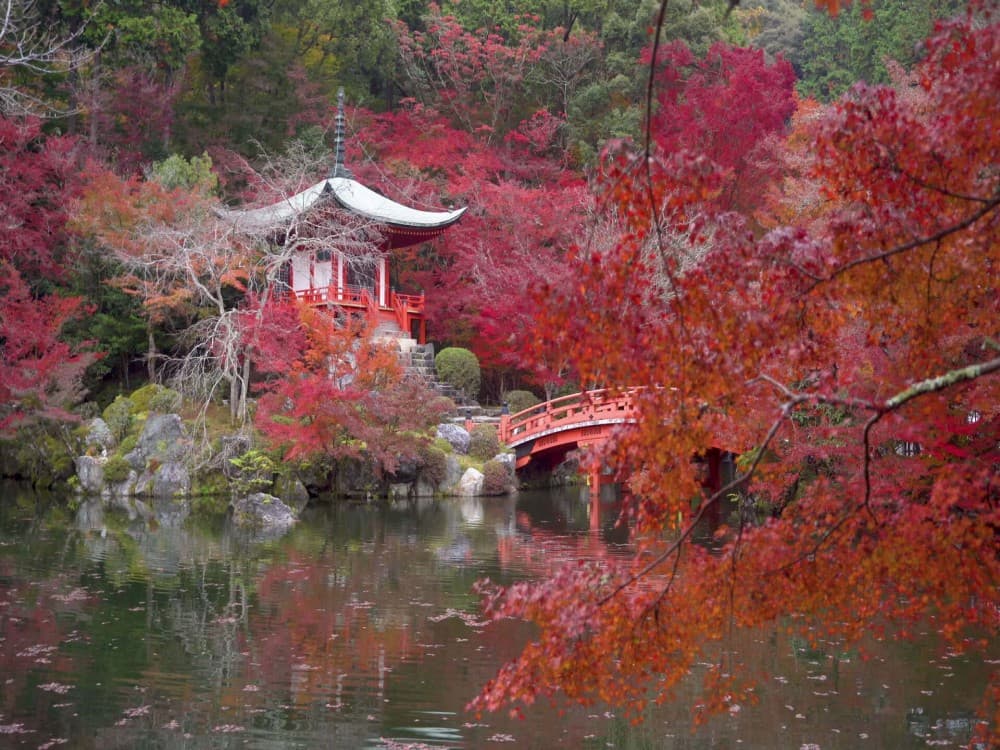
Daigo-ji Temple is a vast and historic Buddhist complex located in southeastern Kyoto, set on the forested slopes of Mount Daigo. As a UNESCO World Heritage Site, it is especially famous for its cherry blossoms and its deep connection to Japanese history and culture. The temple grounds are divided into lower and upper areas, offering a mix of grand halls, pagodas and mountain scenery. For travelers on holiday in Kyoto, Daigo-ji provides a rewarding blend of history, nature and seasonal beauty away from the city center crowds.
Daigo-ji Temple Touren und Tickets

Es gibt noch keine Touren in Daigo-ji Temple.

Alles über Daigo-ji Temple

Was Sie erwartet

Daigo-ji belongs to the Shingon school of Buddhism and dates back to the 9th century. The lower temple area includes the iconic five-story pagoda, while the upper mountain area offers hiking paths and quieter halls. Some sections of the grounds are free, while others require admission. The complex is large, and a full visit can take two to three hours. The terrain varies from flat paths to uphill trails, especially in the upper area.

Warum diese Tour buchen

Wear comfortable walking shoes, as the grounds are extensive and include slopes and stairs. Shoes must be removed when entering indoor halls. Photography is generally allowed outdoors, but restrictions may apply inside buildings. Bring water, especially in warmer months, as facilities are spread out. During cherry blossom season, the temple can be very busy, so arriving early is recommended.

Die richtige Tour auswählen

From Kyoto Station, take the subway Tozai Line to Daigo Station. From there, it is about a 10-minute walk to the entrance of the lower temple area. Clear signs guide visitors from the station. The temple is easy to reach by public transport and does not require a long walk from the station.

Wissenswertes vor der Abreise

Spring is the most popular time to visit Daigo-ji due to its famous cherry blossoms, which usually bloom slightly later than central Kyoto. Autumn offers colorful foliage and fewer crowds. Summer can be hot, especially on the mountain paths, while winter is quiet and atmospheric. Morning visits are best for exploring the large grounds comfortably.