Kyoto: Ninna-ji Temple | ®ExcursionMania
Kyoto

Ninna-ji Temple

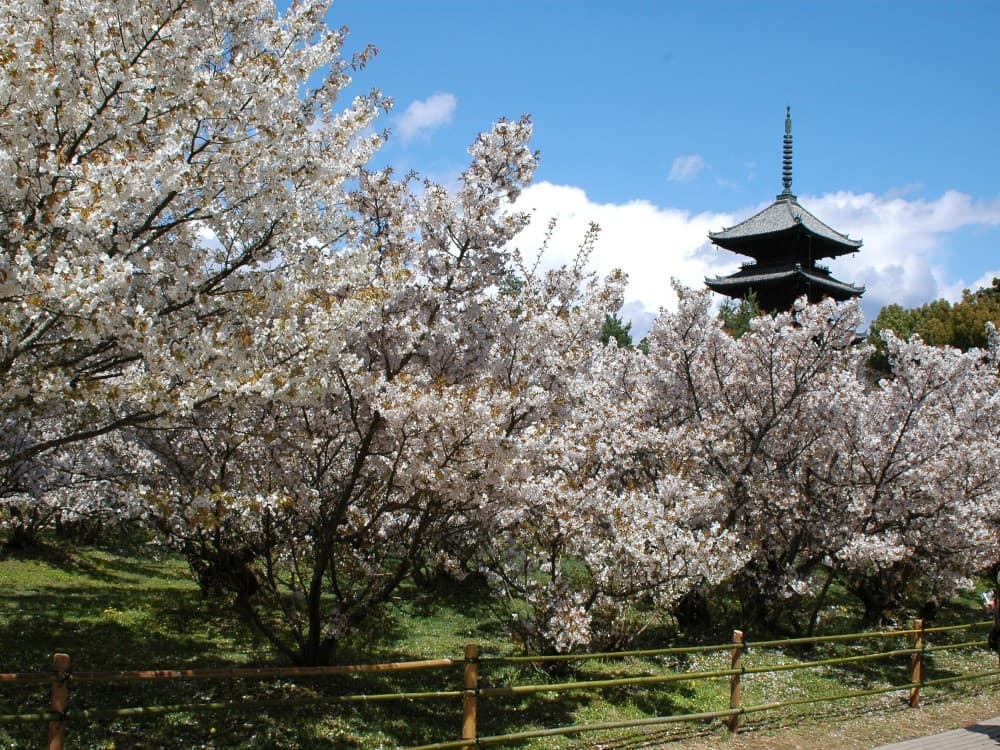
Ninna-ji Temple is a spacious and elegant Buddhist temple located in northwestern Kyoto, known for its calm atmosphere and historic connection to Japan’s imperial family. As a UNESCO World Heritage Site, it offers visitors a chance to explore refined architecture, wide temple grounds and beautiful gardens without the heavy crowds found at some other famous temples. Ninna-ji is especially renowned for its late-blooming cherry blossoms, making it a rewarding visit for travelers seeking a quieter and more traditional Kyoto experience.
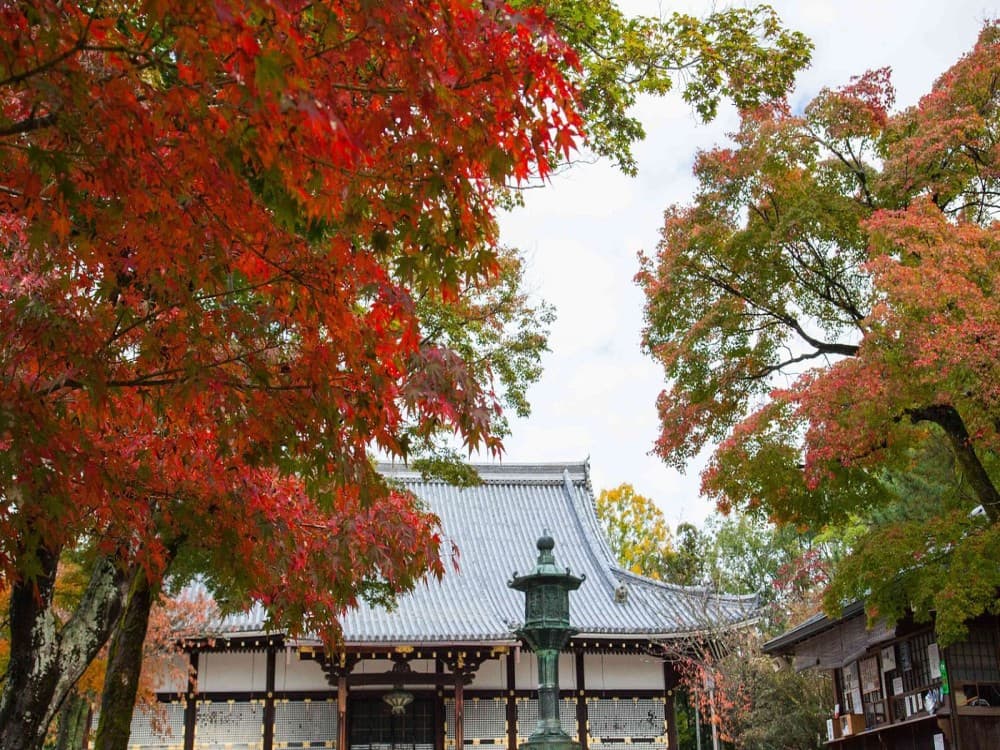
Ninna-ji Temple Touren und Tickets

Es gibt noch keine Touren in Ninna-ji Temple.

Alles über Ninna-ji Temple

Was Sie erwartet

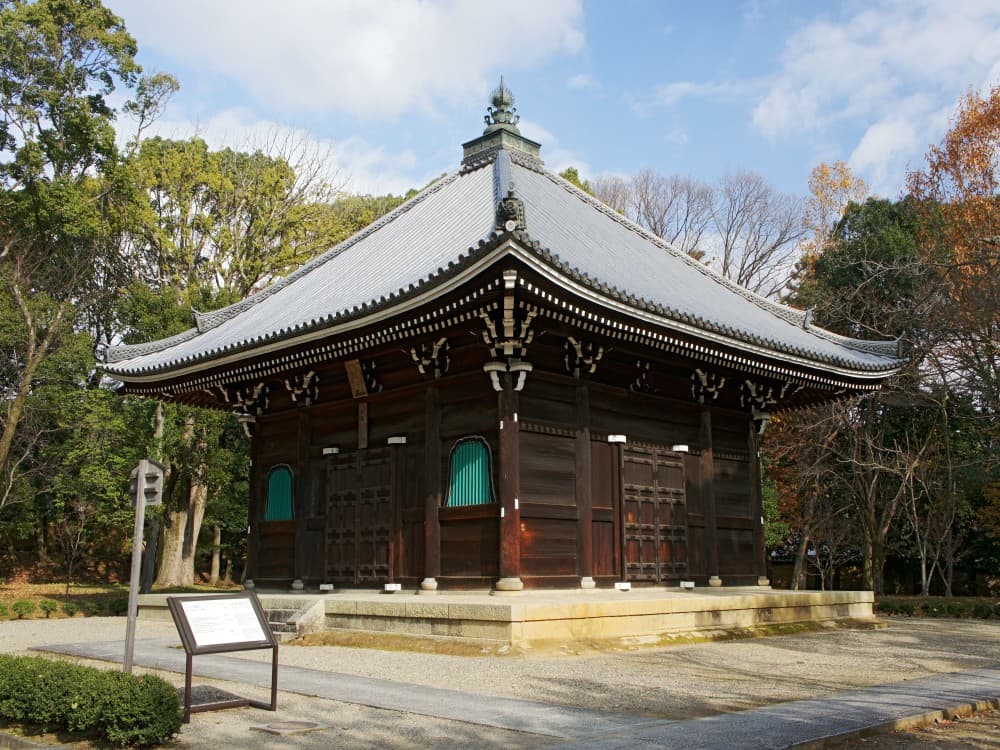
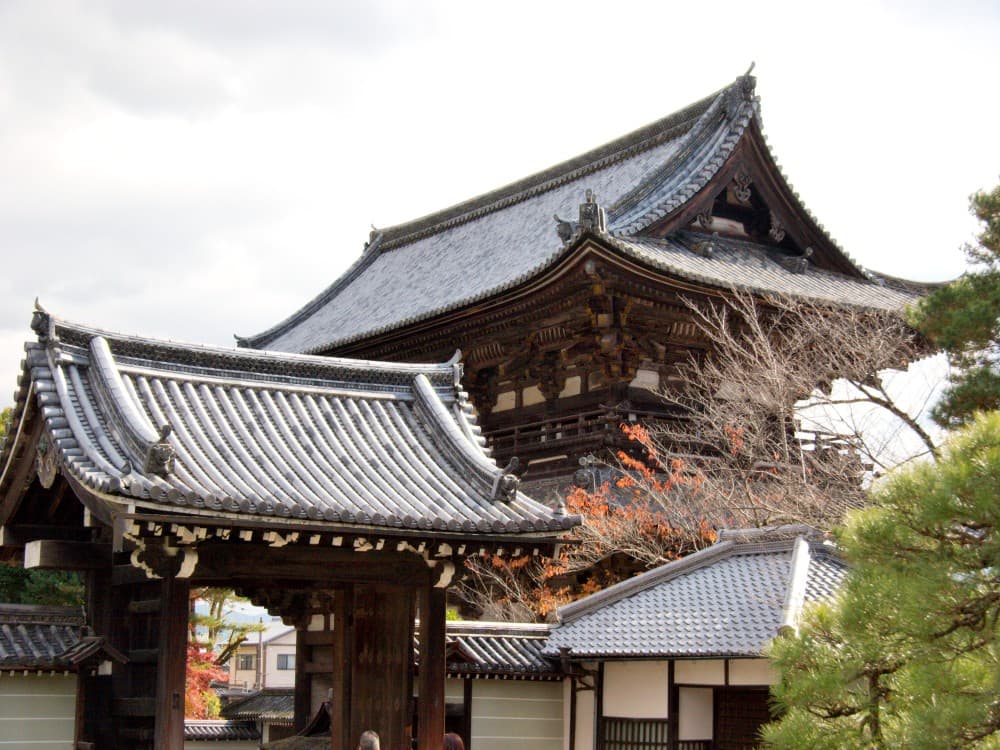
Ninna-ji belongs to the Shingon school of Buddhism and was founded in the late 9th century. The temple complex includes impressive gates, a pagoda, palace-style buildings and landscaped gardens. Entry to the outer grounds is free, while certain halls and garden areas require an admission fee. The grounds are flat and easy to explore, allowing visitors to walk at a relaxed pace. A typical visit takes around one to one and a half hours.

Warum diese Tour buchen

Shoes must be removed when entering indoor buildings, so wearing easy-to-remove footwear is recommended. Photography is generally allowed outdoors, but some indoor areas may have restrictions. During cherry blossom season, especially when the famous Omuro cherry trees bloom, the temple can become busy. Bring water in warmer months, as the grounds are large and mostly open. Visitors are expected to behave respectfully, as Ninna-ji remains an active religious site.

Die richtige Tour auswählen

From Kyoto Station, take a city bus toward the northwestern part of the city and get off near Ninna-ji. The temple is also easily reached by the Keifuku Randen tram line, with Omuro-Ninnaji Station located just a short walk from the main gate. Taxis are another convenient option, especially if combining the visit with nearby attractions.

Wissenswertes vor der Abreise

Morning is the best time to visit Ninna-ji, when the grounds are quiet and the light is soft. Late spring is particularly popular due to the Omuro cherry blossoms, which bloom slightly later than elsewhere in Kyoto. Autumn offers colorful foliage and a peaceful atmosphere. Weekdays are generally less crowded than weekends, especially outside peak blossom season.