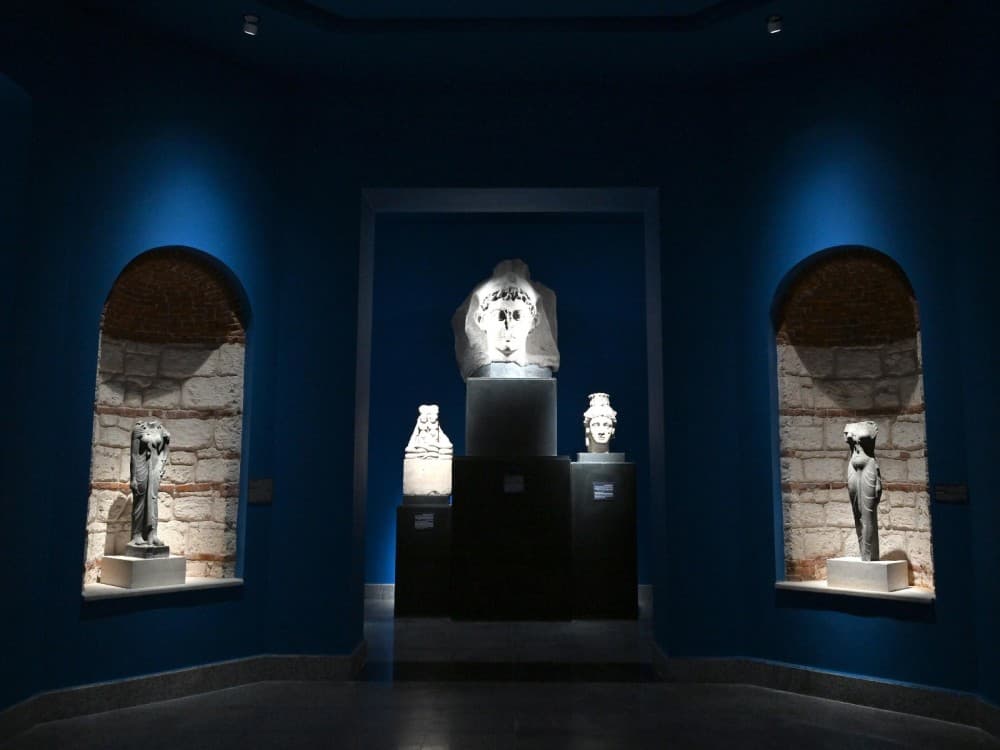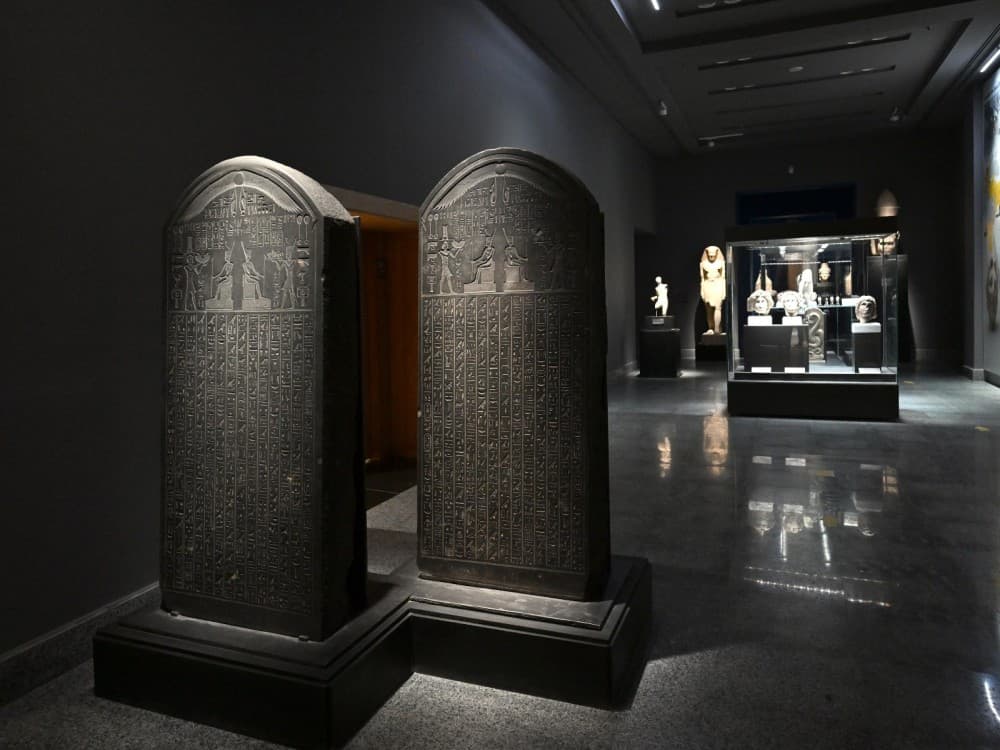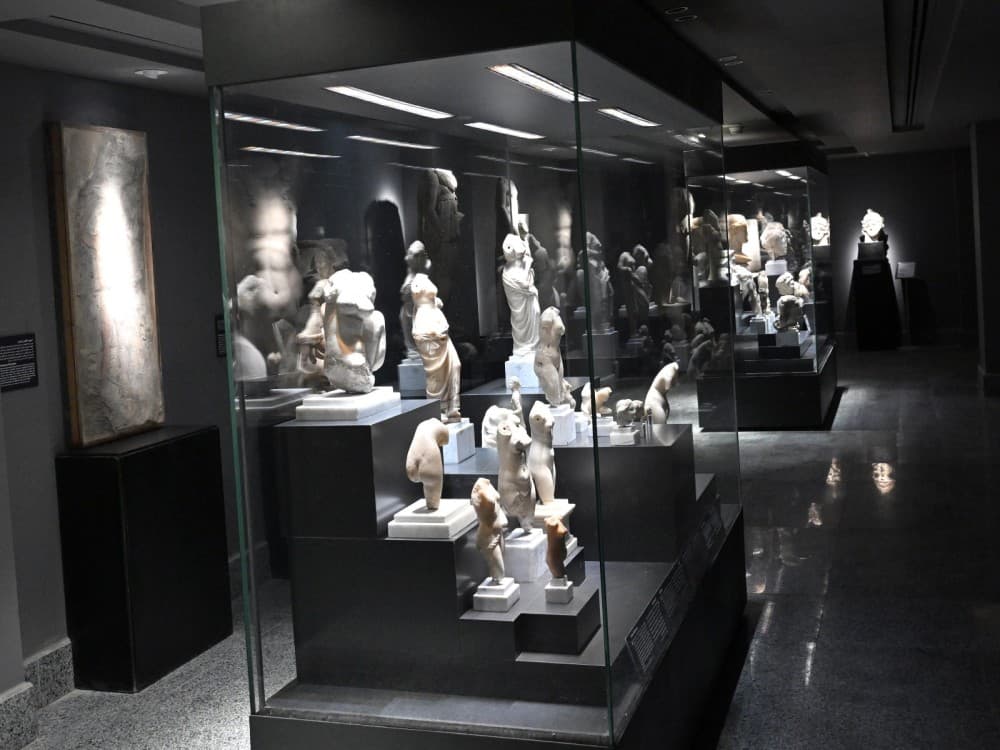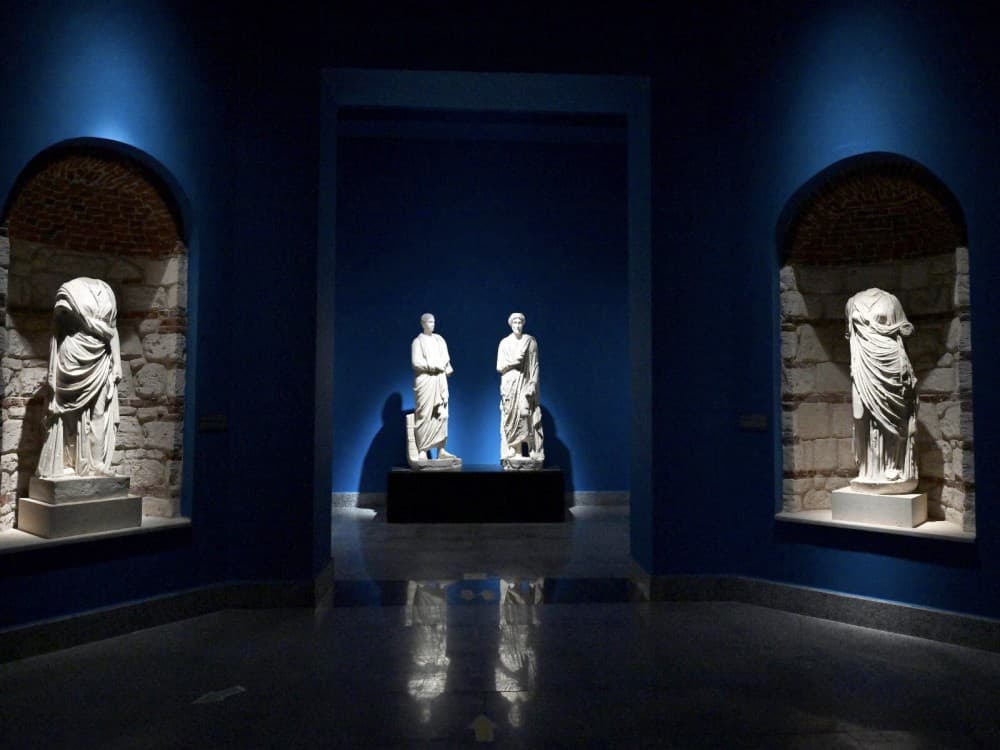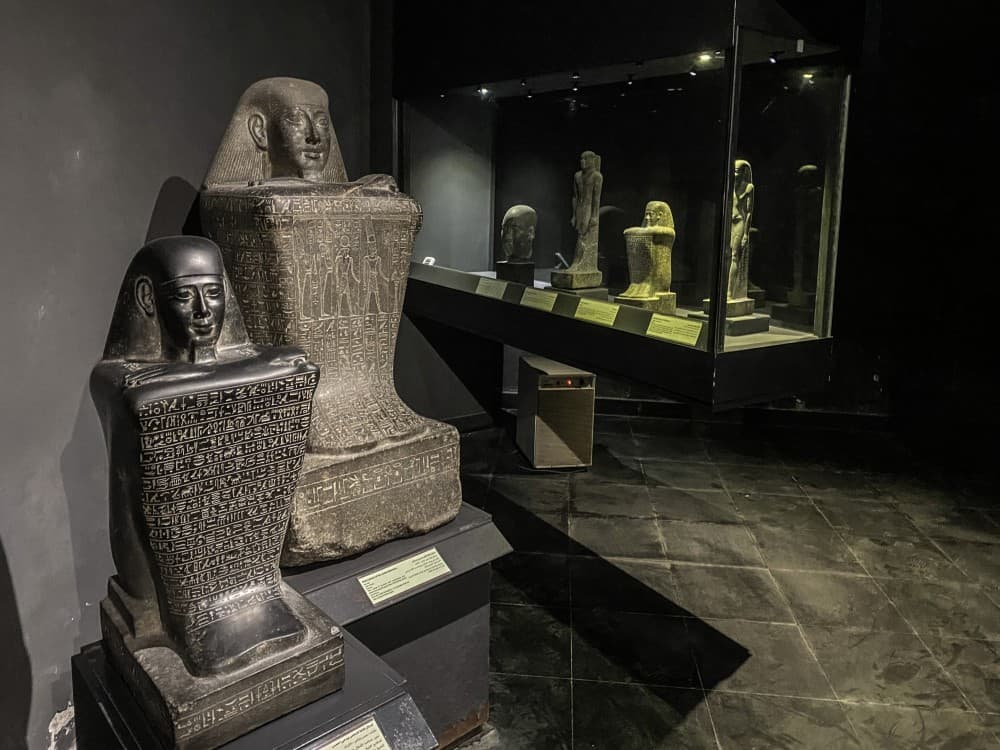
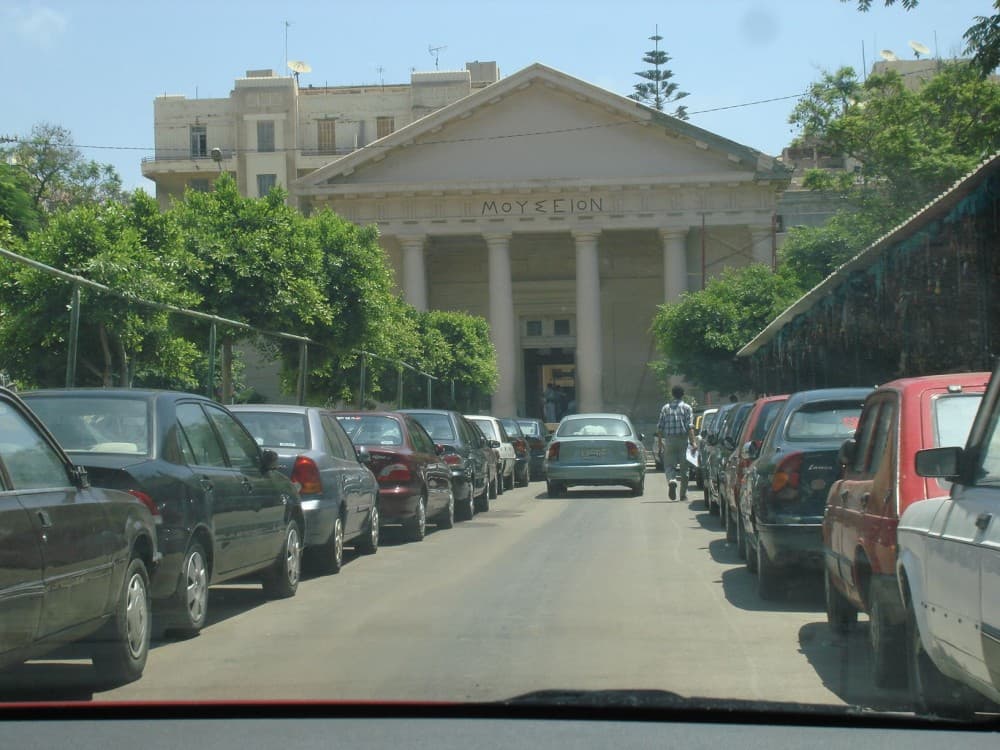
The Greco-Roman Museum in Alexandria is a captivating window into the city’s ancient past, where Hellenistic and Roman culture met Egyptian tradition. Housed in a neoclassical building, the museum’s galleries are filled with sculptures, mosaics, coins, funerary objects, and everyday items, all reflecting Alexandria’s cosmopolitan legacy. Walking through its exhibition halls, you’ll encounter statues of gods, Roman emperors, and local figures, along with colorful mosaic floors and intricately carved sarcophagi. The museum’s garden offers a serene complement, giving you space to pause and reflect on centuries of cultural interchange.
Es gibt noch keine Touren in Greco-roman Museum.
Founded in 1892 and inaugurated a few years later, the Greco-Roman Museum was one of Egypt’s first institutions dedicated to preserving antiquities from the Ptolemaic and Roman eras. Since its reopening after a long renovation, the museum now features 27 exhibition halls, a restored neoclassical facade, and modern displays. Its collection spans from the 3rd century BCE to Late Antiquity and includes important items like busts, coins, glassware, and Fayum-style portraits. The museum is managed by Egypt’s Ministry of Antiquities and is recognized for its scientific and cultural importance.
Set aside at least 1 to 2 hours there’s a lot to see, and the collection is rich and varied. Labels are in both Arabic and English, but many visitors recommend hiring a guide or using an audio guide to get the full story behind the art and artifacts. Photography is typically allowed, although commercial filming may be restricted. The museum interior is climate-controlled and wheelchair-friendly, thanks to recent renovations. There’s also a small café and gift shop in the grounds, offering a pleasant break between galleries.
The Greco-Roman Museum is situated in central Alexandria, in the Al-Mesallah Sharq / Attarin area. From the Corniche or other central districts, taxis are quick and convenient. Public microbuses and buses also serve this area and can drop you nearby. Once you arrive, the museum is easy to spot thanks to its neoclassical architecture with columns and a garden courtyard. It can easily be combined with nearby historic spots for a full cultural walk.
The museum is generally open from 9:00 AM to 5:00 PM on most days, with extended hours into the evening on certain days. Visiting in the morning tends to be more peaceful, with fewer crowds and better light for photography. If you prefer a slower pace, mid-afternoon can also work, especially since it’s recently renovated and very walkable. Cooler months (late autumn through spring) make for a more comfortable visit when combining the museum with outdoor attractions.