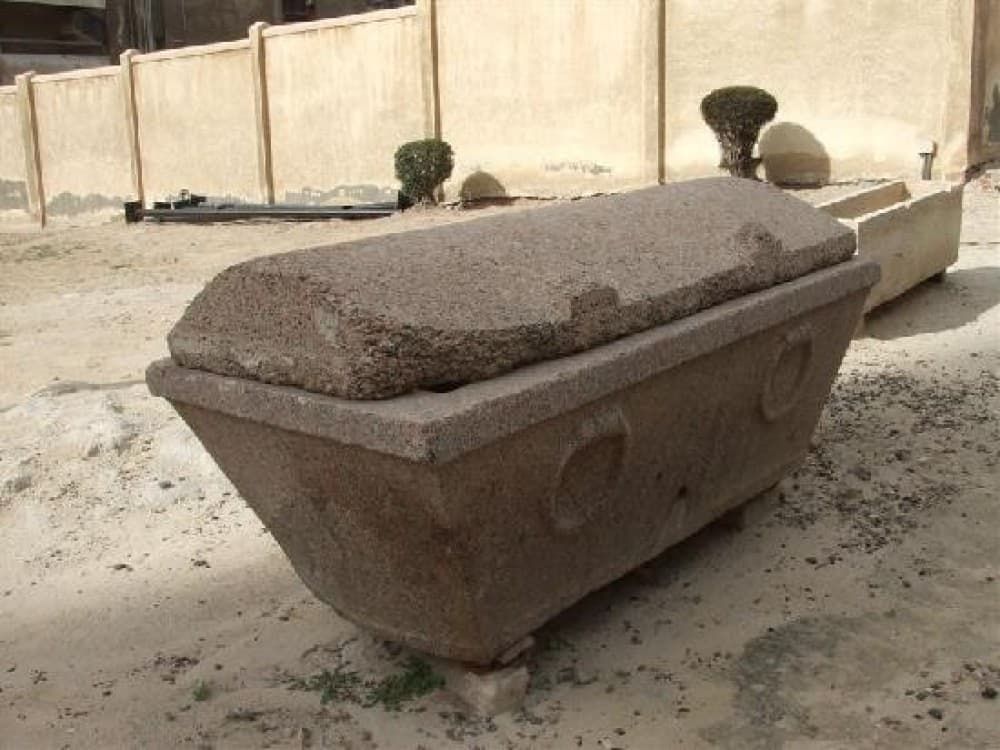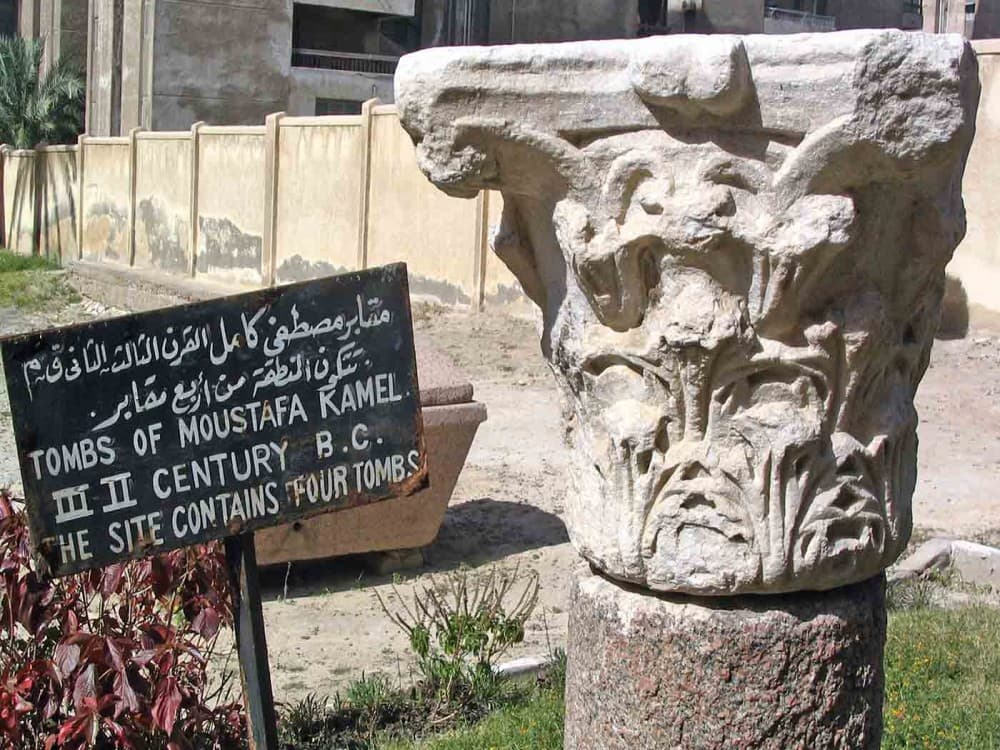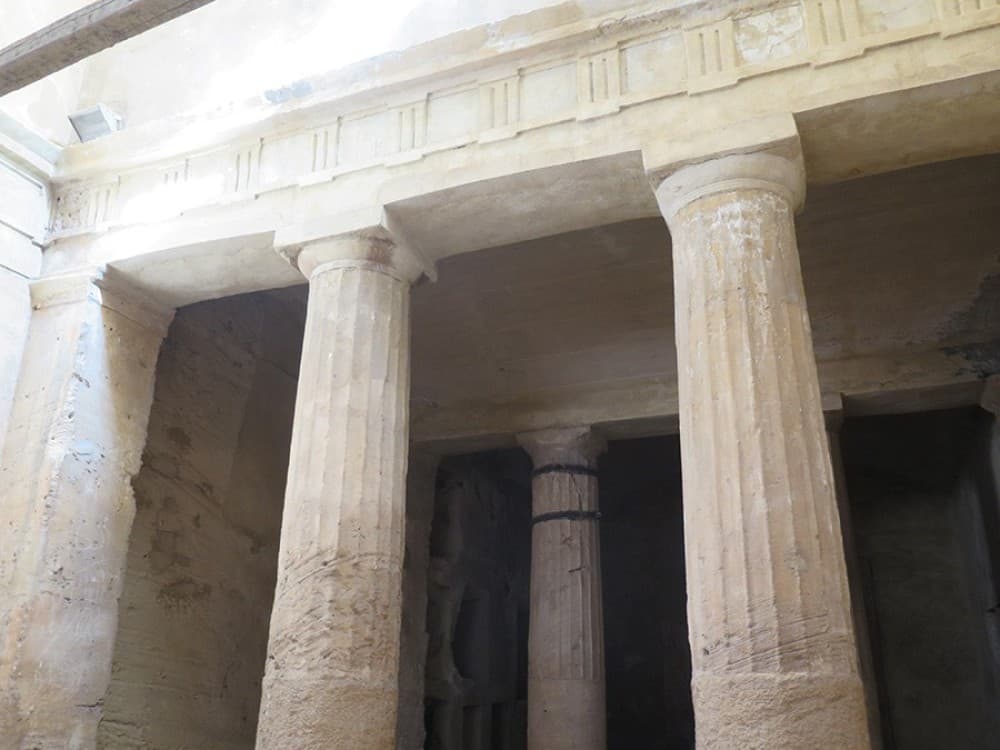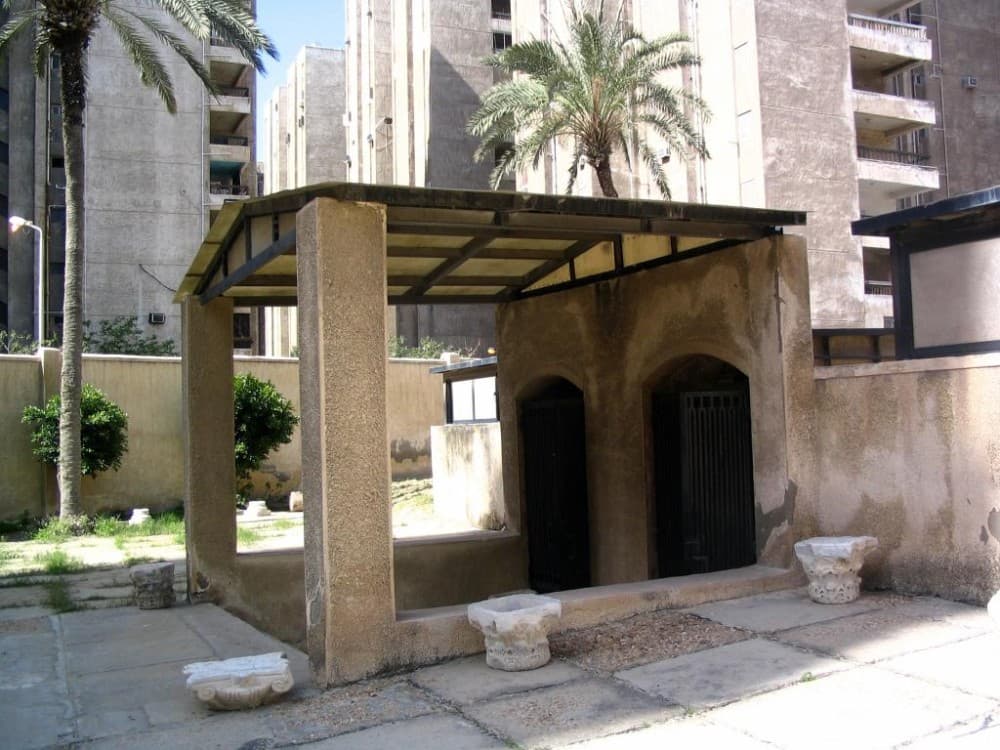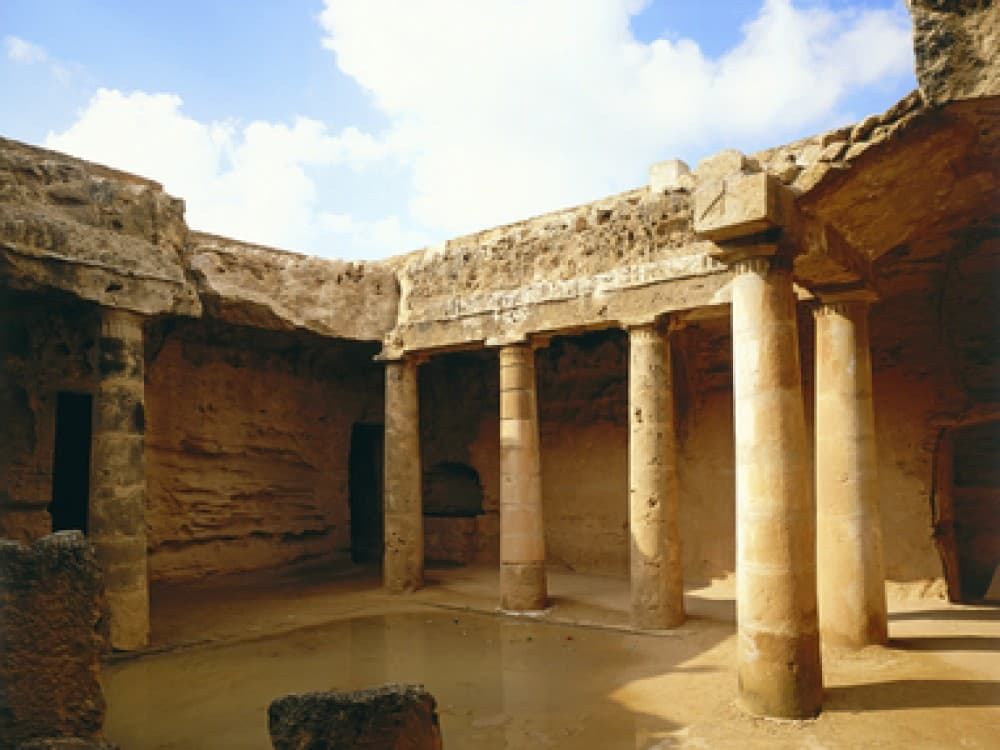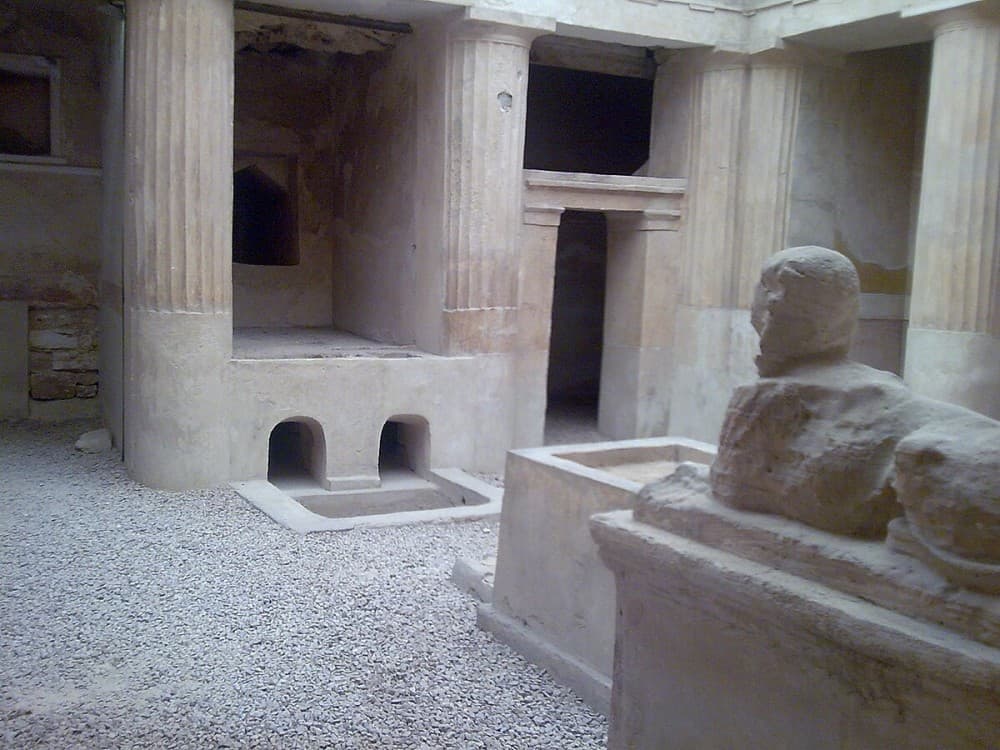
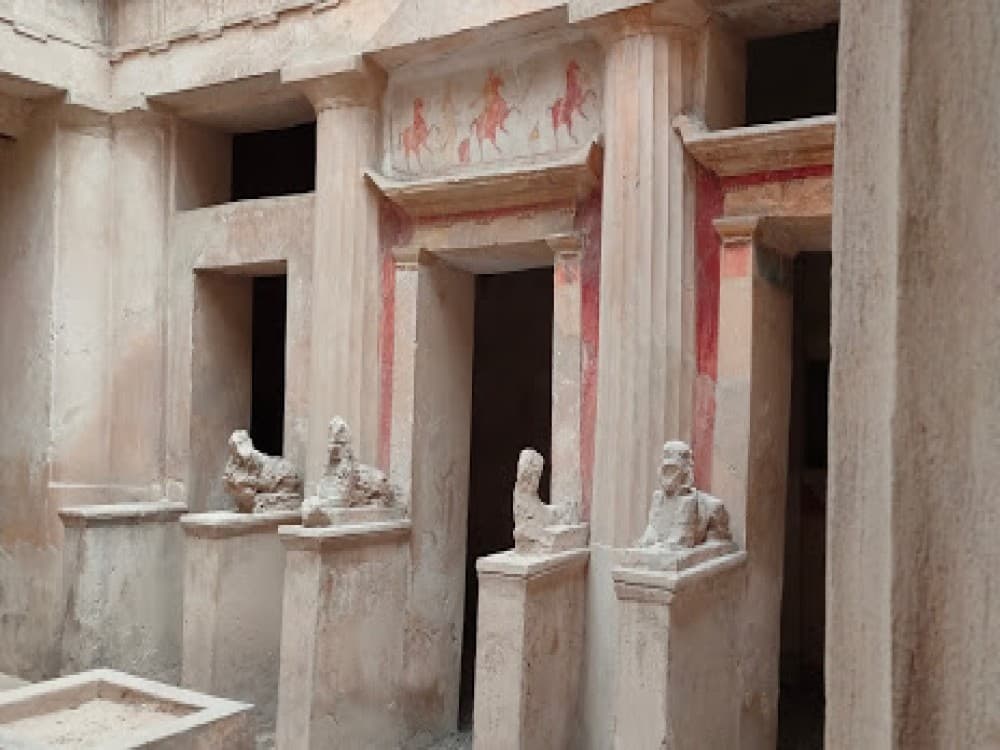
The Mustafa Kamel Necropolis is a fascinating archaeological site in Alexandria’s Mustafa Kamel neighborhood. This Hellenistic-era rock-cut necropolis is carved directly into limestone bedrock, offering a rare glimpse into ancient burial practices. The site features four elaborate tombs with courtyards, Doric columns, loculi (burial niches), and remnants of frescoed walls. A dramatic black granite sarcophagus discovered nearby is also displayed, adding to the site’s intrigue. Visiting the necropolis feels like stepping into a hidden chapter of Alexandria’s history, where Greek, Egyptian, and Roman influences blend seamlessly.
Es gibt noch keine Touren in Mustafa Kamel Necropolis.
The necropolis is located on Al‑Muaskar al‑Romani Street in the Rushdy/Mustafa Kamel district of Alexandria. It was accidentally discovered in the 1930s during construction, and today four of the original seven tombs remain. The tombs date from the 3rd to 2nd centuries BCE and showcase a fusion of Egyptian and Hellenistic funerary architecture. The black granite sarcophagus, containing three mummies, is a major highlight and is displayed on-site. This small but remarkable site provides visitors with insight into Alexandria’s ancient cosmopolitan heritage.
The necropolis requires some physical effort to explore, with steps, uneven floors, and narrow passages. Parts of the tombs are weathered, though frescoes and reliefs are still visible. Photography is generally allowed, but visitors should be respectful and avoid touching the walls or artifacts. Sturdy shoes are recommended, as the terrain can be uneven. The site is quiet and not heavily crowded, allowing a contemplative and immersive experience for those interested in archaeology and history.
The necropolis is accessible from central Alexandria by taxi just ask for “Mustafa Kamel Necropolis” on Al‑Muaskar al‑Romani Street. Local minibuses and microbuses also run nearby, with a short walk from the drop-off point. Because it is somewhat tucked away, having a map or guide is helpful. The surrounding neighborhood is walkable, making it easy to combine the visit with nearby attractions and historic sites.
The site is generally open from early morning until late afternoon, around 8:00 AM to 5:00 PM, though hours may vary. Morning visits are ideal: the light is soft, temperatures are cooler, and the site is less crowded. The cooler months from October to April offer the most comfortable weather for exploring. Afternoon visits can still be enjoyable but may be hotter and brighter, which can affect comfort and photography.