Sapa: O Quy Ho Pass | ®ExcursionMania
Sapa

O Quy Ho Pass

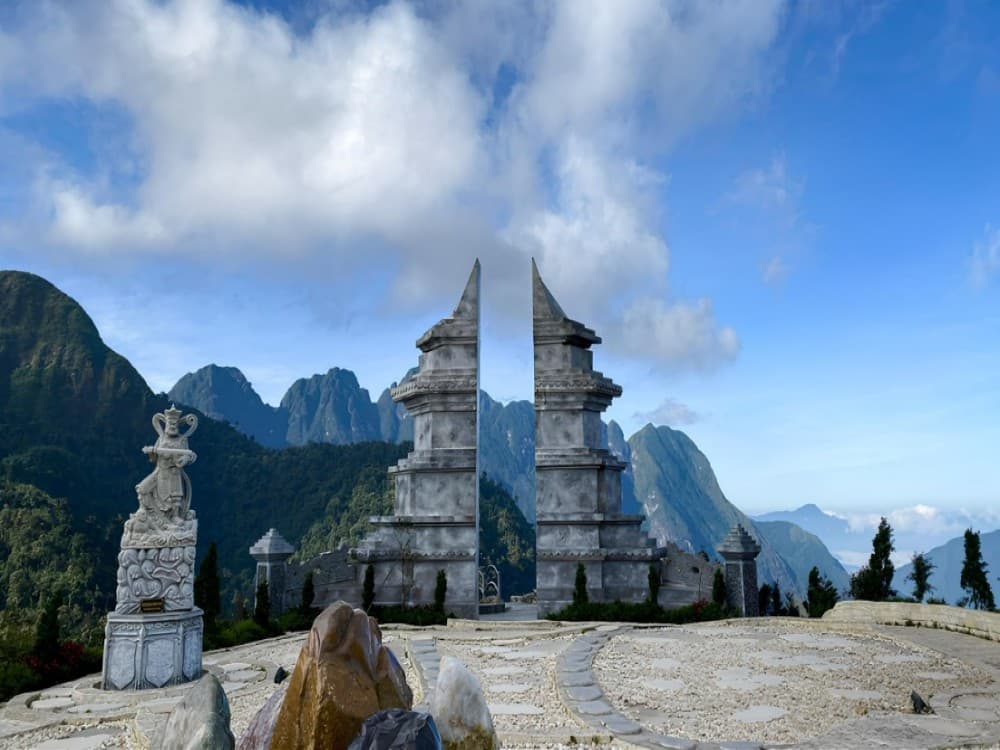
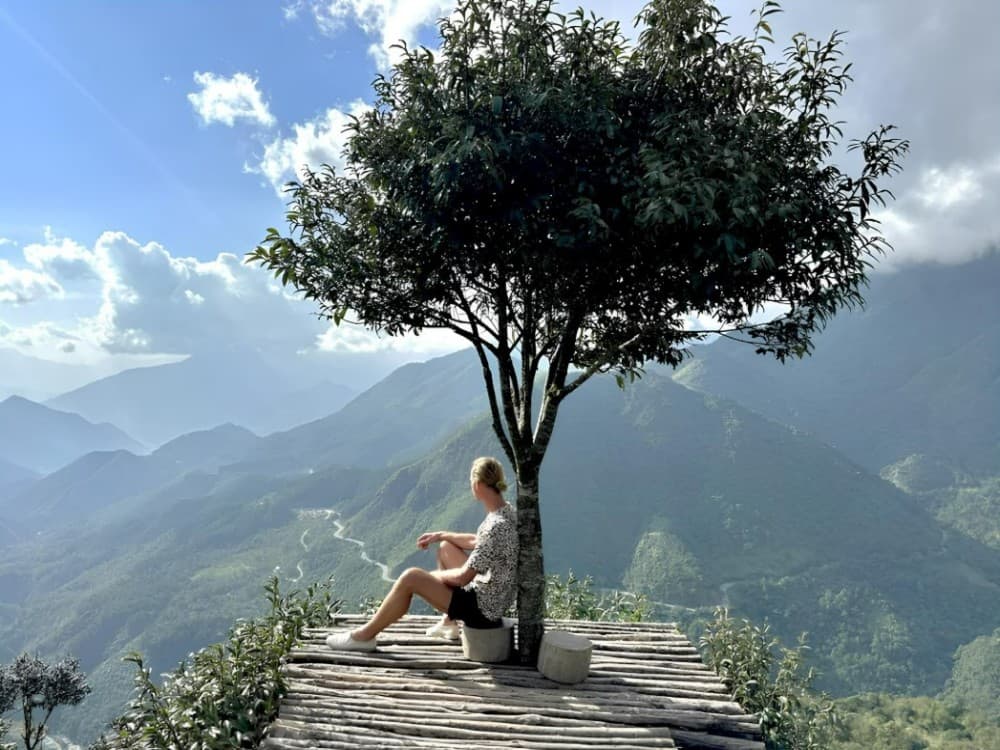
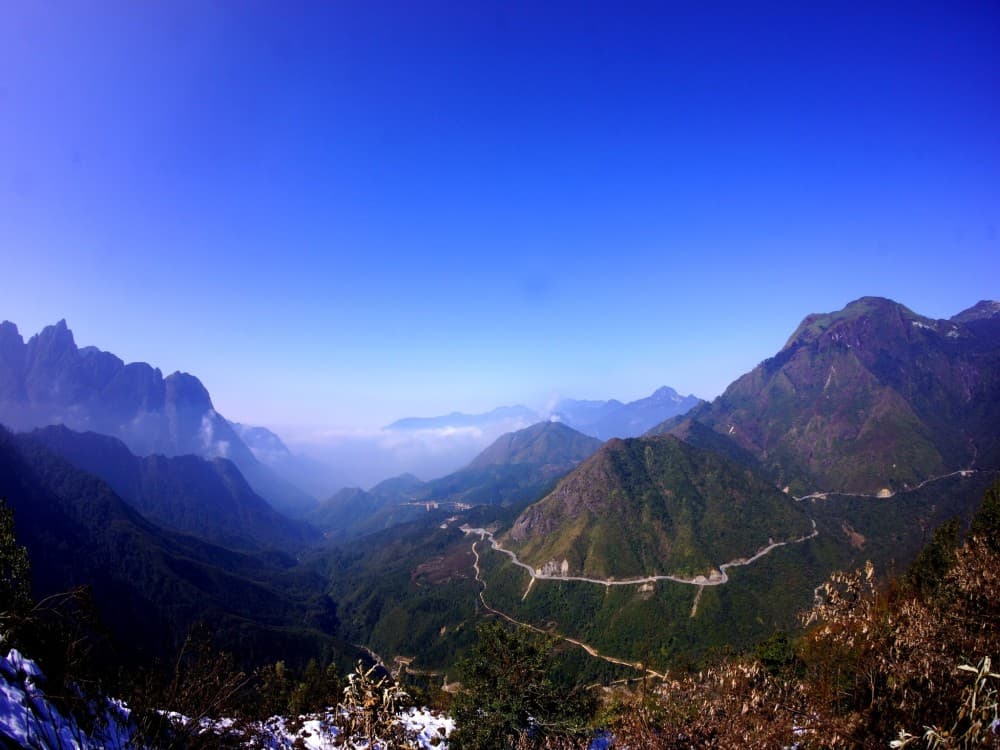
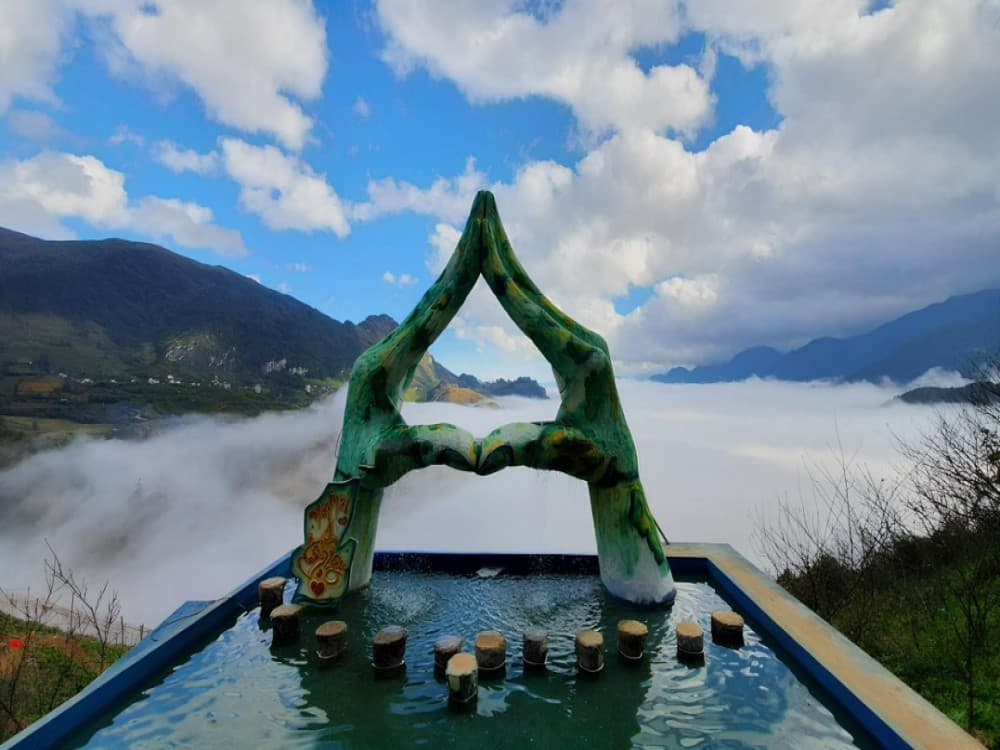
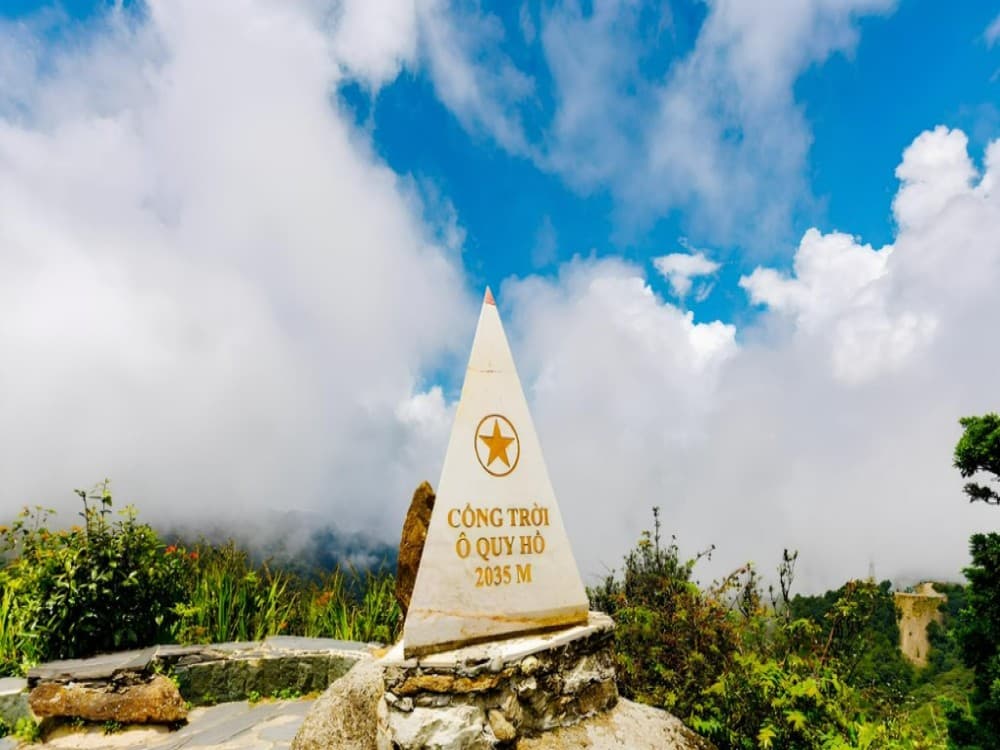
Located high in the rugged landscape of north‑western Vietnam, O Quy Ho Pass (often called the “Heaven’s Gate of Sapa”) is a captivating mountain road travel experience from the town of Sa Pa. This dramatic pass winds through the peaks of the Hoàng Liên Sơn range, connecting the provinces of Lào Cai Province and Lai Châu Province. With an altitude rising to around 2,000 m and the road stretching close to 50 km, it is one of Vietnam’s longest and most scenic mountain passes. The views are the real draw: mist‑covered valleys, forests and clouds slipping between peaks, and dramatic hairpin bends that make the journey as thrilling as the destination. Whether you're perched at a lookout or riding the road itself, O Quy Ho offers a rich blend of adventure and natural beauty.
O Quy Ho Pass Touren und Tickets

Es gibt noch keine Touren in O Quy Ho Pass.

Alles über O Quy Ho Pass

Was Sie erwartet

Also known as Hoàng Liên Pass or May Pass, this iconic mountain route lies along National Highway 4D, connecting Lào Cai and Lai Châu provinces within the stunning Hoàng Liên Sơn mountain range. The pass stretches approximately 50 kilometers and reaches elevations of over 2,000 meters, making it one of the highest and longest mountain passes in Vietnam. From Sa Pa town, the summit viewpoint—often referred to as “Heaven’s Gate”—is about 15 kilometers away and takes roughly 30 to 45 minutes to reach by car, depending on road conditions. Visitors are drawn to the pass for its dramatic scenery, including panoramic mountain views, the chance to witness a sea of clouds rolling through the peaks, and numerous photo opportunities. Along the way, you’ll also find local roadside cafés and food stalls, offering a taste of regional flavors and a place to rest while soaking in the majestic landscape.

Warum diese Tour buchen

To ensure a smooth and enjoyable visit to O Quy Ho Pass, it's important to plan ahead and be prepared for the mountain conditions. The road, while breathtakingly scenic, is narrow, winding, and steep in several sections. If you’re not an experienced motorbike rider, it’s strongly recommended to opt for a car, as the terrain is not suitable for beginners. Due to the high altitude, temperatures can drop significantly—especially in the early morning or during the winter months—so bring warm layers, a windbreaker, and sturdy footwear. Fog and cloud cover are common, adding a mystical atmosphere but often limiting visibility. For the best views, check the weather forecast and aim to visit on a clear morning. Along the pass, you’ll find a few small cafés and roadside stalls offering local snacks such as grilled corn, sweet potatoes, and bamboo-cooked rice, but don’t expect full-service restaurants or developed facilities. When stopping for photos or admiring the views, always park safely and avoid obstructing the road. Respect the natural surroundings and any posted signs—this is a preserved landscape, not just a tourist backdrop.

Die richtige Tour auswählen

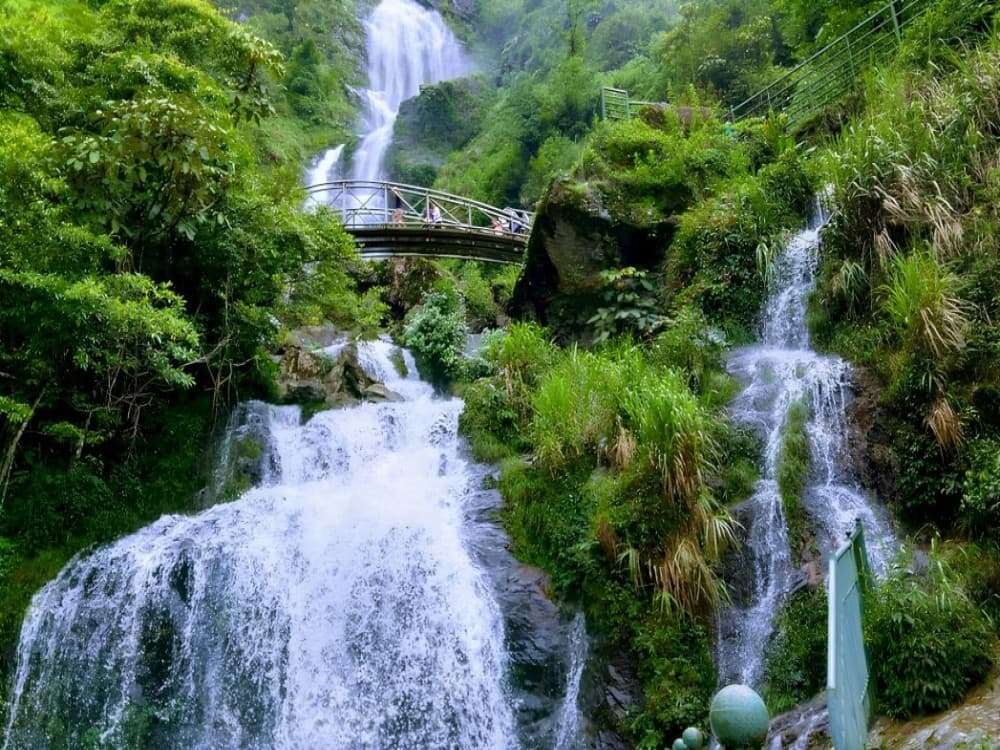
There are several ways to reach O Quy Ho Pass from Sa Pa, depending on your preference and experience. The easiest and safest option is to travel by car or taxi. From Sa Pa town, you’ll head towards National Highway 4D via Dien Bien Phu Street, passing the Silver Waterfall about 12 kilometers from town, before continuing up to the pass summit. This journey typically takes between 30 and 45 minutes. For those seeking more adventure, renting a motorbike is possible, but be aware that the terrain is quite challenging. Only attempt this if you are confident in your riding skills and equipped with proper safety gear. Another option involves combining a cable car ride—such as the one offered by Sun World Fansipan Legend—from Sa Pa up the mountain, followed by a drive to or along the pass. While this is a less direct route, it can be a rewarding part of a broader sightseeing itinerary. Regardless of your choice, it’s best to start early in the day to allow ample time for stops along the way and to ensure you return safely before nightfall.

Wissenswertes vor der Abreise

Choosing the best time to visit O Quy Ho Pass can greatly enhance your experience, depending on the scenery you wish to enjoy. From spring through summer (April to October), the weather is generally mild and stable, with lush green valleys and the chance to see beautiful layers of clouds forming in the mornings. The period from autumn to early winter (October to December) is often regarded as the prime season for visitors who appreciate vibrant wildflowers, changing foliage, and the famous sea of clouds. During this time, the pass is beautifully decorated with yellow wild sunflowers and red-tinged maple leaves, creating stunning photo opportunities. For the more adventurous, winter (December to January) may bring light snow or frost at higher elevations, giving the pass a magical “frozen mountain” atmosphere, though the weather can be colder and less predictable. Overall, if you prefer clear skies and comfortable weather, summer to early autumn is ideal. However, if you’re drawn to atmospheric, misty landscapes and don’t mind cooler temperatures, autumn to early winter offers a truly enchanting experience.