 Entdecken
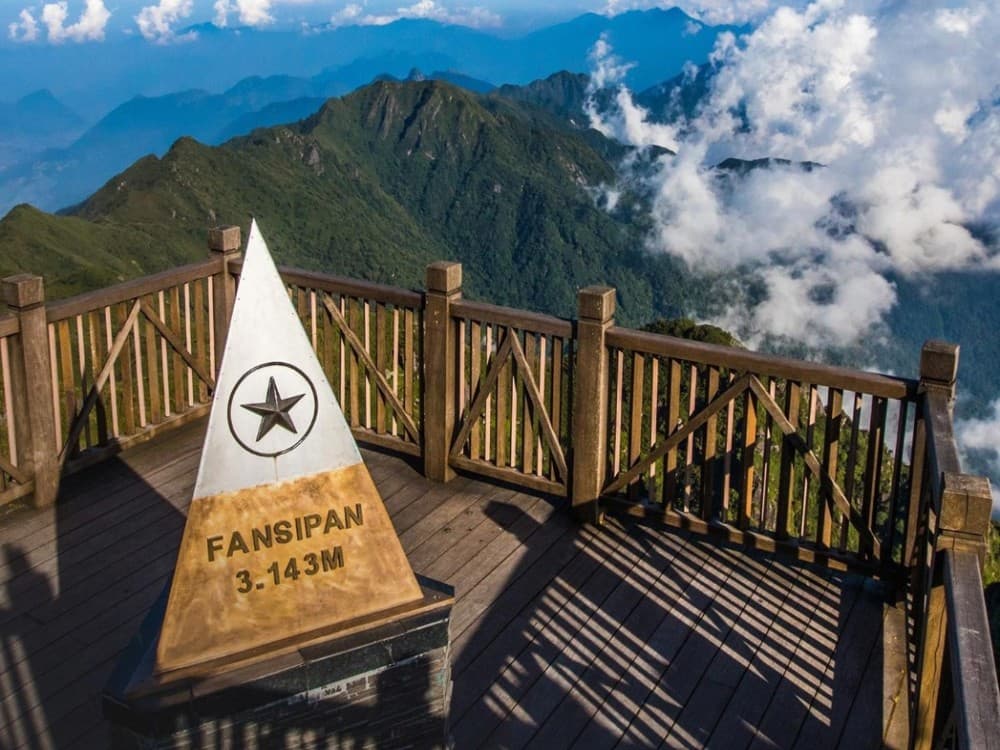
Fansipan Mountain
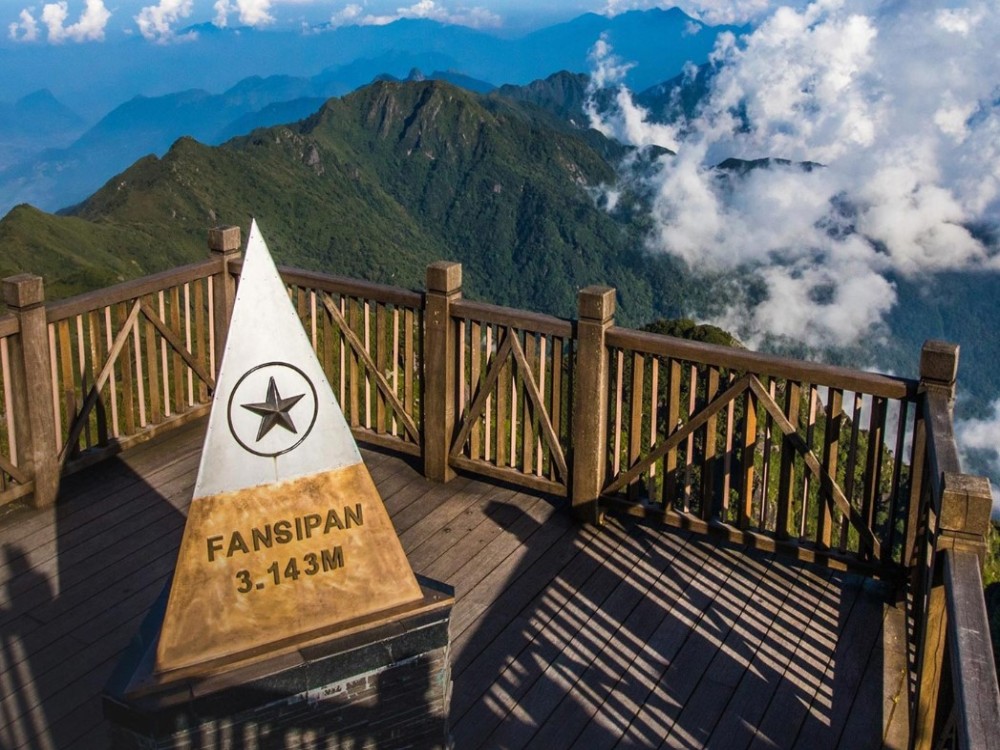
Known as the “Roof of Indochina,” Fansipan Mountain rises to an impressive 3,147 meters, making it the highest peak in Vietnam and all of Indochina. Just 9...
Mehr lesen

Insgesamt 1 Touren & Ausflüge in Sapa
Sapa - Vietnam
Day Trips
Guided Tours
Attraktionen, die Sie in Sapa machen können
Entdecken
Known as the “Roof of Indochina,” Fansipan Mountain rises to an impressive 3,147 meters, making it the highest peak in Vietnam and all of Indochina. Just 9...
 Entdecken
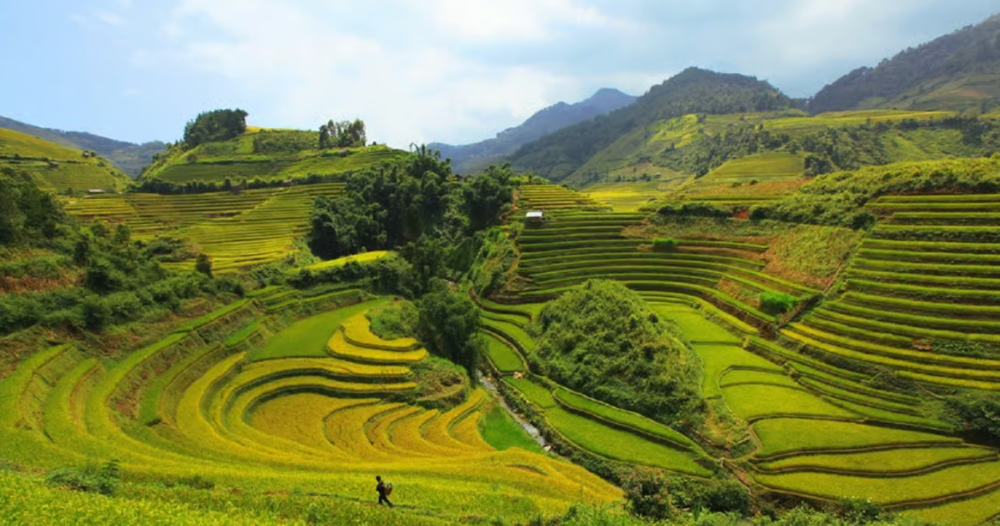
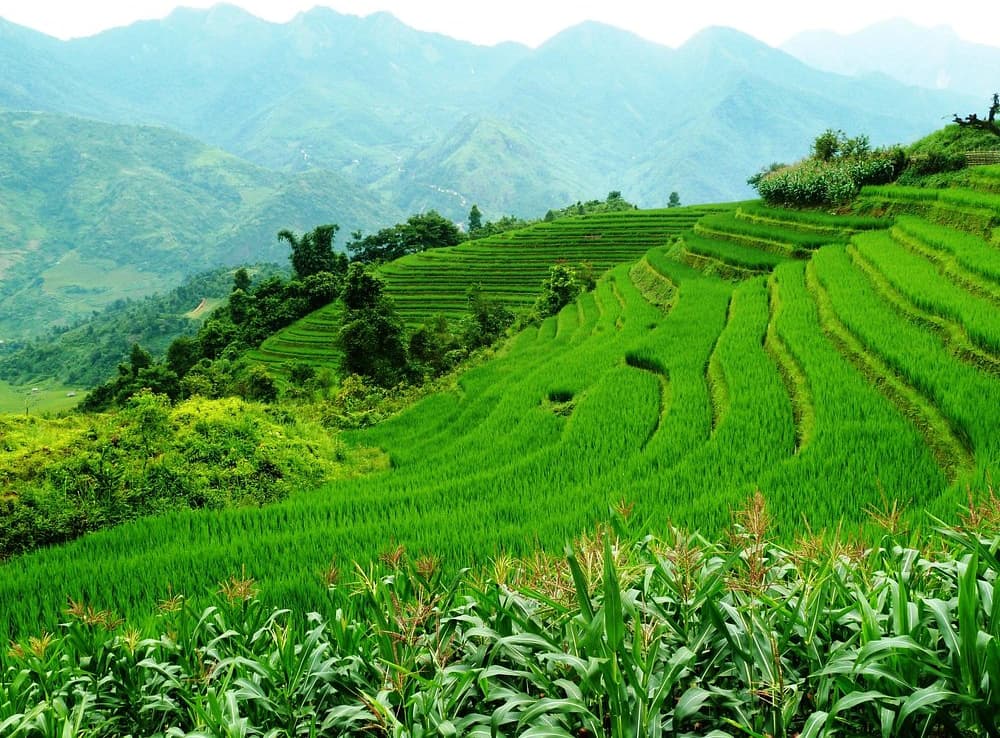
Just a short ride from Sapa town, Muong Hoa Valley is one of the most picturesque destinations in northern Vietnam. S...
 Entdecken
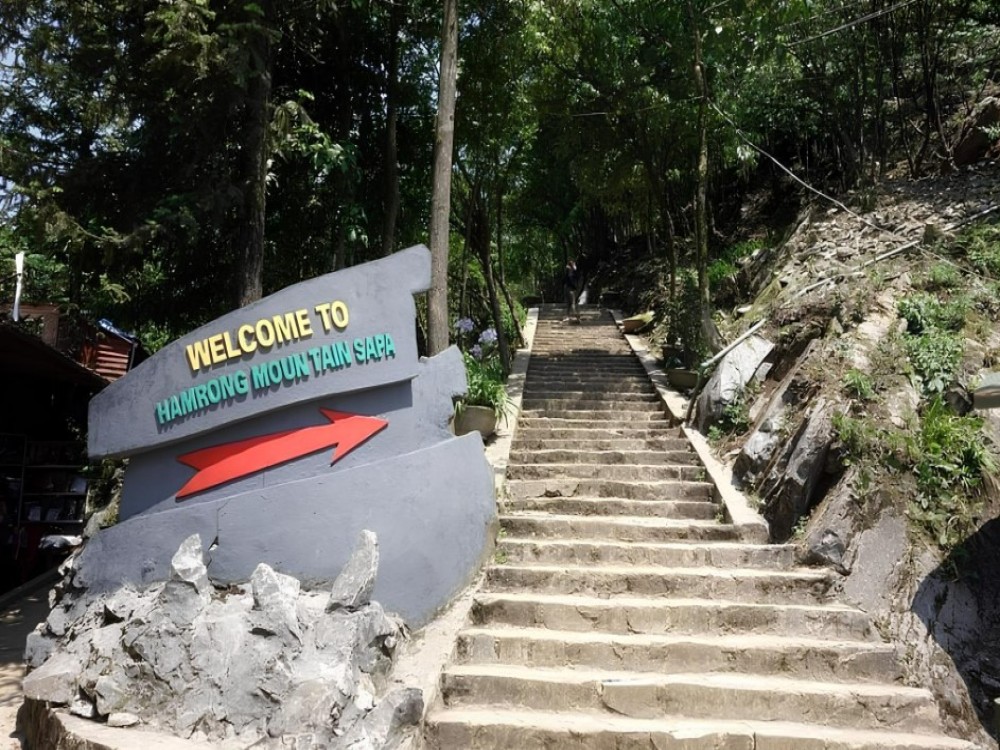
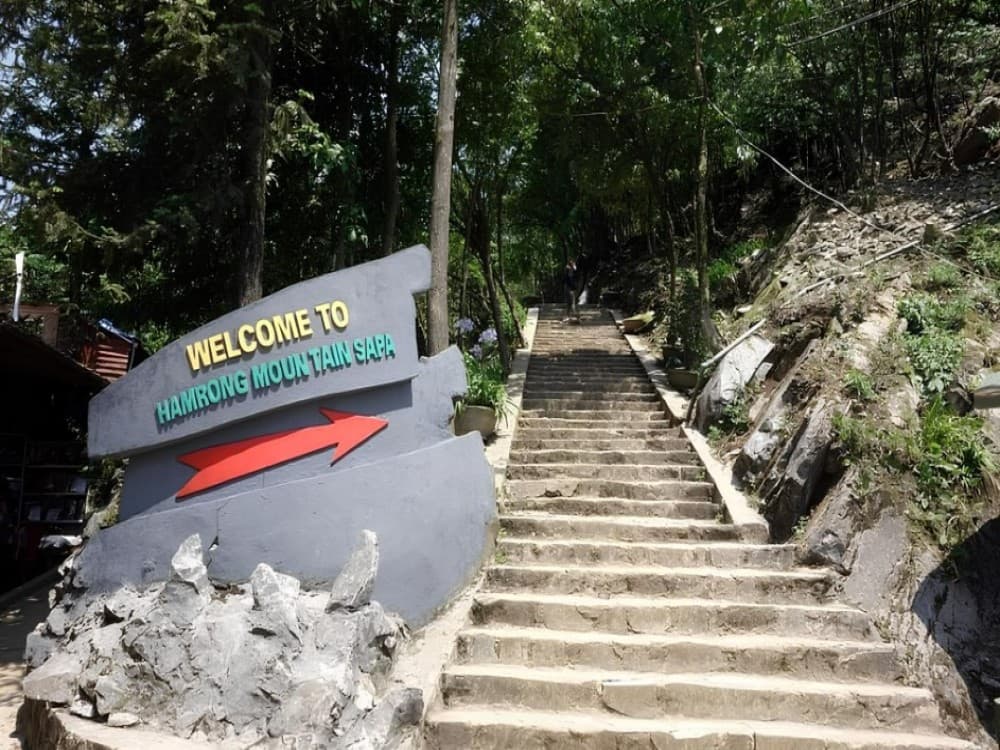
Ham Rong Mountain is a lush, scenic escape rising right behind Sapa town. Its name means “Dragon’s Jaw,&r...
The best time to visit Sapa is from March to May and September to November, when the weather is dry, cool, and ideal for trekking. Autumn (September–October) is especially stunning as the rice terraces turn golden before harvest. Summers (June–August) are lush but rainy, which can affect hiking paths and visibility. Winters (December–February) are cold, with occasional snow at higher altitudes—a rare sight in Vietnam! Pack layers, as temperatures can drop at night, even in warmer seasons. Weather can change quickly in the mountains, so be prepared for mist and sudden drizzles any time of year.
The town of Sapa is walkable, with most restaurants, cafes, and markets within a short distance. For trips to nearby villages or viewpoints like Cat Cat, Lao Chai, or Ta Van, you can hire a motorbike, join a guided trekking tour, or take a taxi. Local drivers and guides are available at reasonable prices, and many hotels can arrange transport for day trips. The Fansipan cable car departs from Muong Hoa Valley, about 3 km from town. Roads can be steep and narrow, so if you're not experienced with motorbikes, consider a car or guided option.
When visiting Sapa, a few smart preparations can make your trip smoother and more enjoyable. Many remote villages still rely on cash, so carry small denominations of Vietnamese Dong for shopping or tipping. Since village paths can be steep or muddy, comfortable walking shoes are essential. Respect for local culture is important—always ask before photographing villagers. If you plan to hike, consider booking a licensed guide; they offer valuable cultural insights and ensure your safety on the trails. The weather can shift quickly in the mountains, so pack a lightweight raincoat and dress in layers. Bargaining is part of market culture but should be done politely. While English is spoken in town, learning a few Vietnamese phrases can help build friendly connections. To avoid crowds, plan your visit during the week rather than weekends. Mornings tend to offer clearer views before fog sets in, so early starts are best for trekking. For a relaxed experience, stay at least two nights to fully appreciate Sapa’s natural beauty and rich local traditions.
You can take a sleeper train to Lao Cai (8 hours), then a 1-hour bus/taxi to Sapa. Alternatively, take a direct bus or limousine van (5–6 hours). Trains are scenic, buses are faster.
Yes! There are easy trekking routes to villages like Cat Cat or Ta Van. You can join guided tours that suit all fitness levels—no need to be an expert hiker.
A guide isn’t required but is highly recommended. Guides enhance the experience with local stories, help with translation, and ensure you don’t get lost on unmarked trails.
Bring comfortable walking shoes, a rain jacket, warm layers (even in summer), sunscreen, and insect repellent. Also carry cash, as ATMs are limited outside of Sapa town.
It’s not ideal. Sapa is 5–6 hours from Hanoi, so a day trip would be rushed. Most travelers stay 2–3 nights to explore the area properly and enjoy the mountain atmosphere.
Absolutely! The cable car offers stunning panoramic views and takes you near the summit of Vietnam’s highest peak. It’s perfect for those who want the view without a full hike.
Yes, many cafes and restaurants in Sapa offer vegetarian and vegan-friendly meals, including tofu dishes, stir-fried vegetables, and local specialties adapted for dietary needs.
Sapa has a cool, temperate climate. Expect foggy mornings, cool nights, and sudden rain. Summer is green and rainy; autumn is dry and golden; winter can be cold, even snowy.
Yes. Families can enjoy light hikes, cultural visits, and the Fansipan cable car. However, some areas have steep paths, so check accessibility in advance for mobility concerns.
Stay in family-run homestays, buy handmade goods directly from villagers, and tip your guides. This ensures your money goes to the local economy and helps preserve traditional life.
Die folgenden Antworten basieren auf vorherigen Antworten des Tour-Anbieters an Kunden.
Die besten Dinge, die man in Sapa tun kann, sind:
Zu den besten Aktivitäten in Sapa gehören:
Schauen Sie sich diese Top-Reiseideen für Sapa an: