Siem Reap: Angkor Wat: Small-Group Sunrise Tour
Day Trips
Guided Tours
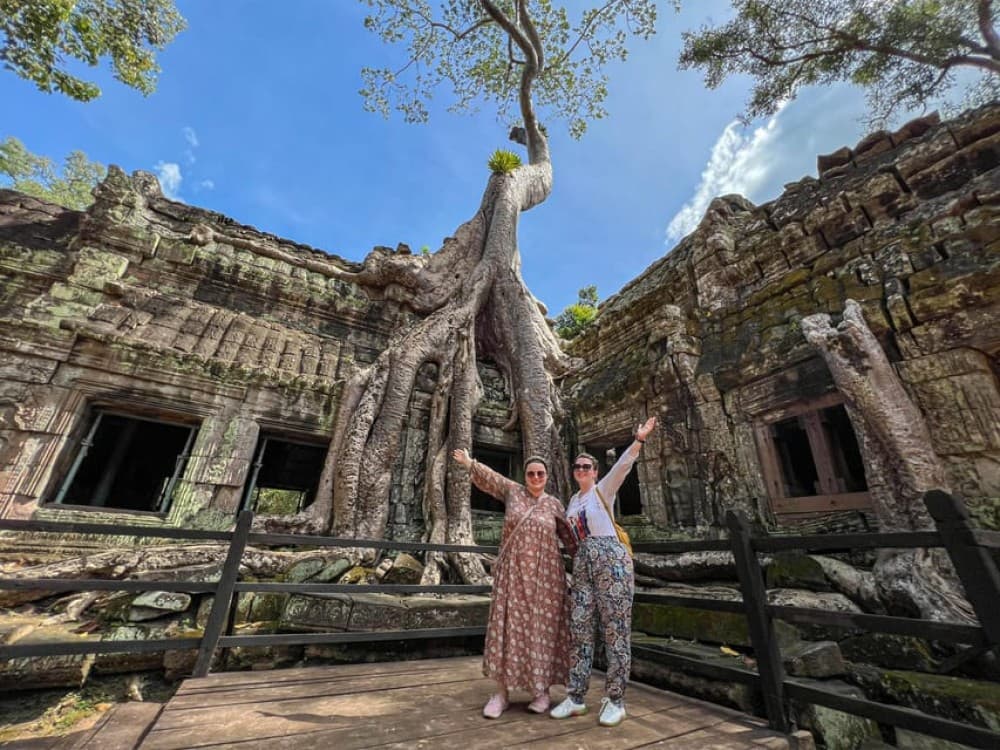
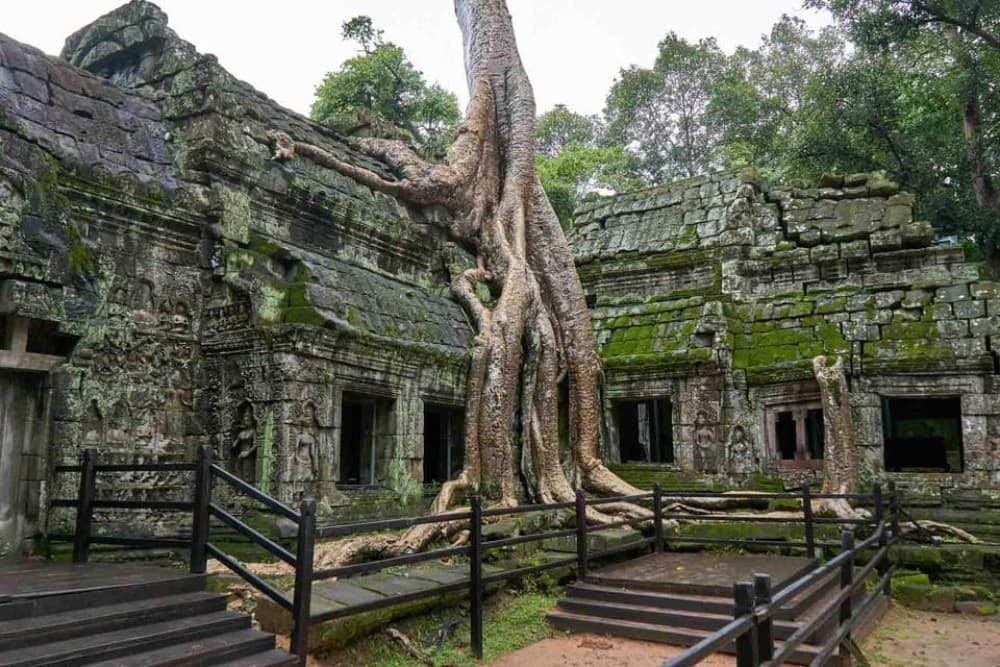
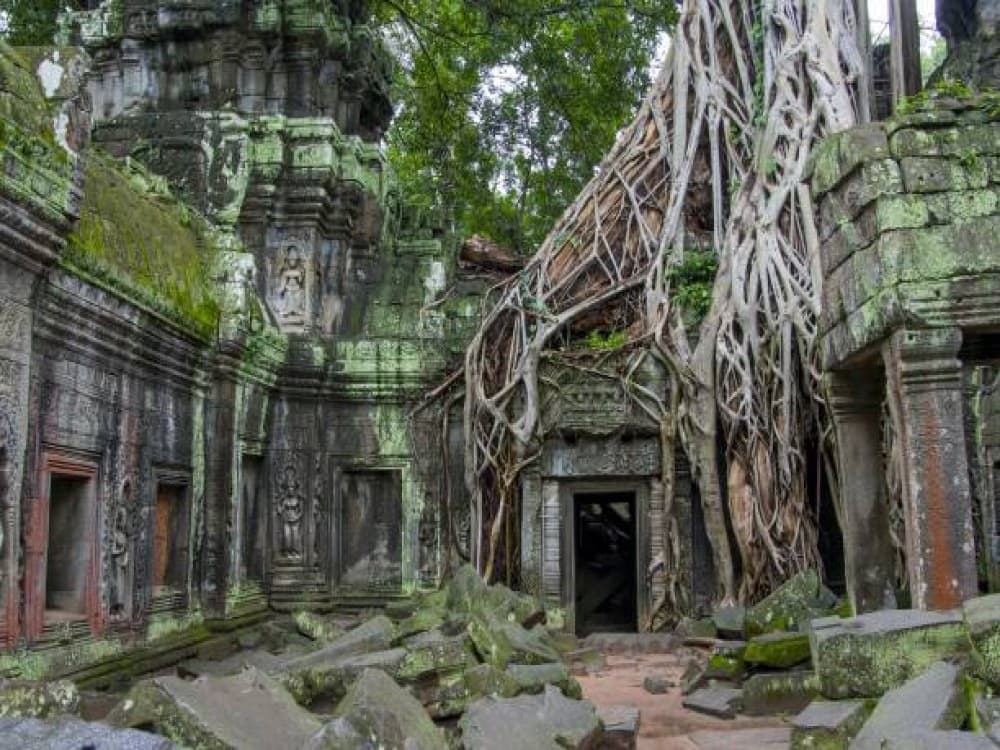
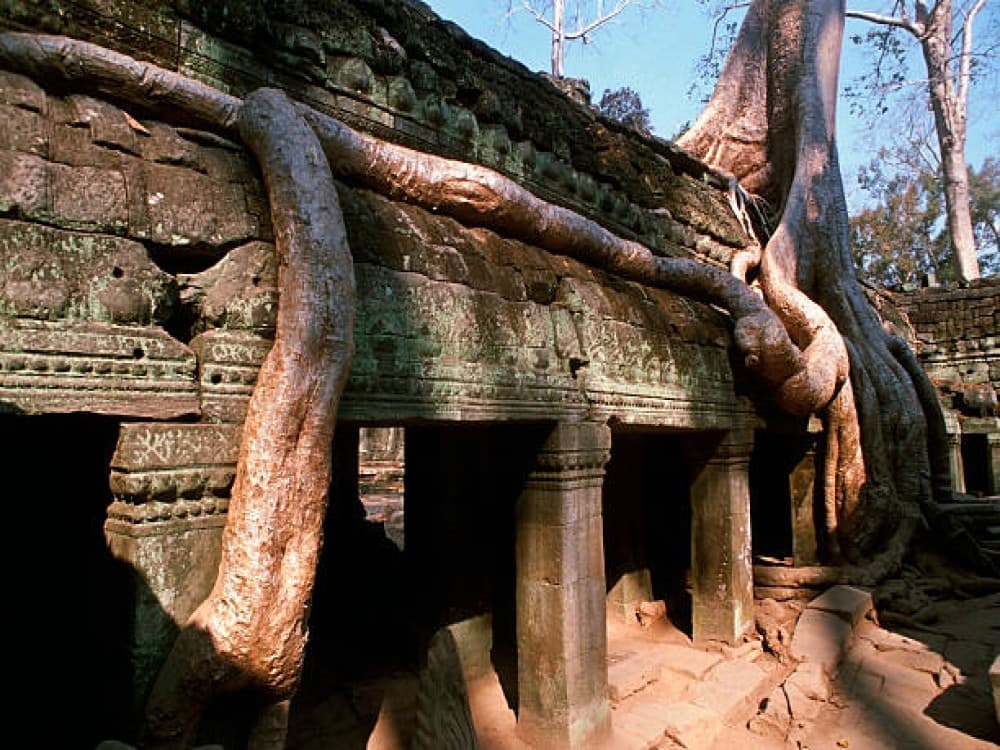
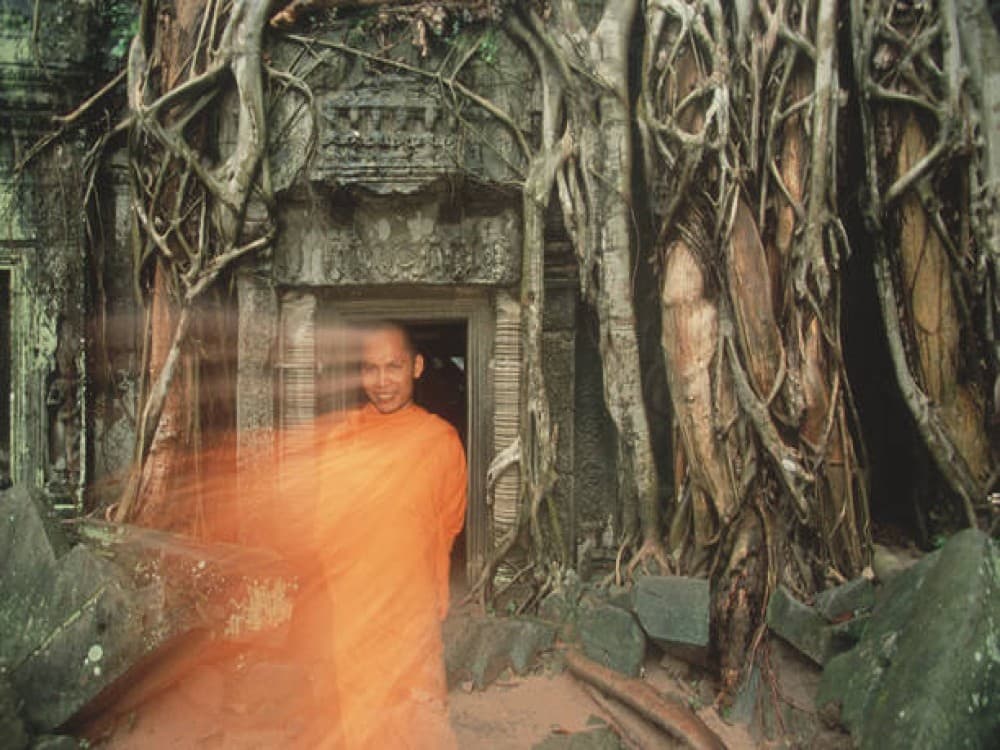
Ta Prohm is one of the most captivating temples in the Angkor Archaeological Park, famous for its dramatic appearance where ancient trees have intertwined with the temple’s crumbling stone structures. Built in the late 12th century by King Jayavarman VII, the temple was originally dedicated to the Buddha. Over the centuries, nature has reclaimed much of the site, with massive tree roots enveloping the ruins and creating a surreal, almost mystical atmosphere. This temple became widely known after being featured in the movie Lara Croft: Tomb Raider. Ta Prohm’s combination of history, architecture, and natural beauty makes it a must-visit site in Siem Reap.
Day Trips
Guided Tours
Guided Tours
Multi-Day Trips
Guided Tours
Multi-Day Trips
Guided Tours
Multi-Day Trips
Guided Tours
Multi-Day Trips
Guided Tours
Multi-Day Trips
Guided Tours
Multi-Day Trips
Adventures
Day Trips
Day Trips
Guided Tours
Private Tours
Adventures
Day Trips
Adventures
Day Trips
Adventures
Day Trips
Day Trips
Guided Tours
Adventures
Day Trips
Adventures
Day Trips
Adventures
Day Trips
Guided Tours
Multi-Day Trips
Adventures
Day Trips
Day Trips
Adventures
Day Trips
Day Trips
Guided Tours
Day Trips
Other Experiences
Day Trips
Guided Tours
Adventures
Day Trips
Adventures
City Cards
Day Trips
Guided Tours
Adventures
Day Trips
Day Trips
Guided Tours
Day Trips
Adventures
Guided Tours
Day Trips
Guided Tours
Adventures
Guided Tours
Adventures
Guided Tours
Adventures
Guided Tours
Adventures
Guided Tours
Guided Tours
Multi-Day Trips
Day Trips
Day Trips
Guided Tours
Day Trips
Day Trips
Guided Tours
Day Trips
Guided Tours
Day Trips
Guided Tours
Day Trips
Guided Tours
Guided Tours
Private Tours
Guided Tours
Private Tours
Guided Tours
Multi-Day Trips
Adventures
Day Trips
Day Trips
Guided Tours
Day Trips
Guided Tours
Day Trips
Guided Tours
Guided Tours
Multi-Day Trips
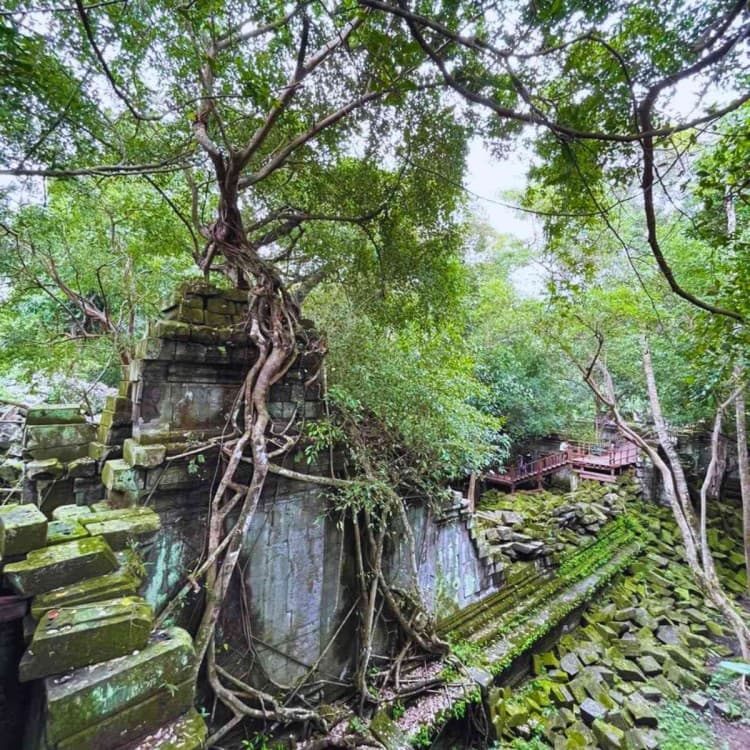
Ta Prohm is a Buddhist temple built during the reign of King Jayavarman VII, dedicated to his mother. Unlike many of the other Angkor temples, Ta Prohm has been left in a largely unrestored state, allowing visitors to witness the interplay between nature and architecture. Its iconic feature is the giant trees, particularly the spung trees, whose roots have taken over the temple’s structure. The temple is less crowded than some of Angkor’s larger temples, offering a quieter, more atmospheric experience. Visitors can explore the temple’s narrow passageways, courtyards, and towers while marveling at the centuries-old trees that have become part of the temple’s identity.
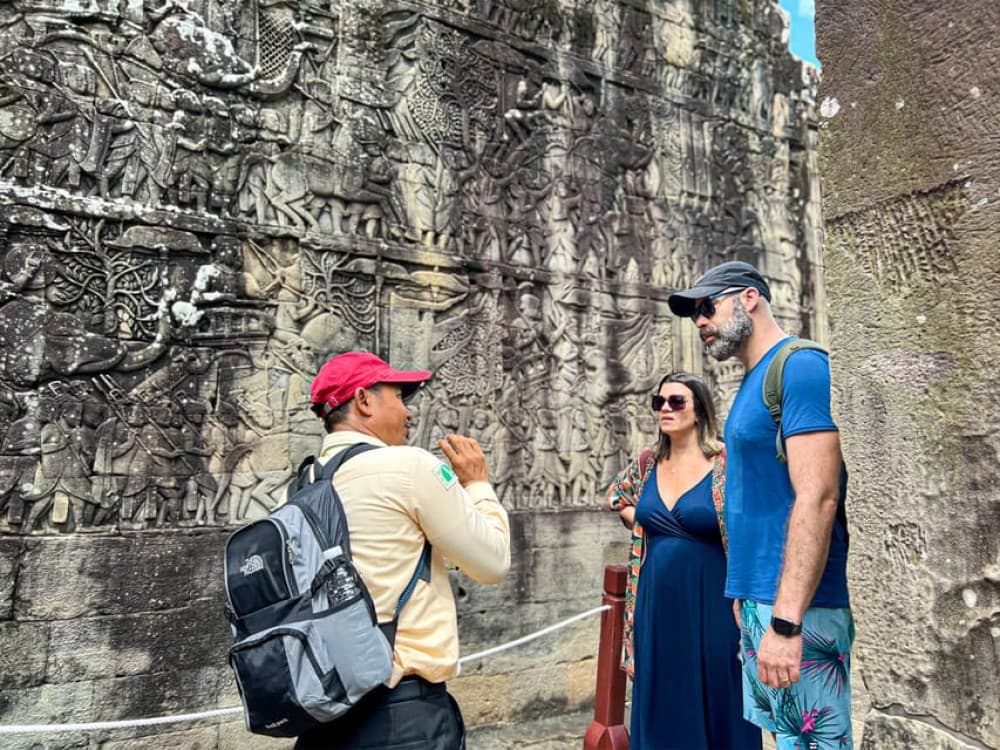
Ta Prohm can be visited at any time of the day, but it's best to go early in the morning or late afternoon to avoid the crowds and to experience the temple in the soft, golden light. Wear comfortable shoes, as the temple's pathways are uneven and often covered in tree roots. The weather can get hot, so bring water, sunscreen, and a hat for protection from the sun. While exploring, be mindful of the natural elements—the tree roots and uneven stones can create tripping hazards. There is an entrance fee to the Angkor Archaeological Park, which includes access to Ta Prohm. It’s also a good idea to hire a guide to gain insights into the history and significance of the temple.
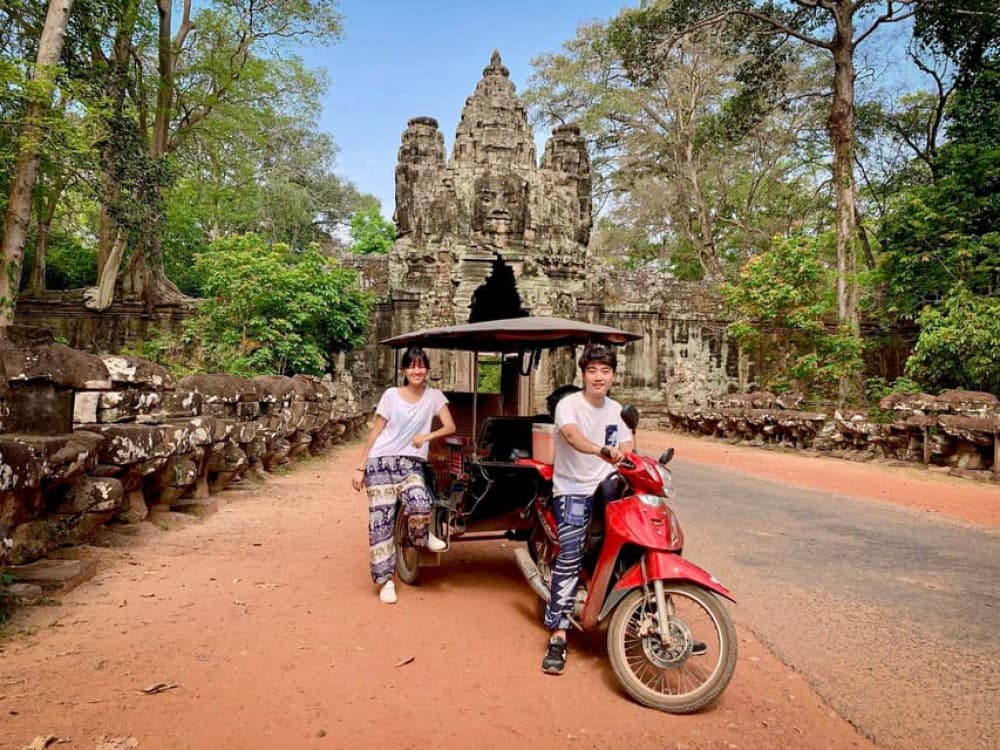
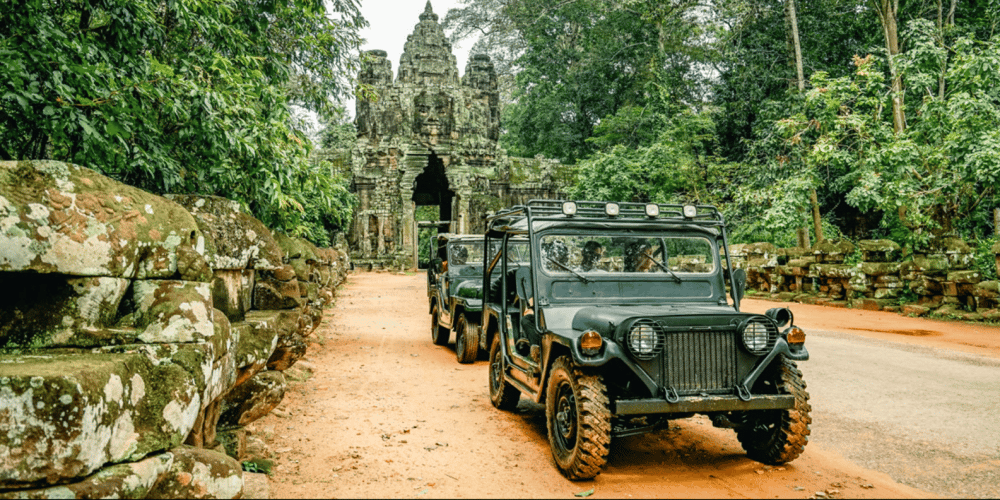
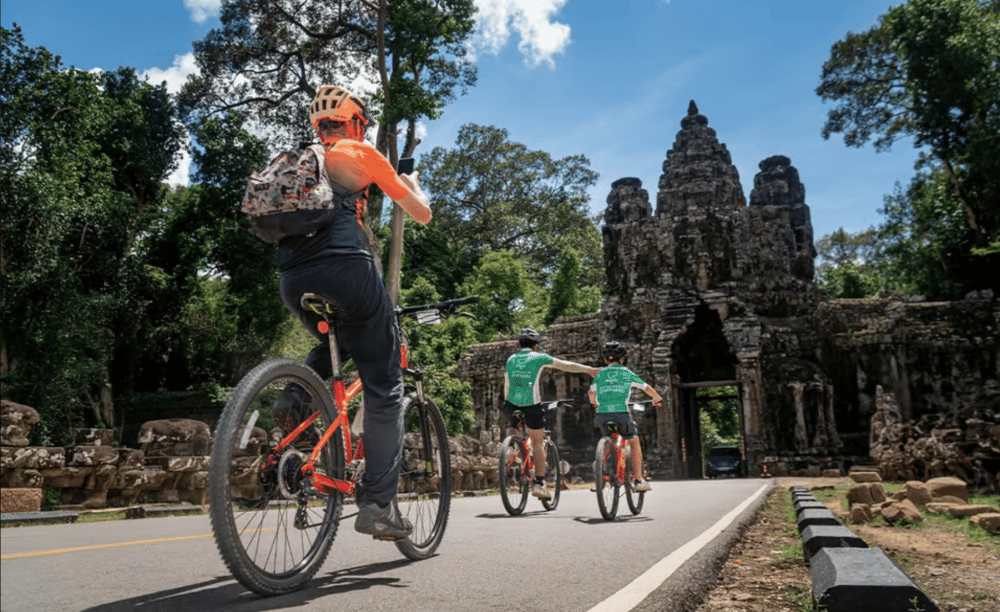
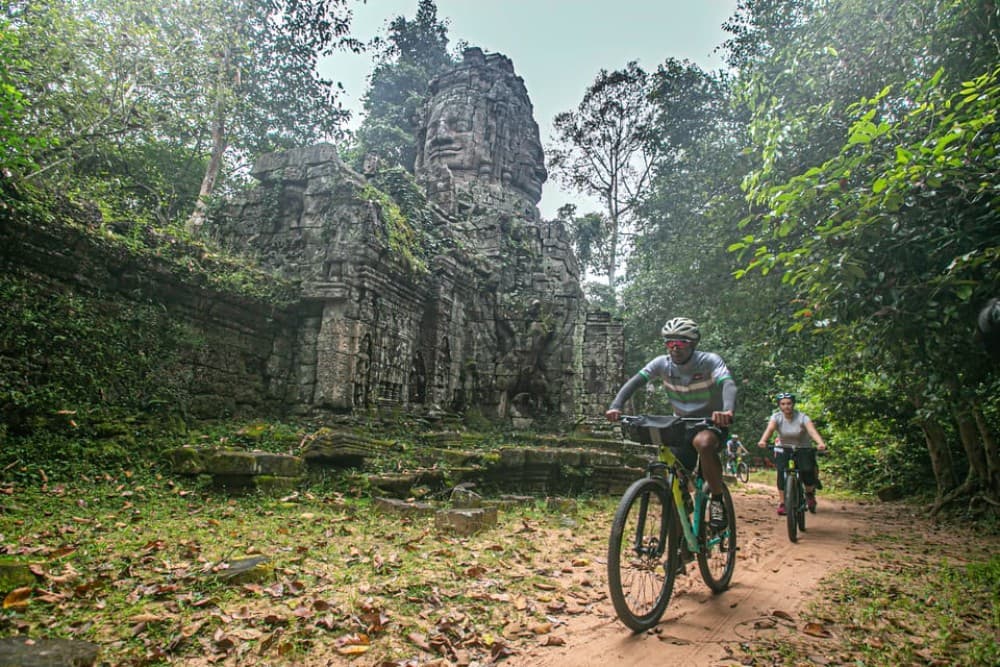
Ta Prohm is located within the Angkor Archaeological Park, roughly 10 kilometers from Siem Reap. The easiest way to get there is by tuk-tuk, private car, or bicycle. Many visitors combine their visit to Ta Prohm with other nearby temples, like Angkor Wat or Bayon, as part of a day tour. Hiring a tuk-tuk or a guide with transportation is a popular option as they can navigate the park efficiently. The drive to the temple is scenic, and many guides offer fascinating insights on the history and significance of the temples along the way. Be sure to check for transport options at your hotel, as many offer tours or transportation services to Angkor.
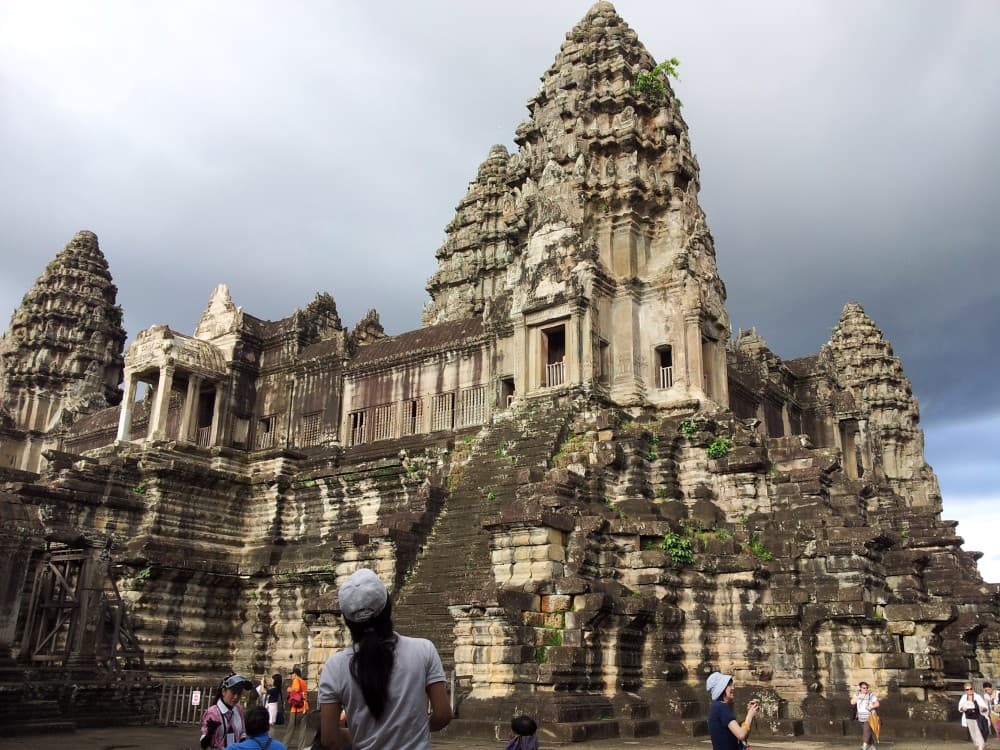

The best time to visit Ta Prohm is early in the morning or later in the afternoon. These times avoid the intense midday heat and large crowds, providing a more peaceful experience as you explore the temple’s winding pathways and towering tree roots. Early visits also allow you to enjoy the cooler temperatures and quieter atmosphere. The dry season (from November to February) is the ideal time to visit, as the weather is cooler and more comfortable for outdoor exploration. The rainy season (May to October) can lead to muddy paths, so plan accordingly if you're visiting during this period.