From Siem Reap: Kampong Phluk Floating Village Tour by Boat
Guided Tours
Water Activities
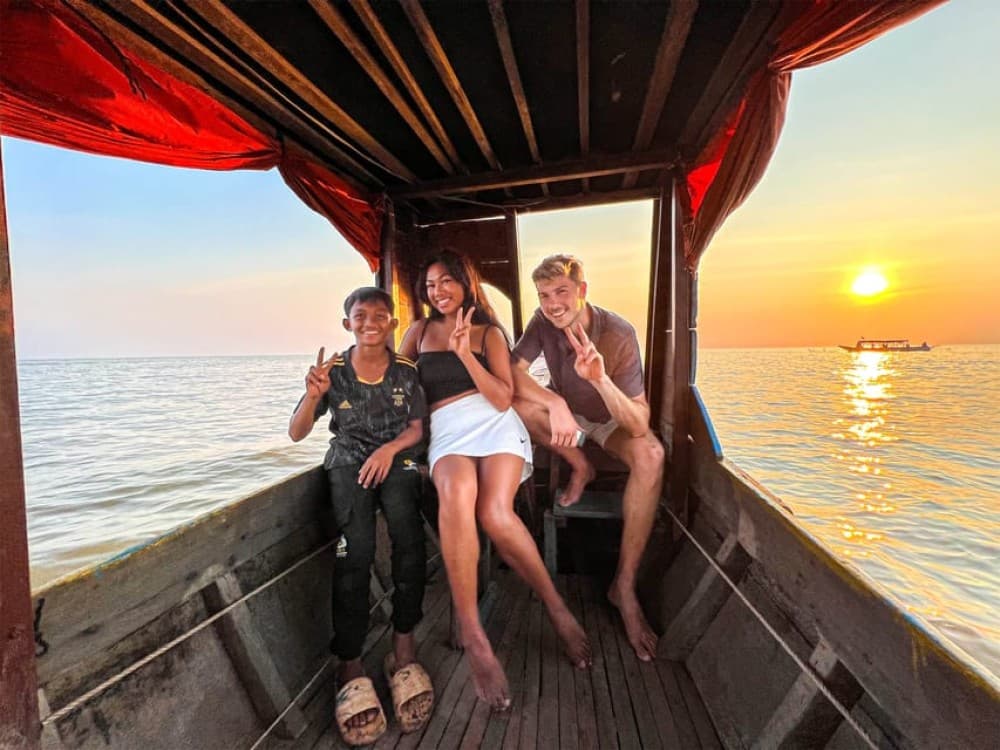
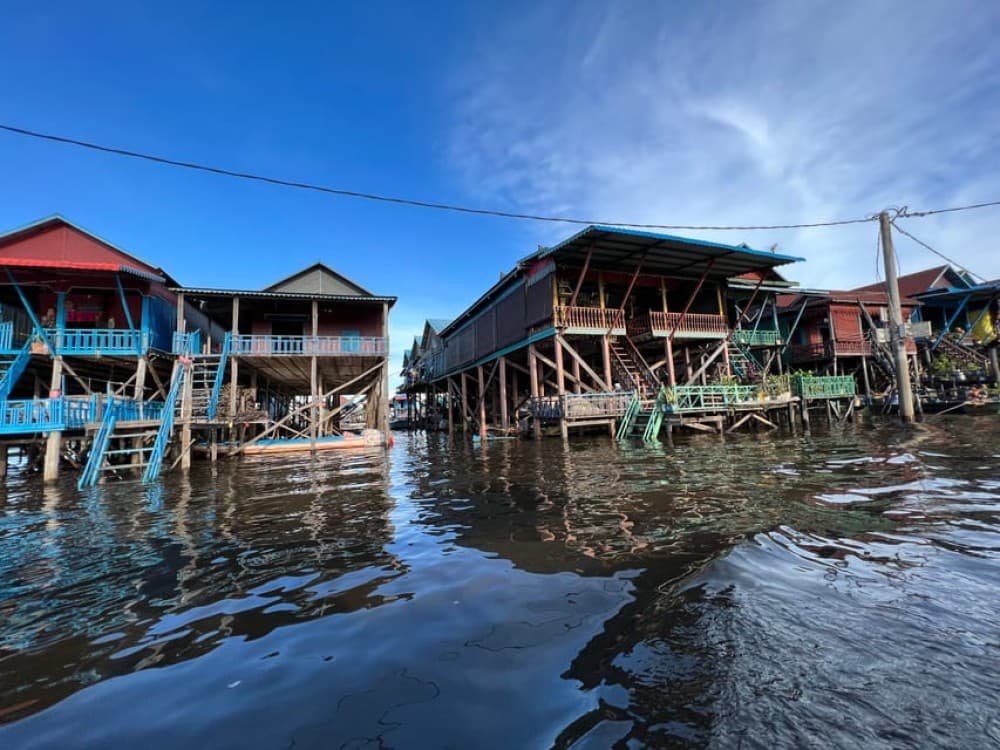
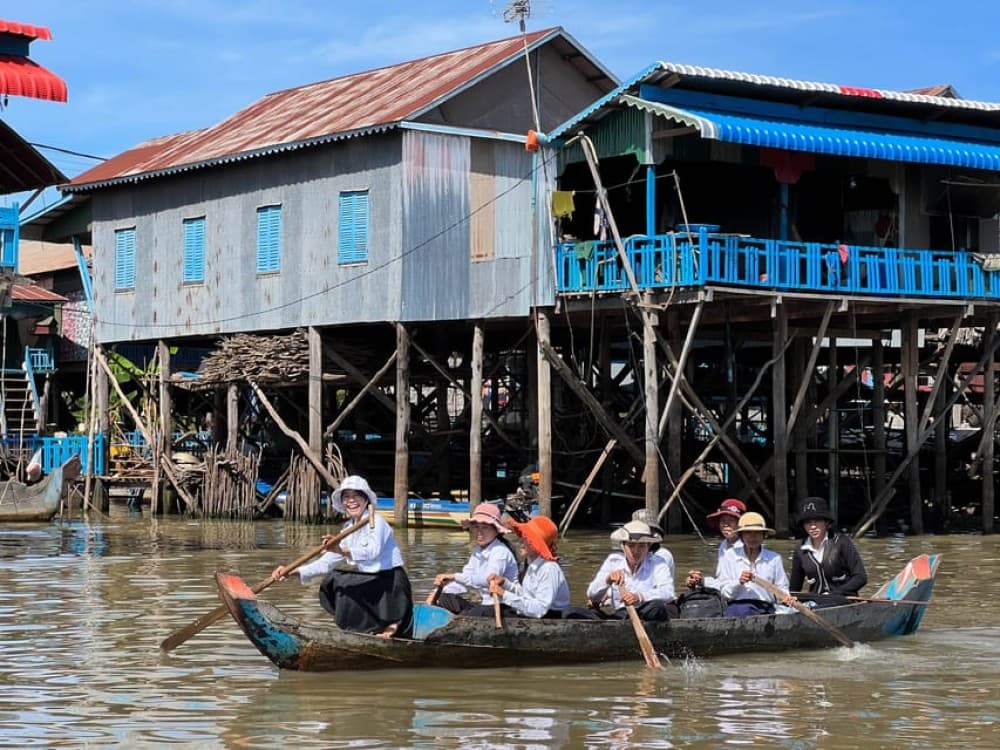
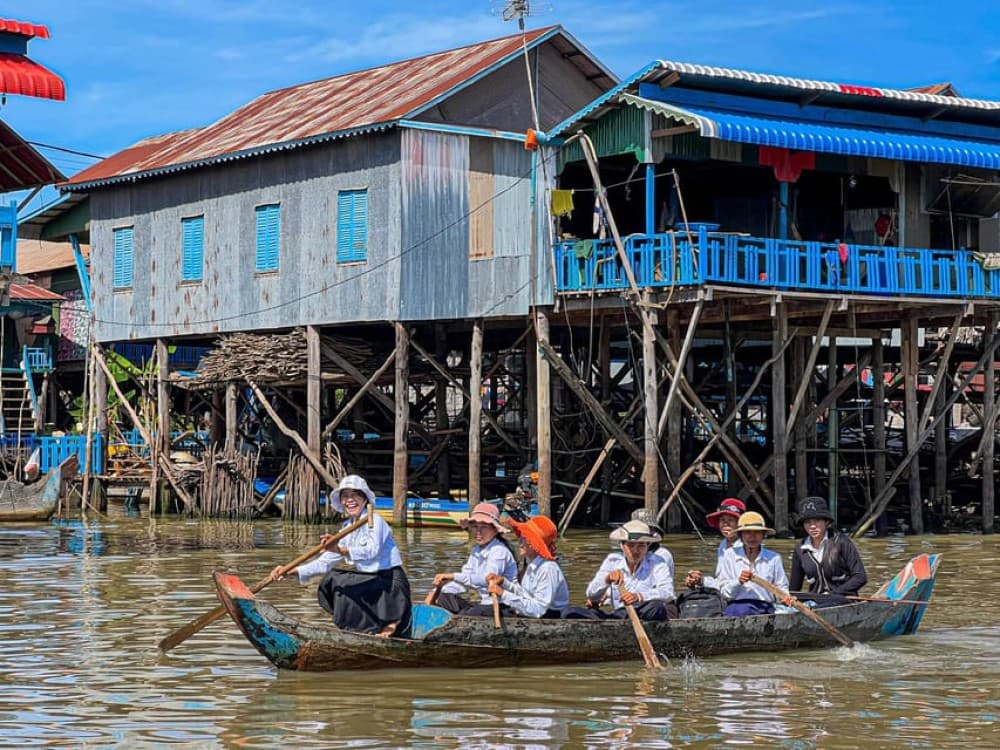
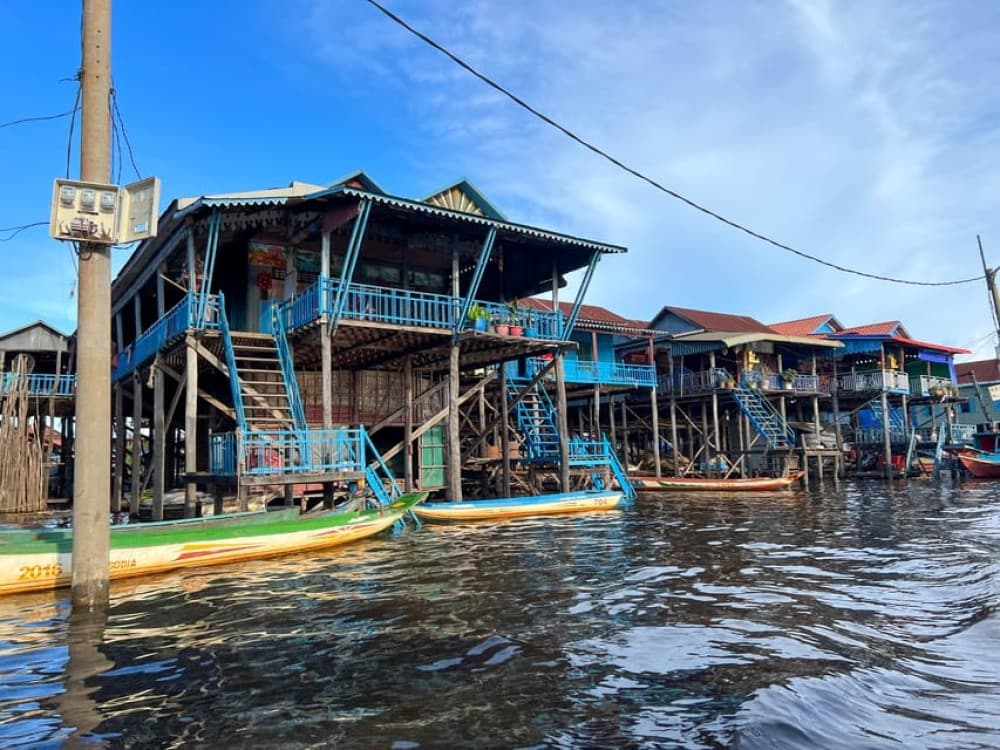
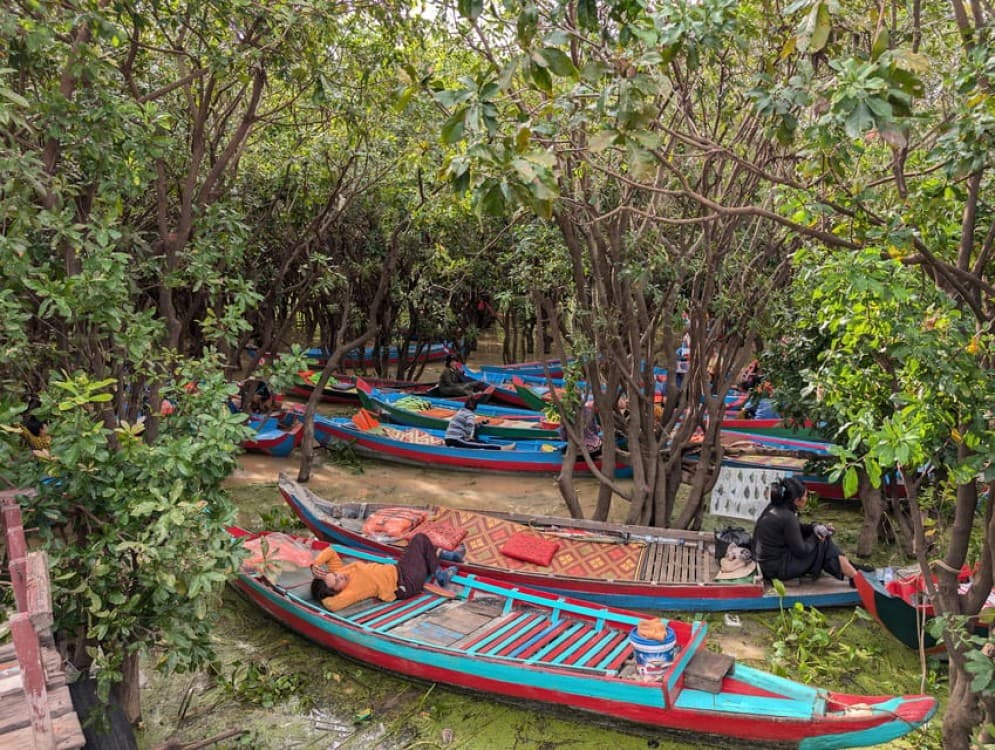
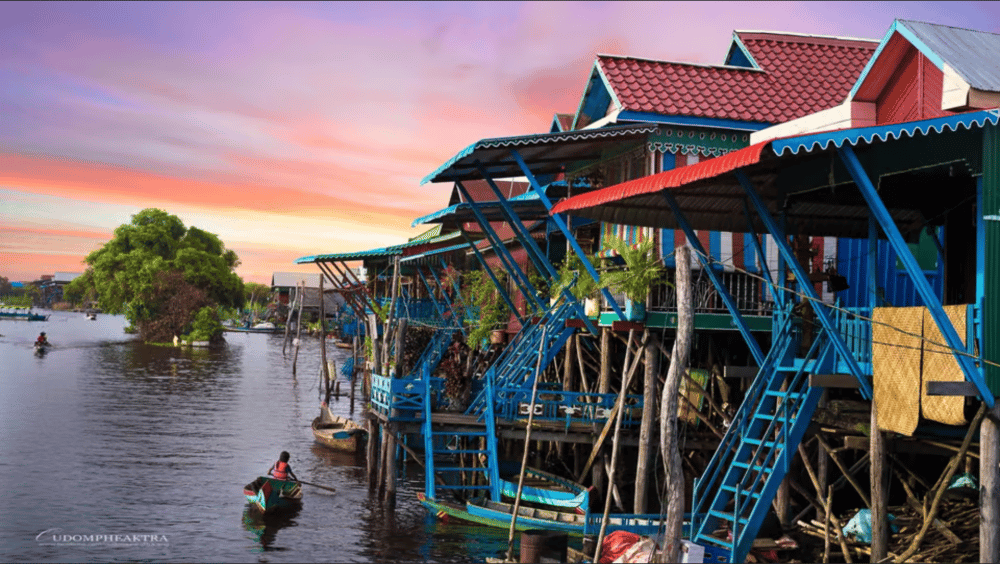
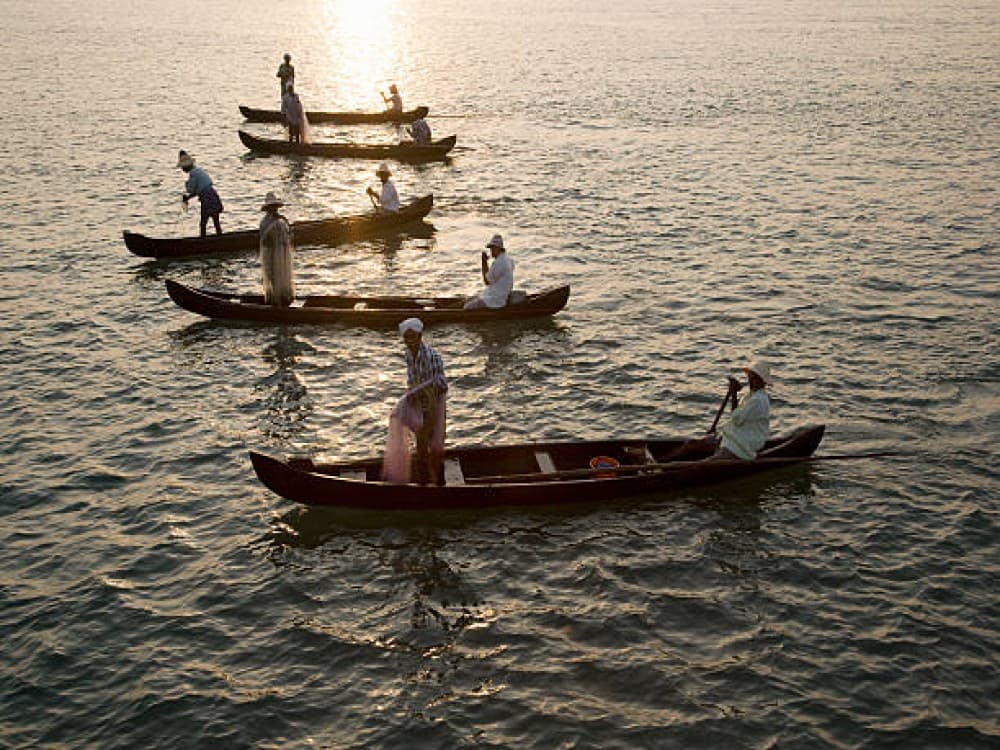
Tonlé Sap is the largest freshwater lake in Southeast Asia, located just a short distance from Phnom Penh. This UNESCO-listed biosphere reserve is a unique natural wonder, offering a glimpse into Cambodia’s rural life and ecological diversity. Known for its floating villages, lush wetlands, and incredible birdlife, Tonlé Sap provides a serene escape from the hustle and bustle of Phnom Penh. Visitors can explore the lake by boat, experiencing life on the water firsthand as you cruise past floating homes, markets, and schools. The lake is also a crucial part of Cambodia’s ecosystem, supporting diverse species of fish, birds, and plants, making it a must-see for nature lovers and adventure seekers.
Guided Tours
Water Activities
Guided Tours
Multi-Day Trips
Guided Tours
Multi-Day Trips
Adventures
Guided Tours
Day Trips
Guided Tours
Adventures
Day Trips
Day Trips
Guided Tours
Day Trips
Adventures
Day Trips
Adventures
Day Trips
Guided Tours
Multi-Day Trips
Day Trips
Guided Tours
Adventures
Day Trips
Adventures
Day Trips
Day Trips
Guided Tours
Adventures
Day Trips
Adventures
Day Trips
Adventures
Day Trips
Adventures
Guided Tours
Adventures
Guided Tours
Adventures
Guided Tours
Adventures
Guided Tours
Day Trips
Guided Tours
Adventures
Guided Tours
Adventures
Guided Tours
Adventures
Day Trips
Day Trips
Guided Tours
Guided Tours
Multi-Day Trips
Guided Tours
Guided Tours
Other Experiences
Guided Tours
Water Activities
Day Trips
Other Experiences
Tonlé Sap is situated about 15 kilometers (9 miles) from Phnom Penh, making it an ideal destination for a day trip. The lake spans an impressive 2,700 square kilometers and is home to several floating villages, the most famous being Kampong Phluk, Kampong Chhnang, and Kampong Luong. The lake is particularly well-known for its unique seasonal variations, where the water level can rise by up to 10 meters during the rainy season, creating a breathtaking landscape. A boat ride on Tonlé Sap offers visitors a chance to see the lake’s vibrant ecosystems, local communities, and traditional way of life, making it a perfect blend of nature and culture.
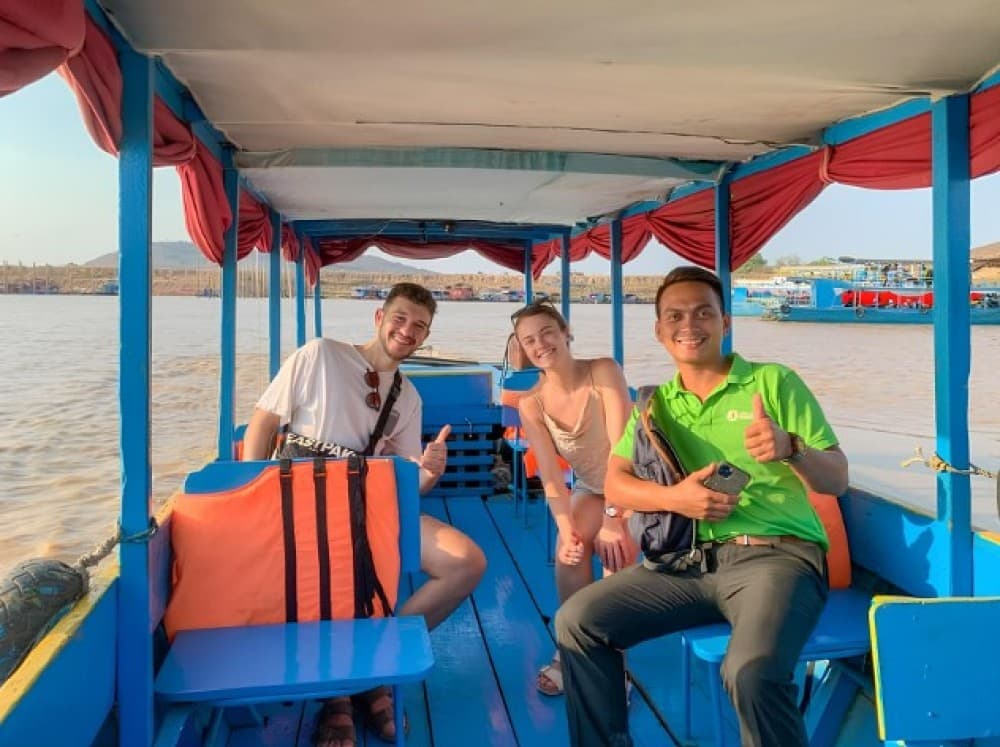
Before visiting Tonlé Sap, it’s important to be prepared. The boat trips can be quite long, often taking up to 4-5 hours, so bring water, snacks, and a hat for sun protection. Be mindful of the weather conditions, as the best time to visit is during the dry season (November to February), when the water levels are lower and the roads leading to the lake are more accessible. The boat rides can be bumpy, so if you are prone to seasickness, it’s a good idea to bring medication. Additionally, modest attire is recommended, as the floating villages are residential areas. Respect the local culture and take time to appreciate the unique lifestyle of the communities on the lake.
Reaching Tonlé Sap from Phnom Penh is relatively simple. The most convenient way is to take a private taxi or a shared minivan, which will take you directly to one of the boat departure points. The boat trips usually depart from Kampong Chhnang or Kampong Phluk, which are approximately 1.5 to 2 hours from Phnom Penh by road. For a more adventurous journey, you can hire a moto-dop (motorbike taxi) to the lake, or take a guided tour that includes transport and a boat ride. It’s recommended to book your boat tour in advance, especially during the peak tourist season.
The best time to visit Tonlé Sap is during the dry season, from November to February, when the weather is cooler and the water levels are more manageable. This is when the floating villages are most accessible by boat, and the landscape is particularly picturesque. During the rainy season (May to October), the lake expands significantly, which makes access to the floating villages more challenging. However, this is also the time when the lake’s ecosystem is at its most vibrant, with abundant wildlife and lush greenery. If you are visiting during the rainy season, be prepared for possible delays or changes in the tour schedule due to weather conditions.