Discover Ponta do Sol & Jewish Heritage
(0.0/5)
(0 Bewertungen)
Guided Tours
€44.00
/ Person

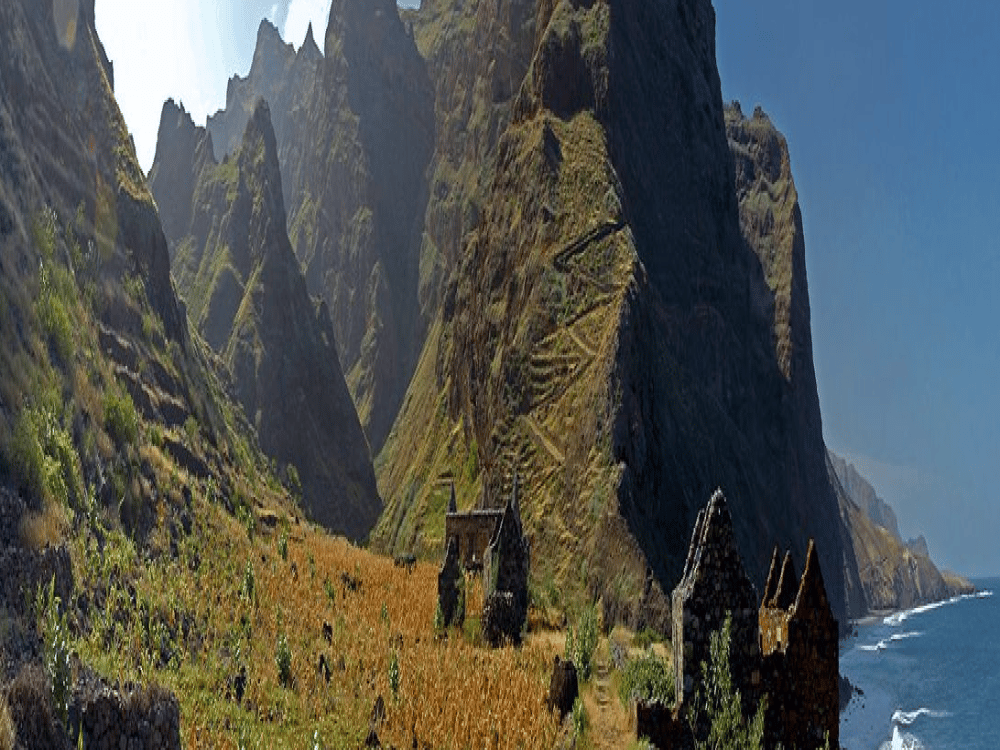
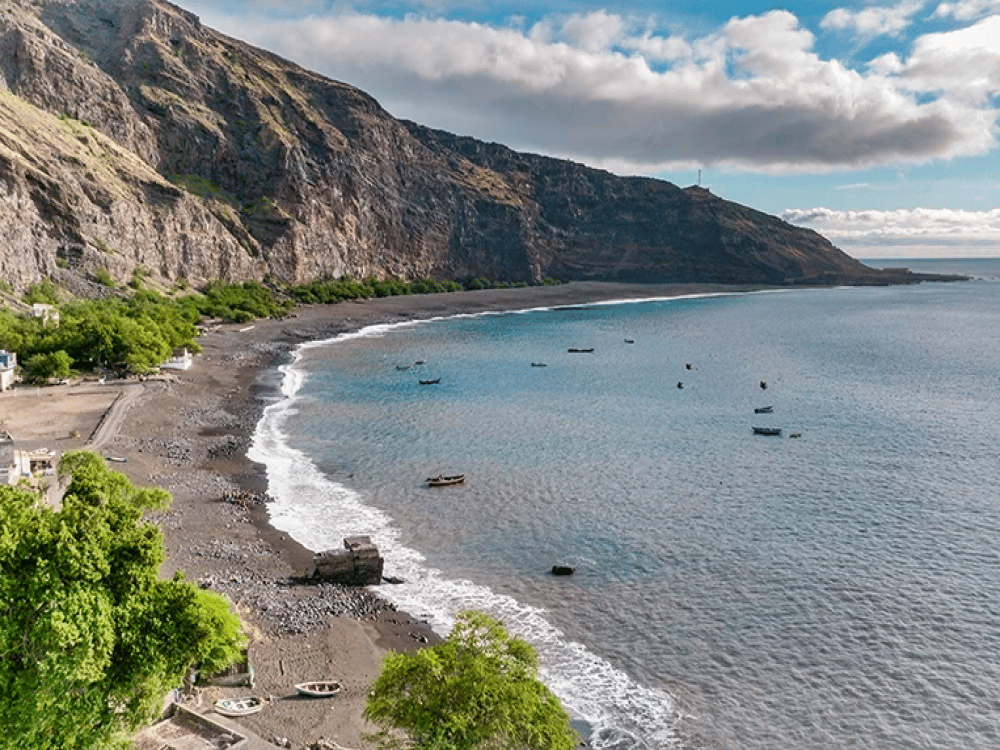
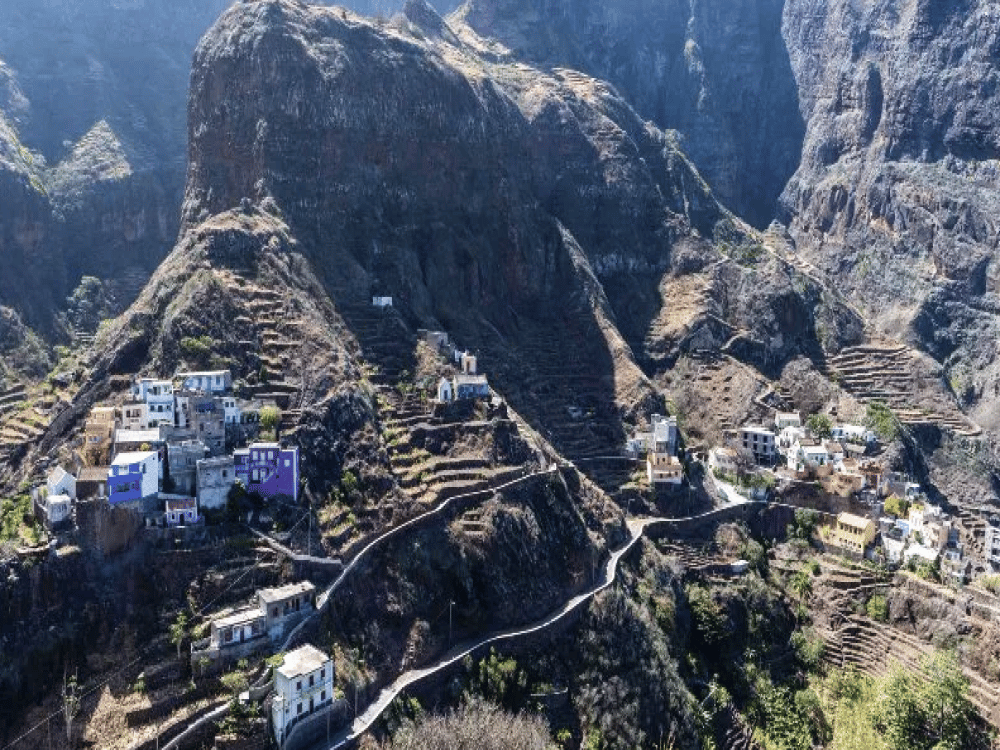
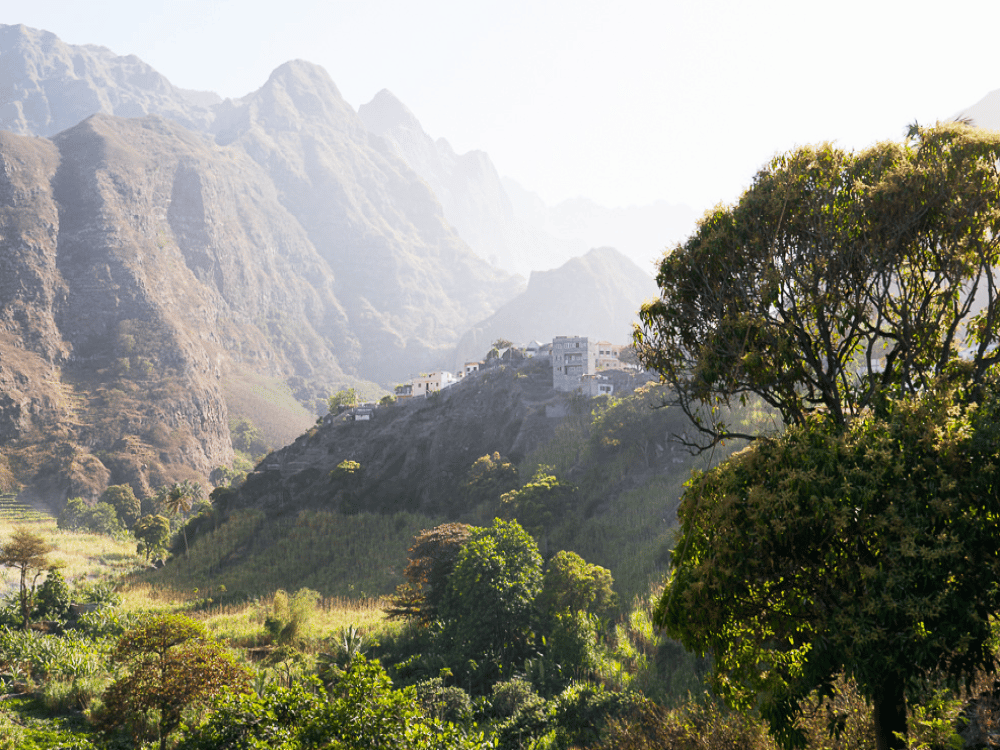
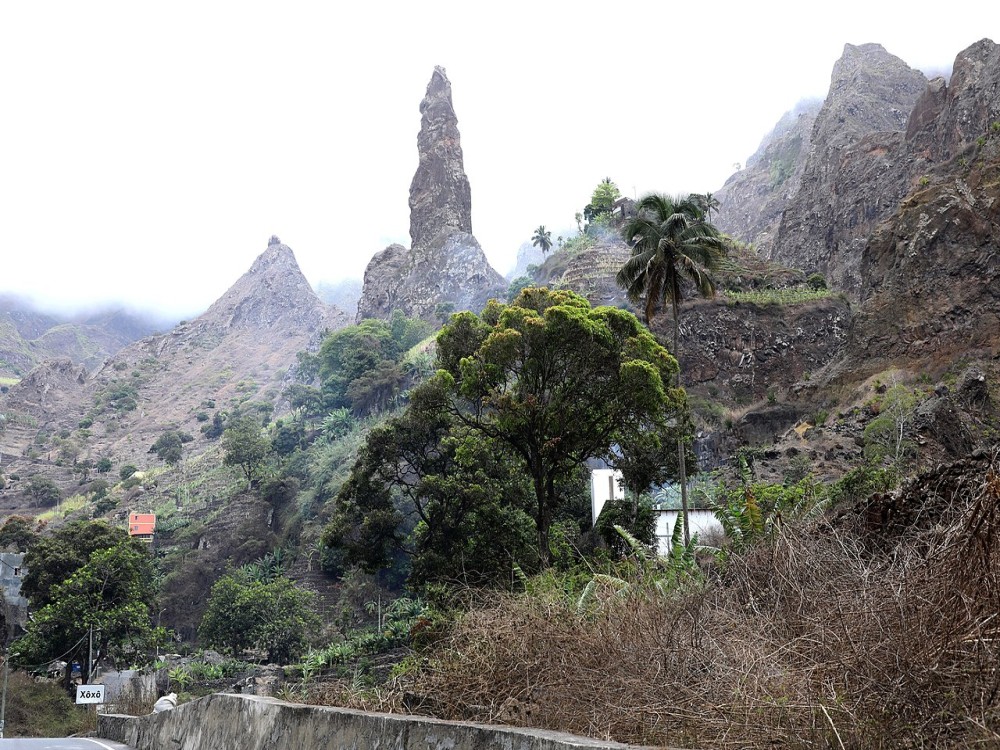
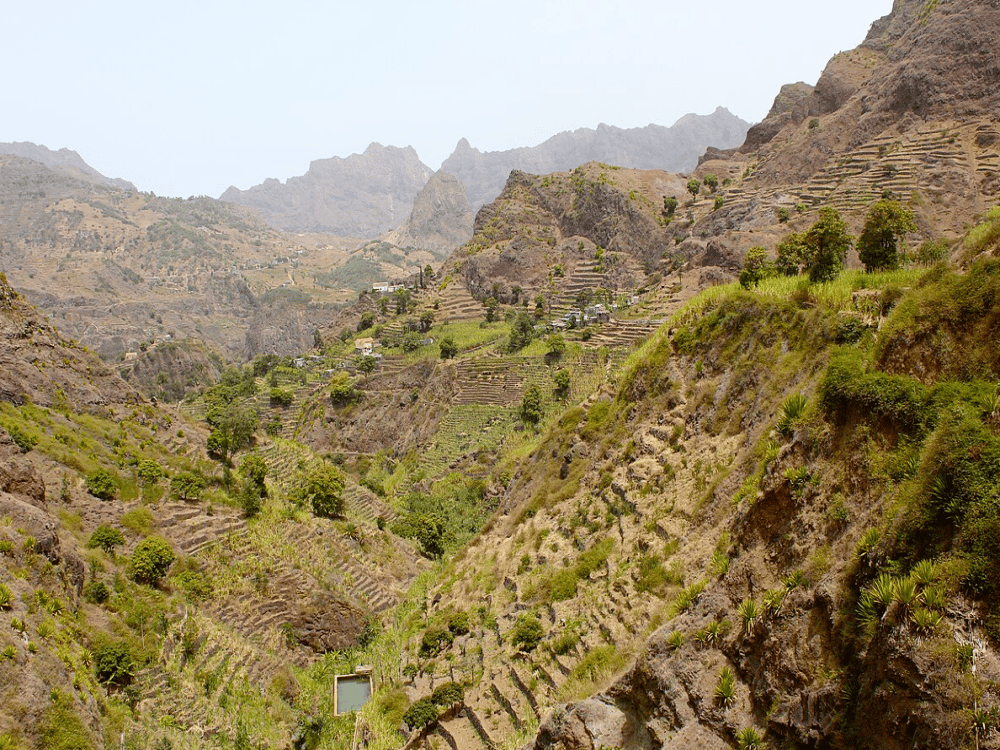
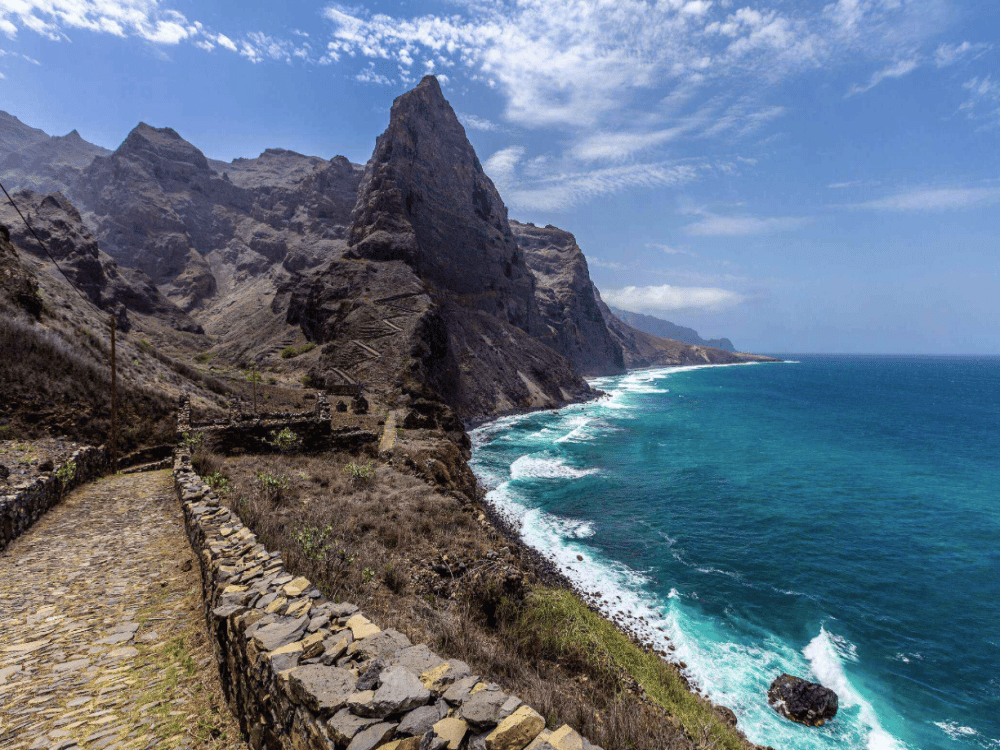
Santo Antão, the westernmost island of Cape Verde, is a paradise for nature lovers, hikers, and travelers looking for dramatic landscapes and authentic island life. Known for its deep green valleys, steep mountain trails, and rugged coastline, the island offers a very different experience compared to Cape Verde’s more beach-oriented destinations. Choosing the best time to visit Santo Antão depends largely on what you want to do, as weather, vegetation, and sea conditions change noticeably throughout the year.
Understanding Santo Antão’s Climate
Santo Antão has a subtropical, dry climate with mild temperatures year-round. Average daytime temperatures usually range between 22°C and 28°C, making it comfortable to visit in almost any season. However, the island’s mountainous terrain creates microclimates, meaning weather can vary significantly between coastal areas and higher elevations. While coastal regions are generally dry and sunny, the interior valleys can be cooler, greener, and sometimes misty, especially during certain months.
Rainfall is limited overall, but when it does occur, it has a strong impact on the island’s landscape. Even short rainy periods can transform valleys into lush, green environments, which many travelers consider the island at its most beautiful.
The Dry Season: Ideal for Hiking and Outdoor Activities
The dry season, which typically runs from November to June, is considered the best time to visit Santo Antão for most travelers. During these months, rainfall is minimal, trails are in good condition, and visibility is excellent for enjoying panoramic views of mountains, cliffs, and the ocean.
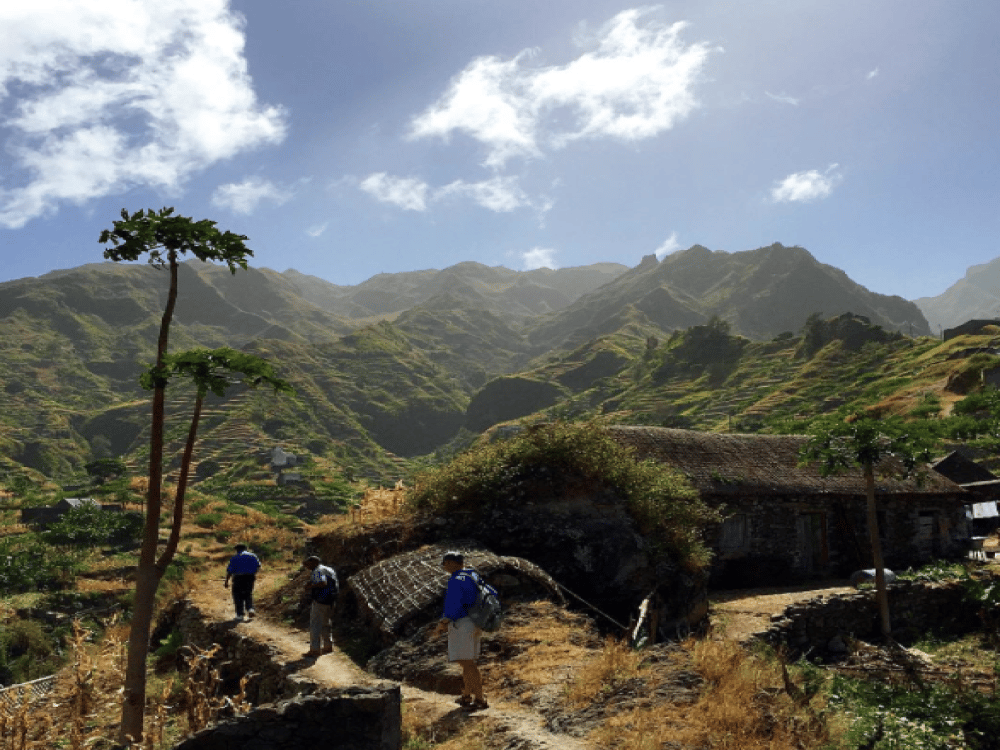
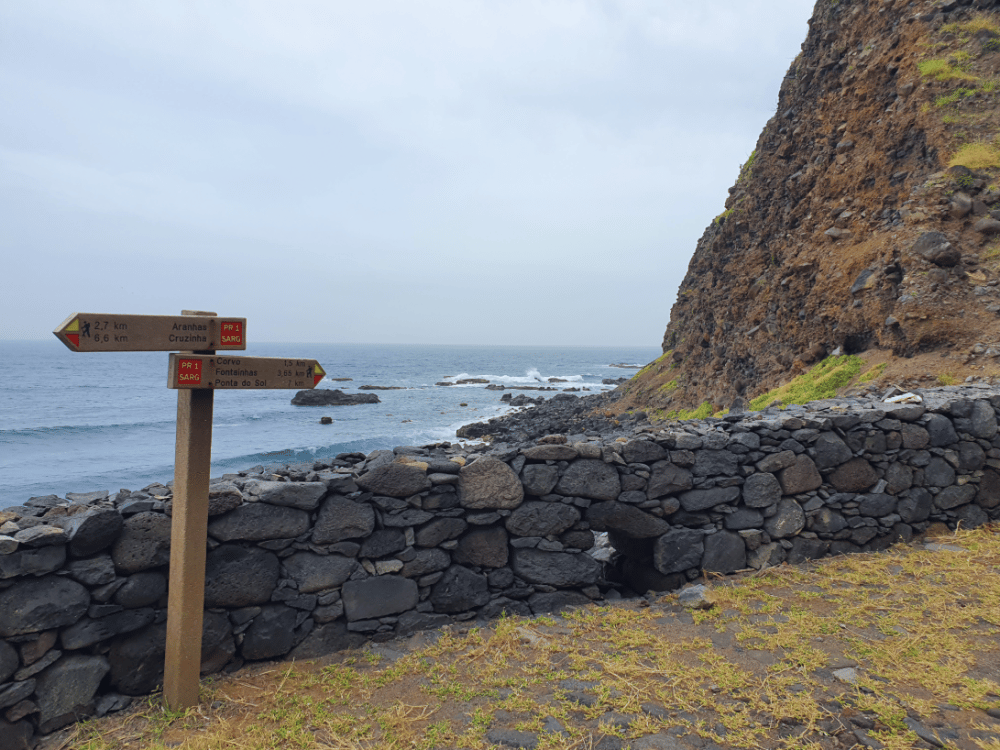
Hiking is the island’s main attraction, and dry season conditions are perfect for exploring famous routes such as the Paul Valley, Ribeira da Torre, and the coastal paths near Ponta do Sol. Temperatures during this period are warm but not overwhelming, especially at higher altitudes where the air is cooler and fresher.
Another advantage of visiting during the dry season is ease of transportation. Roads and mountain passes are more reliable, making it simpler to move between villages and reach trailheads. For travelers who want to focus on trekking, photography, and cultural exploration, this period offers the most predictable conditions.
The Green Season: Lush Landscapes and Fewer Visitors
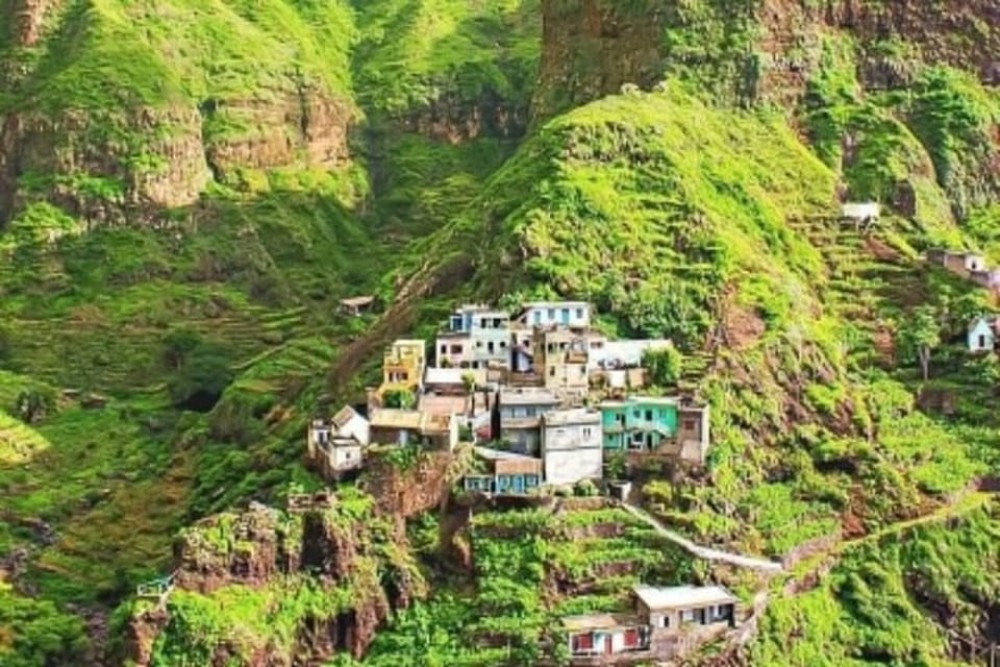
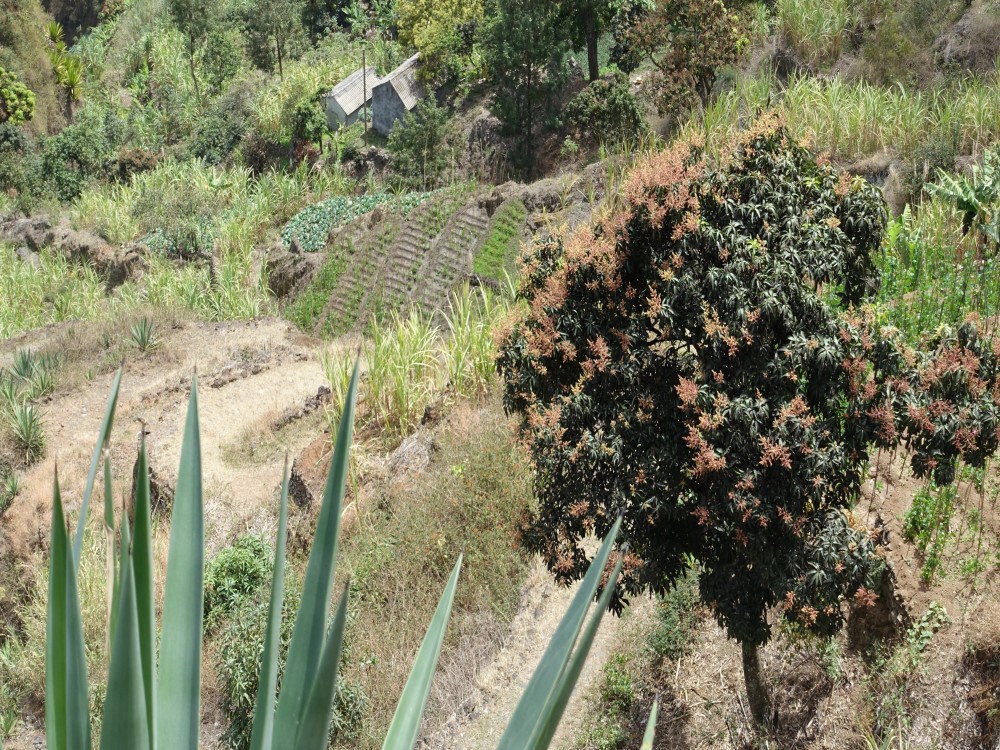
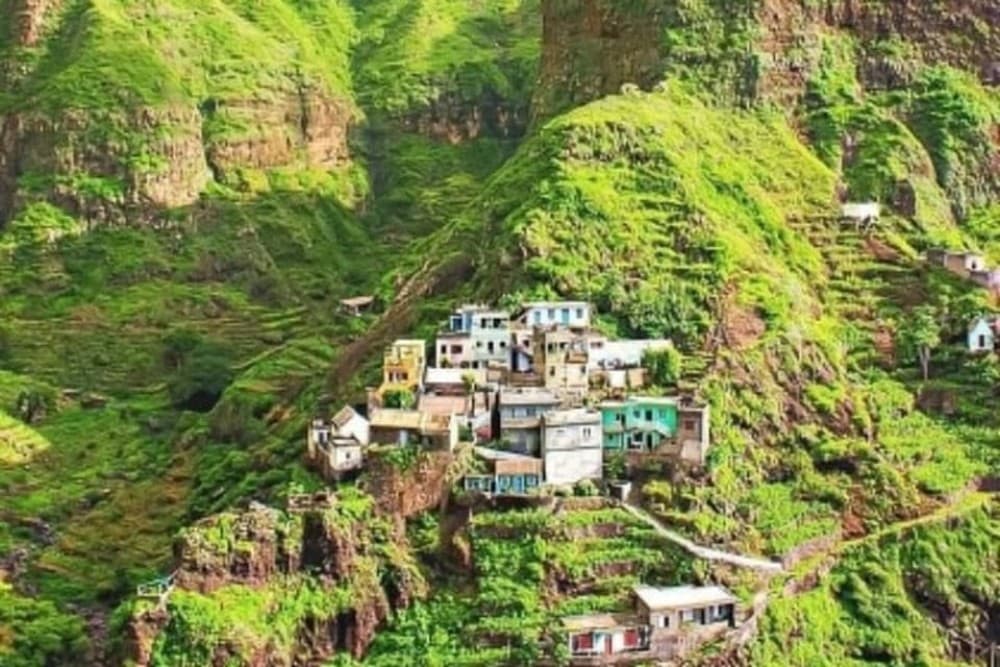
From August to October, Santo Antão experiences its short rainy season, often referred to as the green season. Rainfall is usually intermittent rather than constant, but it is enough to dramatically change the island’s appearance. Hillsides turn vibrant green, crops flourish in the valleys, and waterfalls may appear in areas that are dry for much of the year.
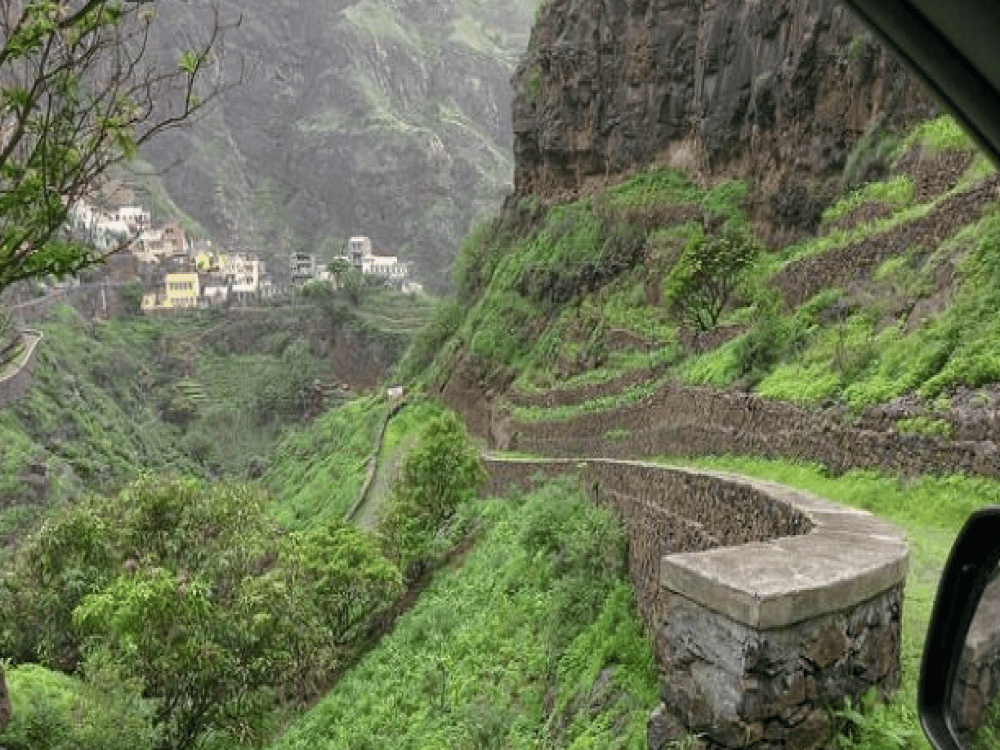
This season is especially appealing for travelers who want to see Santo Antão at its most fertile and colorful. The Paul Valley, in particular, becomes exceptionally lush, offering a striking contrast to the island’s otherwise rugged character. Photographers and nature enthusiasts often prefer this time for capturing the island’s agricultural life and rich scenery.
However, hiking during the green season can be more challenging. Trails may become muddy or slippery, and occasional heavy rains can make certain routes temporarily inaccessible. Flexibility is important if you visit during these months, as weather conditions can change quickly in the mountains.
Best Months for Hiking Enthusiasts
For dedicated hikers, the months from December to April are often considered the best time to visit Santo Antão. During this period, temperatures are comfortable, humidity is low, and the risk of rain is minimal. The landscape may not be as green as during the rainy season, but the clear skies and stable conditions allow for longer, safer hikes.
These months are also ideal for multi-day trekking experiences, as overnight temperatures remain mild and accommodation in mountain villages is more accessible. Trails are well-defined, and local guides can easily adapt routes based on skill level and interests.
Visiting for Culture and Local Life
Santo Antão is not a party island, and its appeal lies in everyday life, agriculture, and small communities. There is no strict festival season that defines the best time culturally, but visiting between January and June allows travelers to experience village life without the complications of rain or difficult transport.
During this time, you can observe farming activities, sample local products like grogue (sugarcane rum), and enjoy fresh produce grown in the valleys. The calmer atmosphere during the shoulder months also makes it easier to connect with locals and explore at a relaxed pace.
Sea Conditions and Travel Considerations
Although Santo Antão is not primarily known for beaches, sea conditions still matter because access to the island is via ferry from São Vicente. The ocean can be rough at certain times of year, particularly between December and February. While ferries operate year-round, travelers prone to seasickness may prefer calmer months such as March, April, or May.
Planning travel with some flexibility is always wise, as ferry schedules can occasionally change due to weather conditions.
Final Thoughts on the Best Time to Visit Santo Antão
Overall, the best time to visit Santo Antão is during the dry season from November to June, with December to April being especially popular for hiking and outdoor exploration. This period offers the most reliable weather, comfortable temperatures, and easy access to the island’s famous trails and valleys.
For travelers who value lush landscapes and don’t mind occasional rain, the green season from August to October provides a more vibrant and less crowded experience. Each season has its own charm, and Santo Antão remains a rewarding destination year-round for those seeking nature, authenticity, and unforgettable scenery.
Guided Tours
Day Trips
Guided Tours