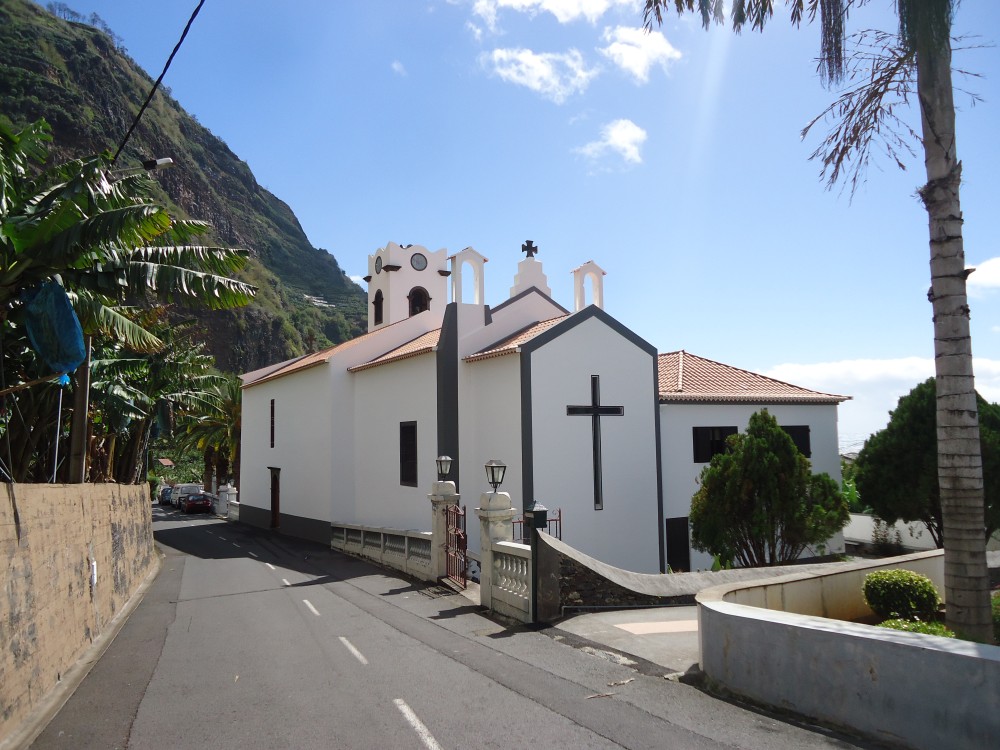

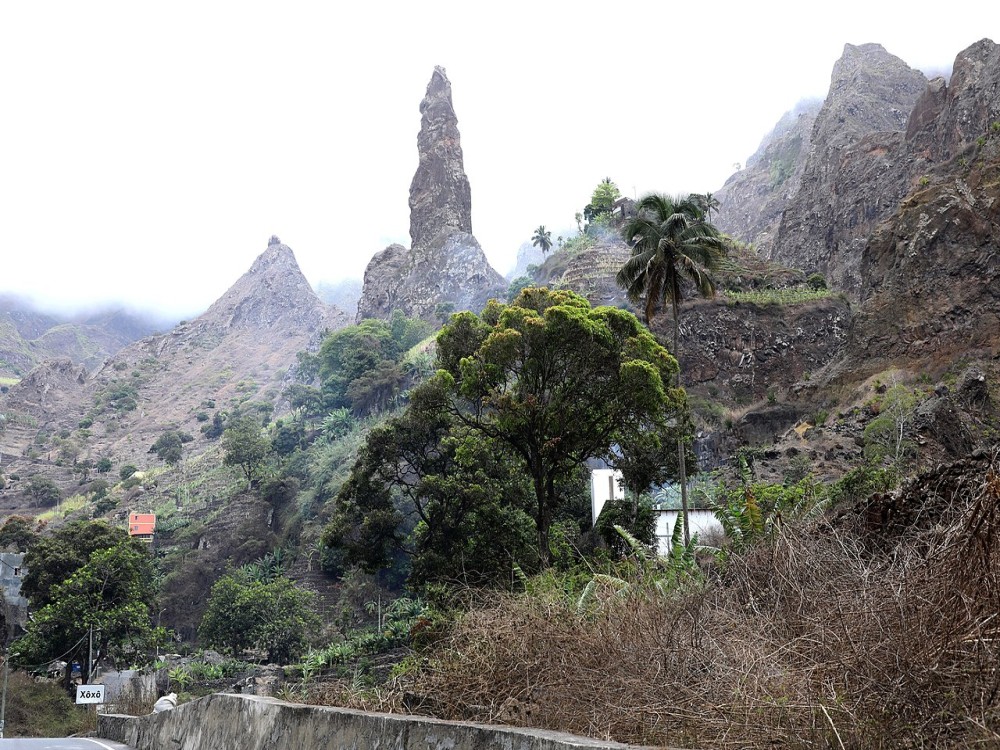


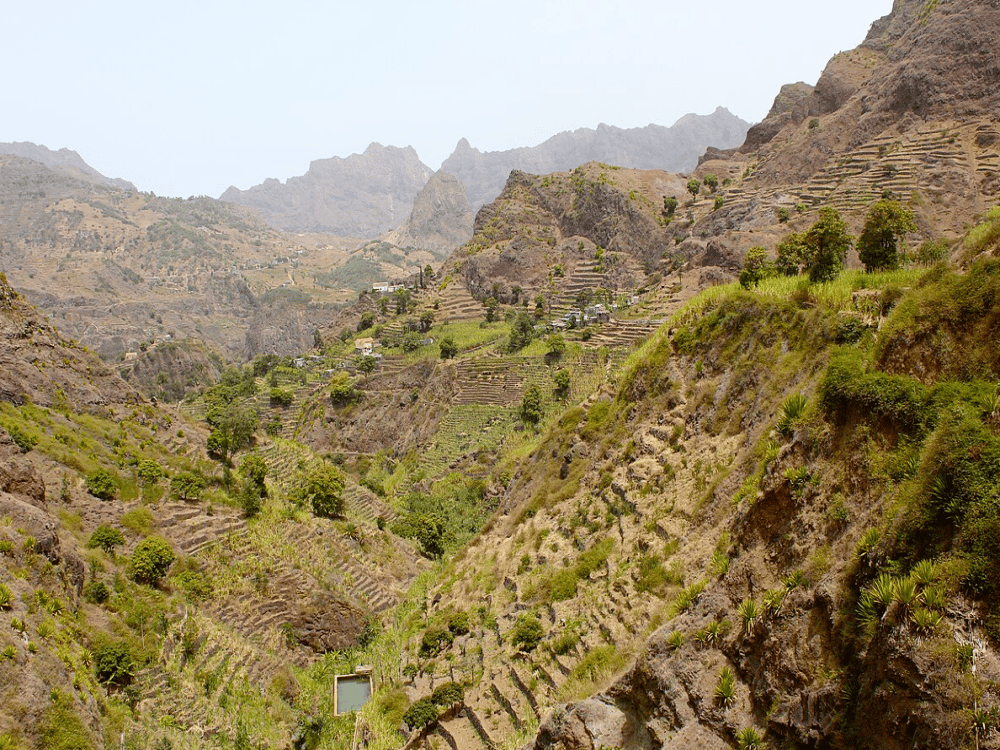

Discover Ponta do Sol & Jewish Heritage
(0.0/5)
(0 Bewertungen)
Guided Tours
€44.00
/ Person






Santo Antão, one of Cape Verde’s most dramatic and rewarding islands, is famous for its deep valleys, towering mountains, remote villages, and scenic coastal roads. Unlike more developed destinations, getting around Santo Antão requires some planning and flexibility. There is no airport on the island, and transport options are simple rather than luxurious. However, this is part of the island’s charm. Traveling around Santo Antão is an experience in itself, offering constant views of rugged landscapes and everyday local life. Understanding the available transport options will help you make the most of your visit and explore the island comfortably and safely.
Arriving on Santo Antão
Before discussing how to move around the island, it is important to understand how travelers arrive. Santo Antão is reached by ferry from the neighboring island of São Vicente. Ferries operate regularly between Mindelo and Porto Novo, the main port of Santo Antão. The crossing usually takes about one hour, depending on sea conditions. Once you arrive in Porto Novo, all inland travel begins from this point. Porto Novo also serves as the main transport hub, with taxis, shared minibuses, and rental vehicles available near the harbor.
Traveling by Shared Minibus (Aluguer)
One of the most common and authentic ways to get around Santo Antão is by shared minibus, locally known as an “aluguer.” These are usually small vans or pickup trucks fitted with benches, and they operate along set routes connecting towns and villages. Aluguers are affordable and widely used by locals, making them an excellent option for travelers who want a real insight into daily island life.
Aluguers do not follow strict timetables. They typically depart when full, which means waiting times can vary. However, on popular routes such as Porto Novo to Ribeira Grande or Ponta do Sol, departures are frequent throughout the day. While comfort is basic, the drivers are experienced and used to navigating the island’s steep and winding roads. For short and medium distances, aluguers are a practical and budget-friendly option.
Using Taxis for Flexibility
Taxis are another popular way to get around Santo Antão, especially for travelers who prefer comfort and flexibility. Taxis are readily available in Porto Novo and in larger towns such as Ribeira Grande and Ponta do Sol. Unlike shared transport, taxis can take you directly to your accommodation, trailhead, or viewpoint without stops along the way.
Many visitors choose to hire taxis for half-day or full-day tours. This is particularly useful if you want to explore multiple locations in one day or reach more remote areas. Taxi drivers often act as informal guides, sharing local knowledge about villages, agriculture, and island history. Prices are usually negotiated in advance, and while taxis are more expensive than aluguers, they are still reasonably priced compared to many European destinations.
Renting a Car on the Island
Renting a car is possible on Santo Antão, but it is not the most common choice. The island’s roads are steep, narrow, and often paved with cobblestones, especially in mountainous areas. Driving requires confidence and experience, particularly on routes like the old mountain road between Porto Novo and Ribeira Grande.
For travelers who enjoy driving and want full independence, a rental car can be useful. It allows you to stop at viewpoints, explore lesser-known villages, and travel at your own pace. Most rental cars are small, and many are manual transmission. Fuel stations are limited, so planning ahead is essential. While renting a car offers freedom, it is generally recommended only for confident drivers familiar with challenging road conditions.
Getting Around on Foot in Valleys and Villages
Walking is one of the most rewarding ways to experience Santo Antão, especially in its lush valleys. Many villages are small and compact, making them easy to explore on foot. Hiking trails often connect villages through terraced fields, banana plantations, and riverbeds. In areas like Paul Valley, walking is often more practical than using vehicles.
Even when traveling longer distances by taxi or aluguer, walking plays an important role in daily exploration. It allows you to discover local cafés, talk to residents, and observe traditional farming practices up close. While walking is ideal for short distances and valley exploration, it is not practical for crossing the island due to steep terrain and long distances.
Organized Tours as a Transport Option
For visitors with limited time or those who prefer a hassle-free experience, organized tours are another way to get around Santo Antão. These tours typically include transport, a driver, and sometimes a guide. They cover major highlights such as mountain passes, scenic coastal roads, and fertile valleys.
Organized tours are especially popular for day trips from Porto Novo or for travelers staying only one or two nights on the island. While they offer less flexibility than independent travel, they ensure smooth logistics and efficient use of time. This option is well suited for travelers who want to see the island’s main attractions without worrying about transport arrangements.
Practical Tips for Getting Around Santo Antão
Planning ahead is key when traveling around Santo Antão. Transport options may be limited in the evenings, and routes can be affected by weather conditions, especially during the rainy season. It is always a good idea to confirm return transport, particularly when visiting remote villages or hiking areas. Carrying cash is important, as card payments are rarely accepted for local transport.
Despite its simple transport system, getting around Santo Antão is part of the adventure. Whether you choose shared minibuses, taxis, walking, or guided tours, each journey offers stunning views and memorable encounters. With the right expectations and a flexible mindset, traveling around Santo Antão becomes one of the highlights of visiting this remarkable island.
Guided Tours

Day Trips
Guided Tours