Discover Ponta do Sol & Jewish Heritage
(0.0/5)
(0 Bewertungen)
Guided Tours
€44.00
/ Person

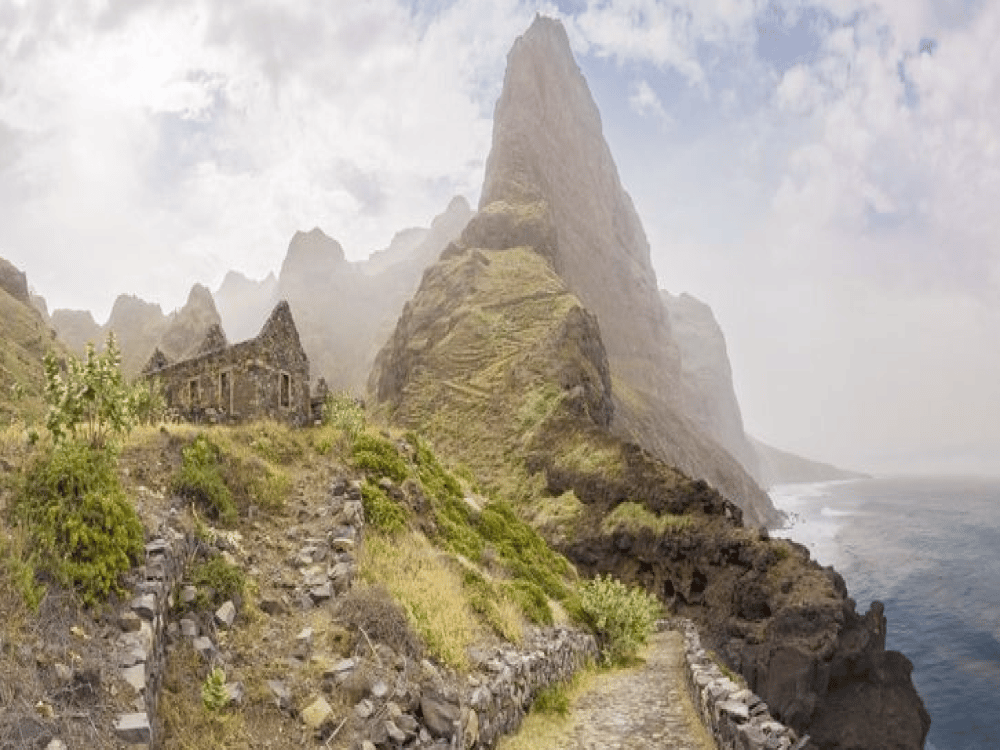
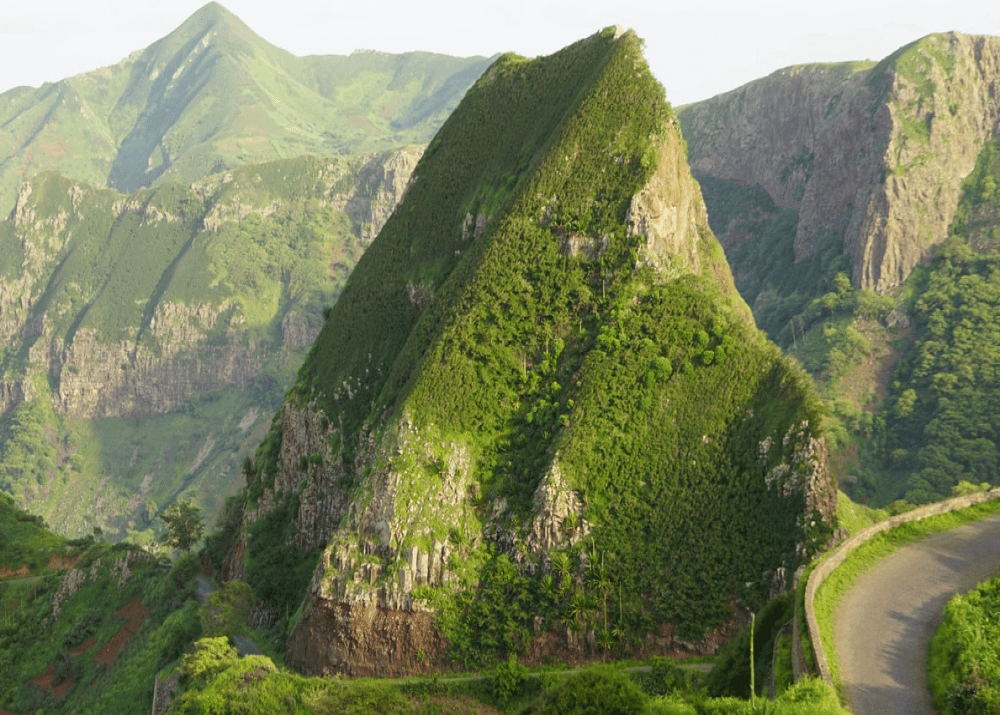

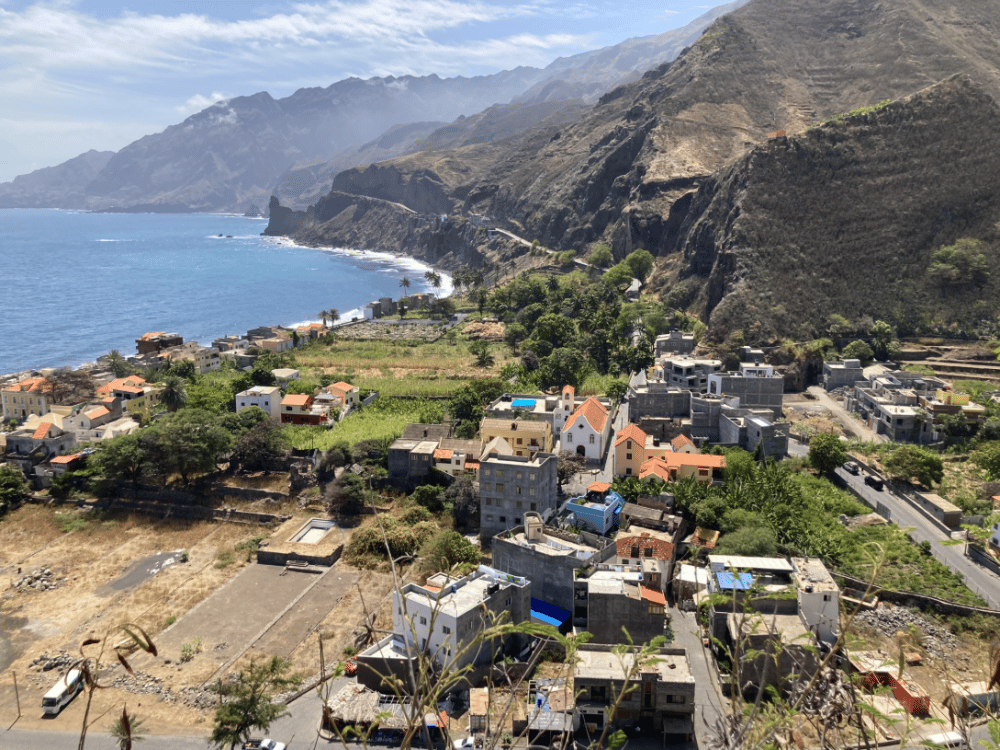
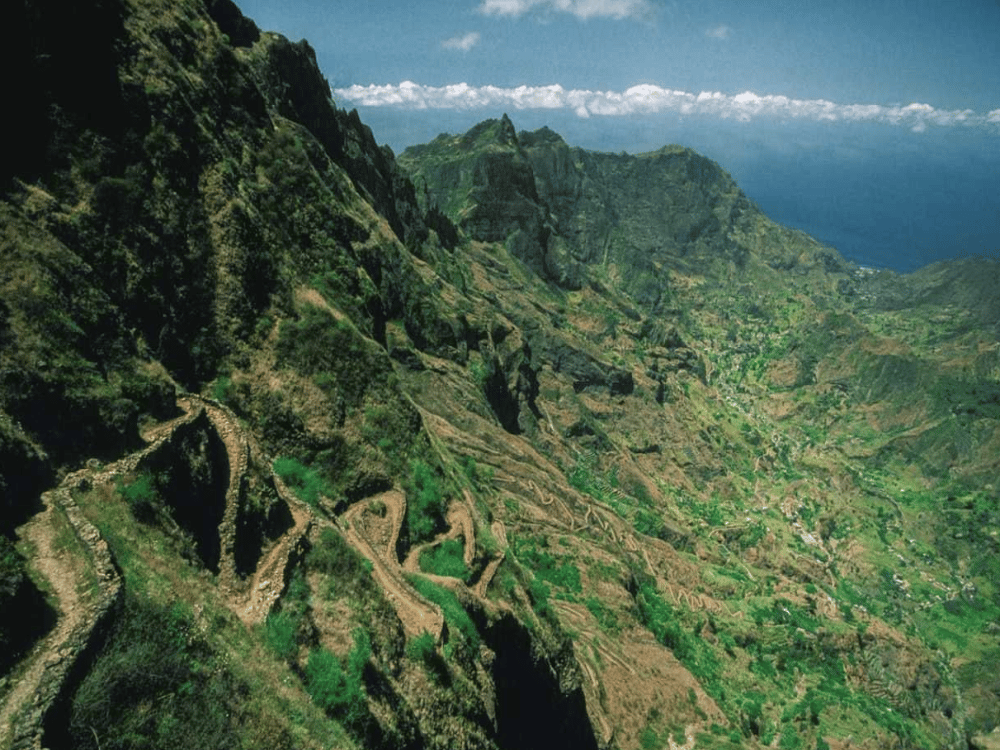
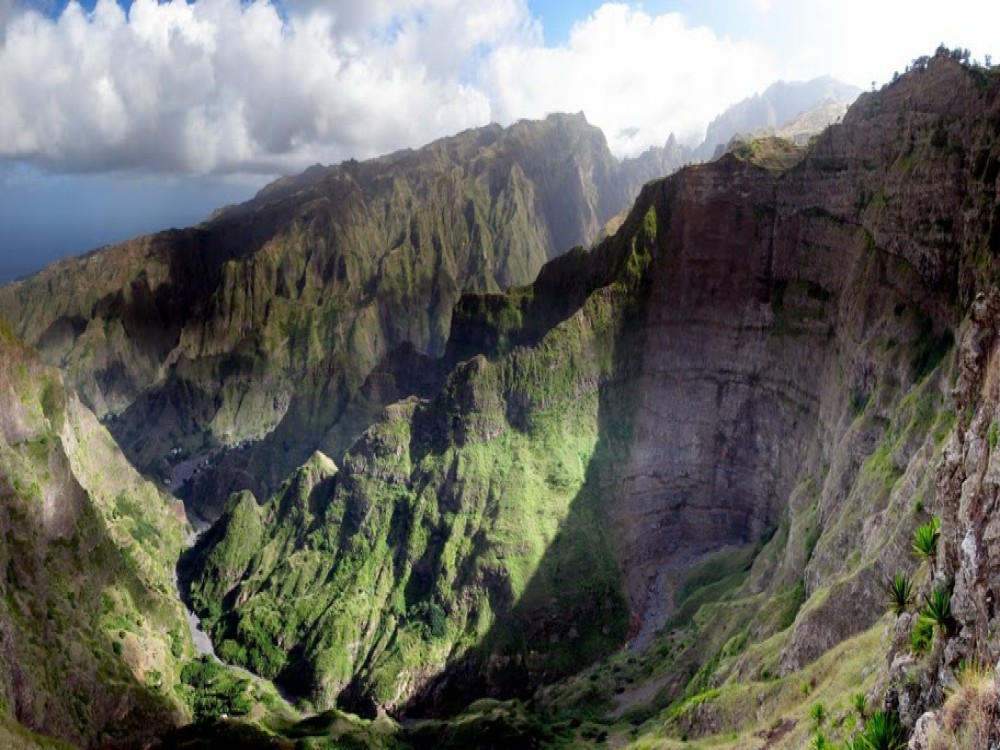
Santo Antão is widely considered the most dramatic and naturally rich island in Cape Verde. Known for its towering mountains, deep green valleys, and traditional rural life, the island offers a very different experience from the beach-focused islands of Sal or Boa Vista. Santo Antão is ideal for travelers who enjoy nature, hiking, culture, and authentic local encounters. Below is a clear and engaging guide to what you can do on this remarkable island, written in a simple and reader-friendly way.
Explore the Ribeira Grande Valley
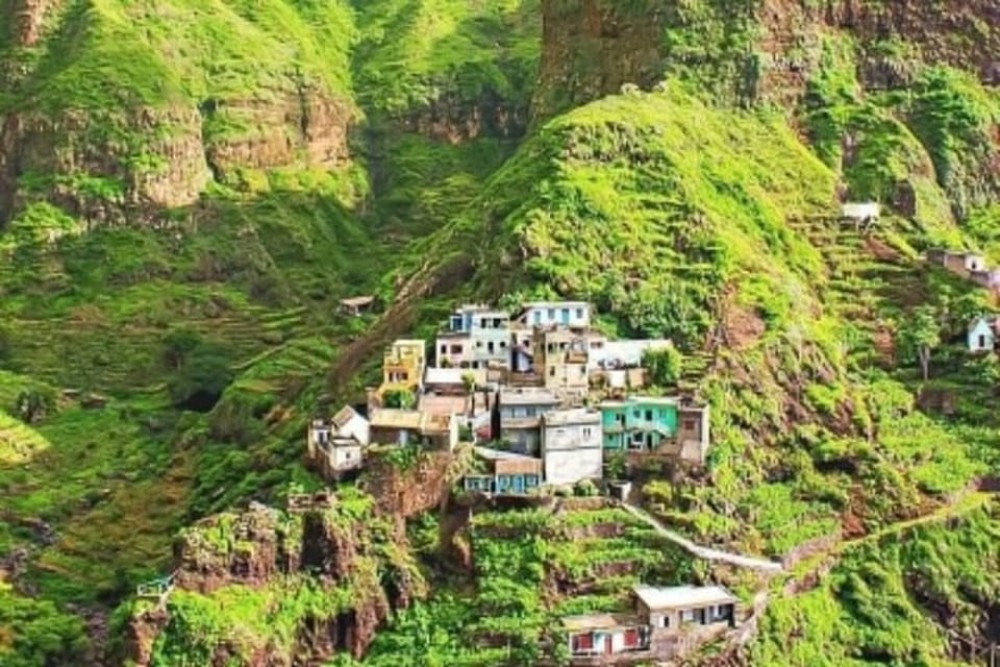
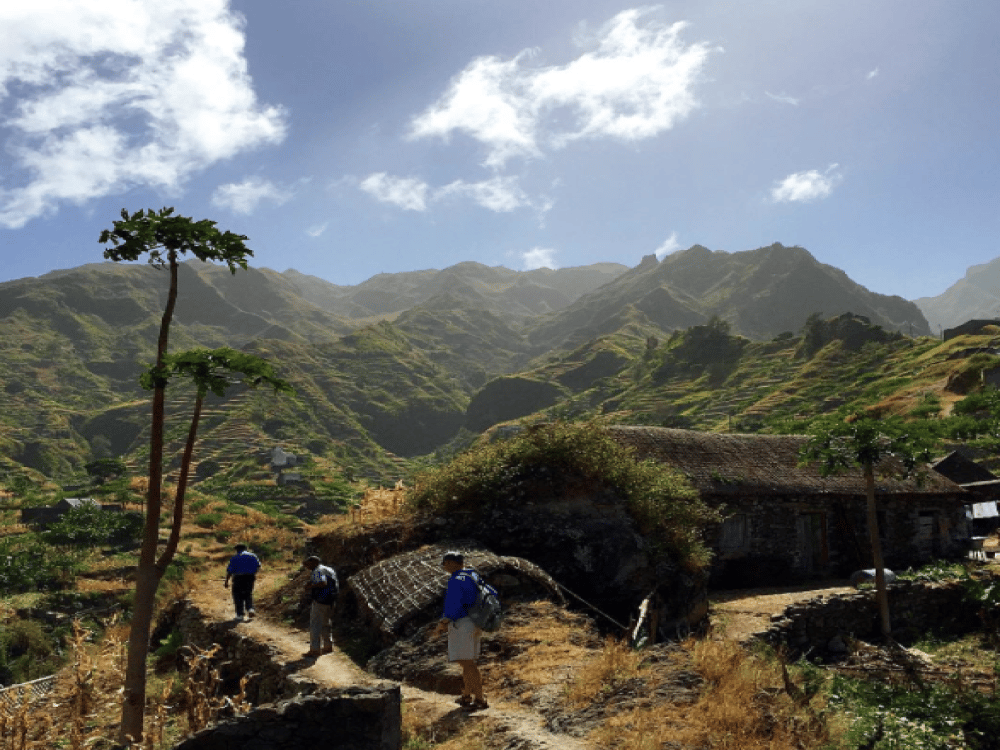
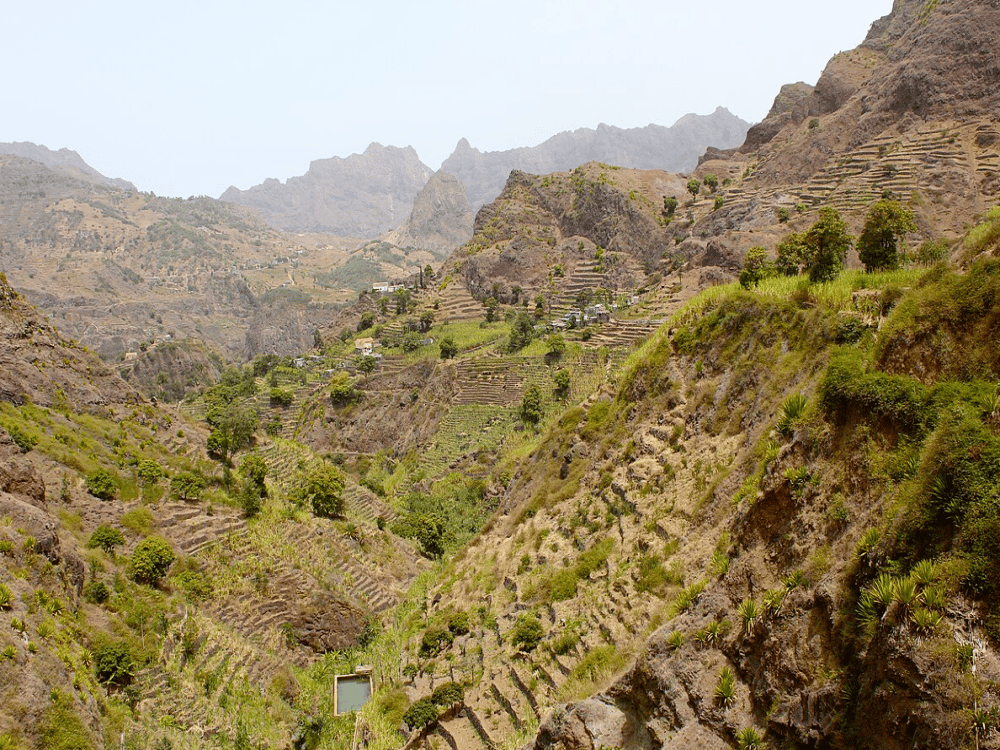
One of the first places most visitors discover is the Ribeira Grande Valley. This lush area is filled with sugarcane fields, banana trees, papaya plants, and small villages built along steep mountain slopes. Walking through the valley allows you to see everyday life on the island, where farming is still the main activity. Stone paths connect villages, and locals often greet visitors warmly. It is a great place to slow down, enjoy the scenery, and understand how people live in this mountainous environment.
Hike the Famous Coastal Trails
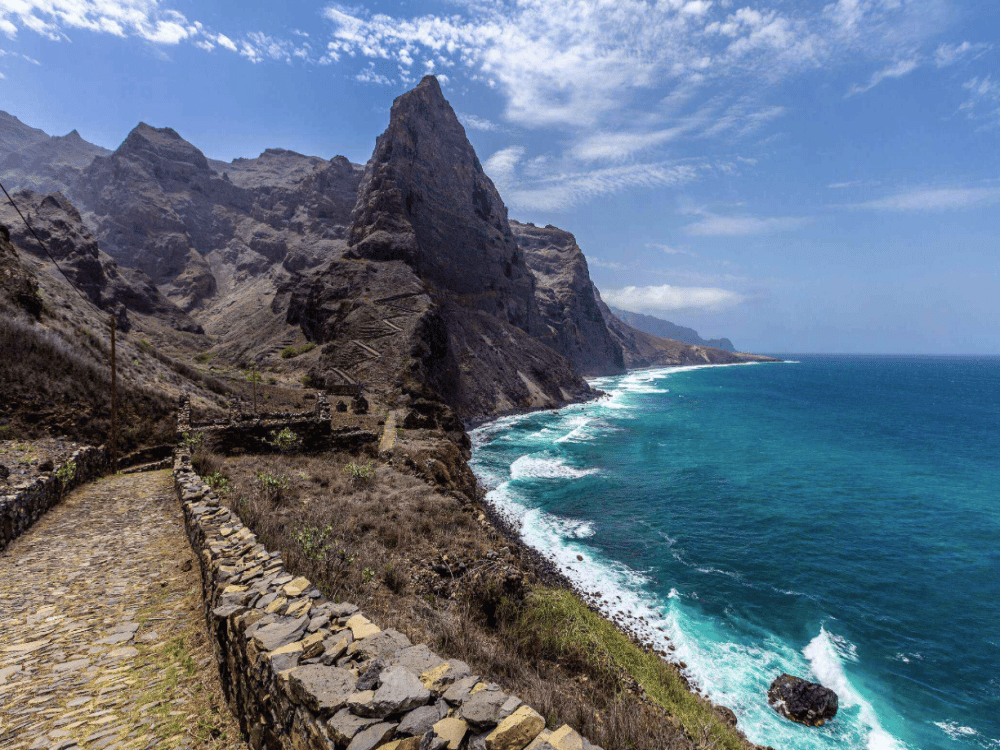
Santo Antão is considered the hiking capital of Cape Verde. The island has some of the most scenic walking routes in West Africa. One of the most famous hikes runs between Cruzinha and Ponta do Sol, following the coastline along steep cliffs above the Atlantic Ocean. The path passes small villages, terraced fields, and dramatic viewpoints. Another popular hike connects Cova Crater to Paúl Valley, descending from a cool mountain area into a tropical green valley. These hikes do not require technical climbing skills but do demand reasonable fitness and good walking shoes.
Visit the Cova Crater
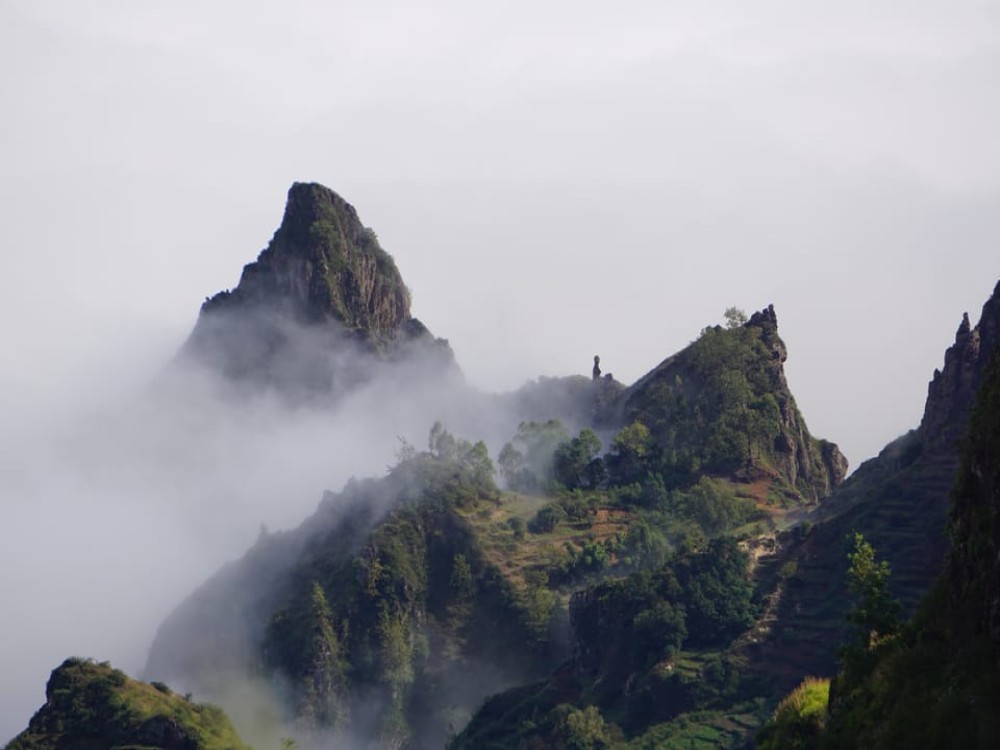
The Cova Crater is an extinct volcanic crater located high in the mountains. Today, it is used for agriculture, with neatly arranged fields growing potatoes, carrots, and other crops. The cooler climate and misty atmosphere create a very different feeling from the coastal areas. Many visitors start their hike here before descending into Paúl Valley. Even if you do not hike, the crater itself is worth visiting for its unique landscape and peaceful environment.
Discover Paúl Valley’s Green Landscape
Paúl Valley is one of the greenest places in Cape Verde and a highlight for many travelers. Thanks to its water sources and fertile soil, the valley is full of sugarcane, coffee plants, mango trees, and flowers. Small villages are scattered throughout the valley, connected by cobbled paths. Walking through Paúl Valley offers beautiful views and a chance to see traditional farming techniques that have been used for generations.
Taste Local Food and Grogue
Food is an important part of the Santo Antão experience. Traditional Cape Verdean dishes are widely available, especially in small family-run restaurants. Cachupa, the national dish made with corn, beans, vegetables, and sometimes meat or fish, is commonly served. Santo Antão is also famous for grogue, a strong sugarcane spirit produced locally. Many distilleries are small and traditional, and visitors can see how grogue is made and taste different varieties. Drinking responsibly is recommended, as grogue can be quite strong.
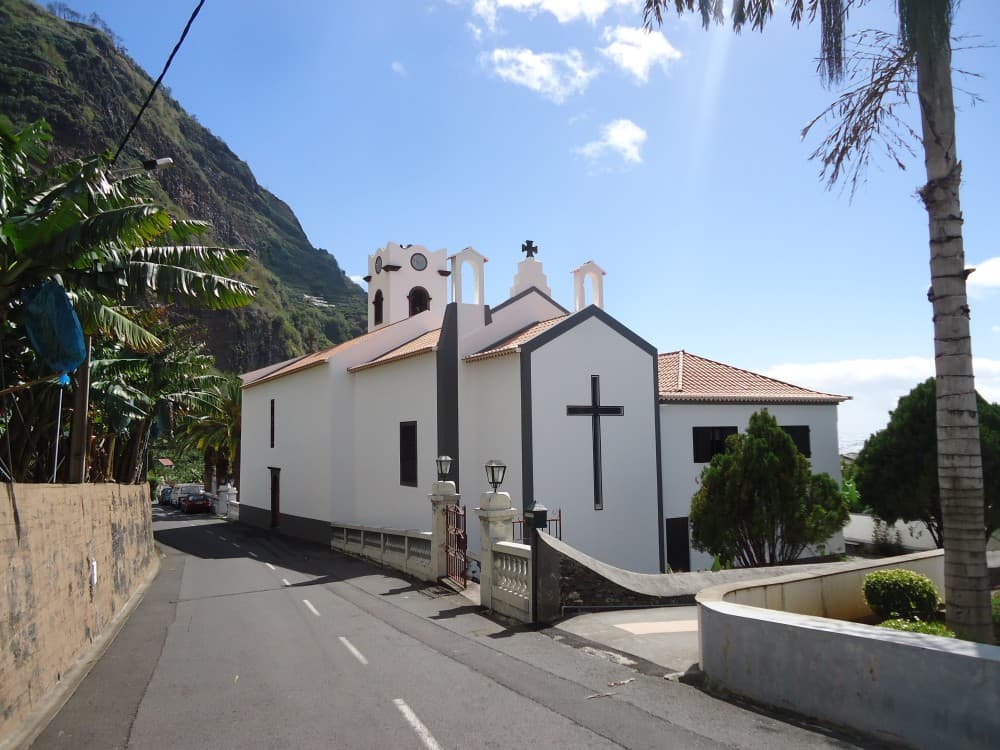
Visit Ponta do Sol
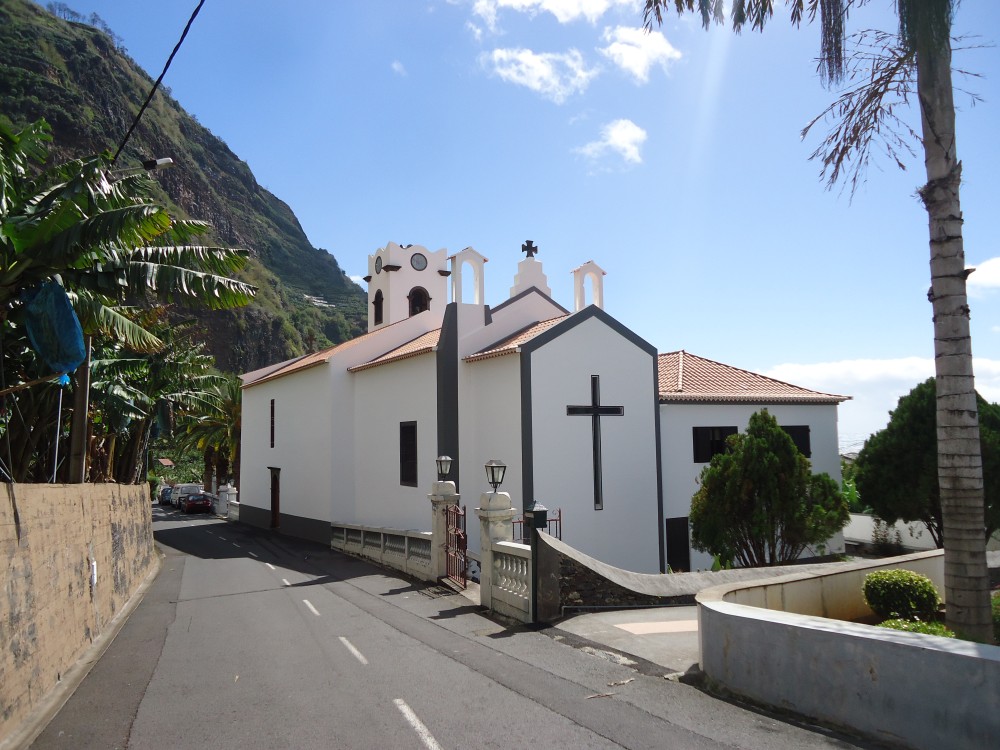
Ponta do Sol is one of the most charming towns on the island. Located on the northeastern coast, it is known for its colorful colonial-style houses and relaxed atmosphere. The town is a good base for hikes and offers small hotels, guesthouses, and restaurants. In the evening, locals often gather along the waterfront, creating a pleasant and social environment. Ponta do Sol also provides beautiful sunrise views over the ocean.
Experience Traditional Village Life
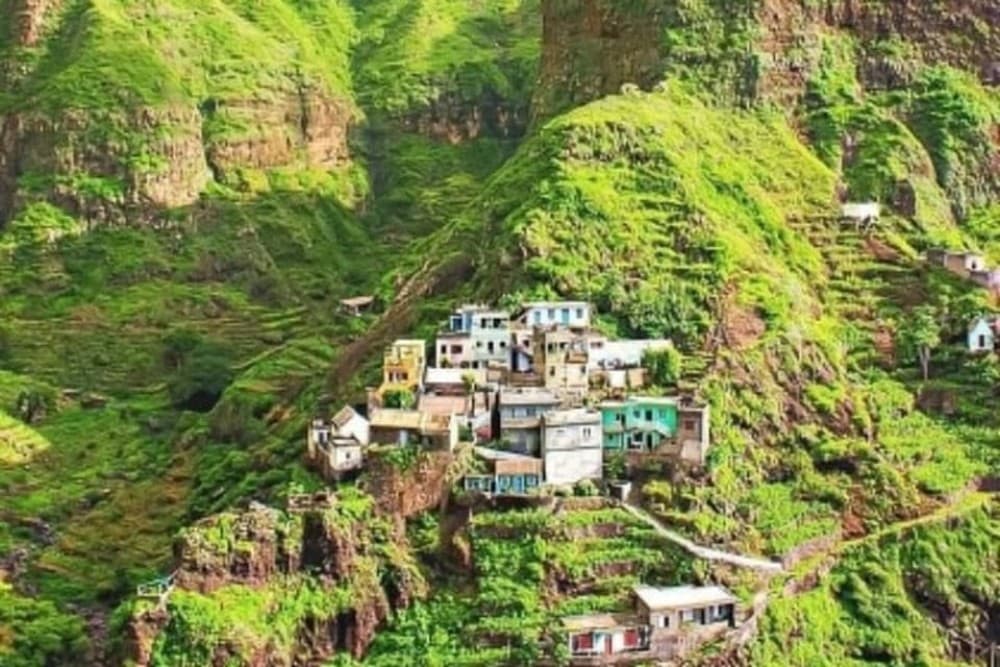
One of the most rewarding things to do in Santo Antão is simply spending time in small villages. Places like Fontainhas, often described as one of the most beautiful villages in Cape Verde, offer stunning views and a strong sense of tradition. Life here moves slowly, and visitors can observe daily routines such as farming, cooking, and social gatherings. Staying in a rural guesthouse allows for deeper cultural exchange and supports local communities.
Enjoy the Wild Atlantic Coast
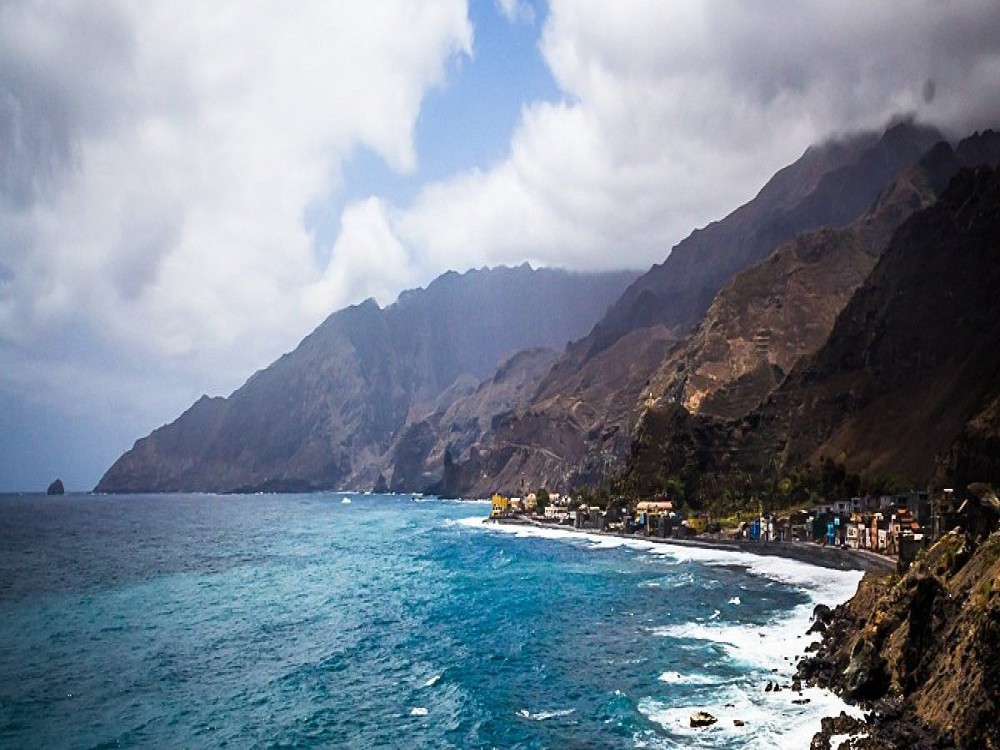
While Santo Antão is not known for swimming beaches due to strong waves and rocky shores, the coastline is still impressive. The Atlantic Ocean crashes against cliffs and black volcanic rocks, creating powerful scenery. Some natural pools and calmer spots can be found, but swimming should always be done with caution and local advice. Coastal viewpoints are ideal for photography and quiet moments in nature.
Practical Tips for Visiting Santo Antão
Santo Antão has no airport, so visitors arrive by ferry from São Vicente, usually from the port of Mindelo to Porto Novo. The crossing takes about one hour. Roads on the island can be steep and winding, so travel often takes longer than expected. Hiring a local guide or driver can be helpful, especially for hiking routes. The best time to visit is between November and June, when the weather is pleasant and ideal for outdoor activities.
Final Thoughts
Santo Antão is a destination for travelers who appreciate nature, authenticity, and adventure. It offers unforgettable landscapes, welcoming communities, and some of the best hiking experiences in Cape Verde. Whether you are walking through green valleys, tasting local food, or enjoying quiet mountain views, Santo Antão provides a deep and meaningful travel experience that stays with you long after you leave.
Guided Tours
Day Trips
Guided Tours