Discover Ponta do Sol & Jewish Heritage
(0.0/5)
(0 Bewertungen)
Guided Tours
€44.00
/ Person

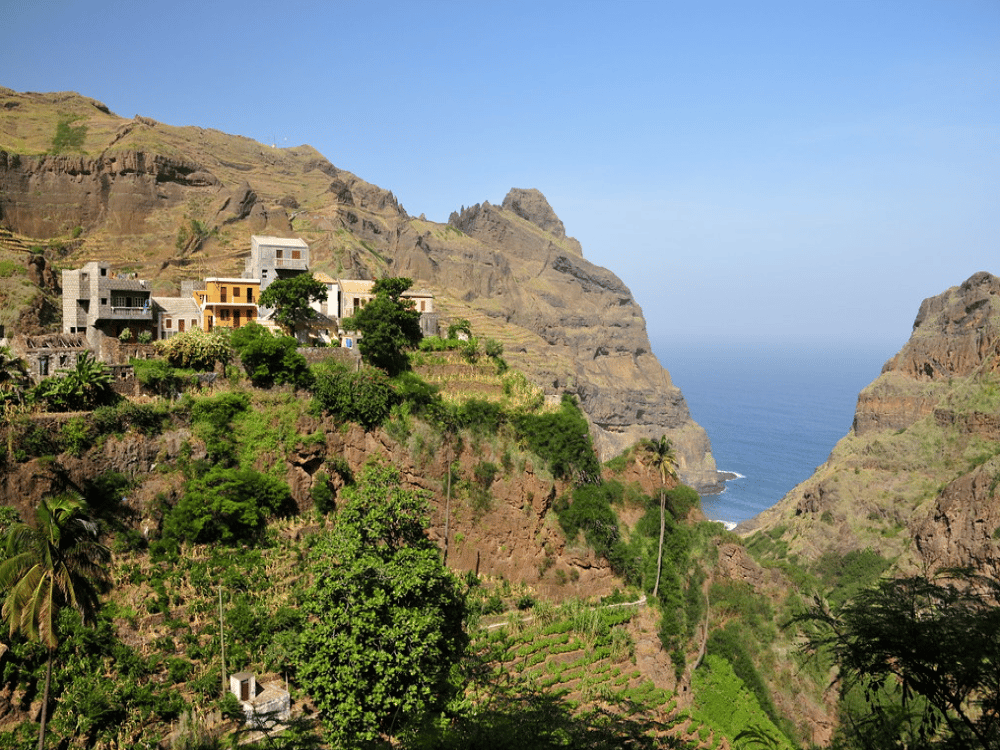
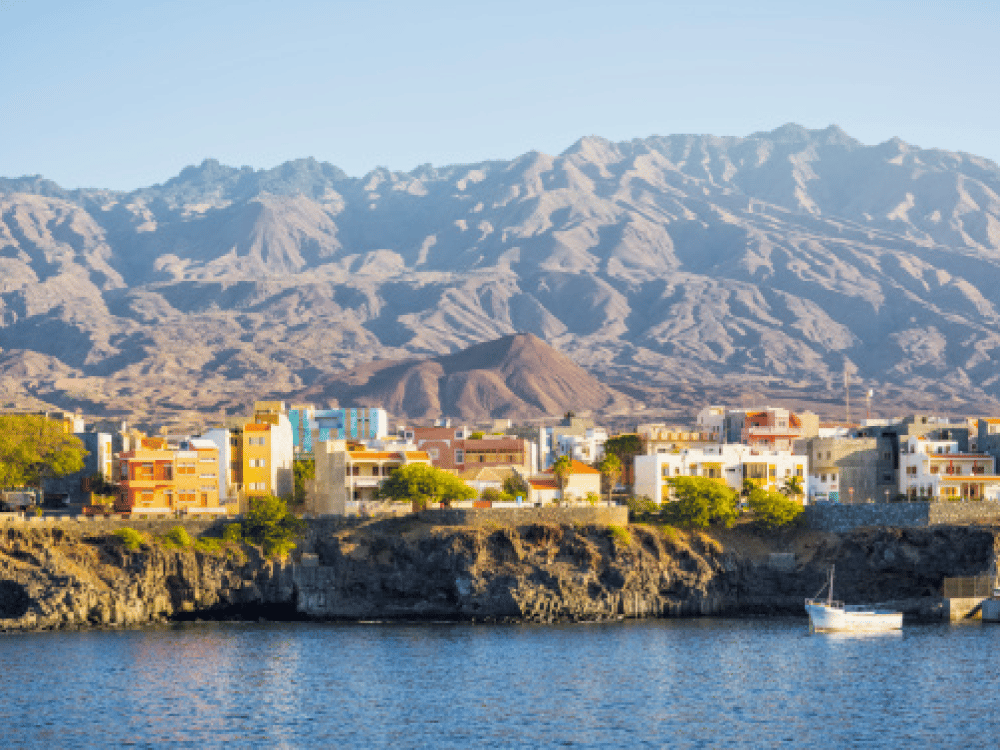
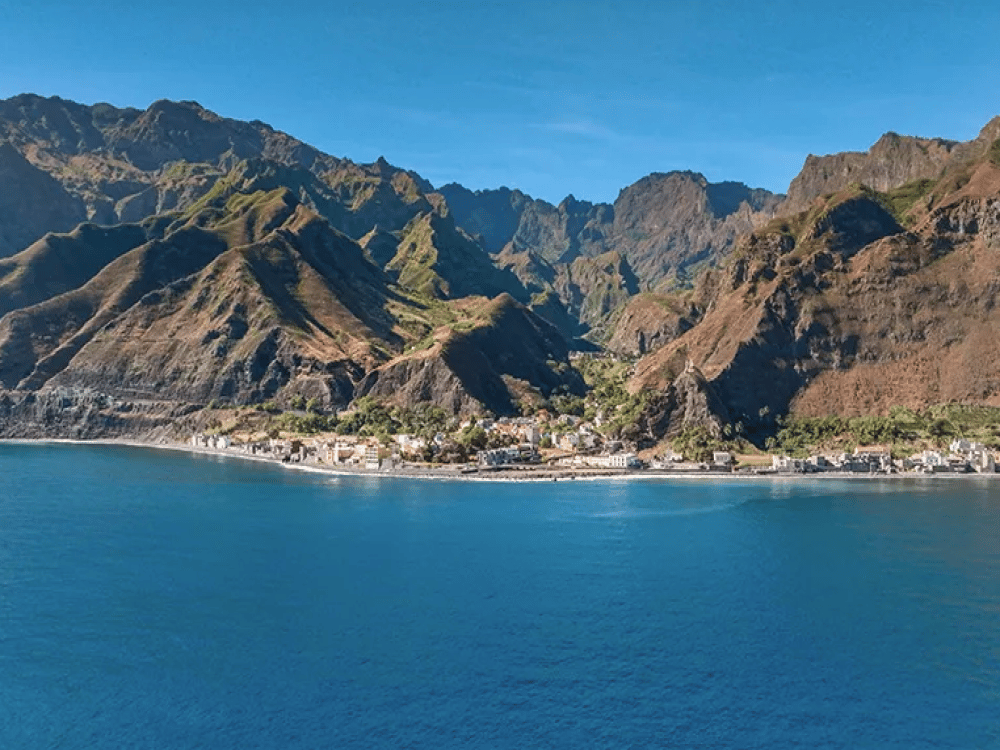
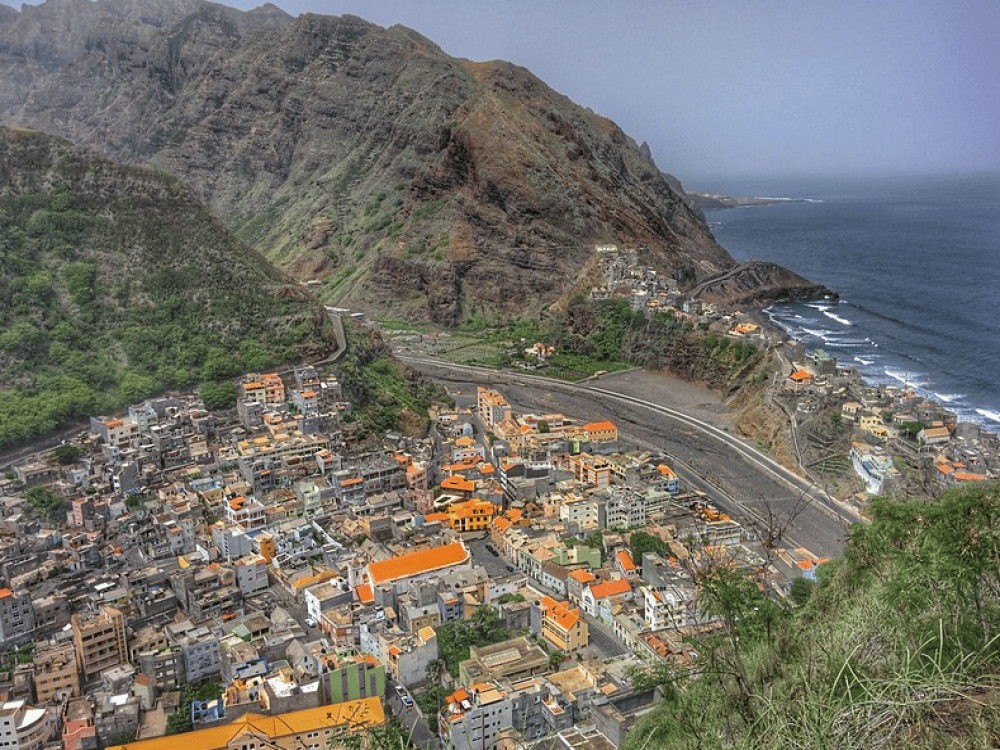
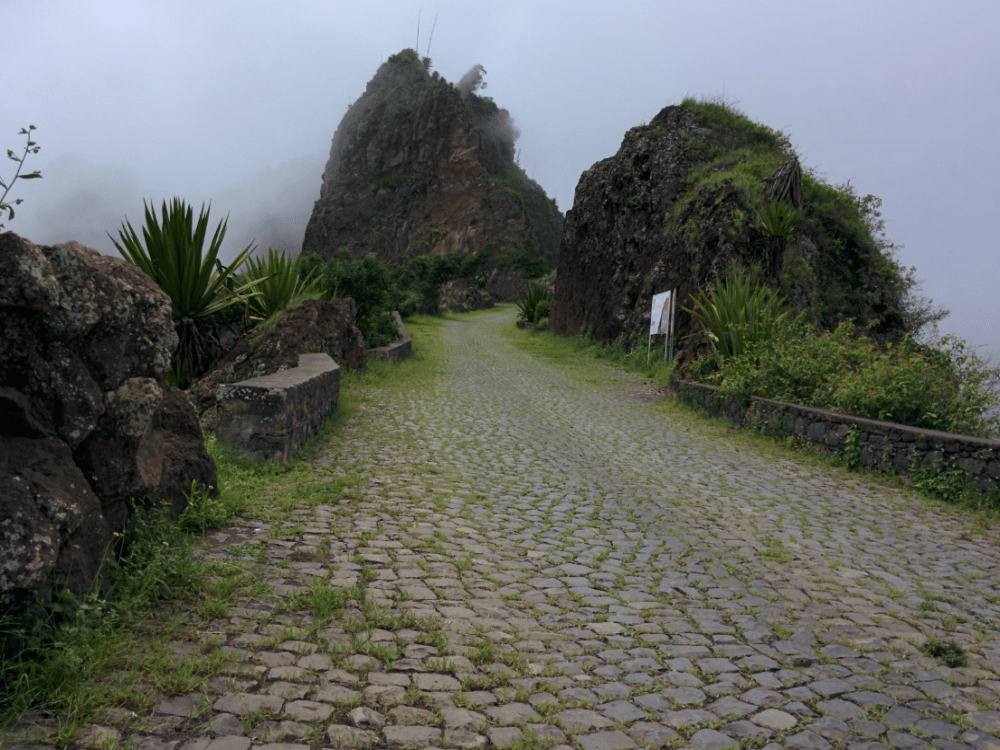
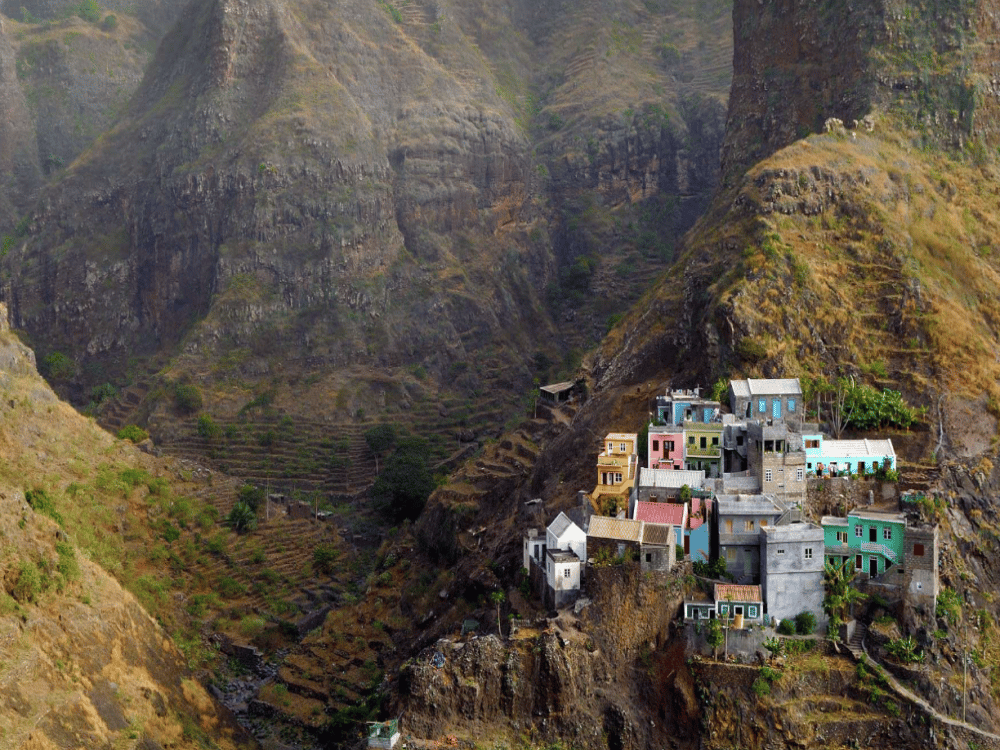
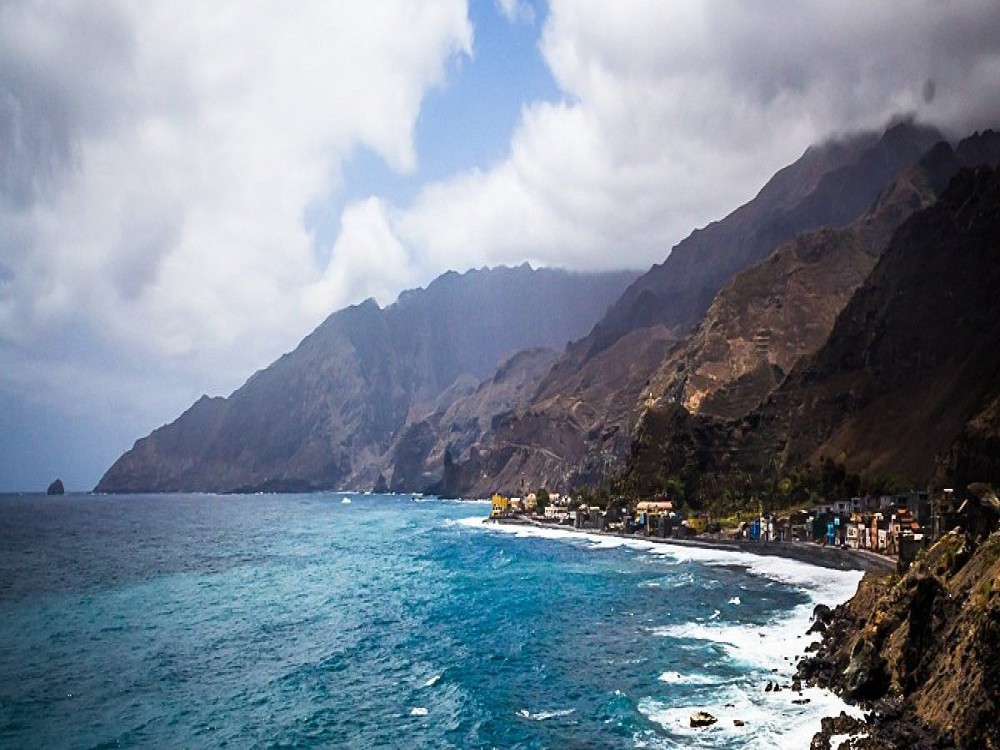
Santo Antão is best known for its breathtaking landscapes, which are considered the most dramatic in Cape Verde. Unlike the flat, sandy islands such as Sal or Boa Vista, Santo Antão is defined by towering volcanic mountains, deep green valleys, and sharp coastal cliffs. The island rises steeply from the Atlantic Ocean, creating a wild and powerful first impression for visitors arriving by ferry from São Vicente. These natural features make Santo Antão feel untouched and authentic, appealing especially to travelers who value scenery and nature over resort-style tourism.
One of Africa’s Best Hiking Destinations
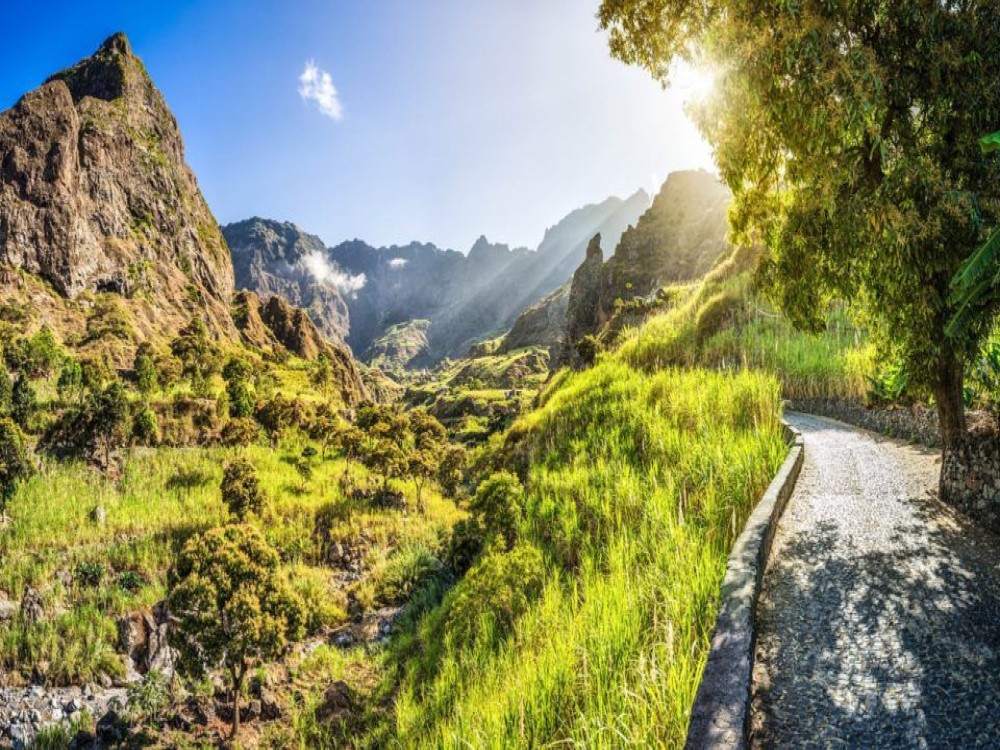
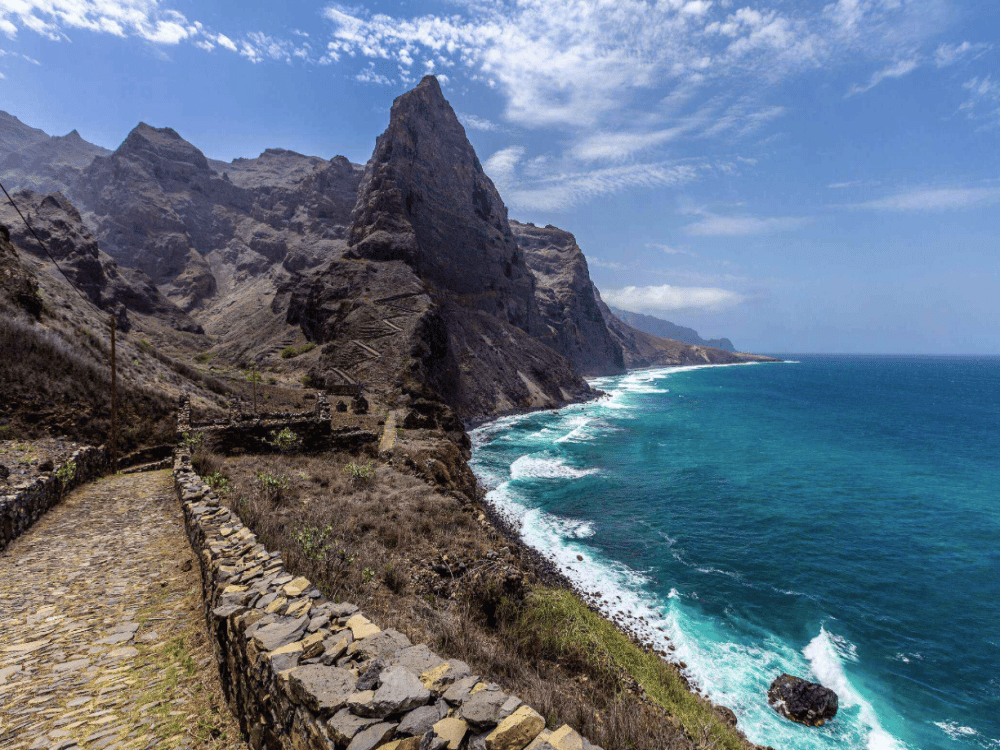
Hiking is one of the main reasons people visit Santo Antão, and the island is widely regarded as one of the best trekking destinations in Africa. A network of old cobblestone paths connects villages, valleys, and mountain passes, originally built by locals for daily travel. Today, these trails offer unforgettable hikes with panoramic views, dramatic drops, and lush surroundings. Routes such as the walk from Cova crater to Paul Valley or the trails through Ribeira Grande are famous for their beauty and variety. Hikers experience changing landscapes within a single day, moving from dry volcanic terrain to green plantations and waterfalls.
Lush Valleys and Agricultural Life
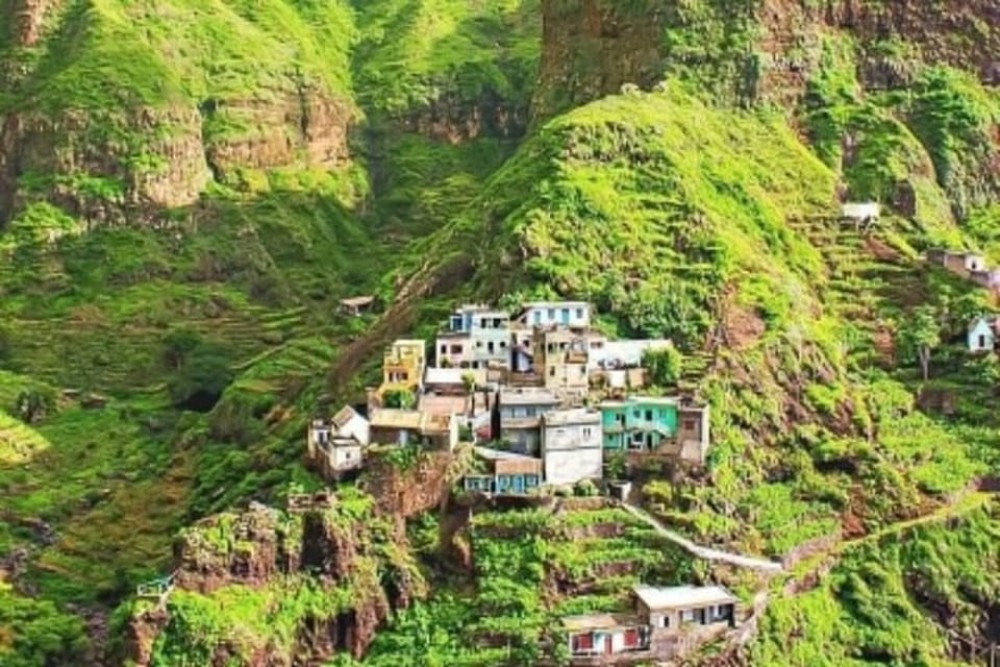
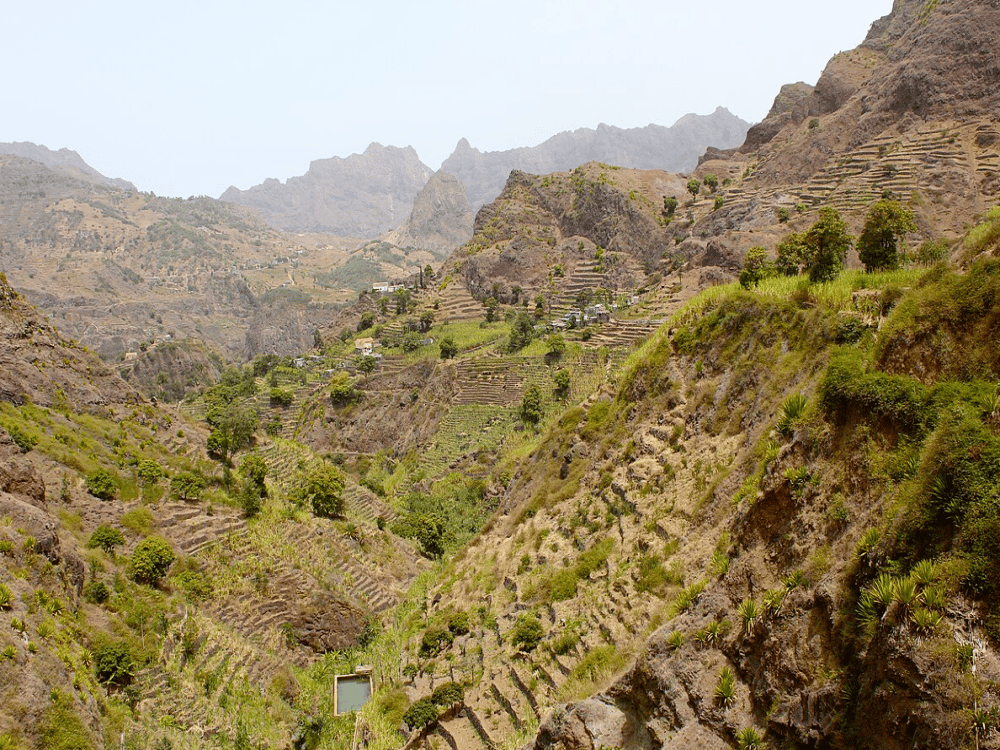
Despite its rugged appearance, Santo Antão is the greenest island in Cape Verde. Its fertile valleys, especially Paul, Ribeira Grande, and Ribeira da Torre, are known for terraced fields filled with sugarcane, bananas, papayas, mangoes, and coffee plants. Agriculture plays a central role in daily life, and visitors often see farmers working the land using traditional methods. These valleys provide a strong contrast to the arid landscapes found on other islands and highlight Santo Antão’s unique microclimate influenced by altitude and trade winds.
Traditional Villages and Slow-Paced Living
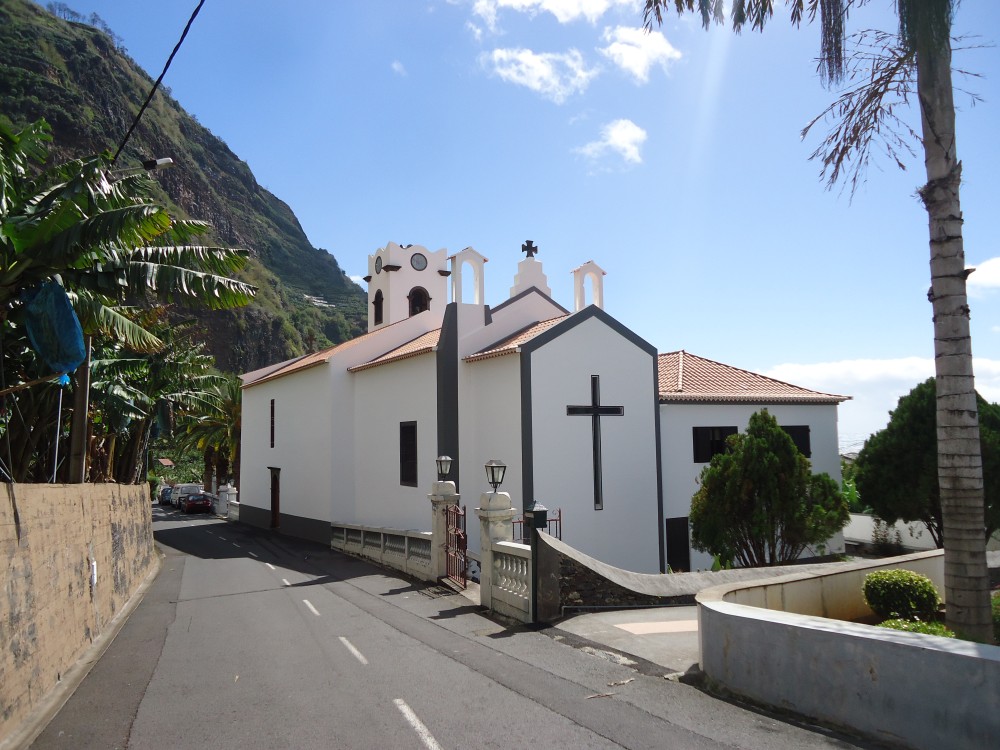
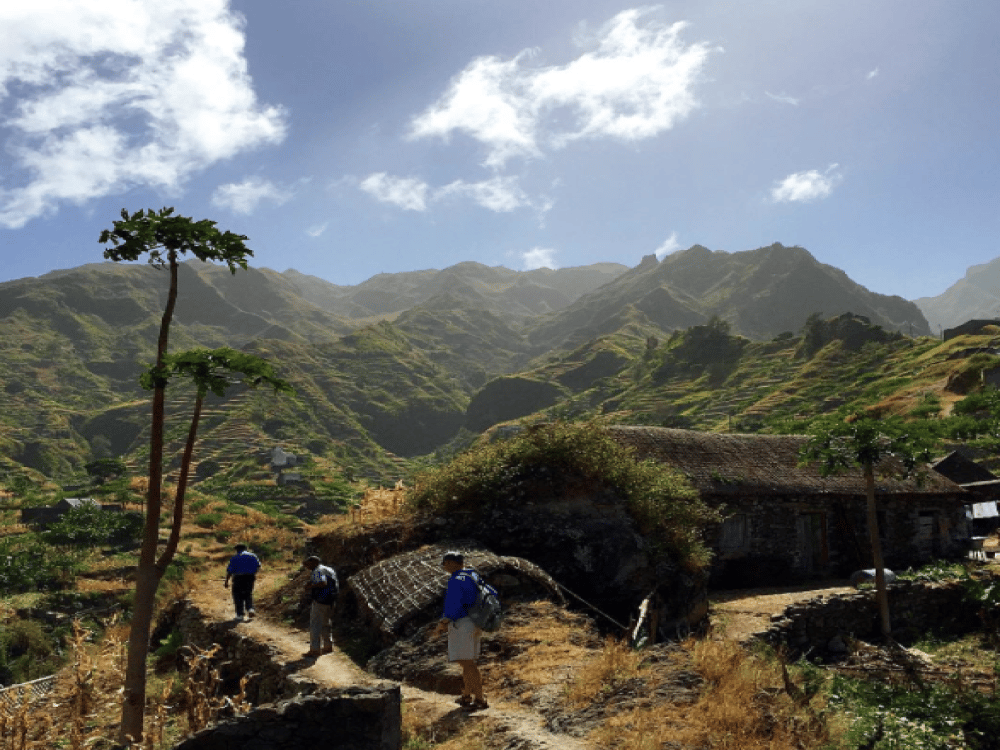
Santo Antão is known for its quiet villages and traditional way of life. Small settlements such as Fontainhas, Ponta do Sol, and Chã de Igreja feel peaceful and unhurried, with stone houses clinging to hillsides and narrow paths instead of busy roads. Life on the island follows natural rhythms, shaped by farming, fishing, and family ties. Visitors often describe Santo Antão as a place where time slows down, making it ideal for travelers seeking authenticity rather than nightlife or large-scale entertainment.
Local Cuisine and Cape Verdean Flavors
The island is also known for its rich and hearty Cape Verdean cuisine. Santo Antão’s fertile land allows for fresh local ingredients, which strongly influence traditional dishes. Meals often include slow-cooked stews, vegetables grown in nearby valleys, and freshly caught fish along the coast. Cachupa, the national dish of Cape Verde made with corn, beans, vegetables, and meat or fish, is especially flavorful here. Homemade cheese, sugarcane products, and local coffee add to the island’s culinary identity.
Grogue and Sugarcane Traditions
Santo Antão is famous throughout Cape Verde for its production of grogue, a strong traditional rum made from sugarcane. The island’s valleys are dotted with small distilleries, where sugarcane is crushed using simple machines and fermented naturally. Grogue production is deeply rooted in local culture and has been passed down through generations. Visitors can often see the process firsthand and taste different varieties, including those flavored with herbs or aged in wooden barrels.
A Paradise for Nature Lovers
Beyond hiking, Santo Antão is known for its overall connection to nature. The island offers impressive coastal views, quiet black-sand beaches, and dramatic cliffs that drop straight into the ocean. While it is not a classic beach destination, its coastline is ideal for photography, peaceful walks, and observing the power of the Atlantic. Birdlife, endemic plants, and volcanic formations make the island especially attractive to nature lovers and eco-conscious travelers.
Authentic Culture and Warm Hospitality
Santo Antão is known for the warmth and hospitality of its people. Visitors are often welcomed with genuine friendliness, whether staying in a family-run guesthouse or stopping at a small village café. Music, storytelling, and strong community bonds remain important parts of everyday life. Unlike more tourist-developed islands, interactions here feel personal and sincere, leaving many travelers with a deep emotional connection to the island.
An Island for Adventurous and Curious Travelers
Overall, Santo Antão is known as the island of adventure, nature, and authenticity in Cape Verde. It appeals most to hikers, photographers, cultural travelers, and those looking to explore beyond typical tourist routes. With its dramatic landscapes, fertile valleys, traditional villages, and rich local culture, Santo Antão offers a powerful and memorable travel experience that feels both raw and deeply rewarding.
Guided Tours
Day Trips
Guided Tours