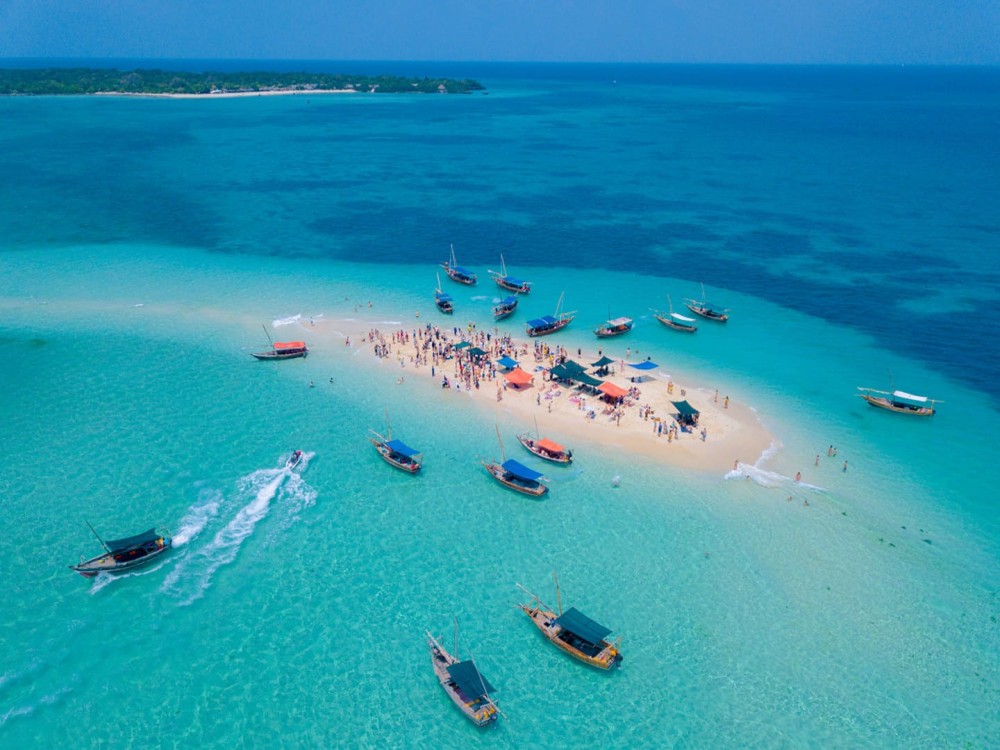
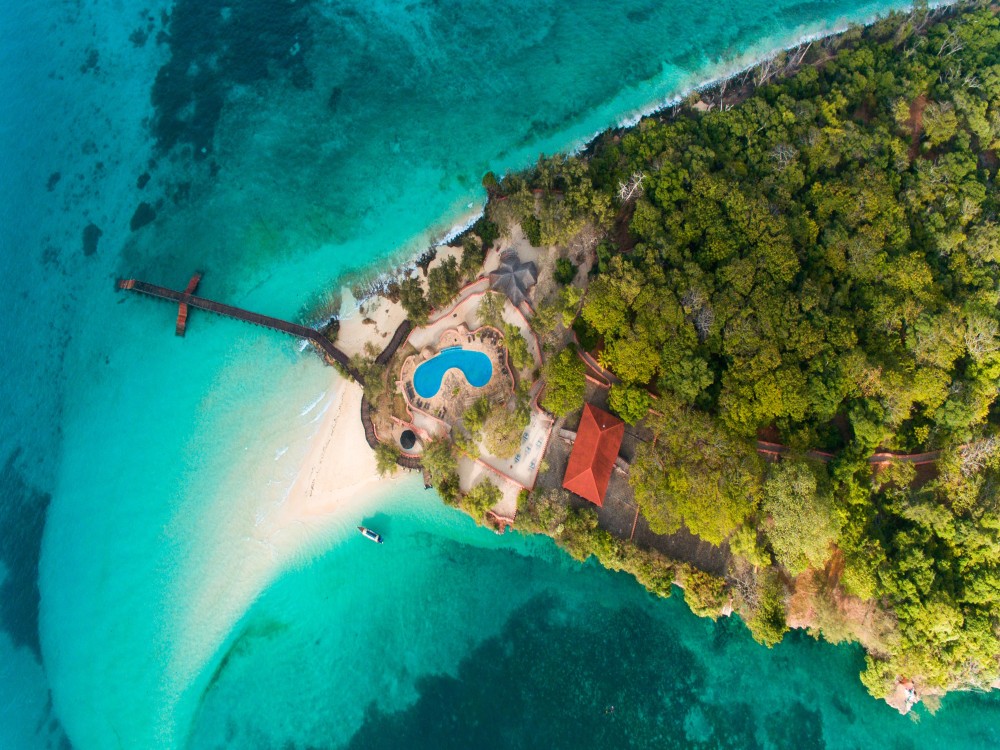
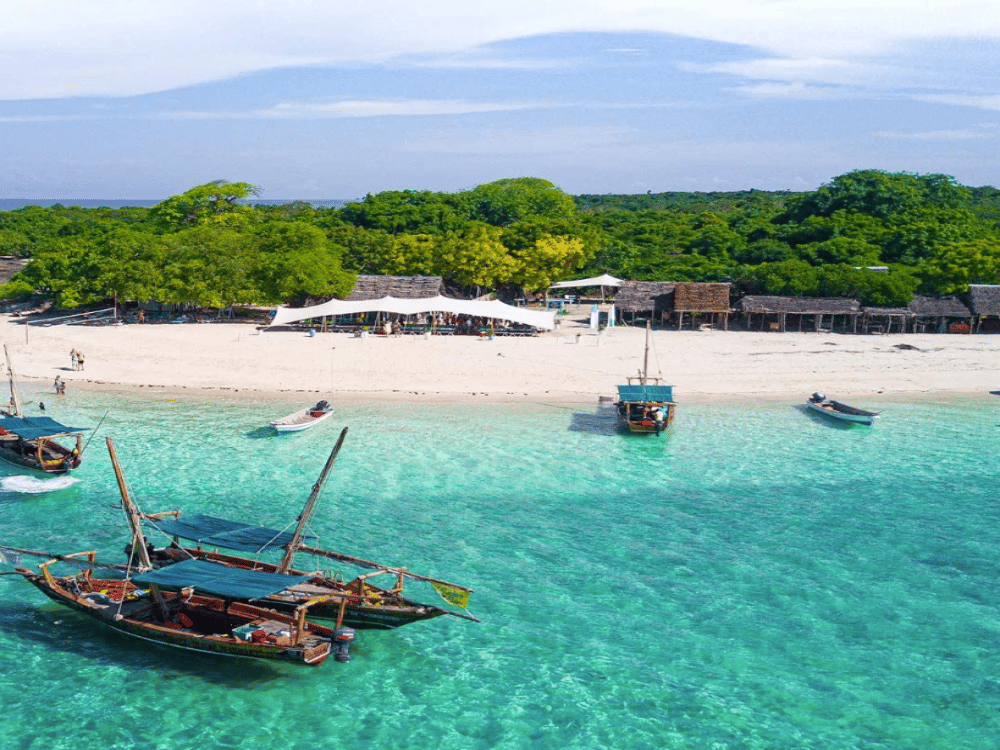
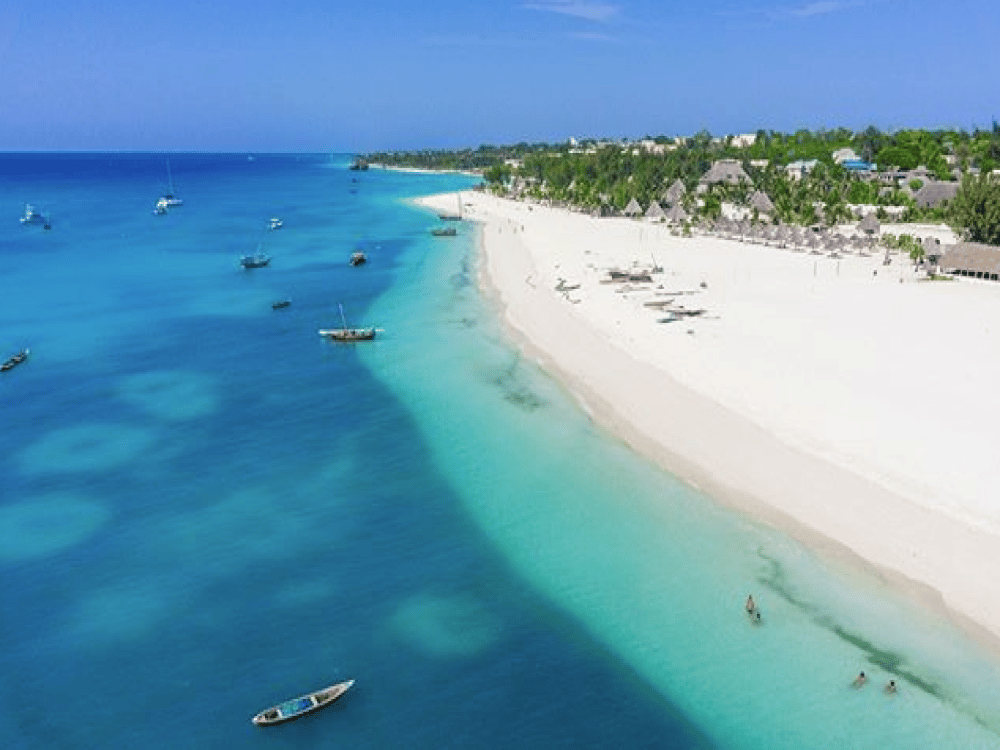
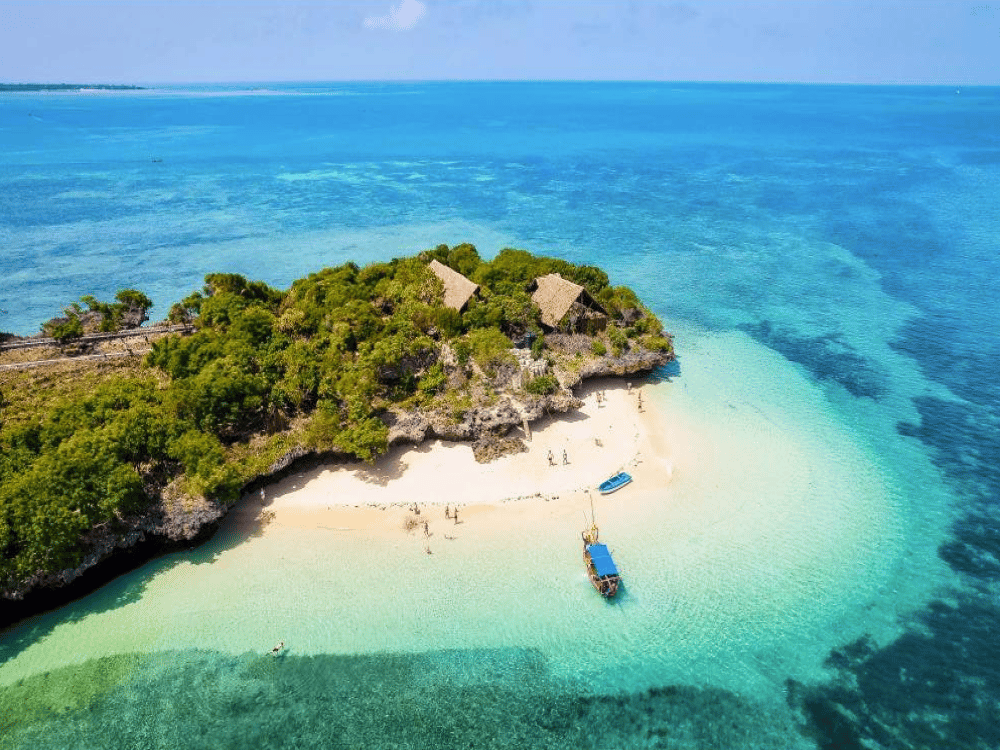
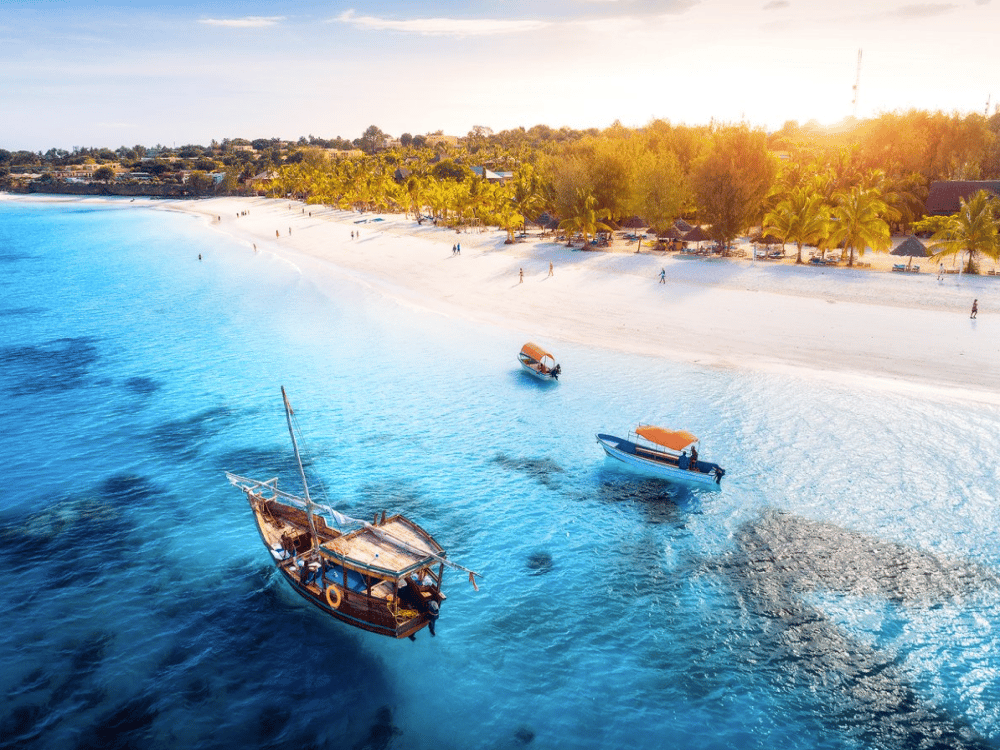
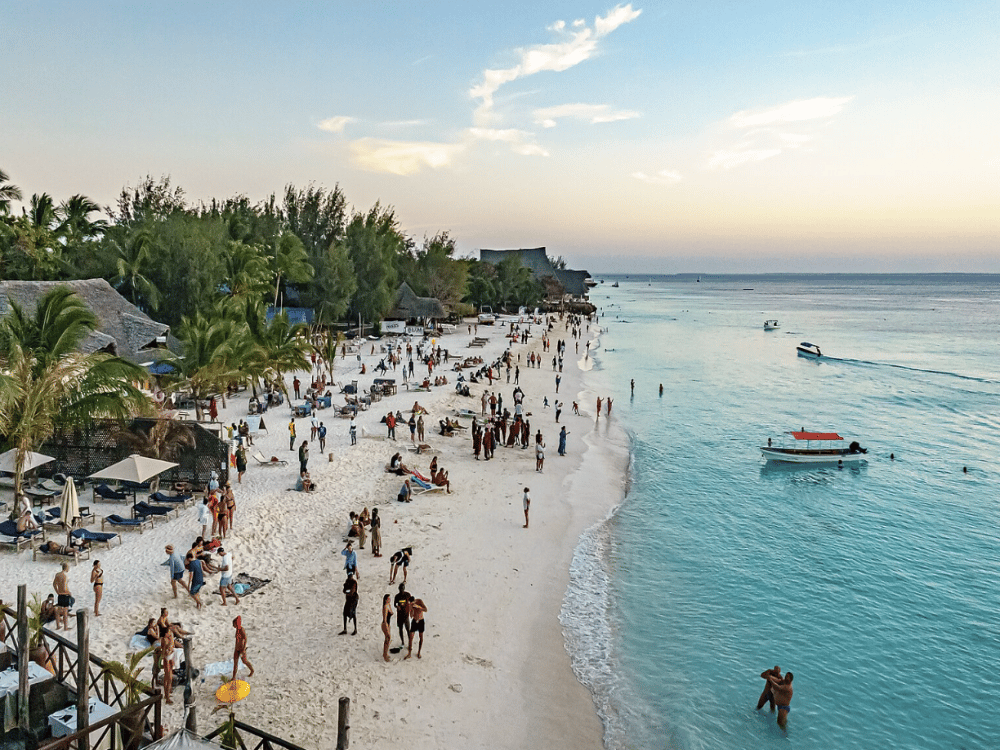
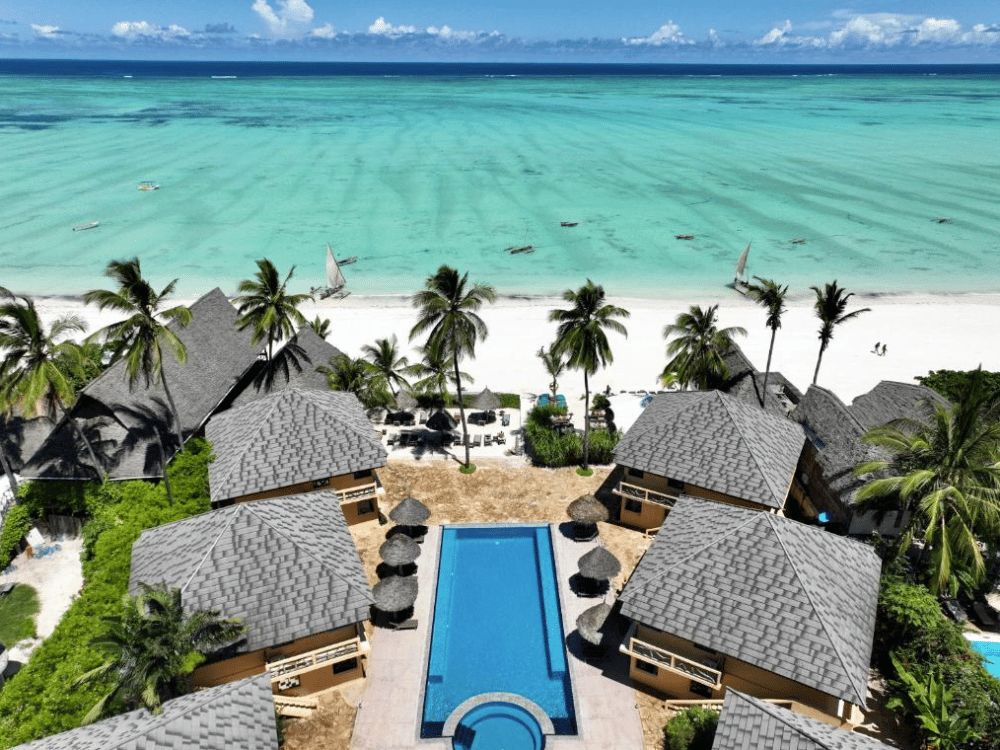
Zanzibar is one of East Africa’s most fascinating destinations, known for its white-sand beaches, turquoise waters, and rich cultural mix shaped by African, Arab, Indian, and European influences. While the islands are very welcoming to visitors, understanding local customs and everyday etiquette will help you enjoy a smoother and more respectful experience. This guide explains the key do’s and don’ts of Zanzibar in a clear and practical way, so you can travel confidently and responsibly.
Respect Local Culture and Traditions
Zanzibar is predominantly Muslim, and cultural values are strongly influenced by Islamic traditions. When you are walking around towns, villages, and markets, modest clothing is important. Wearing clothes that cover shoulders and knees is considered respectful, especially in Stone Town and rural areas. Swimwear is perfectly acceptable on the beach or at hotel pools, but it should not be worn while shopping or sightseeing away from the coast.
Public behavior also matters. Loud displays of affection are uncommon and may attract unwanted attention. A polite, calm attitude is always appreciated, and greeting people with a simple “hello” or “jambo” goes a long way in creating positive interactions.
Dress Appropriately at Religious Sites
Zanzibar has many beautiful mosques and historic religious buildings. If you plan to visit any of them, dressing conservatively is essential. Women may be asked to cover their hair, and both men and women should wear clothing that fully covers legs and arms. Shoes are usually removed before entering mosques, and visitors should follow the guidance of local caretakers.
It is also important not to enter mosques during prayer times unless you have been invited or given permission. Respecting these customs shows cultural awareness and helps maintain Zanzibar’s welcoming atmosphere.
Be Mindful When Taking Photos
Zanzibar is full of colorful streets, traditional wooden doors, and lively daily life, making it a photographer’s dream. However, it is polite to ask before taking photos of local people. Some residents may feel uncomfortable or expect a small tip in return. Taking photos of military buildings, police stations, or security personnel is strictly discouraged and can lead to serious problems.
When photographing markets or cultural events, being discreet and respectful will ensure a positive experience for both you and the people you are capturing.
Support the Local Economy Responsibly
Shopping in Zanzibar is part of the travel experience, especially in local markets and small shops. Bargaining is common and expected, but it should be done politely and with a smile. Pushing prices too low or becoming aggressive over small amounts of money can come across as disrespectful.
Choosing locally owned restaurants, tour guides, and accommodations helps support the island’s economy. Buying locally made souvenirs instead of mass-produced items is another simple way to contribute positively to the community.
Follow Environmental Do’s and Don’ts
Zanzibar’s natural beauty is one of its biggest attractions, from coral reefs to pristine beaches. Protecting the environment is everyone’s responsibility. Avoid touching or standing on coral reefs while snorkeling or diving, as they are extremely fragile. Using reef-safe sunscreen helps reduce damage to marine life.
Littering is not acceptable, and plastic waste is a growing concern on the islands. Visitors are encouraged to reduce single-use plastics and dispose of trash properly. Respect wildlife by observing animals from a distance and avoiding tours that exploit them.
Understand Local Laws and Social Norms
Alcohol is available in Zanzibar, especially in hotels and tourist areas, but public drunkenness is frowned upon. Drinking alcohol in public places outside of resorts can be seen as disrespectful. During the holy month of Ramadan, eating or drinking in public during daylight hours should be avoided out of respect for those who are fasting.
Drug laws in Tanzania are very strict, and possession of illegal substances carries severe penalties. Travelers should never assume that relaxed beach vibes mean relaxed laws.
Practice General Travel Courtesy
Zanzibaris are known for their friendliness and hospitality. Responding with patience and kindness will enhance your experience. Learning a few basic Swahili phrases, such as “asante” for thank you, is appreciated and often rewarded with warm smiles.
Tipping is not mandatory but is welcomed, especially for good service. Small tips for guides, drivers, and hotel staff are considered polite and supportive.
Final Thoughts
Zanzibar offers far more than stunning beaches. Its culture, history, and people are what make the islands truly special. By understanding the do’s and don’ts of Zanzibar, you show respect for local traditions while enjoying everything the destination has to offer. Thoughtful travel choices not only enrich your own journey but also help preserve Zanzibar’s unique character for future visitors.