Zanzibar is one of those destinations that instantly sparks curiosity. Located off the coast of Tanzania in the Indian Ocean, this semi-autonomous archipelago is famous for its rich history, stunning beaches, and deep cultural roots. Often referred to as the “Spice Island,” Zanzibar offers far more than just tropical scenery. It is a place where African, Arab, Indian, and European influences blend into a unique and unforgettable travel experience.
The Island’s Rich and Layered History
Zanzibar is best known for its long and complex history as a major trading hub. For centuries, it played a central role in trade routes connecting Africa, the Middle East, India, and Europe. This history has left a lasting mark on the island’s architecture, traditions, and way of life. The legacy of Omani Arab rule, Persian settlers, and European colonial powers is still visible today, especially in the old towns and historic buildings.
The island was also once at the center of the East African spice and slave trades. While this is a painful chapter in its past, Zanzibar has preserved historical sites that help visitors understand and reflect on this history. Museums, old forts, and memorials provide insight into how the island evolved into what it is today.
Stone Town and Its Cultural Identity
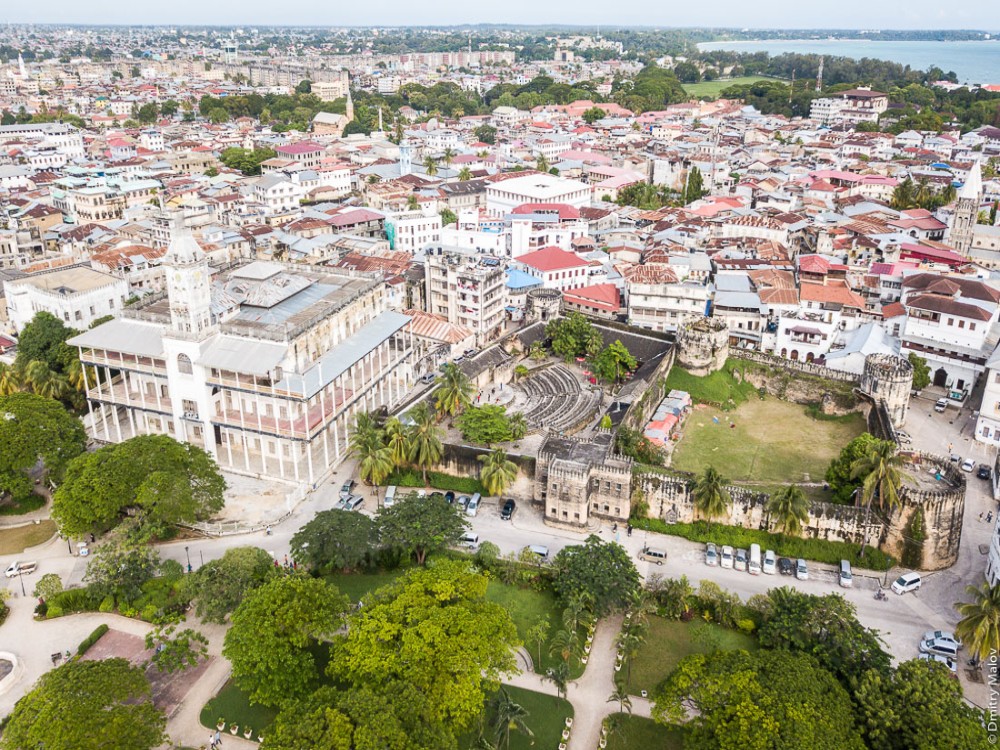
One of the most well-known places in Zanzibar is Stone Town, the historic heart of Zanzibar City. This area is recognized as a UNESCO World Heritage Site due to its cultural and architectural significance. Stone Town is famous for its narrow winding streets, carved wooden doors, old merchant houses, and bustling local life.
Walking through Stone Town feels like stepping back in time. The mix of Arab, Swahili, Indian, and European architectural styles tells the story of centuries of cultural exchange. Stone Town is also known for its lively markets, small cafés, and historic landmarks, making it a key highlight for visitors who want to understand Zanzibar beyond its beaches.
World-Famous Spices and Plantations
Zanzibar is often called the Spice Island because of its long-standing spice production. The island is especially known for cloves, which once made Zanzibar one of the world’s largest clove exporters. In addition to cloves, Zanzibar produces cinnamon, nutmeg, vanilla, and black pepper.
Spice farms remain a popular attraction today. Visitors can walk through plantations, see how spices grow, and learn how they are harvested and used in local cuisine and traditional medicine. This connection to spices is deeply rooted in Zanzibar’s identity and continues to shape its economy and culture.
White-Sand Beaches and Clear Blue Waters
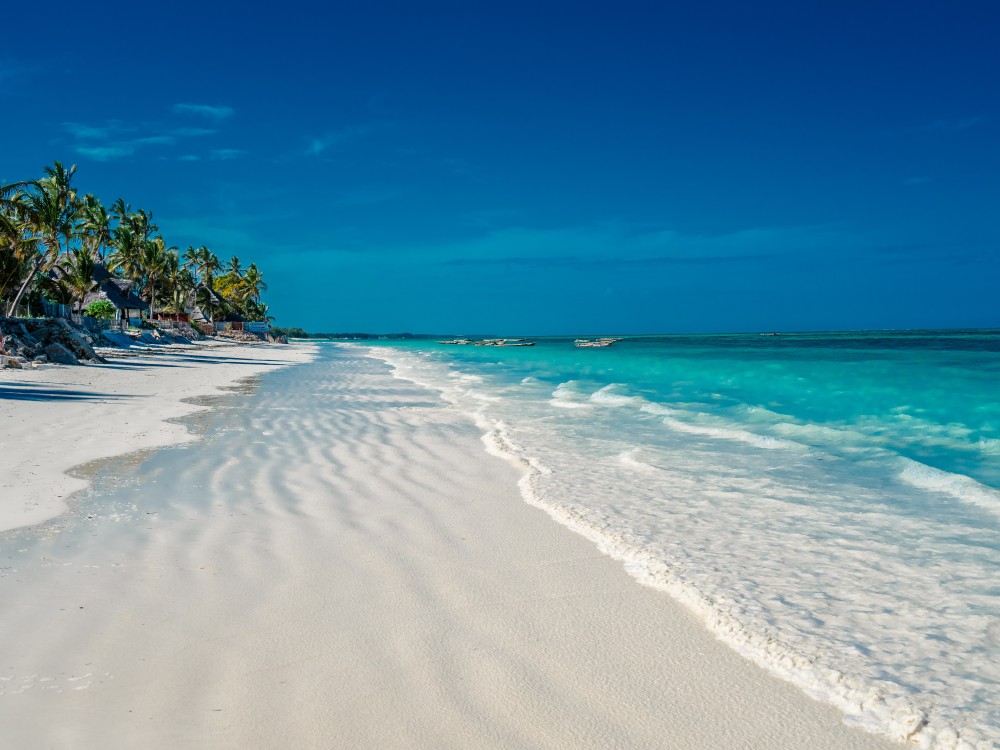
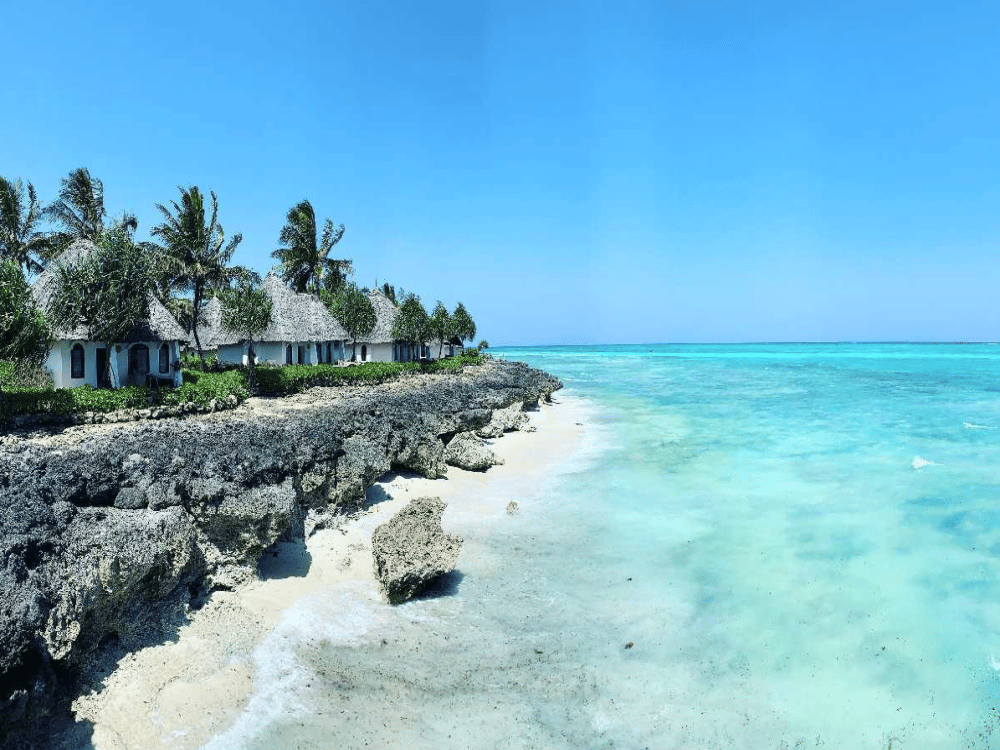
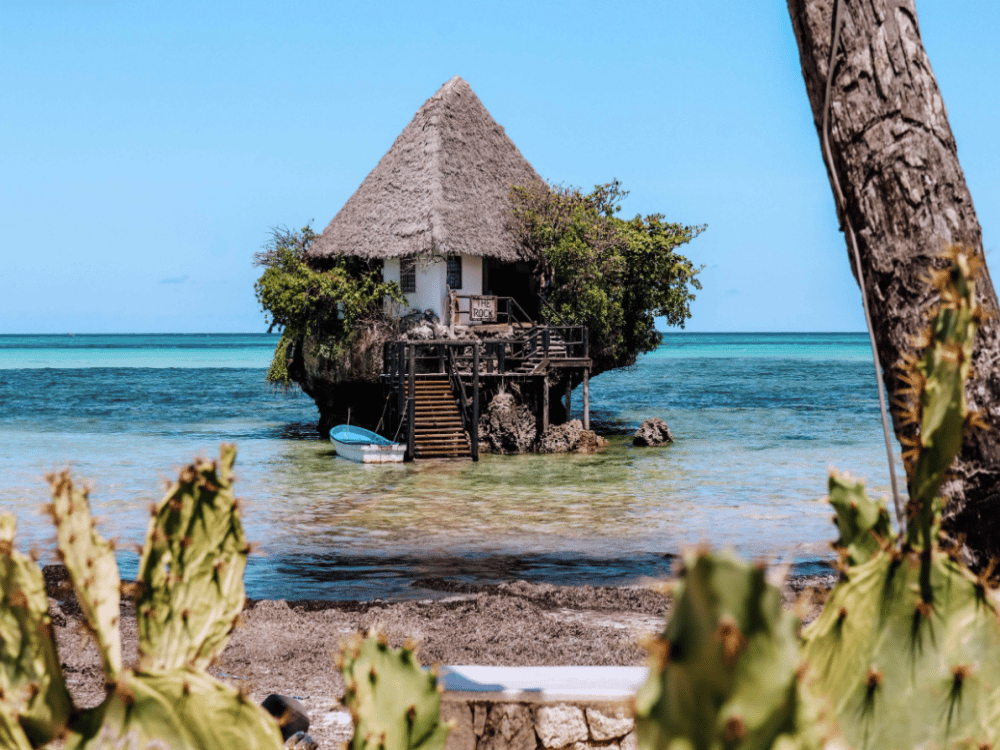
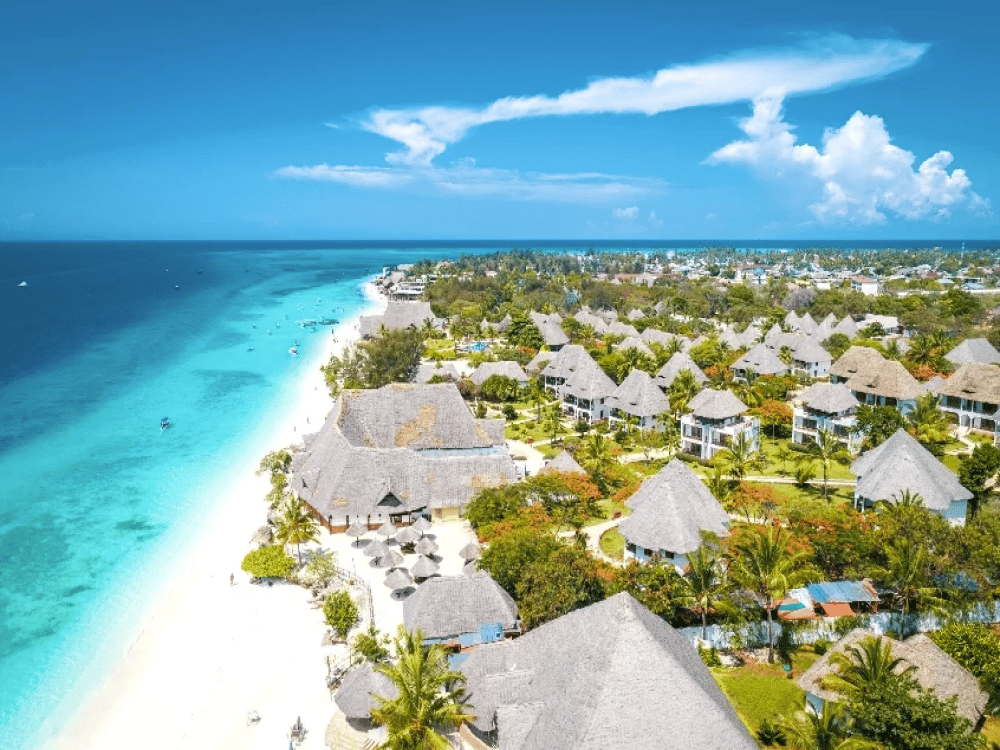
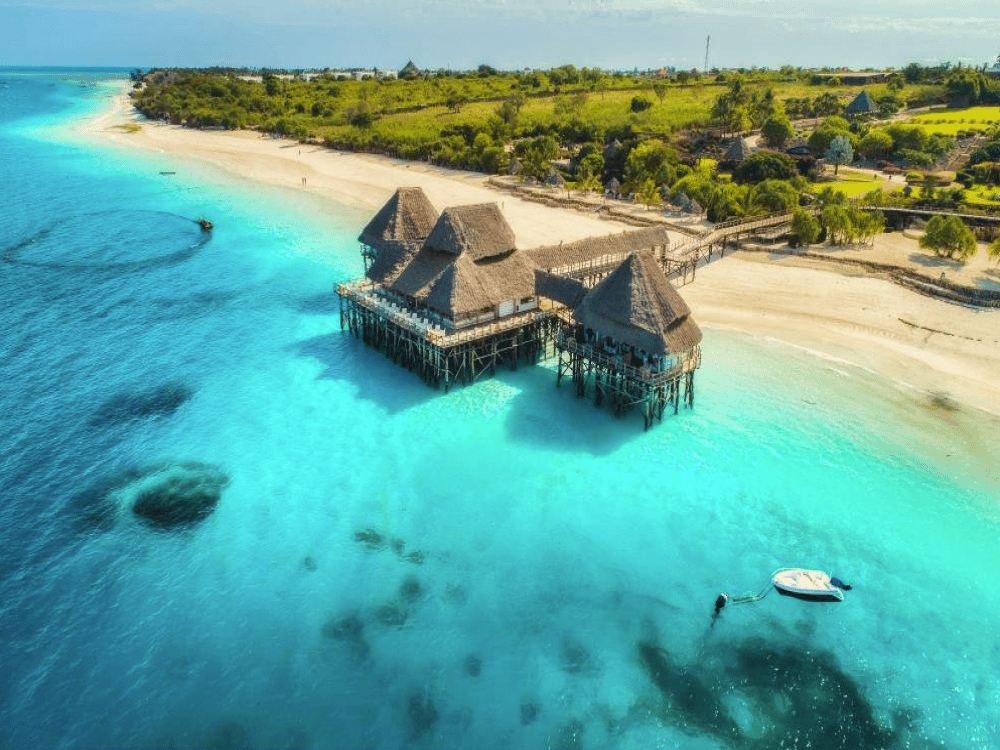
Another reason Zanzibar is so well known is its breathtaking coastline. The island is home to some of the most beautiful beaches in East Africa, featuring soft white sand and clear turquoise waters. These beaches are ideal for relaxation, swimming, and enjoying the natural beauty of the Indian Ocean.
The eastern and northern coasts are particularly famous for their long, uncrowded beaches and calm atmosphere. Many travelers visit Zanzibar specifically for beach holidays, drawn by the peaceful setting and warm tropical climate throughout most of the year.
Marine Life and Water Activities
Zanzibar is also known for its rich marine life and excellent conditions for water activities. Coral reefs surrounding the island make it a popular destination for snorkeling and diving. Colorful fish, sea turtles, and coral gardens can be found just offshore in many areas.
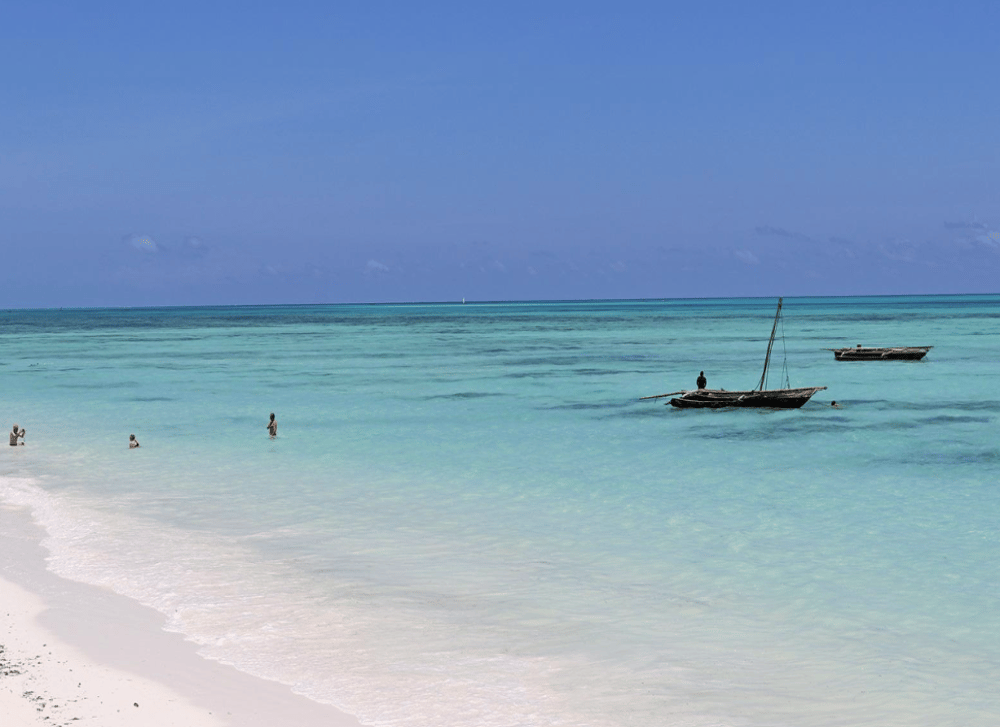
Traditional wooden boats called dhows are another iconic sight in Zanzibar. These boats have been used for centuries and are still part of daily life. Sunset dhow cruises are especially popular, offering scenic views and a glimpse into the island’s maritime heritage.
Local Culture and Swahili Traditions
Zanzibar is best known for its strong Swahili culture, which shapes everyday life on the island. The Swahili language, local music, traditional dress, and cuisine all reflect a blend of African and Arab influences. Food plays an important role, with dishes often featuring spices, coconut, rice, and fresh seafood.
Music is also an important cultural element, particularly taarab music, which originated in Zanzibar and combines African rhythms with Arabic melodies. Festivals, celebrations, and daily interactions all showcase the warmth and hospitality of the local people.
A Destination of Contrast and Character
What truly makes Zanzibar stand out is the way it combines natural beauty with deep cultural meaning. It is known not just as a beach destination, but as a place with character, stories, and traditions that continue to shape its identity. From historic streets to spice-scented air and ocean views, Zanzibar leaves a lasting impression on those who visit.
For travelers seeking a destination that offers both relaxation and cultural discovery, Zanzibar is best known as a place where history, nature, and tradition come together in a truly unique way.