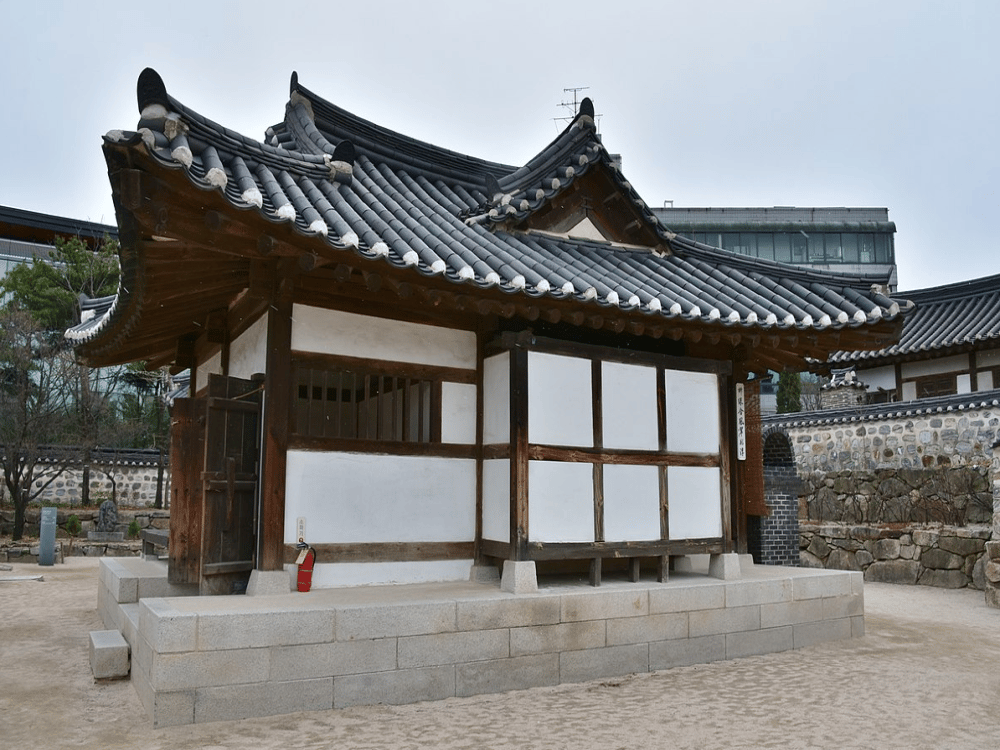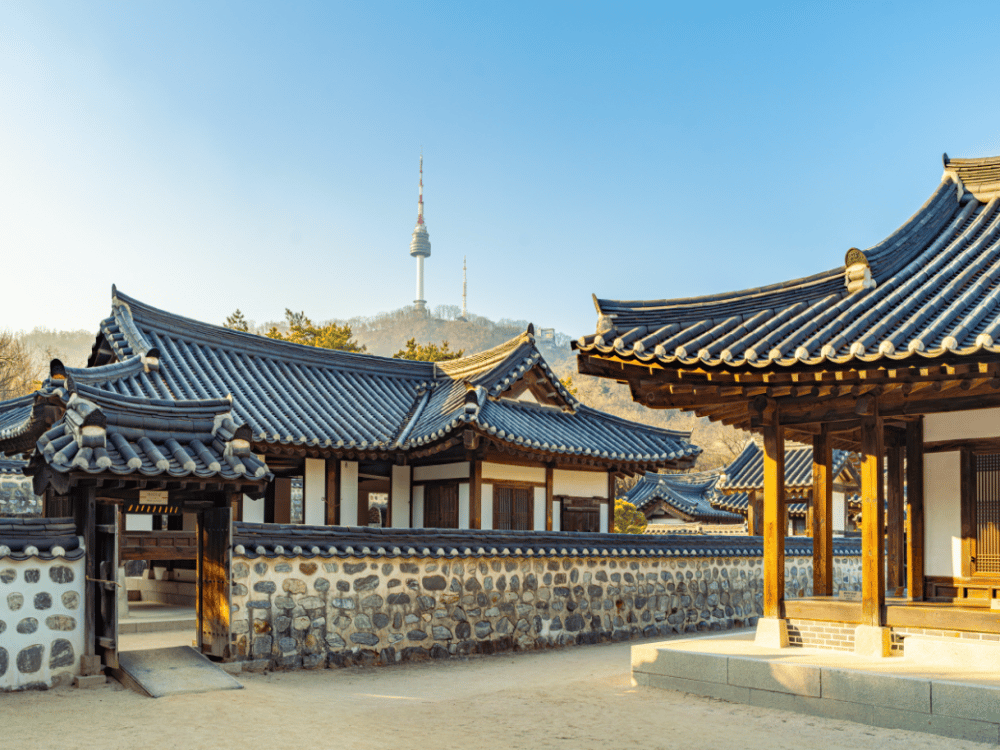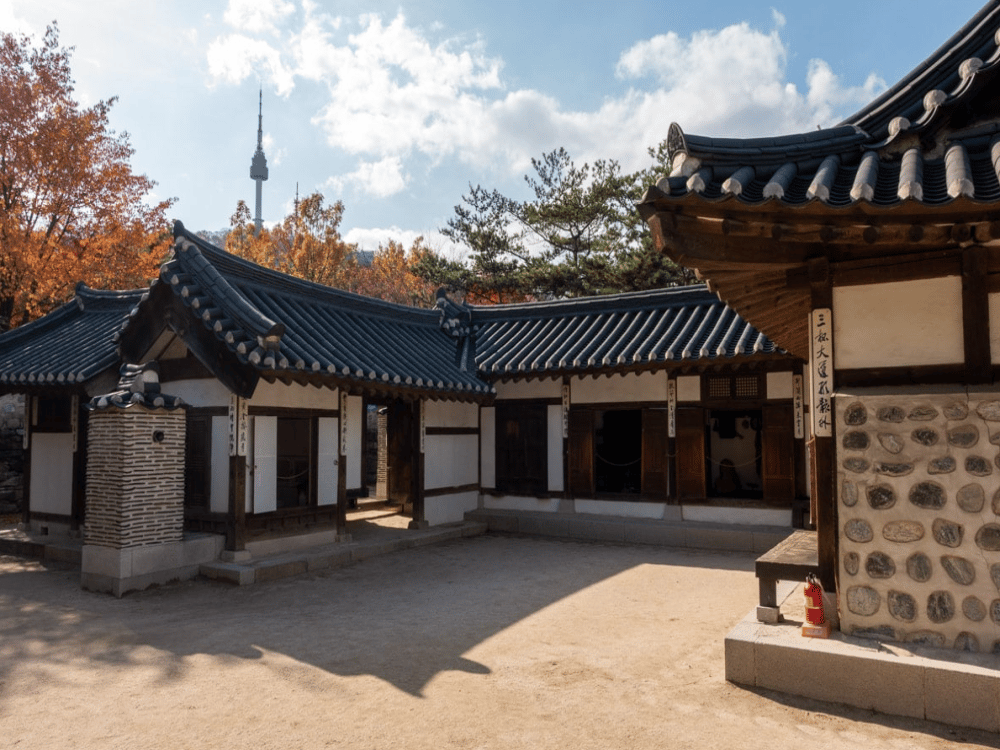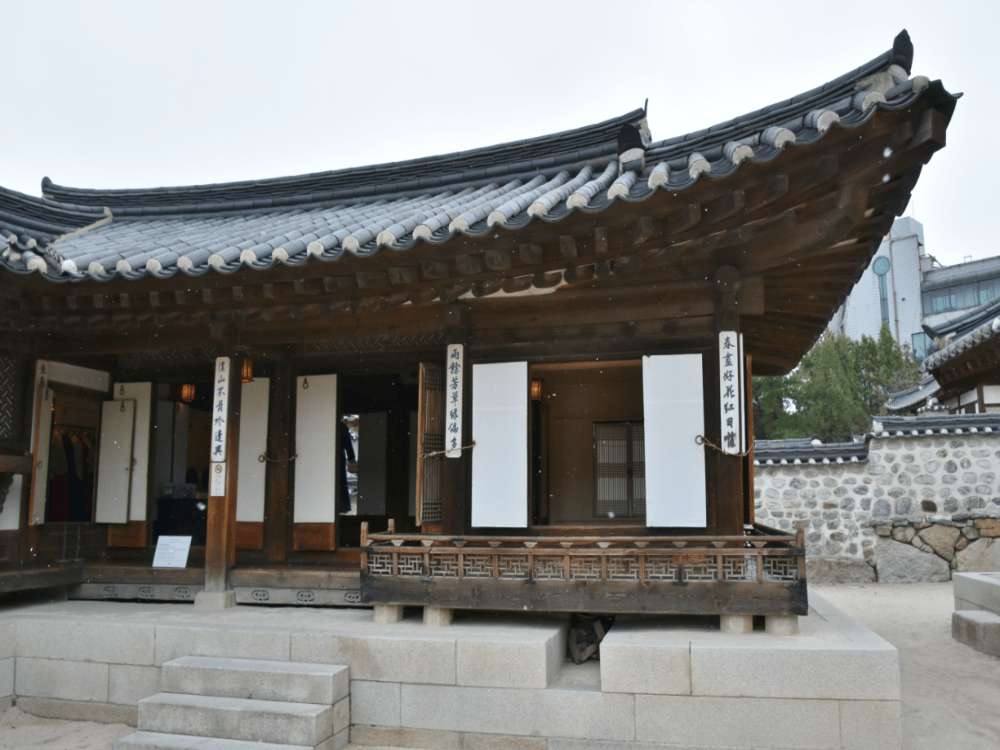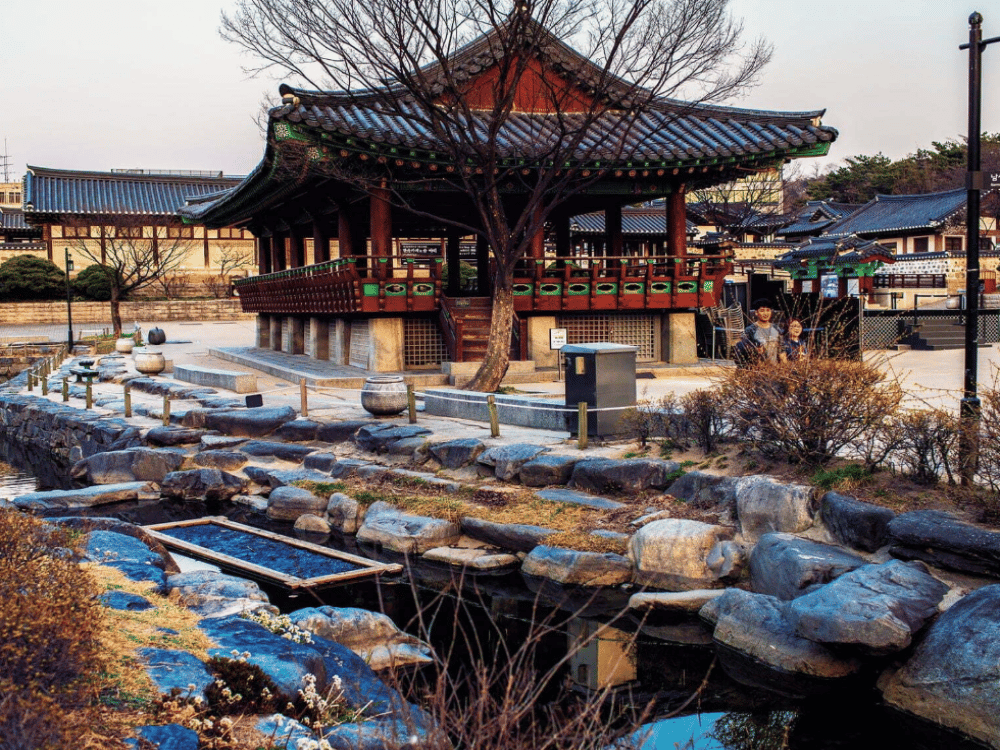
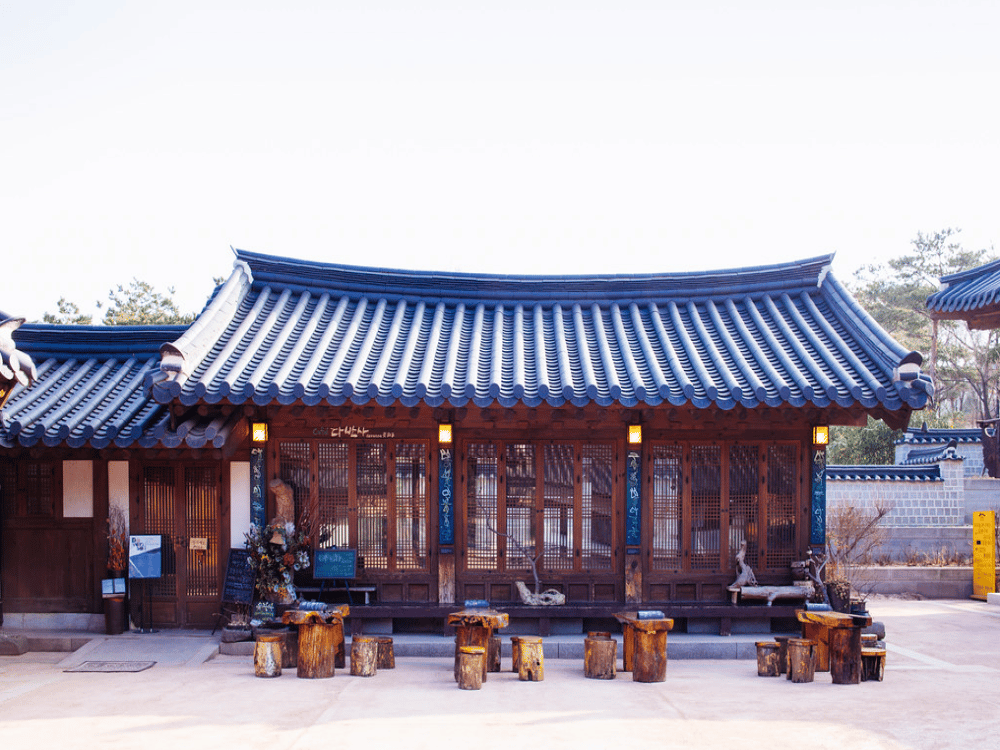
Nestled at the foot of Namsan Mountain in the heart of Seoul, Namsangol Hanok Village is a graceful cultural village that brings Korea’s heritage to life. Rather than modern skyscrapers and neon lights, this village offers tranquil traditional houses known as hanok, restored from the Joseon Dynasty era. As you wander through courtyards, tiled roofs, and wooden interiors, it feels like stepping back in time. Here, the elegance of traditional architecture, stone pathways, shaded gardens, and a peaceful pavilion reflect the rhythms of old Korean life. Live performances, traditional music, tea ceremonies, and cultural exhibits often take place, making the village an immersive experience rather than just a sightseeing stop. The atmosphere is both educational and soothing, ideal for anyone looking to understand Korea’s past while taking a break from Seoul’s vibrant modernity.
Es gibt noch keine Touren in Ikseon-dong Hanok Street.
Located centrally within Seoul, Namsangol Hanok Village sits near the Namsan area, offering both cultural charm and city convenience. The village is open daily, but hours vary with the season; generally, it welcomes visitors in the morning until the early evening, and its peaceful traditional garden remains accessible even when the houses close. Admission to the village is free, opening this cultural gem to all visitors without charge. Within the site, you’ll find a cluster of hanok homes representing different social classes from historic Korea — from noble families to common townsfolk — as well as an old well, a pavilion, and shaded resting spots that make exploring relaxed and rewarding. Seasonal events and classes on crafts and traditional tea ceremonies are held throughout the year, offering deeper engagement with Korean culture.
Before you plan your visit, it’s helpful to know that Namsangol Hanok Village isn’t just a static historic display — it’s a hub of cultural activities and experiences. Many visitors enjoy trying on hanbok, traditional Korean clothing, which makes for memorable photos among the historic homes. There are craft workshops, calligraphy demonstrations, and sometimes live music or dance performances, depending on the season and day of the week. Some of these activities may require advance reservations or small fees, so checking the village’s schedule before arriving can help you make the most of your time. The paths around the village are mostly easy to walk, though some traditional homes are built with raised wooden floors and steps reflective of their original design. It’s also a great idea to bring a camera — the blend of traditional architecture against the backdrop of Seoul’s skyline makes for beautiful pictures.
Reaching Namsangol Hanok Village is straightforward from most parts of Seoul. Many travelers use the subway, which is fast and efficient: taking Line 3 or Line 4 to Chungmuro Station and following local signs for the village will bring you there on foot in just a few minutes. Taxis are also a convenient option and are especially useful if you’re coming from areas like Myeongdong, Itaewon, or Hongdae with luggage or after shopping. The village is also within walking distance of several major Seoul attractions, making it easy to include as part of a broader day of sightseeing. Whether you’re arriving by public transport or taxi, the central location means travel times from most Seoul districts are short and simple.
Namsangol Hanok Village is beautiful in every season, but timing your visit can enhance your experience. Spring and autumn are especially popular — cherry blossoms and fall foliage add vibrant color to the traditional gardens and courtyards. Weekday mornings often feel quieter and more relaxed, perfect for closer exploration and photography. Evenings can be pleasant too, as the surrounding area is well lit and peaceful after the houses close. Seasonal cultural events and festivals take place throughout the year, so if you’re traveling during a holiday or festival period it’s worth checking ahead to see what’s happening in the village. The garden areas are open later into the evening, giving visitors flexibility if you want a peaceful stroll after sightseeing elsewhere.