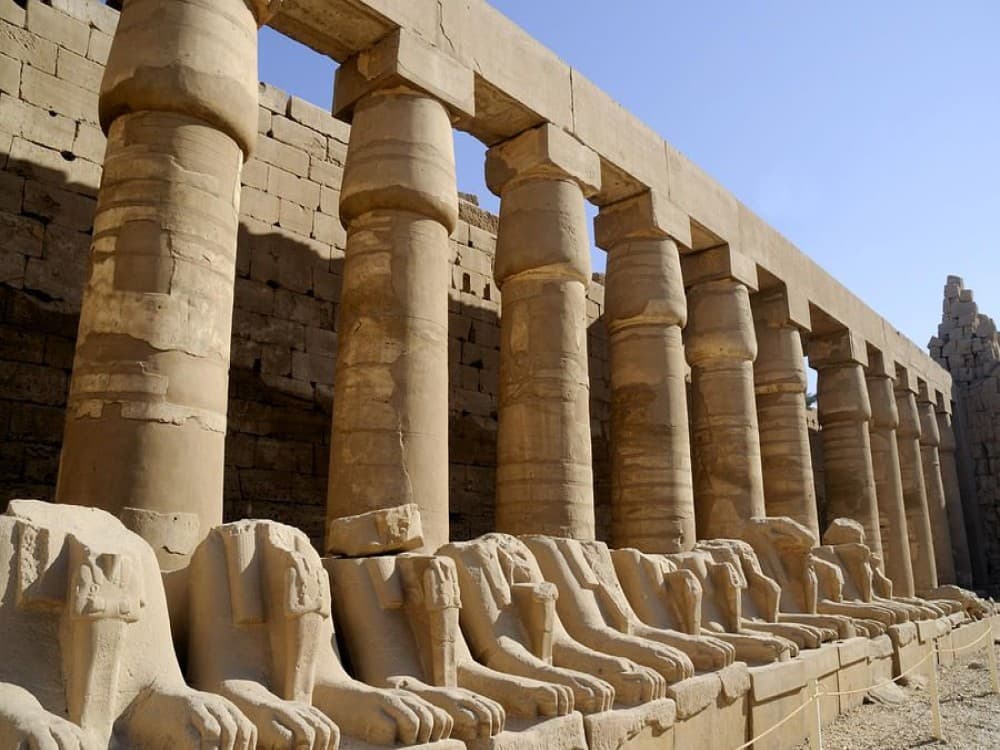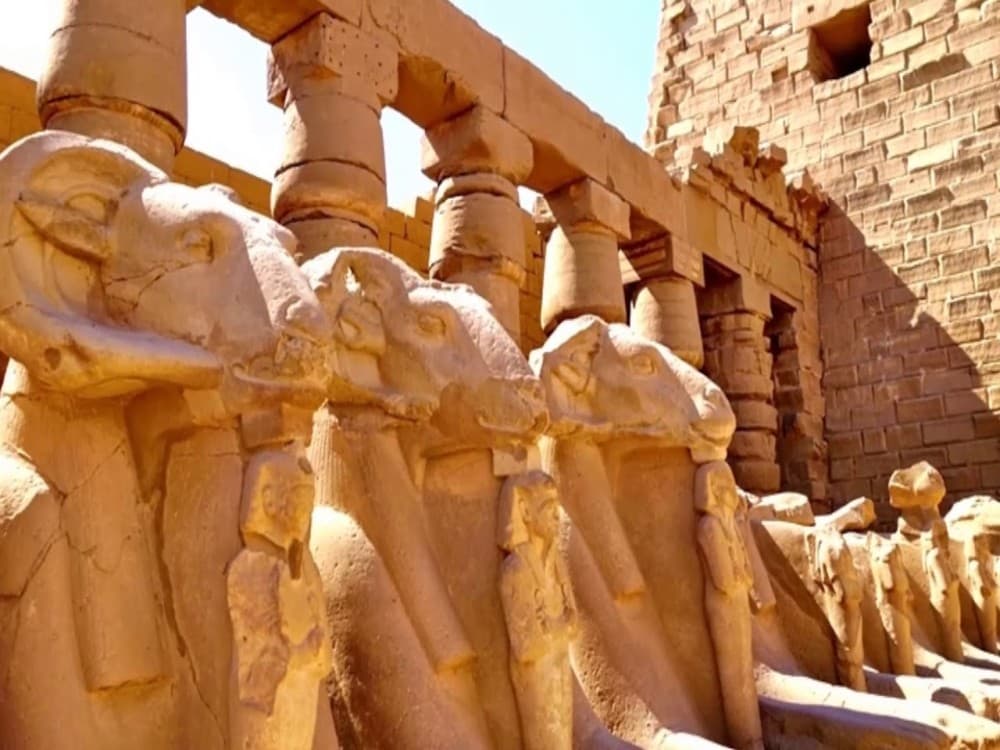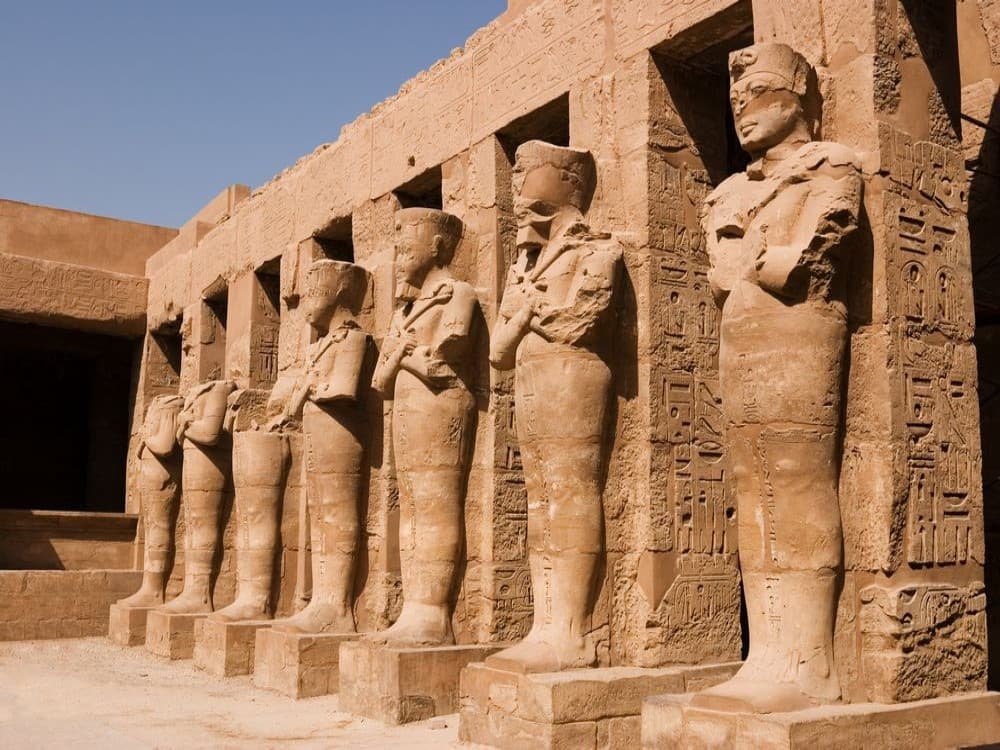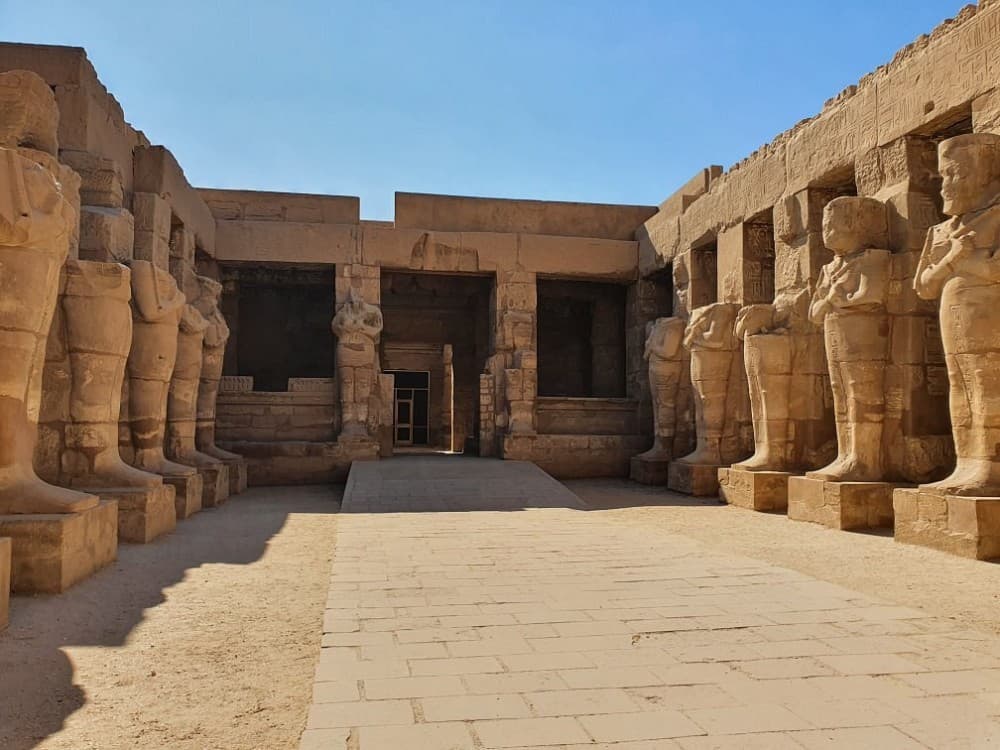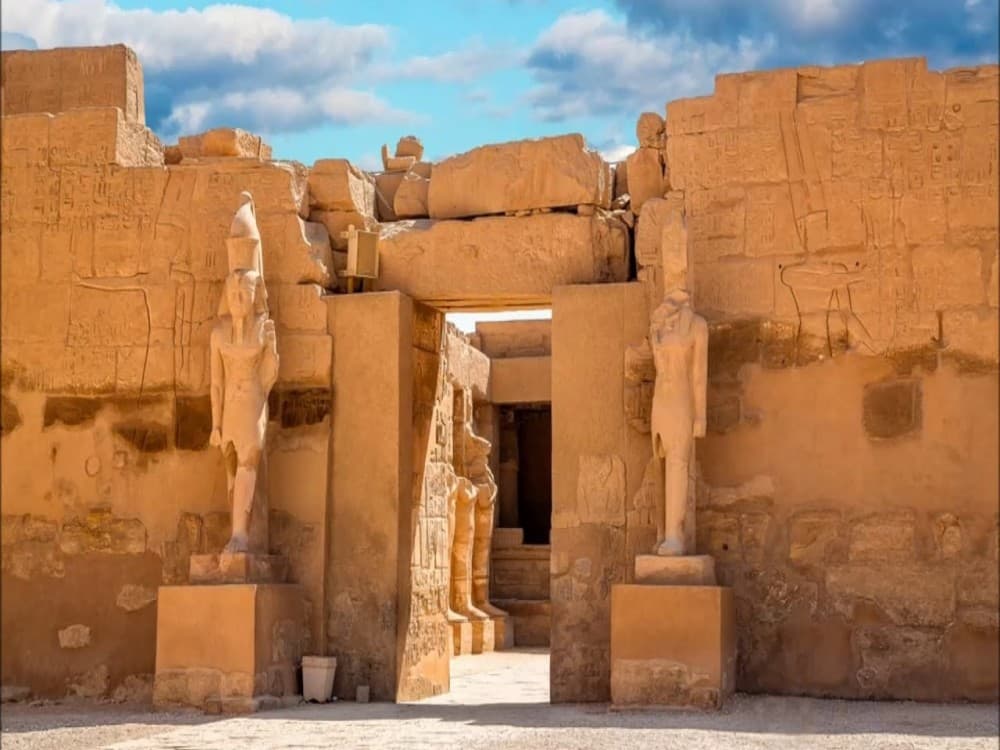
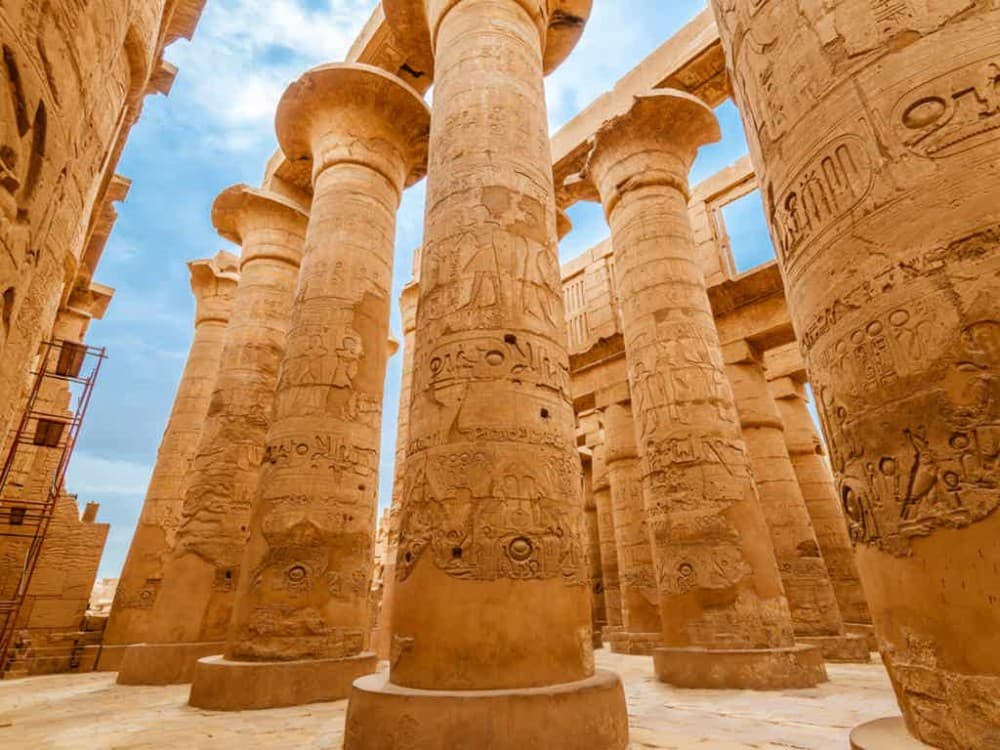
Luxor’s Karnak Temple, one of the largest religious complexes in the world, is a must-visit destination for history enthusiasts. This awe-inspiring site, located on the east bank of the Nile River, was built over 2,000 years to honor the Theban triad of Amun, Mut, and Khonsu. The temple boasts grandiose columns, towering obelisks, and intricately carved hieroglyphics that tell tales of ancient Egypt's grandeur. Visitors can marvel at the Great Hypostyle Hall with its forest of 134 columns, the Sacred Lake, and the impressive Avenue of Sphinxes connecting Karnak to Luxor Temple. This extraordinary site offers a unique glimpse into Egypt’s rich cultural heritage.
Es gibt noch keine Touren in Luxor’s Karnak Temple.
Karnak Temple is open daily from 6:00 AM to 5:00 PM, with some nighttime tours available for an illuminated experience. Entry fees are approximately 200 EGP for adults, with discounts for students. It’s part of the UNESCO World Heritage Site that includes other wonders like the Valley of the Kings. The site is wheelchair-accessible, though some areas might require assistance due to uneven terrain. Bring sunscreen, a hat, and plenty of water, as shade is scarce.
Plan for at least two to three hours to explore Karnak Temple fully. Wear comfortable walking shoes, as the complex covers a vast area. Guided tours are highly recommended to understand the historical and architectural significance of the site. Audio guides are also available for independent travelers. Keep some cash handy for entrance fees, souvenirs, and tipping local guides. Photography is allowed, but drones are prohibited.
Luxor is approximately 280 kilometers from Hurghada, making it a manageable day trip. Travel options include organized tours, private transfers, or buses. A private car or tour bus takes around 4 hours each way, while buses can take up to 5 hours. Many tour operators in Hurghada offer packages that include transportation, entry tickets, and guided tours of the temple.
The best time to visit Karnak Temple is during the cooler months from October to April, when daytime temperatures are more comfortable. If visiting during summer, aim for early morning or late afternoon to avoid the midday heat. Nighttime tours provide a magical atmosphere, as the temple is beautifully lit and less crowded.