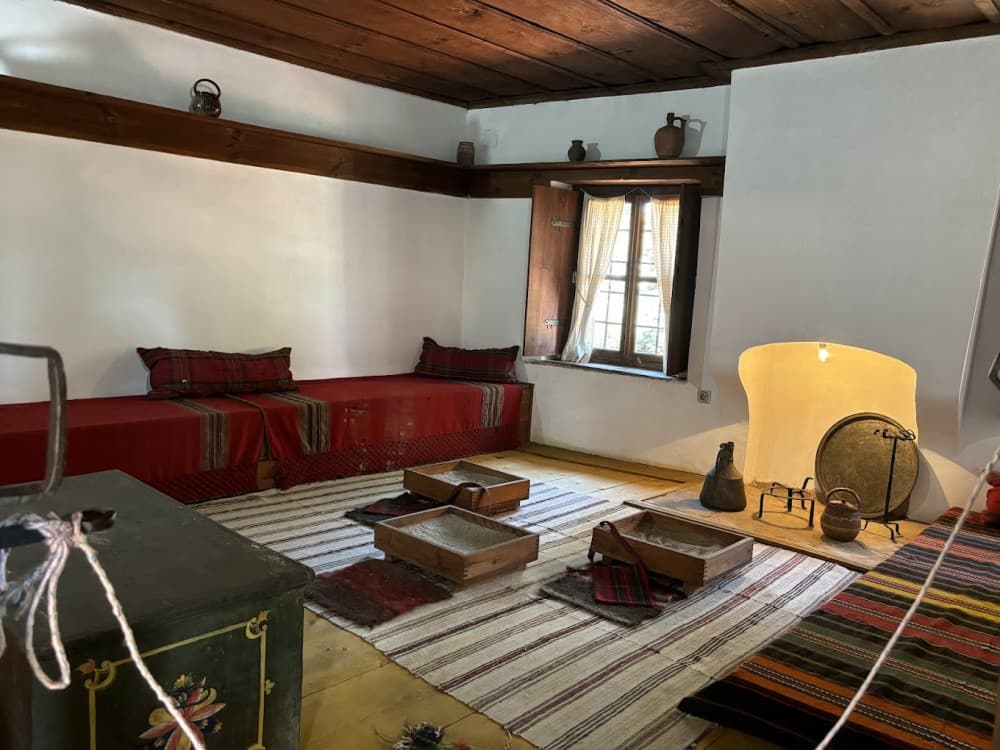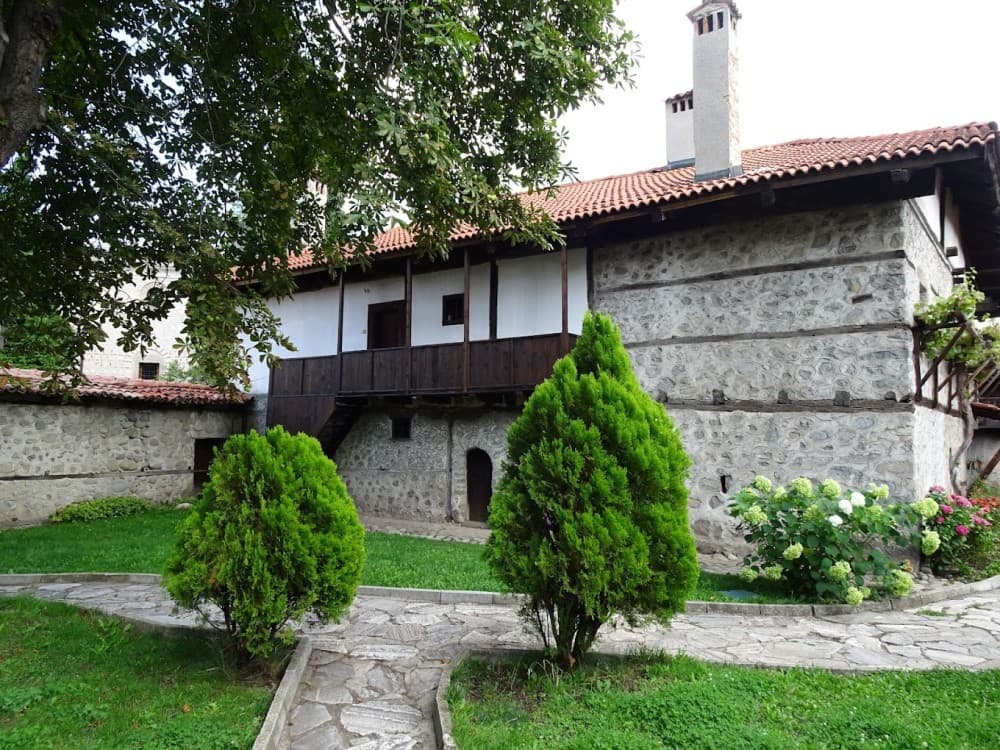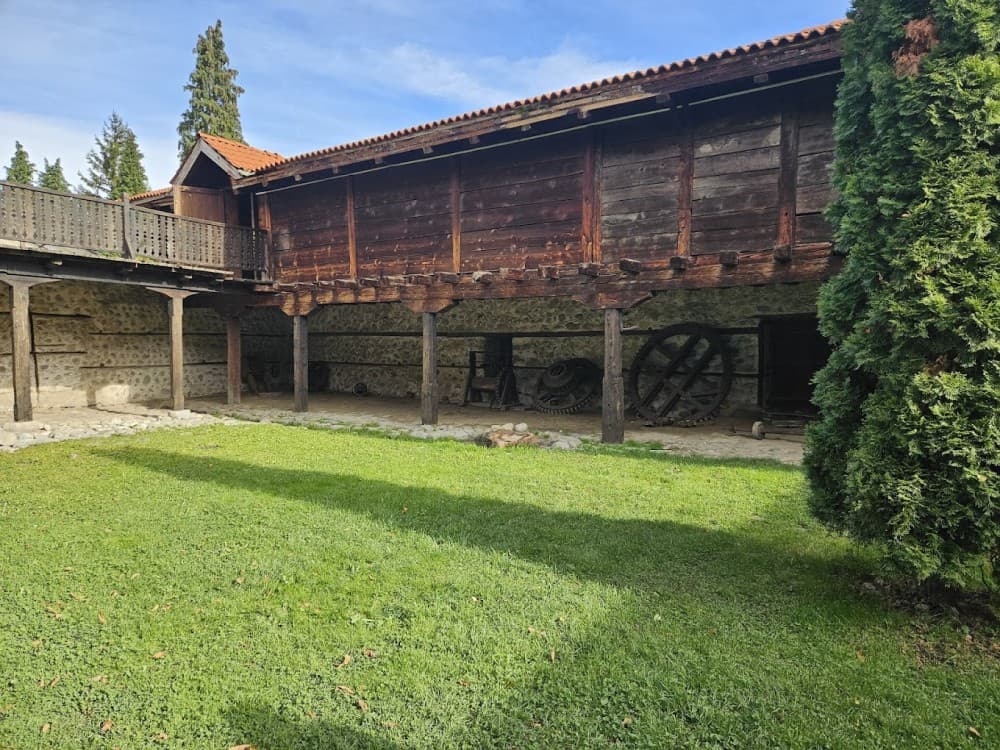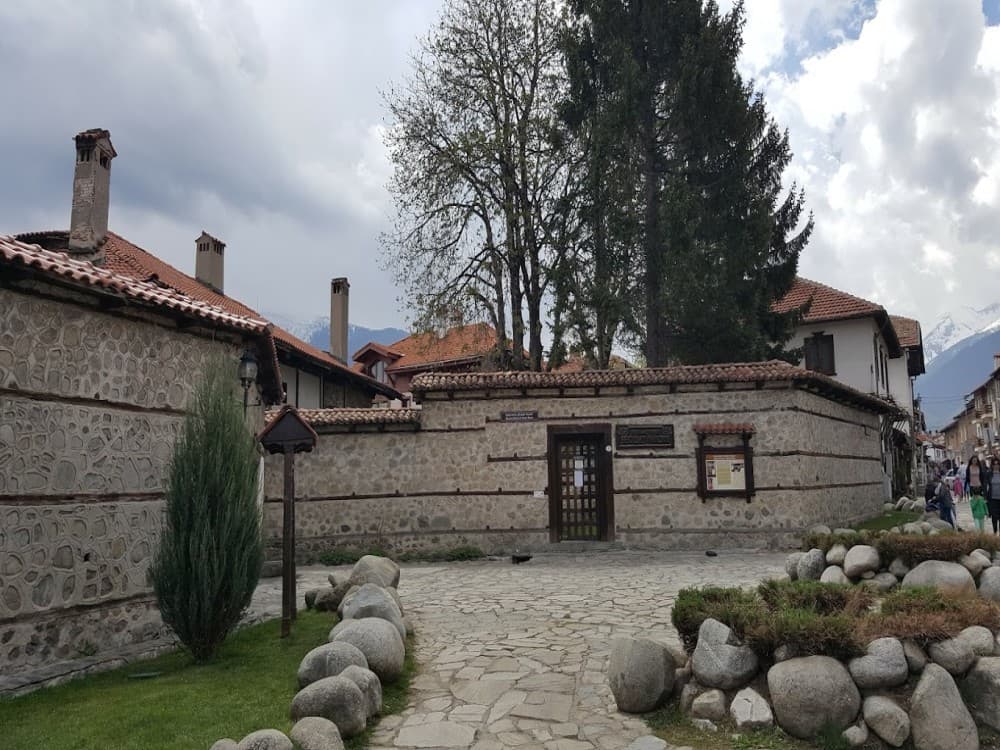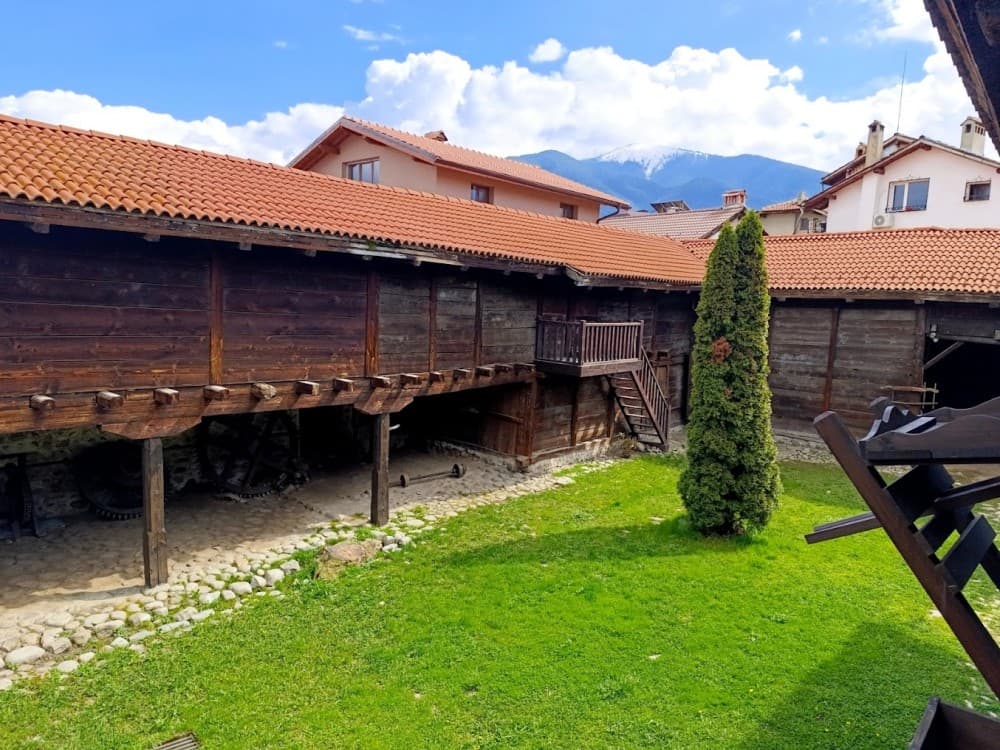
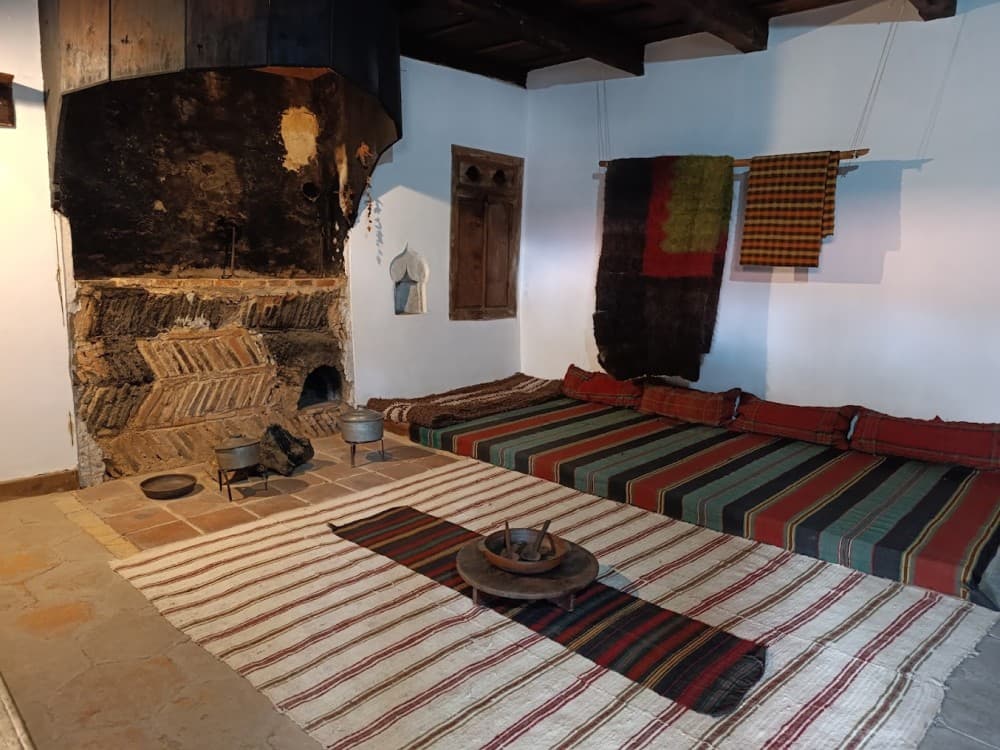
The House Museum of Neofit Rilski, also known as Benin's House, is a stunning 18th-century fortified building that offers a glimpse into the life of the "patriarch of Bulgarian teachers." Neofit Rilski was a central figure of the Bulgarian National Revival, credited with writing the first Bulgarian grammar and founding secular education. The house itself is a masterpiece of local architecture, featuring thick stone walls, massive wooden gates, and secret tunnels designed for protection during turbulent times. Inside, you can explore traditional living quarters, a historic monastery school, and a permanent exhibition showcasing over 400 artifacts, including personal letters and original manuscripts. It is a place where history and legend meet, perfectly capturing the spirit of Bansko’s cultural heritage.
Es gibt noch keine Touren in The House Museum of Neofit Rilski.
The museum is located at 17 Pirin Street, right next to the Holy Trinity Church in the heart of Bansko’s Old Town. In 2026, it is generally open to visitors from 9:00 to 12:00 and from 13:00 to 17:30, though it is traditionally closed on Tuesdays. Entrance fees are very pocket-friendly, typically costing around 3 Bulgarian Lev for adults and 1 Lev for students or retirees. For those looking for extra value, entry is often free on the first Monday of every month. The ticket includes access to both the ethnographic rooms and the documentary exhibition housed in the former farm buildings. Guided tours are available in multiple languages to provide deeper context on the house's unique "miniature fortress" design.
The house is a "fortified" residence, meaning it has low doorways and steep wooden stairs that were part of its original defensive strategy. While this makes for an authentic experience, it can be challenging for visitors with limited mobility. Photography is permitted in the courtyard, but you should ask for permission before taking photos of the delicate historical documents inside. Information is provided in both Bulgarian and English, helping you understand the significance of exhibits like the first Bulgarian grammar book. As a sign of respect for the 200-year-old wooden floors, you might be asked to wear protective overshoes provided at the entrance. The house is remarkably cool in the summer, making it a refreshing stop during a hot afternoon walk.
Finding the museum is very straightforward as it is a major landmark in the historic district. If you are walking down from the gondola station, simply follow Pirin Street all the way to the Old Town; the museum is located directly opposite the bell tower of the Holy Trinity Church. For those staying on the outskirts of Bansko, many hotel shuttle buses drop off at the central square, which is just a short 2-minute stroll from the museum gates. Taxis are also a convenient way to reach the site and can drop you right at the entrance. If you are driving, look for public parking near the square, as the streets immediately surrounding the museum are narrow and pedestrian-focused.
The best time to visit is during the morning shortly after the 9:00 opening, when the courtyard is quiet and the light is perfect for seeing the intricate woodcarvings on the veranda. Visiting on a weekday is highly recommended to avoid the weekend crowds of day-trippers. Because the museum is located indoors, it is a fantastic year-round destination; it provides a cozy, cultural escape during a snowy winter afternoon or a shaded retreat in the height of August. If you are a history buff, try to plan your visit for a Monday to potentially take advantage of the free entry day, though be prepared for a slightly busier atmosphere as many locals also take this opportunity to visit.