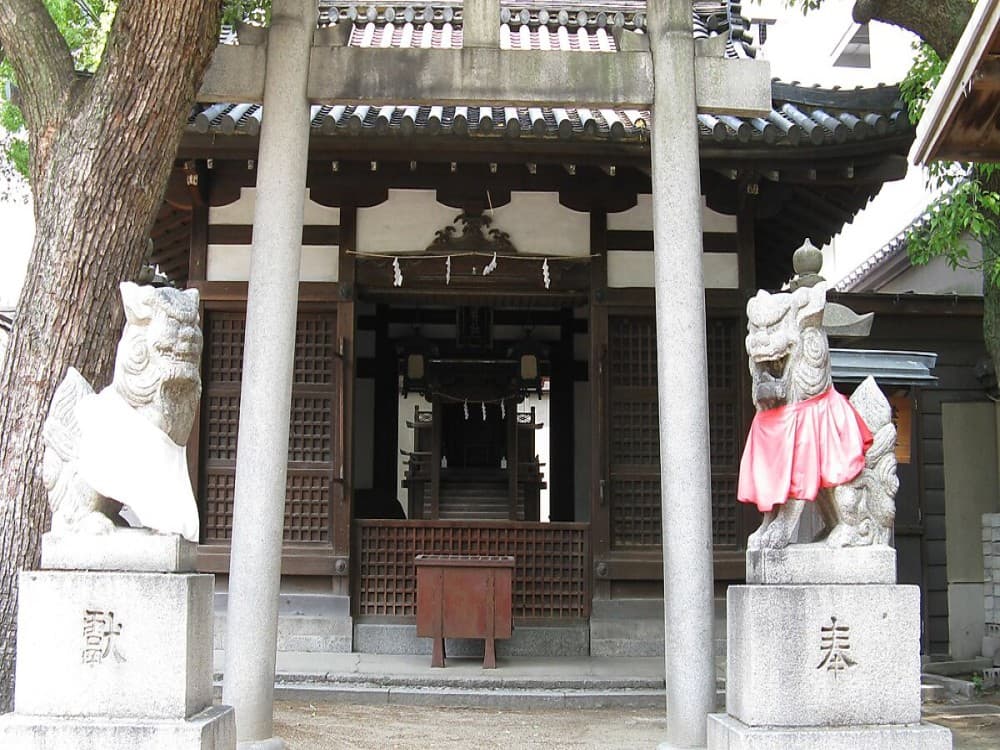
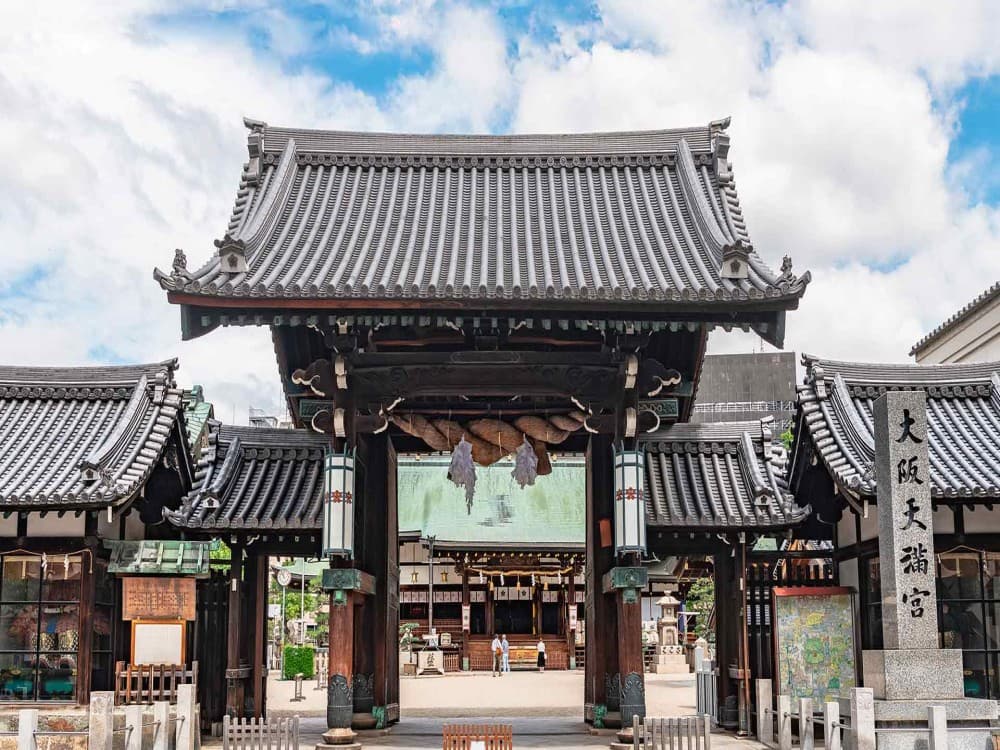
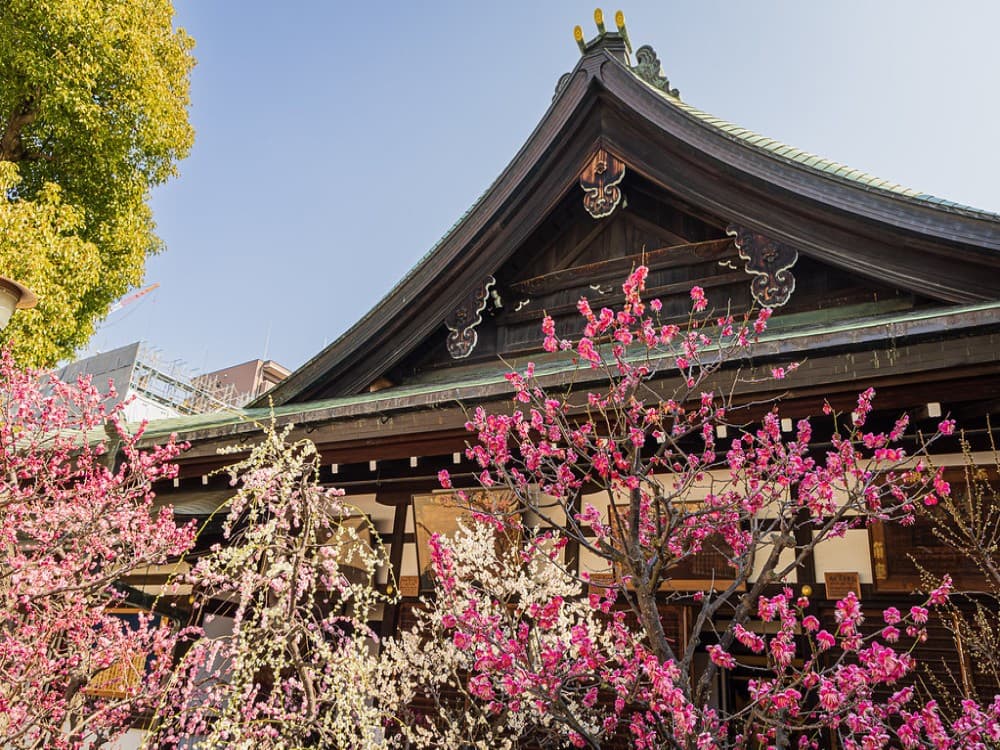
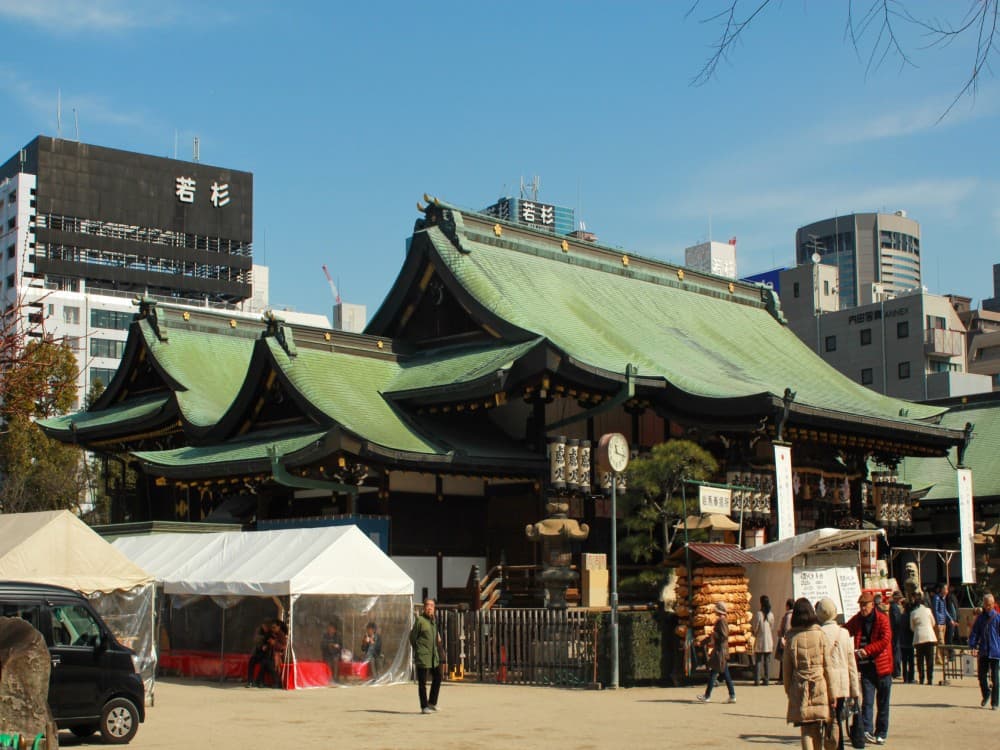
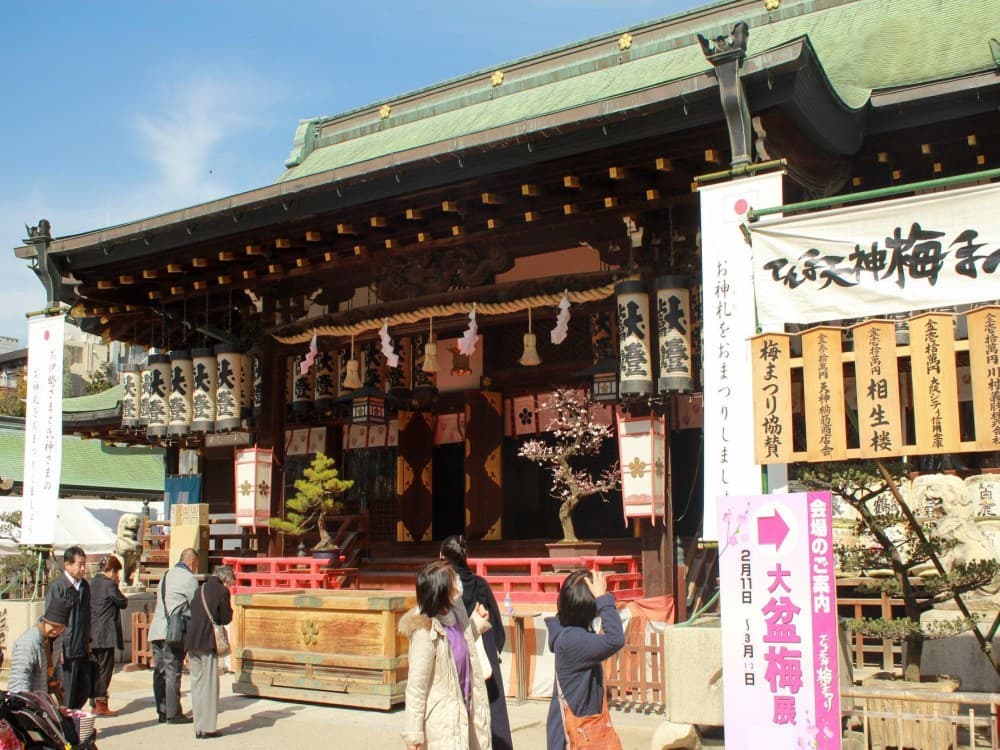
Osaka Tenmangu Shrine is one of the city’s most important Shinto shrines, dedicated to Sugawara no Michizane, the deity of learning and scholarship. Tucked away in a traditional neighborhood, the shrine offers a calm and authentic atmosphere that contrasts nicely with Osaka’s modern districts. Stone lanterns, wooden gates, and peaceful courtyards give visitors a strong sense of local religious life. For travelers on holiday in Osaka, Osaka Tenmangu provides a cultural experience rooted in history, while still being easy to reach from central areas. It is also famous as the focal point of the Tenjin Matsuri, one of Japan’s major festivals.
Es gibt noch keine Touren in Tenmangu Shrine.
Osaka Tenmangu Shrine is an active Shinto shrine with free entry. Visitors can walk around the grounds, pray, and observe local customs such as washing hands at the purification fountain. The shrine complex includes the main hall, smaller sub-shrines, and quiet paths for strolling. It is located near traditional streets and local shops, giving the area a neighborhood feel rather than a tourist-heavy atmosphere. The shrine is open daily and welcomes visitors year-round.
This is a place of worship, so respectful behavior is expected. Dress modestly and avoid loud conversations. Photography is generally allowed outdoors, but avoid disturbing worshippers. During exam seasons, many students visit to pray for success, making the shrine busier than usual. The area becomes extremely crowded during Tenjin Matsuri in summer, when processions and celebrations take place. If you prefer a quiet visit, avoid festival days and weekends.
Osaka Tenmangu Shrine is easy to reach from central Osaka by train or subway. Travel to Osaka Tenmangu Station, which is located just a short walk from the shrine entrance. The surrounding streets are narrow but well signposted, making navigation simple. From major areas like Umeda, the journey is quick and convenient, making the shrine an easy cultural stop during your day.
The best time to visit is morning or early afternoon, when the shrine is peaceful and less crowded. Spring and autumn offer comfortable weather for walking around the grounds. Summer visits are still enjoyable, but humidity can be high, especially during festival periods. Winter brings a quieter atmosphere and fewer visitors. The shrine is open year-round and suitable for visits in any season.