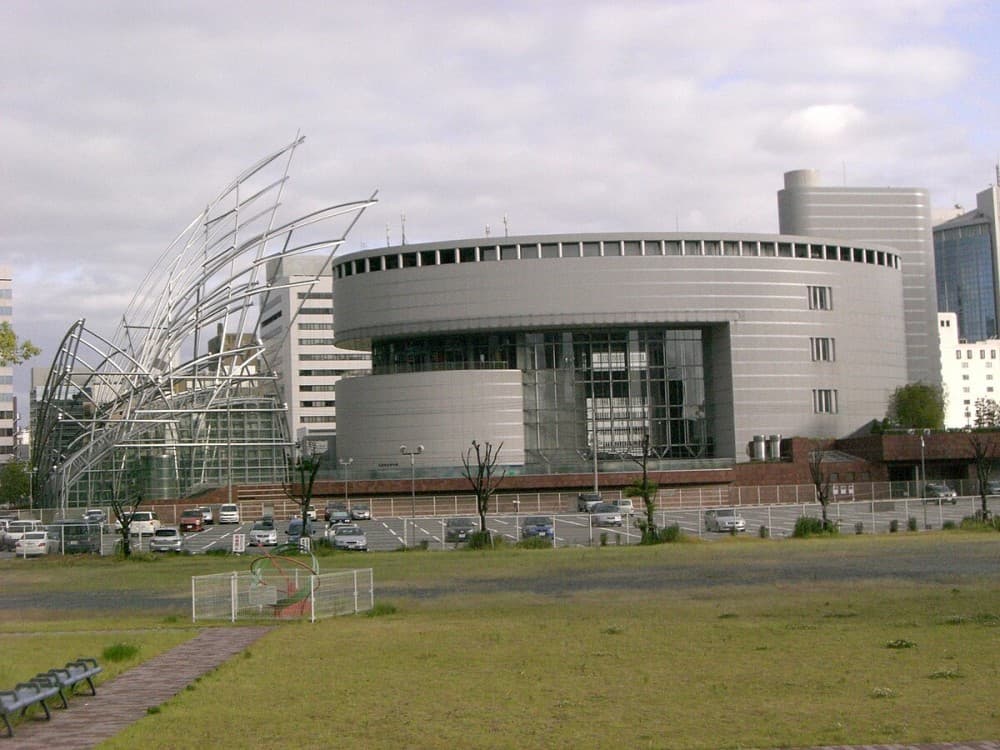
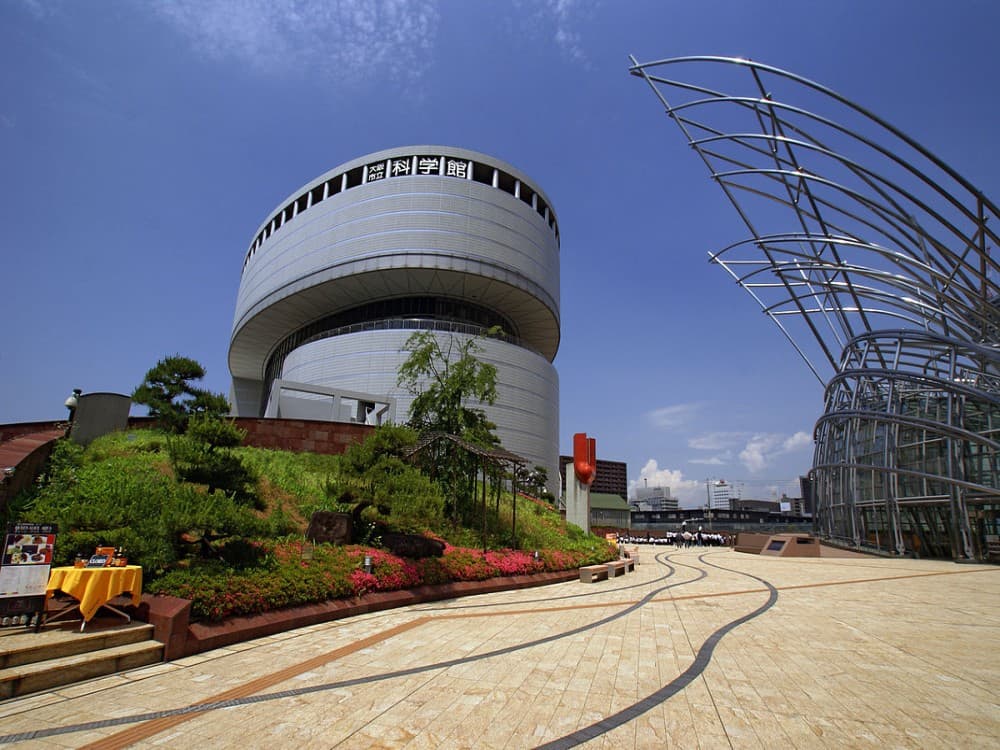
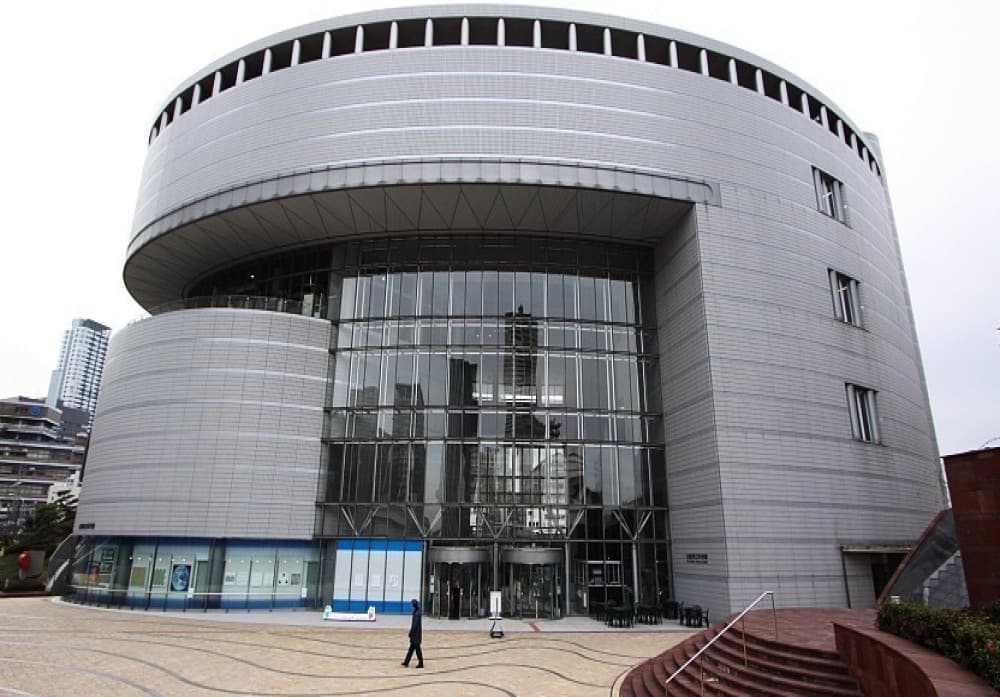
Osaka Science Museum is a modern, interactive museum located in the Nakanoshima district, close to the city’s rivers and cultural institutions. Designed to be hands-on and engaging, the museum focuses on physics, chemistry, space, and everyday science, making complex ideas easy to understand for visitors of all ages. One of its main highlights is the large planetarium, known for high-quality star shows and immersive presentations. For travelers on holiday in Osaka, the museum offers a relaxing and educational break from shopping and sightseeing, especially appealing to families and curious minds.
Es gibt noch keine Touren in Science Museum.
The Osaka Science Museum is a public science center with several exhibition floors and a planetarium on the upper level. Exhibits are interactive and encourage visitors to touch, test, and experiment. Displays are mainly in Japanese, but many include simple English explanations or are intuitive to use. Admission fees are affordable, with a separate ticket required for the planetarium. The museum is air-conditioned and well-organized, making it a comfortable indoor attraction year-round.
The planetarium shows are very popular and have limited seating, so arriving early to secure tickets is recommended. Shows run on a fixed schedule and may sell out on weekends or during school holidays. Photography is usually allowed in exhibit areas but restricted during planetarium sessions. The museum is family-friendly, but adults without children will still find the exhibits interesting. Allow at least two hours for a relaxed visit, longer if you plan to see a planetarium show.
Osaka Science Museum is easy to reach from central Osaka using public transport. Nearby subway stations connect the area with major districts such as Umeda and Namba. From the closest station, it’s a short walk through the Nakanoshima area, which is flat and pedestrian-friendly. The route passes office buildings, riverside paths, and cultural sites, making the walk part of the experience.
The best time to visit is weekday mornings or early afternoons, when the museum is quieter and easier to explore. Weekends, rainy days, and school holidays can be crowded, especially in the planetarium. Visiting earlier in the day increases your chances of getting planetarium tickets. The museum is a great option during hot summers or cold winter days, as it’s fully indoors and climate-controlled.