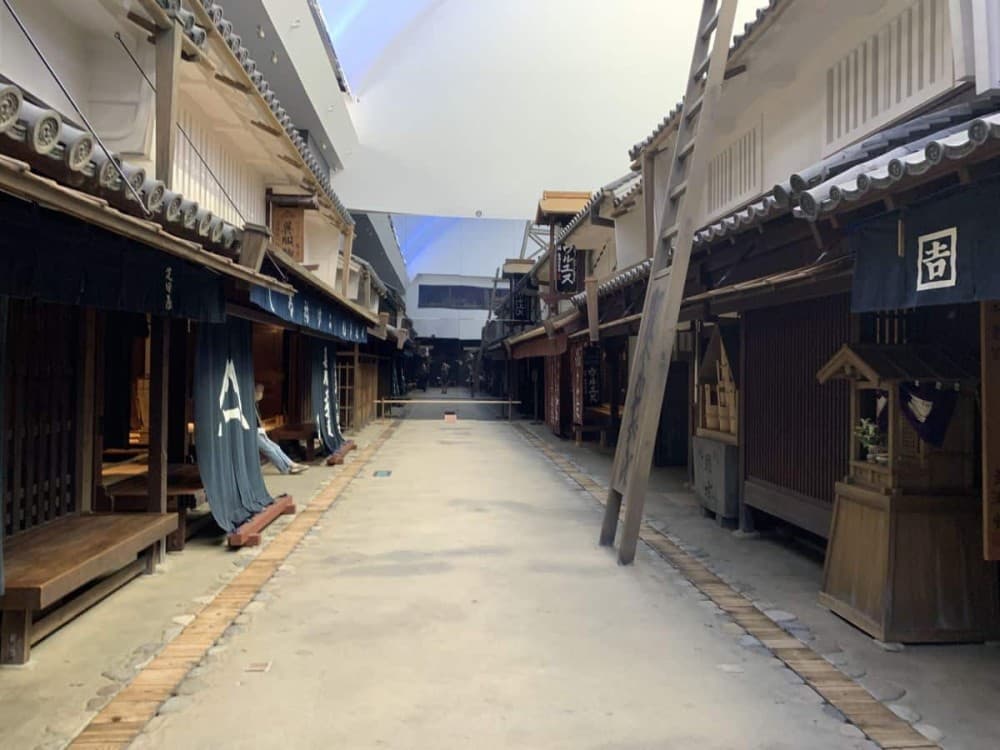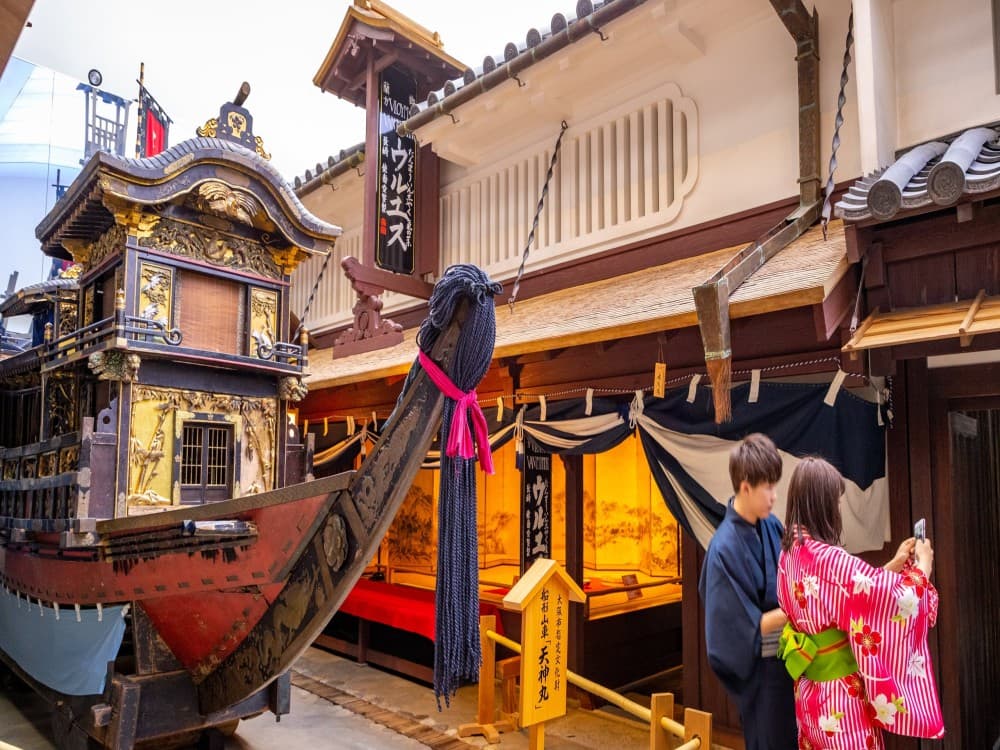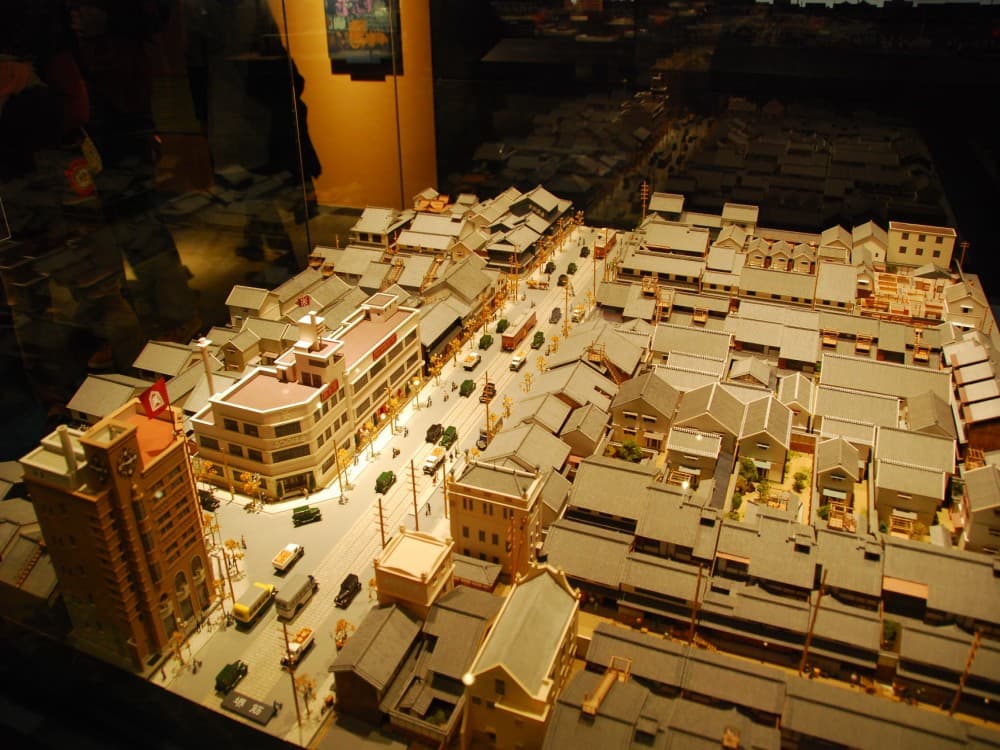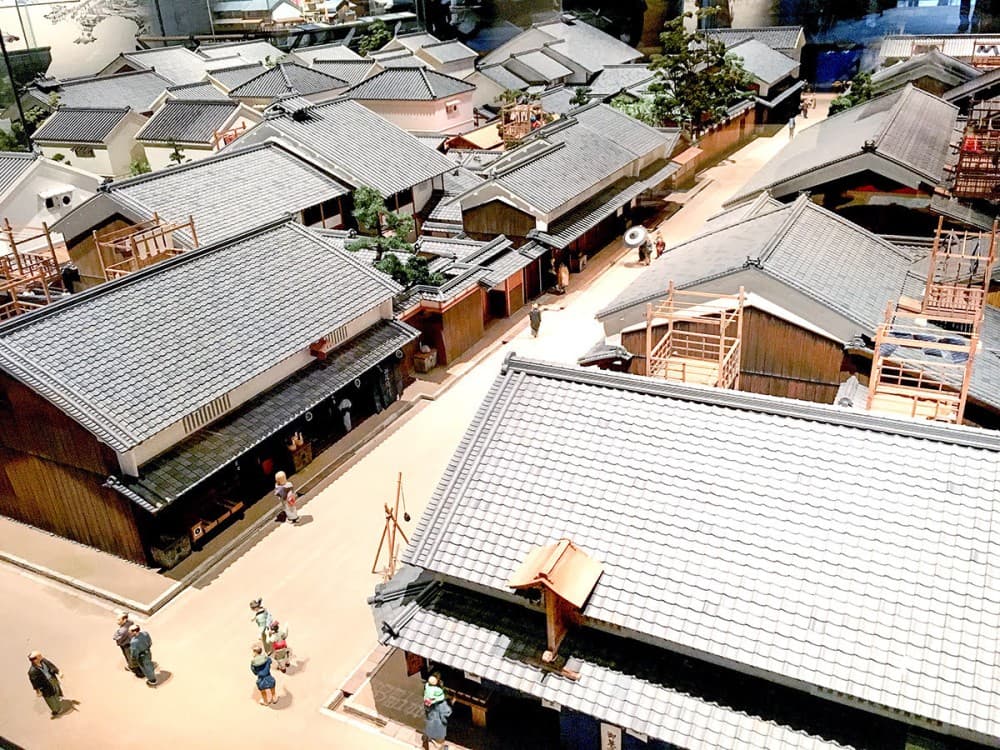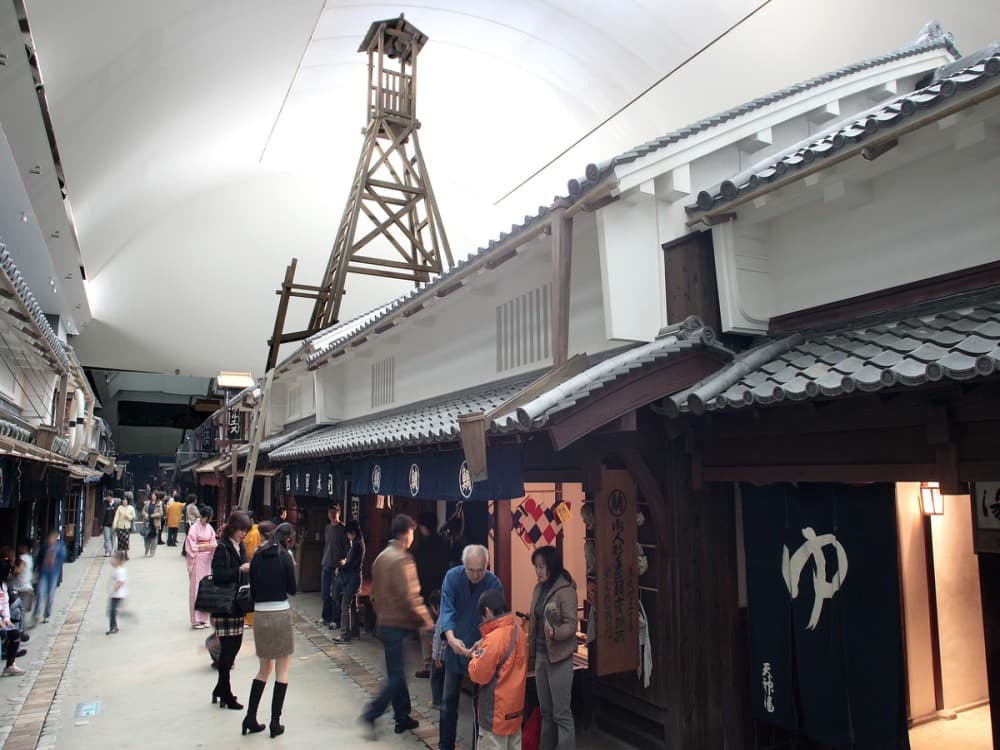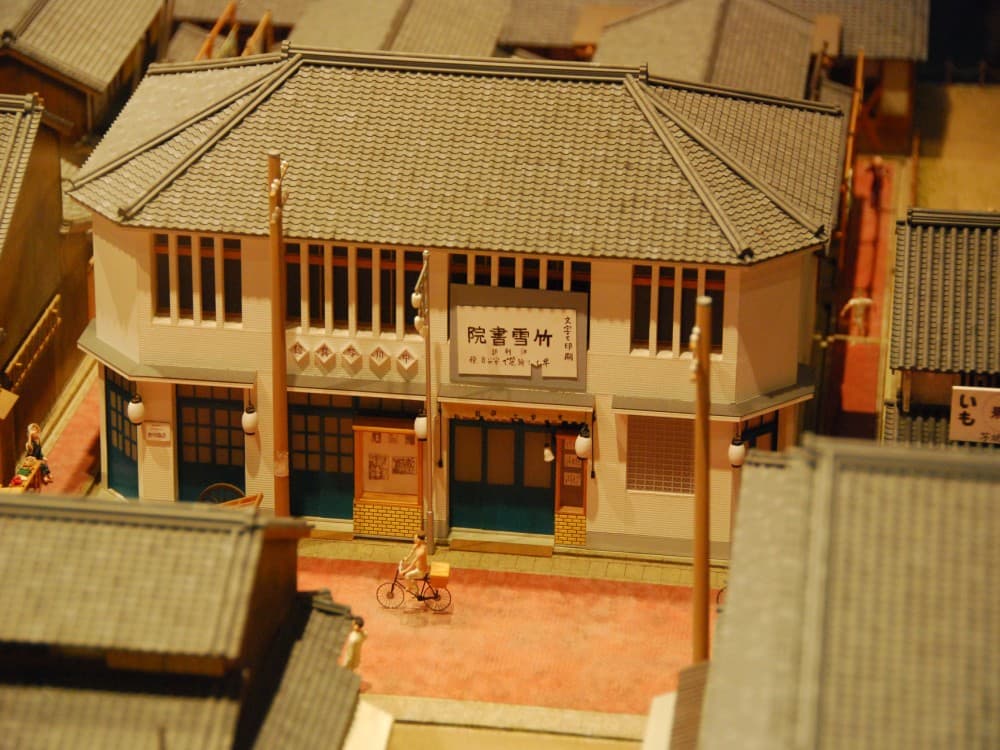
Osaka Museum of Housing and Living offers a unique way to experience the city’s past by recreating everyday life from different historical periods. The museum is best known for its full-scale indoor replica of an Edo-period Osaka town, complete with traditional houses, shops, lantern-lit streets, and seasonal details. Visitors can walk through these streets as if stepping back in time, gaining insight into how ordinary people lived centuries ago. Upper floors explore how housing and urban life evolved into modern Osaka. For travelers in Osaka, this museum provides an immersive cultural experience that feels interactive and visually engaging rather than static.
Es gibt noch keine Touren in Museum of Housing and Living.
The Osaka Museum of Housing and Living is located in the Tenjinbashi area of northern Osaka. Entry requires a ticket, and most visitors spend around one to two hours inside. The museum is fully indoors, making it ideal in any weather. Exhibits include life-sized reconstructions, models, videos, and interactive displays. English explanations are available throughout. The museum is family-friendly and accessible, with elevators and rest areas available.
Photography is allowed in most areas, but flash may be restricted in certain exhibits. The recreated streets are dimly lit to match historical settings, so take care when walking. Some experiences, such as wearing traditional clothing for photos, may require an additional fee. Weekends and holidays can be busier, especially during school breaks. Comfortable shoes are recommended, as you will spend most of your visit standing or walking indoors.
Reaching the Osaka Museum of Housing and Living from central Osaka is very easy. The museum is directly connected to a subway station, making access quick and convenient. From major areas like Umeda or Namba, travel time is usually under 20 minutes. Once you exit the station, the museum entrance is clearly marked within the same building. Public transportation is the most efficient option.
The best time to visit the museum is on a weekday, particularly in the late morning or early afternoon. These times are quieter and allow you to explore the exhibits at a relaxed pace. Weekends and rainy days tend to attract more visitors. Seasonal decorations inside the Edo-style town change throughout the year, making repeat visits enjoyable. Arriving earlier in the day helps avoid crowding.