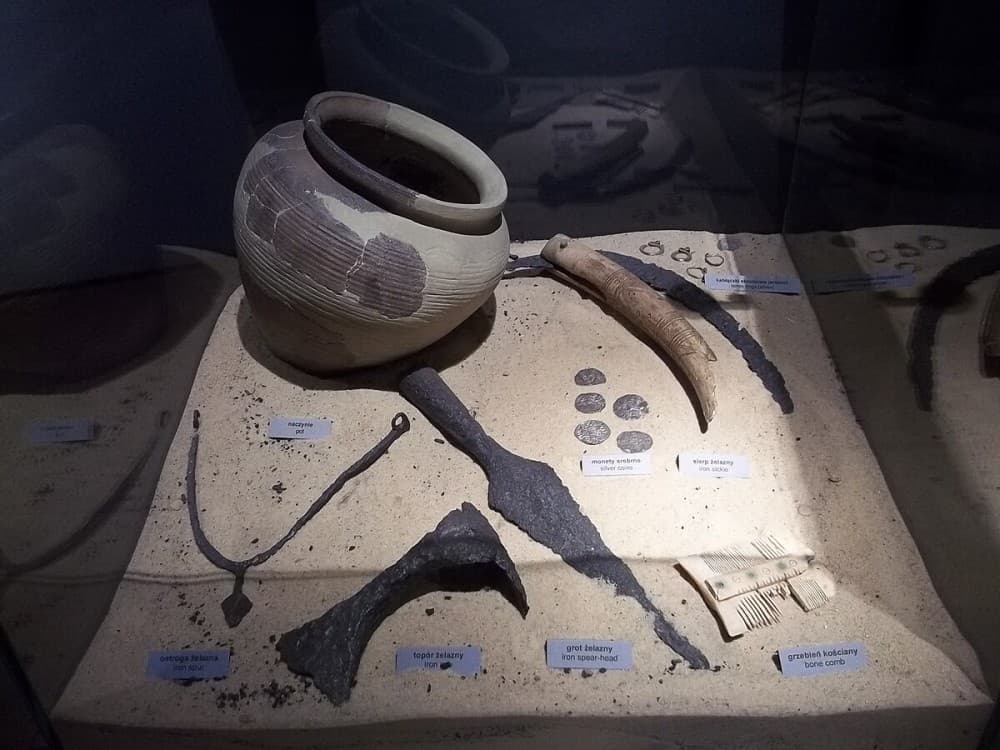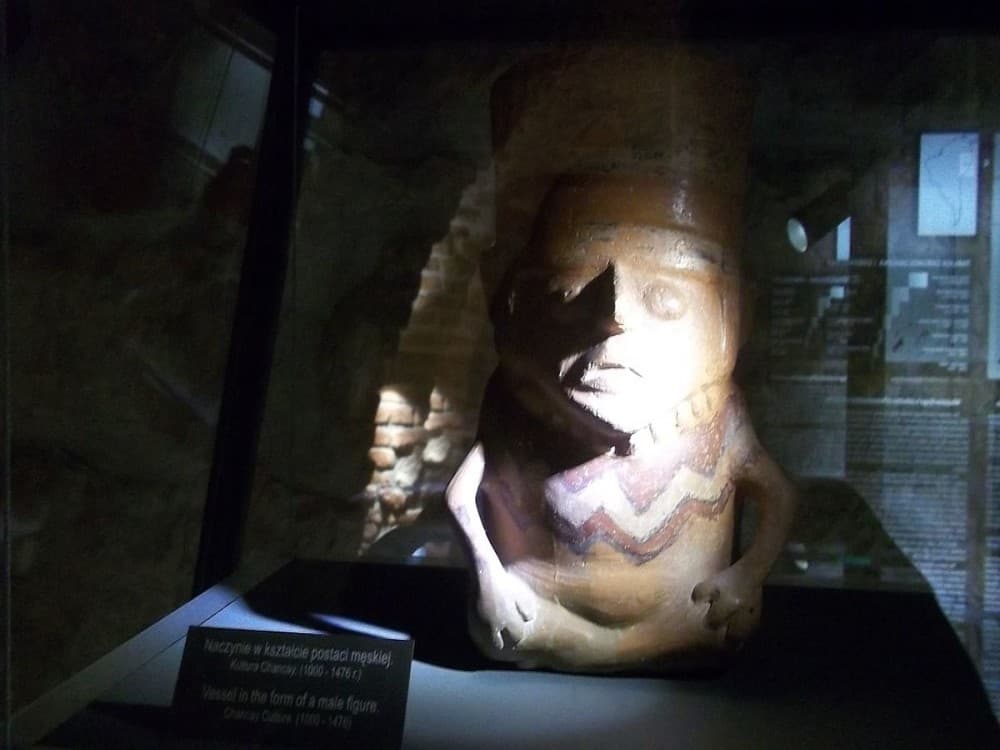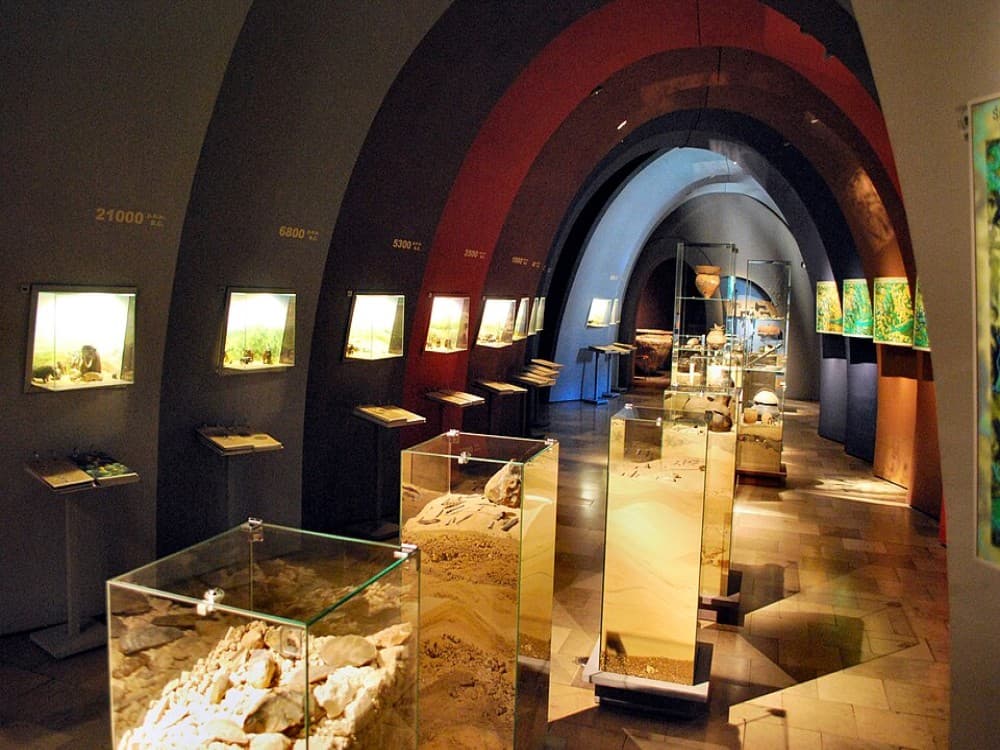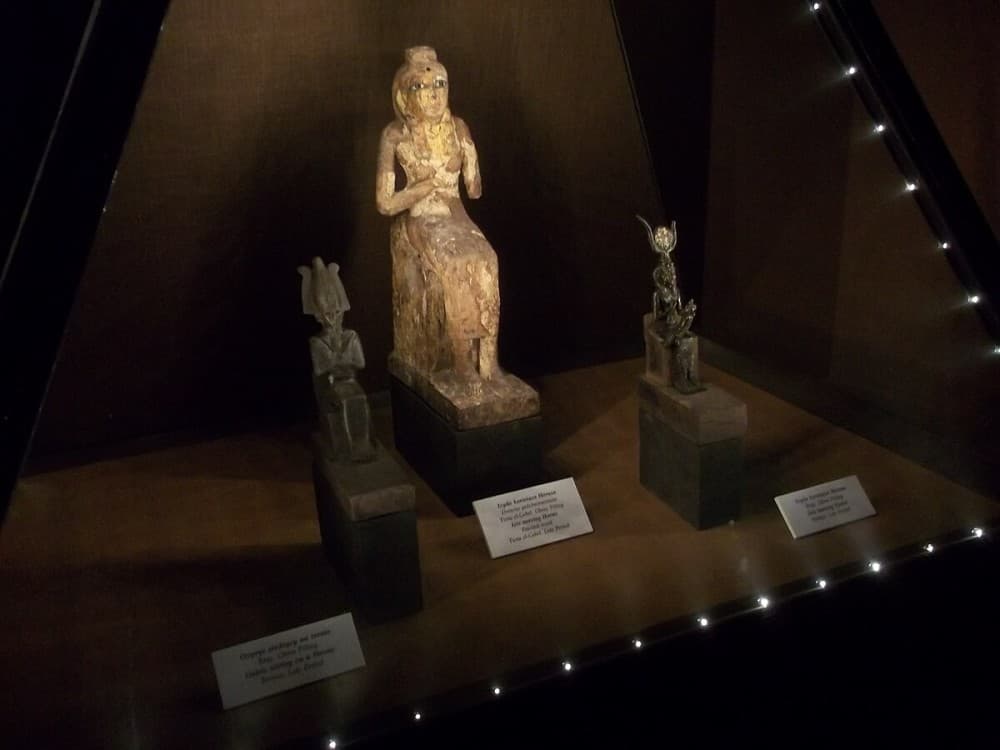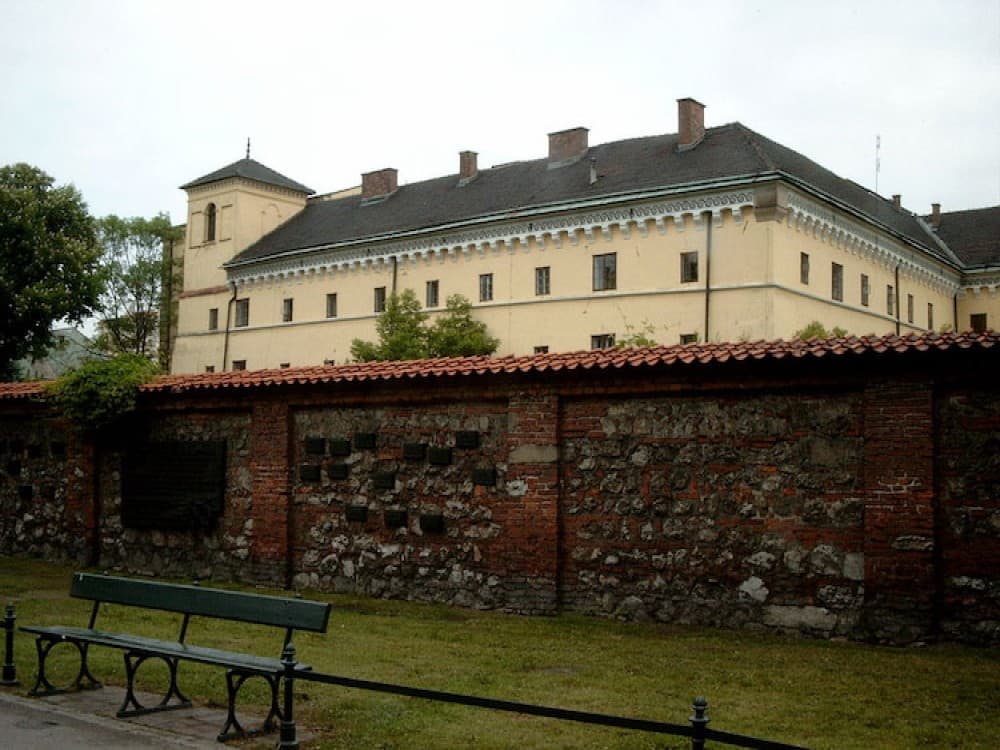
The Archaeological Museum in Krakow is one of the city’s oldest and most fascinating cultural institutions, showcasing Poland’s rich prehistoric and ancient heritage. Located in a historic building near Krakow’s Old Town, the museum features impressive collections, including ancient tools, medieval artifacts, and even a famous Egyptian mummy. Visitors can explore exhibitions that trace human history in the region, offering a clear and engaging look at how people lived, worked, and developed over thousands of years. It’s an ideal stop for history lovers and families seeking an educational yet enjoyable visit.
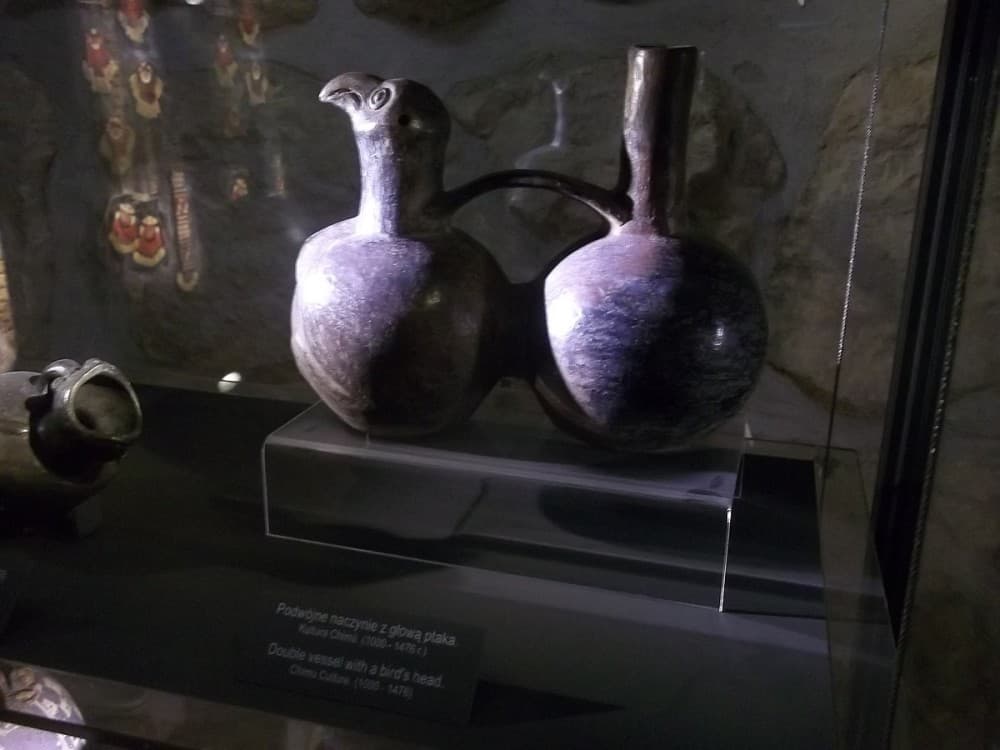
The museum is open throughout the week, with slightly shorter hours on weekends. Tickets are affordable, and discounts are available for students, seniors, and families. The building includes both permanent and temporary exhibitions, so there is always something new to discover. Facilities include restrooms, a small gift shop, and multilingual information panels. Guided tours may be available on select days, especially during special exhibitions or events.
Some parts of the museum may involve low lighting to protect delicate artifacts, so visitors should expect dimmer rooms in certain sections. The museum is suitable for children, but supervising younger visitors is recommended due to fragile items on display. Photography is usually allowed without flash. If visiting during peak season, consider arriving early to avoid crowds, especially in the Egyptian collection. Checking the museum’s schedule for temporary exhibitions can enhance your visit.
The Archaeological Museum is located just a short walk from Krakow’s Main Market Square, making it easy to reach on foot from most central hotels. Public transport options include trams and buses stopping near Planty Park, from where it’s only a few minutes' walk. Taxis and ride-share services are also convenient and affordable, especially for families or groups.
Morning visits are ideal, as the museum tends to be quieter shortly after opening. Weekdays offer the calmest experience, while weekends can be busier, particularly during school holidays. Visiting in spring or autumn provides a comfortable atmosphere around the museum gardens, which are pleasant to explore before or after your tour.