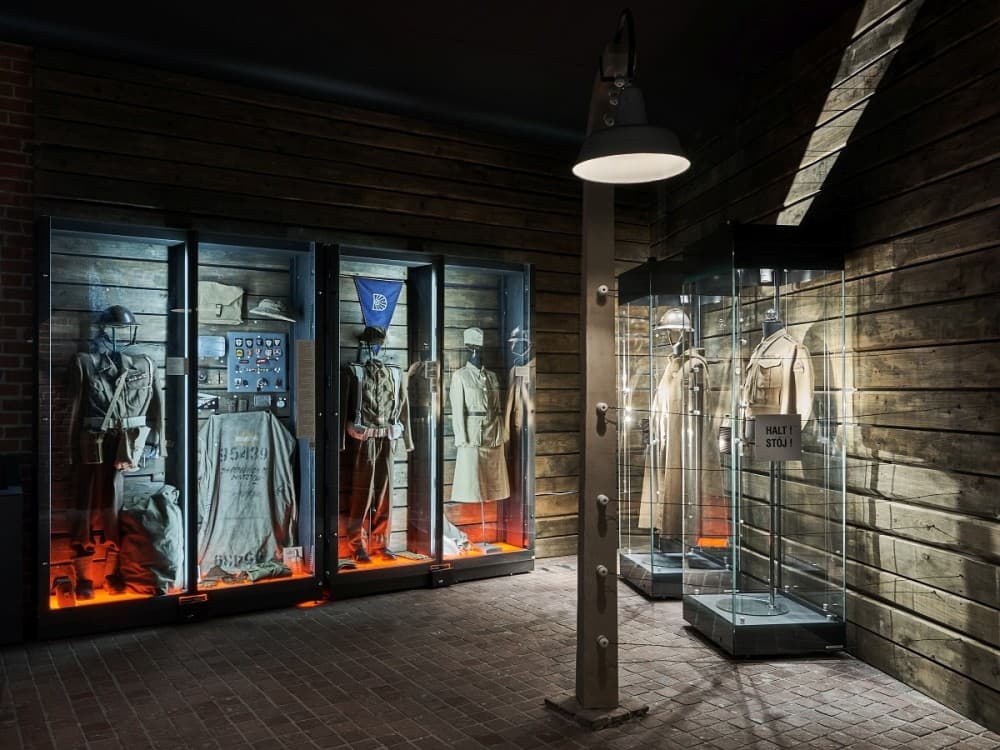
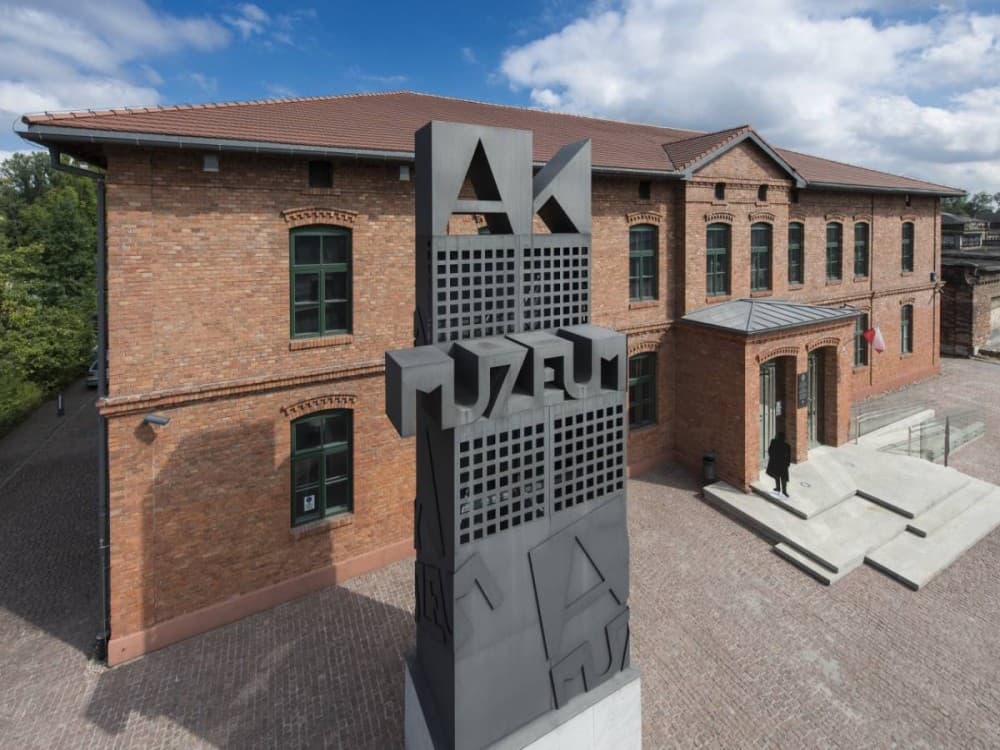
The Home Army Museum in Kraków offers an in-depth look at the history of the Armia Krajowa, Poland’s main underground resistance during World War II. The museum combines original artifacts, photographs, documents, and multimedia displays to tell the story of life under occupation, secret operations, and the courage of those who fought. Exhibits include uniforms, weapons, personal belongings, and reconstructions such as a bomber hull, a tank, and a rocket. Visitors gain insight into the daily lives of civilians and soldiers, the struggles of clandestine operations, and the sacrifices made in the fight for freedom. It is both educational and emotionally moving, offering a rich experience for those interested in history and wartime heritage.
Es gibt noch keine Touren in Home Army Museum/Muzeum Armii Krajowej.
The museum is located at ul. Wita Stwosza 12, near Kraków’s main train station. Its collection includes thousands of artifacts, carefully arranged in chronological and thematic order, from the 1939 invasion to the post-war period. The museum provides a comprehensive view of wartime Poland, including resistance, occupation, and consequences of the conflict. It is suitable for adults, students, and history enthusiasts, offering both detailed exhibits and larger reconstructions that make the story tangible.
The museum can be emotionally intense due to exhibits on war, suffering, and repression. Visitors should be prepared for graphic historical content, including stories of loss and survival. The exhibition uses multimedia and original artifacts to give context and depth. Visitors are encouraged to take their time, moving through the exhibits carefully to fully appreciate the historical significance. The museum is accessible for visitors with disabilities.
From Kraków’s Old Town or central train station, the museum is easily reached by public transport, taxi, or on foot. Trams and buses serve nearby stops, and it is a short walk from the main streets. Its central location makes it convenient to include in a broader sightseeing day or half-day visit.
The museum is generally open Tuesday through Sunday, from morning to late afternoon, and closed on Mondays. Arriving earlier in the day ensures a quieter visit with time to explore the exhibits fully. Weekdays tend to be less crowded than weekends, allowing for a more reflective experience.