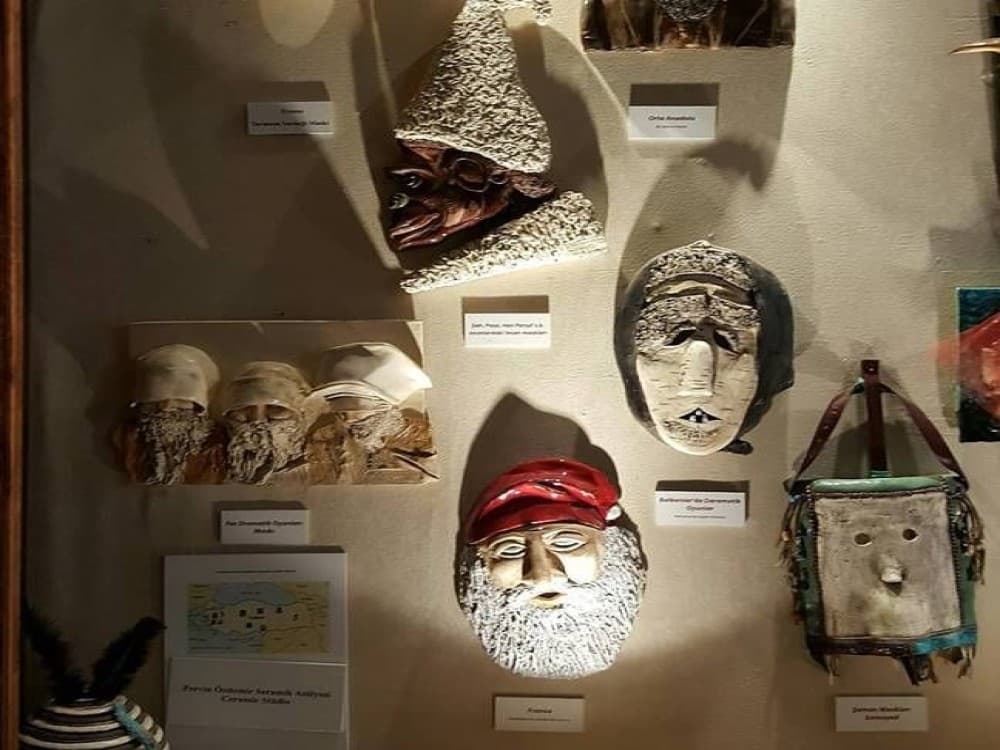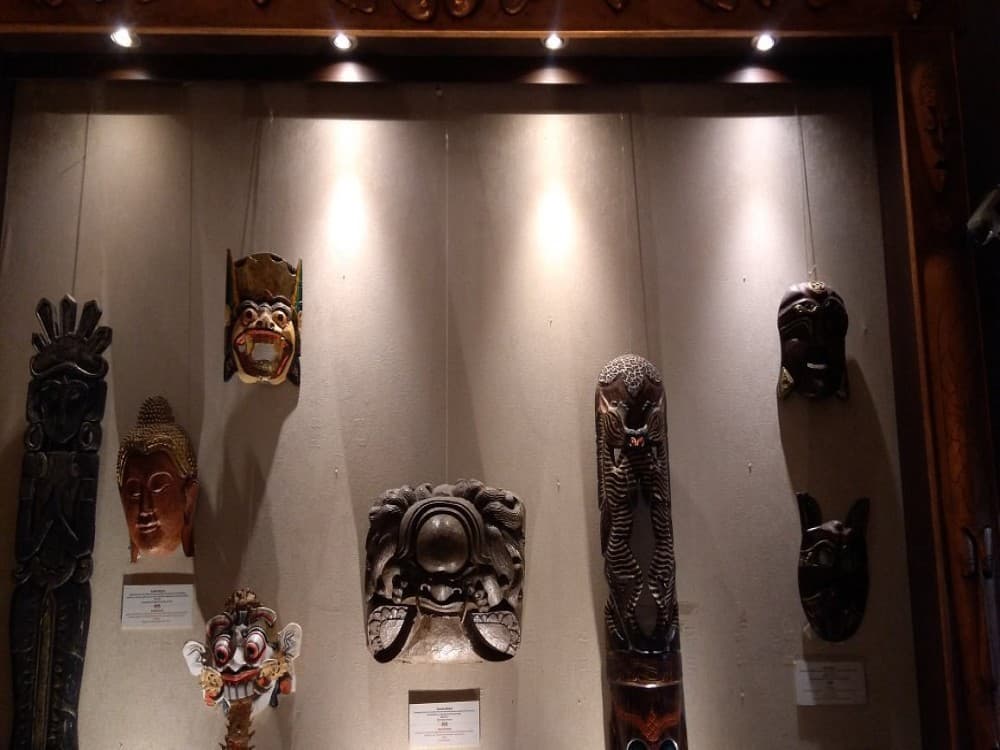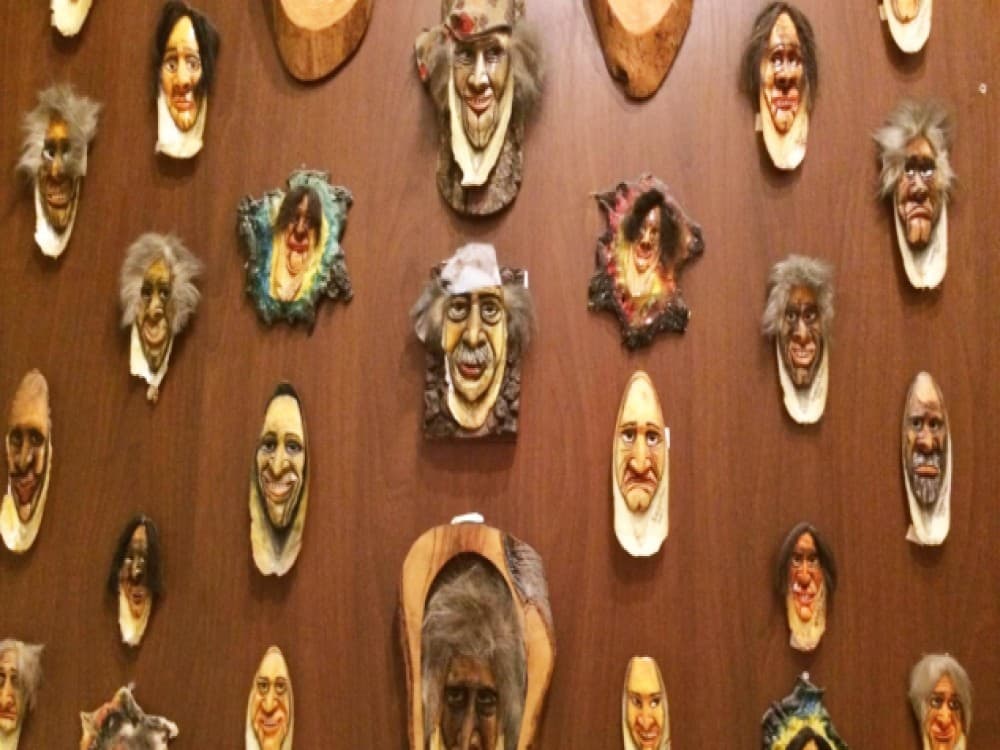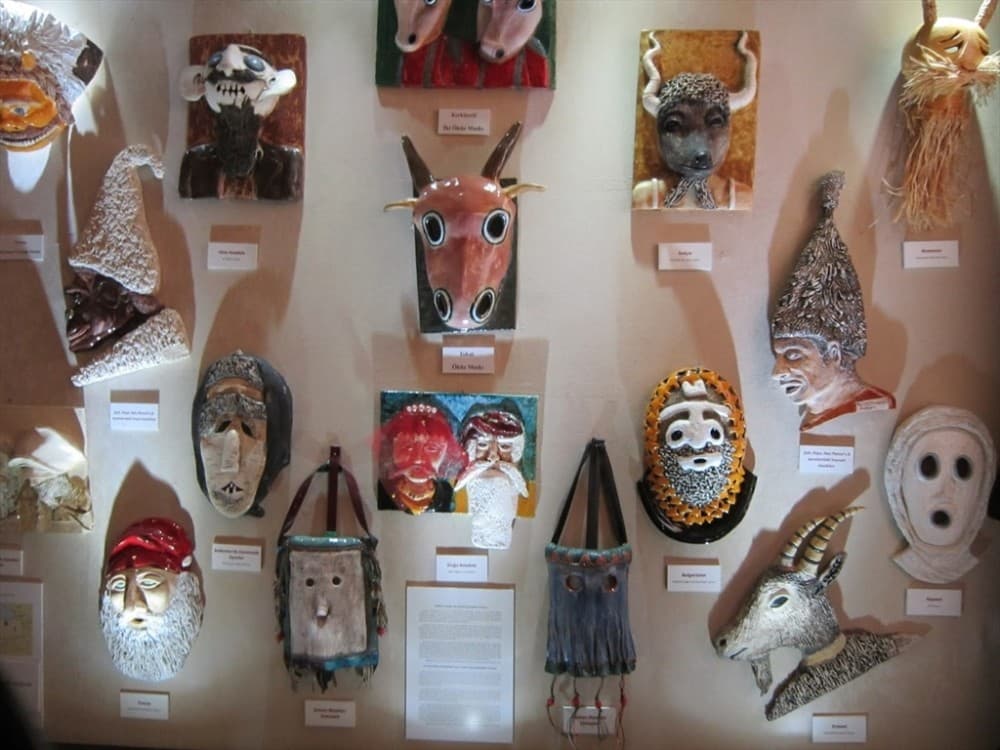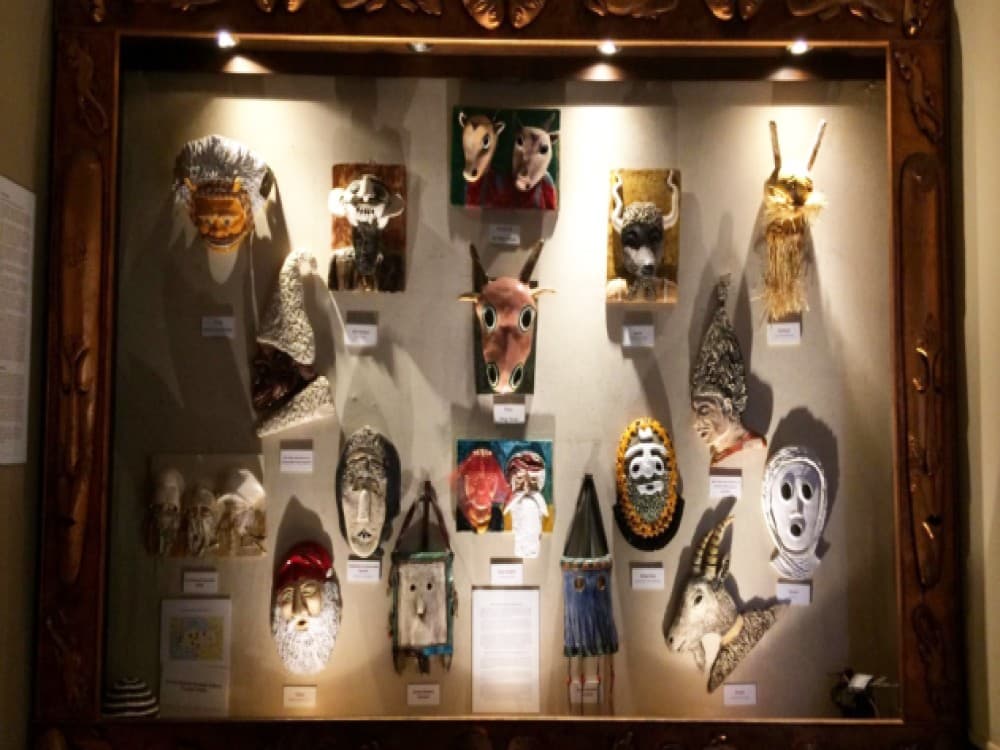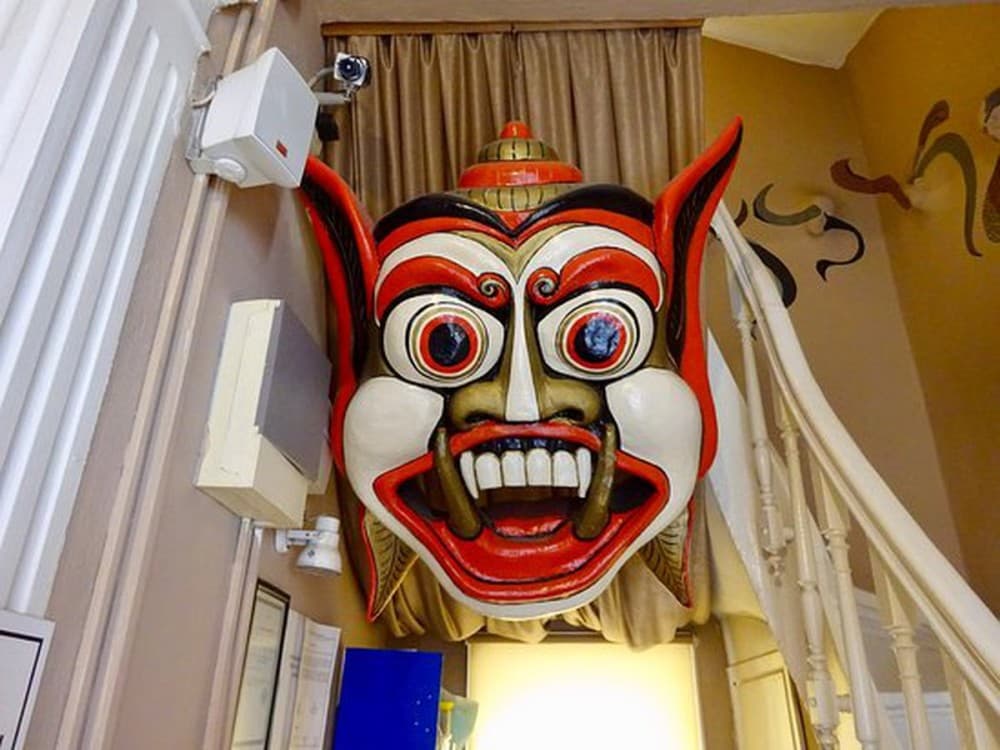
The İzmir Mask Museum, located in the vibrant Alsancak neighbourhood, is a fascinating stop for visitors looking for something unique. Housed in a restored Levantine-era building, the museum displays over 300 masks from around the world. You’ll find theatrical masks, ritual masks, and even “life” and “death” masks of notable figures. There’s a strong focus on Anatolian and Turkish culture, showcasing masks used in traditional ceremonies and local performances. The museum offers an intimate and characterful experience, making it a perfect short cultural visit for those staying in or around İzmir.
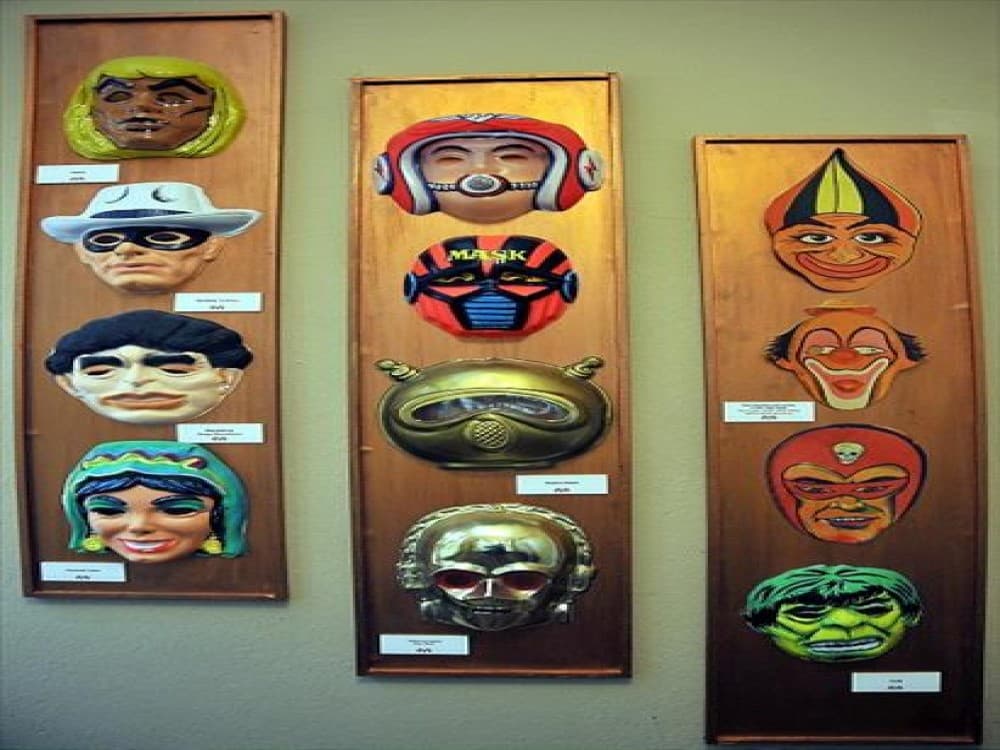
Es gibt noch keine Touren in Mask Museum.
The museum is situated in Alsancak, one of İzmir’s most lively districts, and occupies two main exhibition floors. One floor is dedicated to ethnic and theatrical masks, while the other highlights Anatolian selections and masks of famous personalities. It is open to the public most days except Monday, with visiting hours typically in the morning and afternoon. Admission is generally free, making it an accessible cultural stop. Though relatively small, the museum provides a rich, immersive experience in a calm and friendly setting.
Visitors should plan about 45–60 minutes to explore the museum thoroughly. Some staircases may not be fully accessible for strollers or wheelchairs, so mobility concerns should be considered. The museum occasionally hosts mask-making workshops, particularly for children and families, so checking schedules can enhance your visit. Photography is usually allowed, but it’s best to be mindful if a workshop is in session. The surrounding Alsancak streets are lively with cafés, shops, and small boutiques, making it easy to pair your museum visit with a stroll or a meal.
The museum is easily accessible from central İzmir. From Konak or other central districts, you can reach Alsancak by tram, bus, or taxi. If staying in Alsancak, the museum is within walking distance. For those driving, street parking is limited, so public transport or taxis are often more convenient. The museum’s location in a busy neighbourhood makes it ideal to combine with other nearby attractions and a casual walk through the streets.
The best times to visit are mid-morning or early afternoon on weekdays, when the museum is quieter. Weekends can be busier due to local groups and workshops. Visiting in spring or autumn is ideal, as the weather is more comfortable for walking around the surrounding streets before or after the museum visit. Arriving early ensures enough time to enjoy both floors at a relaxed pace.