Izmir: Church of Hagia Photini | ®ExcursionMania
Izmir

Church of Hagia Photini

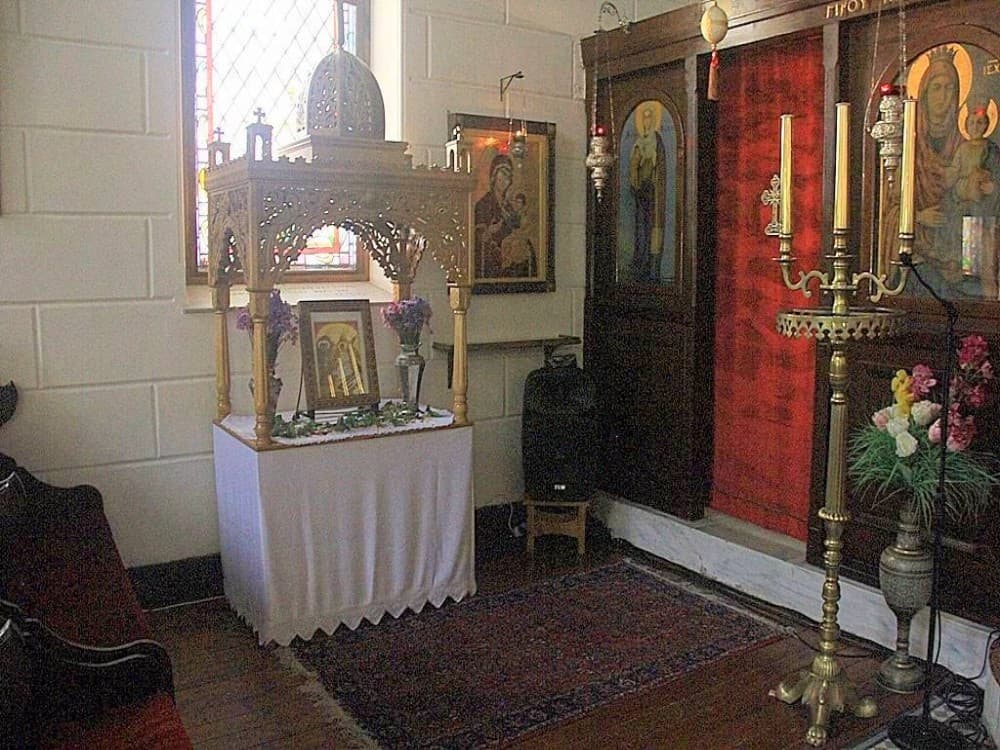
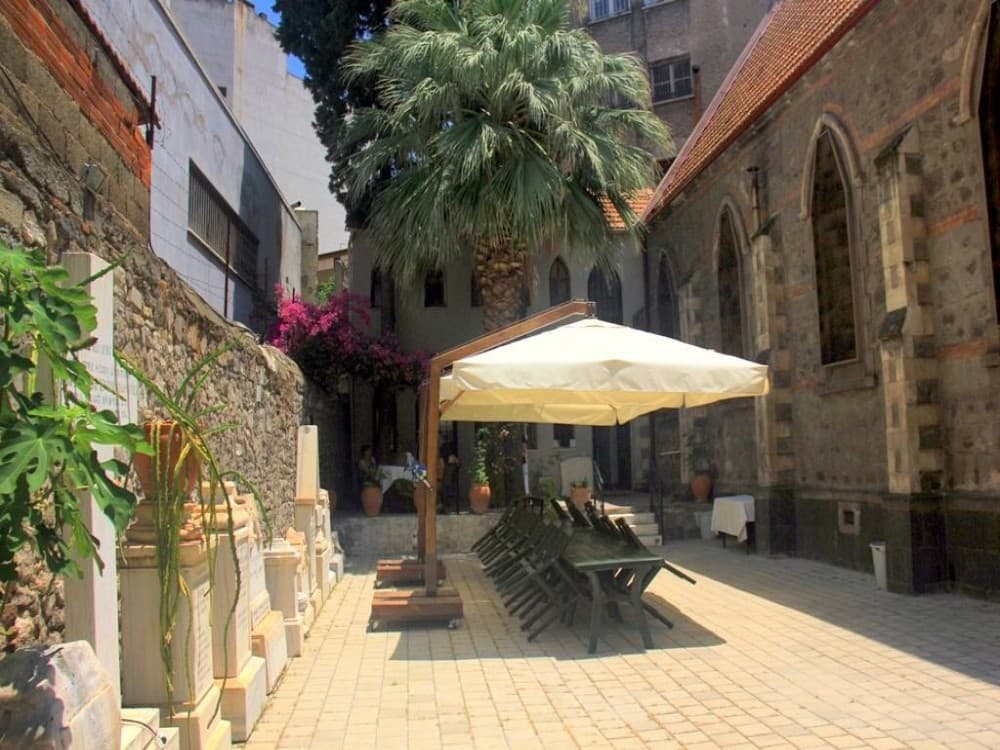
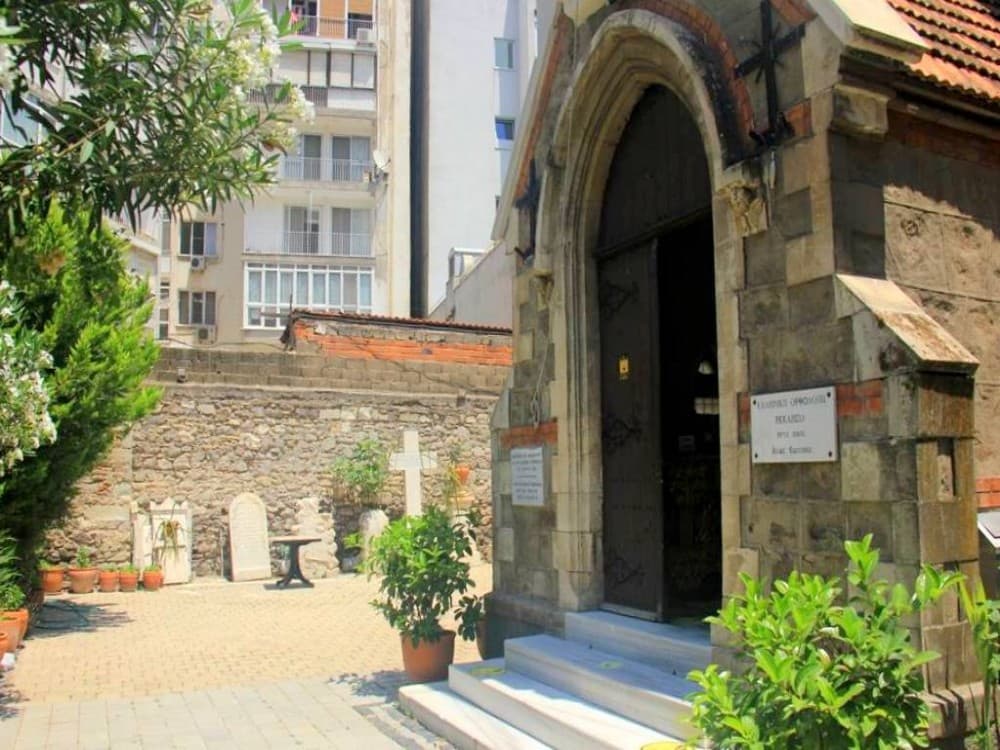
The Church of Hagia Photini, also known as Ayia Fotini Church, stands as one of İzmir’s most iconic landmarks and a symbol of the city’s multicultural past. Originally built in the 19th century in the ancient district of Smyrna, it served as a central place of worship for the Greek Orthodox community. The church’s most striking feature is its tall bell tower, once considered one of the tallest in the Ottoman Empire. Although partially destroyed during the Great Fire of Smyrna in 1922, its ruins and restored structures remain a poignant reminder of İzmir’s diverse cultural and religious history.
Church of Hagia Photini Touren und Tickets

Es gibt noch keine Touren in Church of Hagia Photini.

Alles über Church of Hagia Photini

Was Sie erwartet

Located in the Basmane area of İzmir, near the old Greek quarter, the Church of Hagia Photini is open to visitors as a historical site and cultural heritage landmark. Entrance is typically free, and the area is managed by local heritage authorities. Visitors can explore the preserved sections of the church and view parts of the original stonework and bell tower base. Informational plaques around the site provide insight into its past and the multicultural identity that once defined Smyrna’s urban landscape.

Warum diese Tour buchen

While much of the church remains in ruins, the site is a must-visit for anyone interested in İzmir’s layered history. Wear comfortable shoes as the ground can be uneven in some areas. Photography is allowed, but visitors should be respectful as this is also a memorial to the city’s Greek heritage. The surrounding neighborhood has several other historical buildings, cafés, and small museums worth exploring.

Die richtige Tour auswählen

The Church of Hagia Photini is located within walking distance from İzmir’s city center. The easiest way to reach it is via the İzmir Metro — exit at Basmane Station and follow signs toward the historic district. From Konak or Alsancak, it’s a short 10–15-minute taxi or tram ride. The area is well-marked and pedestrian-friendly, making it easy to combine with other cultural stops nearby.

Wissenswertes vor der Abreise

The best time to visit is during daylight hours when the details of the church’s architecture and surrounding ruins are most visible. Spring and autumn offer pleasant weather for walking tours in the area. If you’re interested in photography, late afternoon provides beautiful lighting for capturing the old stone textures and scenic backdrops of the neighborhood.