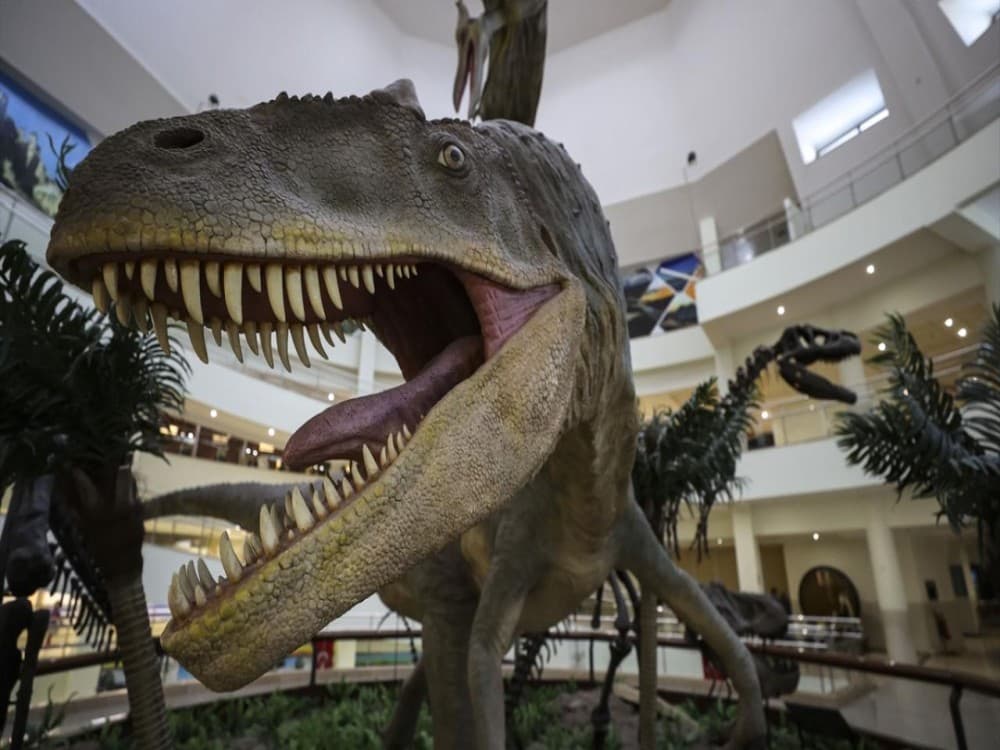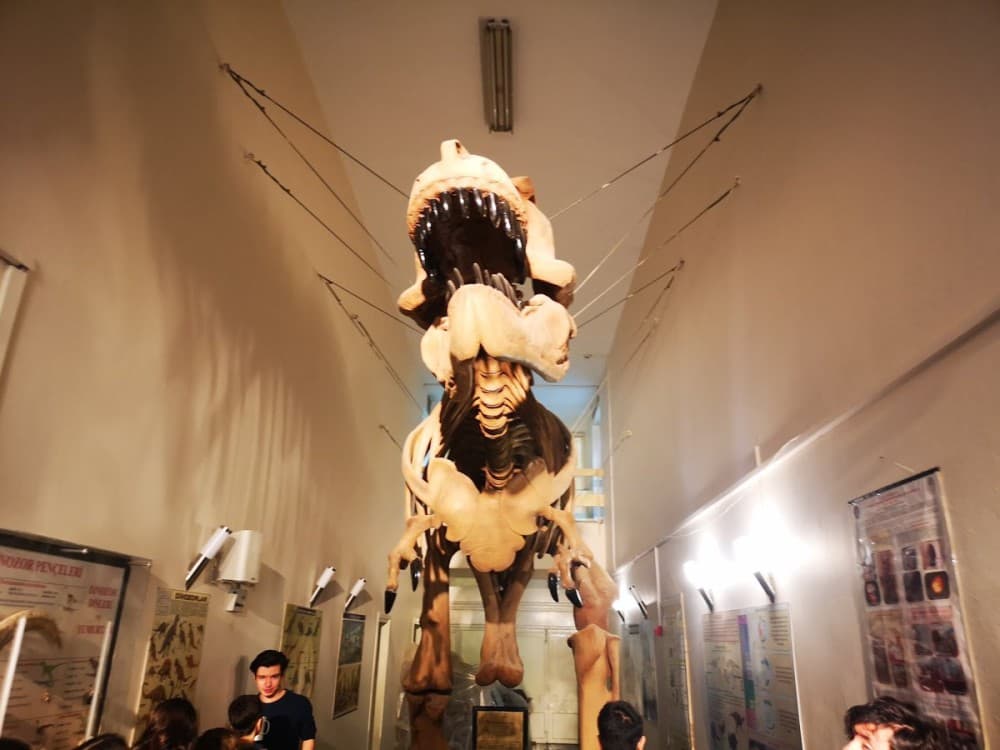
The Ege University Natural History Museum offers a quiet and educational escape into Anatolia’s natural past. Inside its halls you’ll find fossils of ancient plants and animals, mineral and rock collections, bird specimens, and exhibits illustrating evolution and zoology. For instance, there are fossils from tens of millions of years ago, as well as skeletons and displays that bring the region’s biodiversity to life. It’s a less-visited gem in İzmir, ideal for families, nature-lovers and anyone curious about the region’s prehistoric and natural world.
Located on the campus of Ege University in the Bornova district of İzmir, the museum was founded in 1973 and later reorganised to focus on natural history. The display space spans several halls: paleontology, rocks and minerals, birds, general zoology and evolution. It holds around 4,000 items that cover a wide spectrum from fossils to modern specimens. Admission is modest, the venue is compact and manageable in 1-2 hours, making it a convenient addition to a day in İzmir without needing a full morning or afternoon.
When visiting the museum you’ll walk through indoor halls and exhibition rooms so comfortable shoes are important. Some displays involve low lighting or glass-cases, and occasionally the museum has limited opening hours, so double-check ahead. Facilities are basic: a museum café or full restaurant may not be available on-site, so plan accordingly. Because the museum is not in the main tourist zone, you’ll enjoy a quieter atmosphere but may find fewer services in the immediate vicinity. It’s a great pick if you like slower-paced cultural stops.
From central İzmir (for example Alsancak, Konak or the seafront), head toward the Bornova district where the university campus sits. You can use bus or metro routes to Bornova, then walk or take a short campus shuttle/taxi to the museum entrance. Because the campus is large, allow a few minutes of walking once you arrive. If you have a rental car or taxi, there’s parking nearby on campus. Since it’s a little outside the immediate tourist centre, factor in about 20-30 minutes travel time depending on traffic.
The museum is best visited in the morning or early afternoon, when you can explore at your own pace before errands or beach time. Spring (April-May) and autumn (September-October) are ideal for the climate and fewer crowds elsewhere. If you’re visiting in summer, midday walking outside may be warm, but the indoor museum is a comfortable refuge. Allow around 1-2 hours for the visit; if you plan to combine it with a campus café stop or nearby park walk, factor in a half-day.