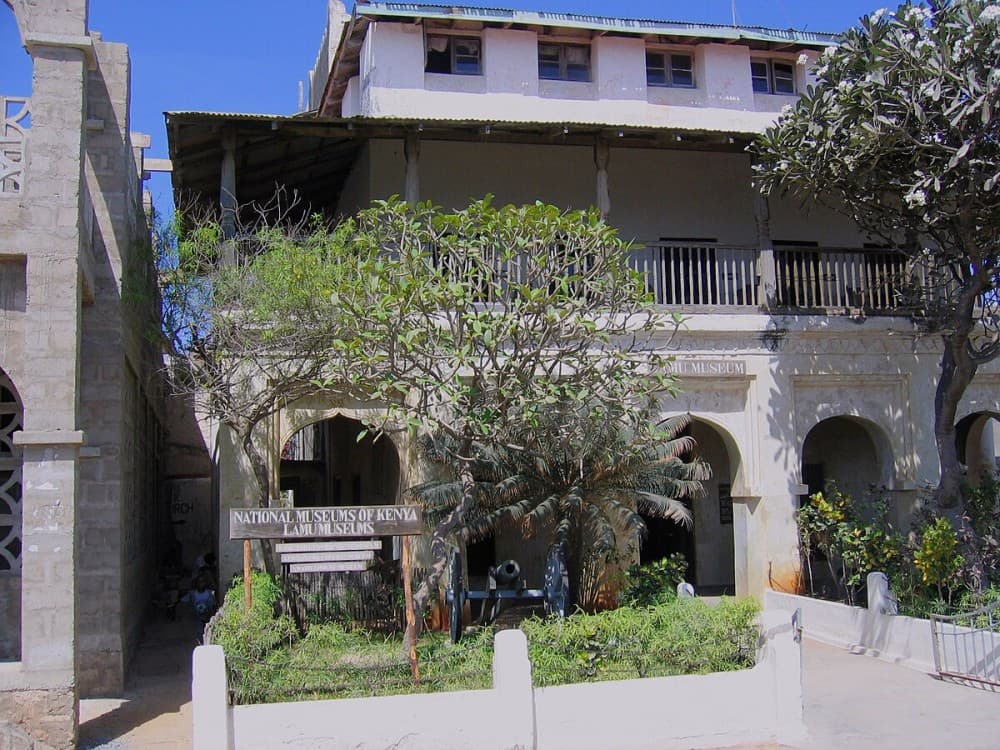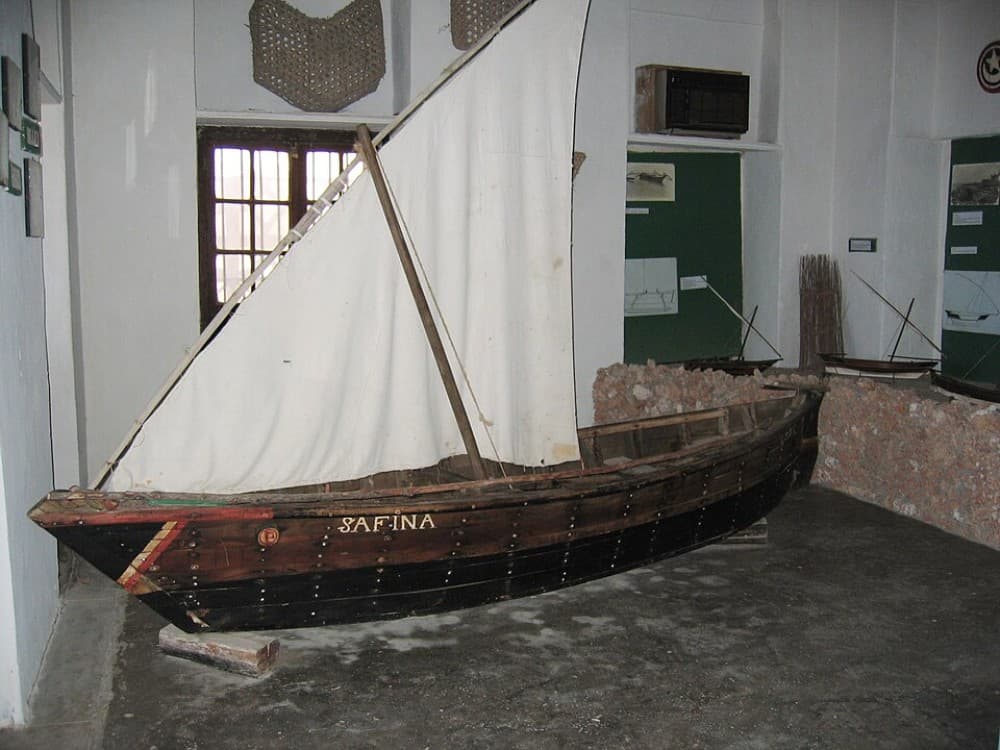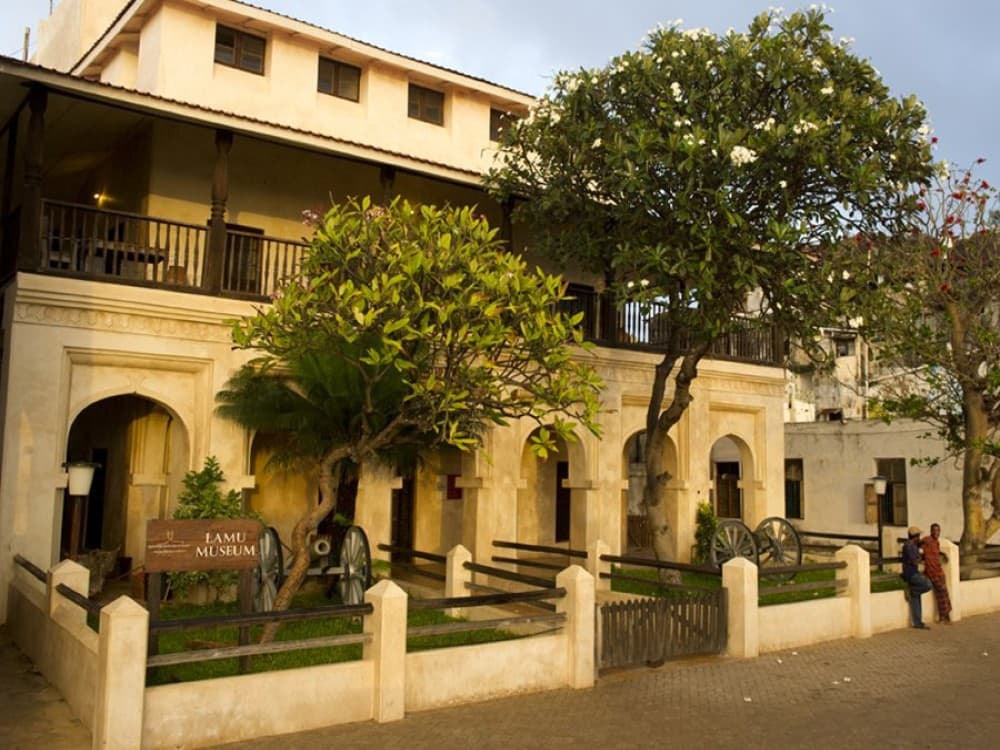
The Lamu Museum, located in the heart of Lamu Old Town, offers a fascinating window into the island’s rich Swahili heritage and maritime past. Housed in a grand, early 19th-century building that once served as a governor’s residence, the museum showcases traditional artifacts, dhow models, and exhibits on local customs, festivals, and architecture. Visitors can explore rooms filled with coral-stone relics, carved doors, and intricate handicrafts that trace Lamu’s centuries-old connection to trade across the Indian Ocean. A visit here brings the island’s culture and history vividly to life.
Es gibt noch keine Touren in Lamu Museum.
The Lamu Museum is managed by the National Museums of Kenya and sits along the waterfront, just a few steps from the Old Jetty. The building itself is a highlight, featuring traditional Swahili design and sea views from its balconies. Exhibits include displays on maritime trade, traditional medicine, Islamic manuscripts, and local fishing traditions. The museum is open daily from 8:00 a.m. to 5:00 p.m., with guided tours available. Entry fees are affordable, and proceeds help support cultural preservation in the region.
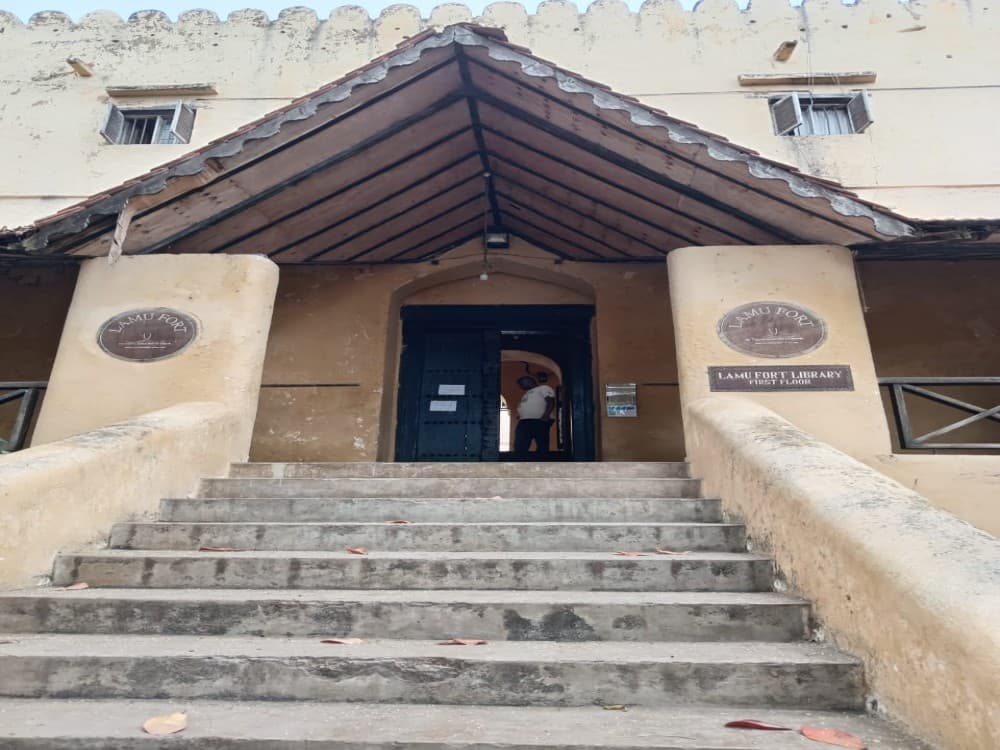
Photography is allowed, but avoid using flash inside the museum. Bring cash (Kenyan shillings) for entry, as card payments are not accepted. Plan to spend about one to two hours exploring. The museum is air-conditioned, making it a pleasant stop during the heat of the day. Combine your visit with nearby sites like Lamu Fort or the Old Town Market. Modest dress is appreciated since the museum sits within a conservative Swahili community.
The Lamu Museum is easily accessible from anywhere on Lamu Island. From Shela Village, it’s a 15-minute walk along the seafront or a 5-minute boat ride. If you’re arriving from Manda Island (Lamu Airport), take a short motorboat or dhow transfer to Lamu Town’s main jetty, located just 200 meters from the museum entrance. Boats operate throughout the day, and most guesthouses can help arrange transport.
The museum can be visited year-round, but mornings offer the best light and cooler temperatures. Weekdays are quieter, while weekends may see more local visitors. Cultural events often coincide with the Lamu Cultural Festival (November), when the museum hosts art and music exhibits. Avoid the April–May rainy period if you prefer dry, sunny days for sightseeing.