Siem Reap: Angkor Wat: Small-Group Sunrise Tour
Day Trips
Guided Tours
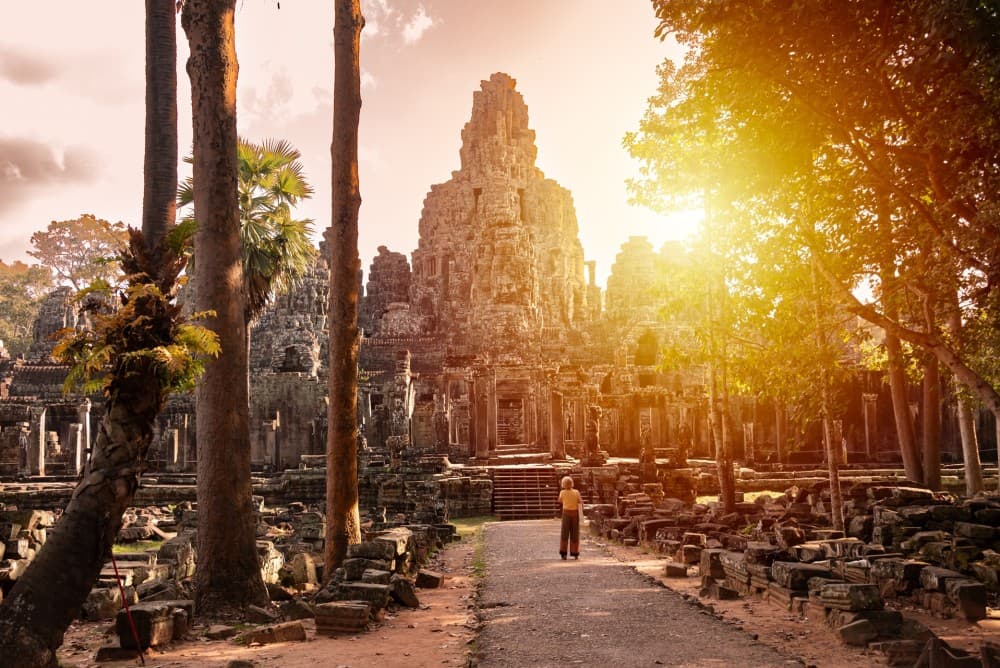
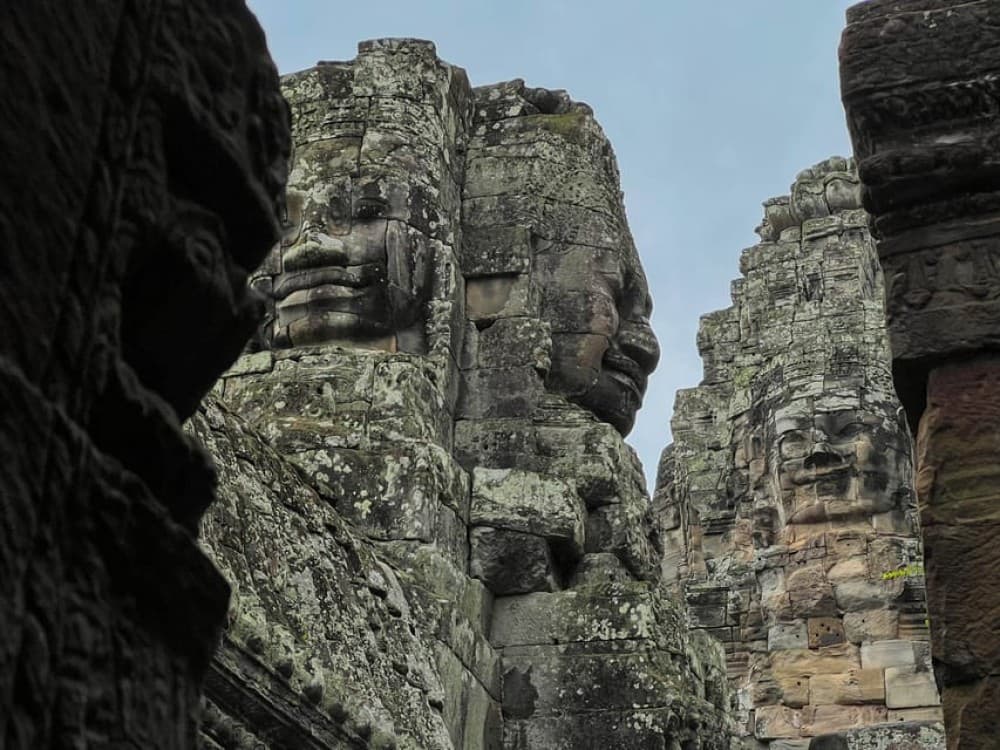
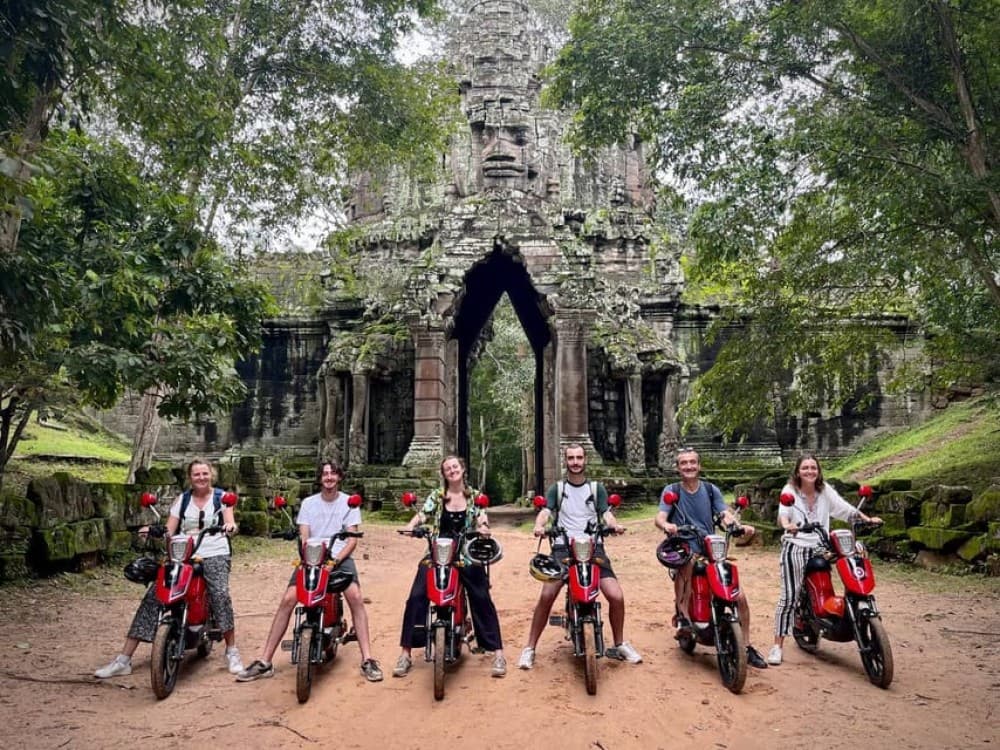
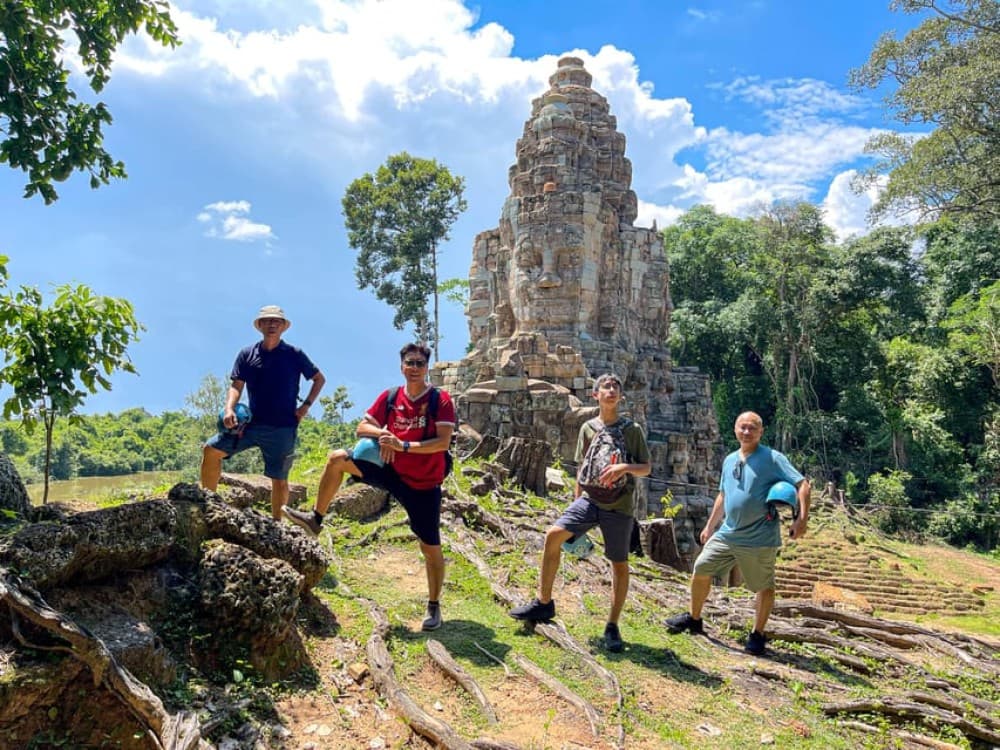
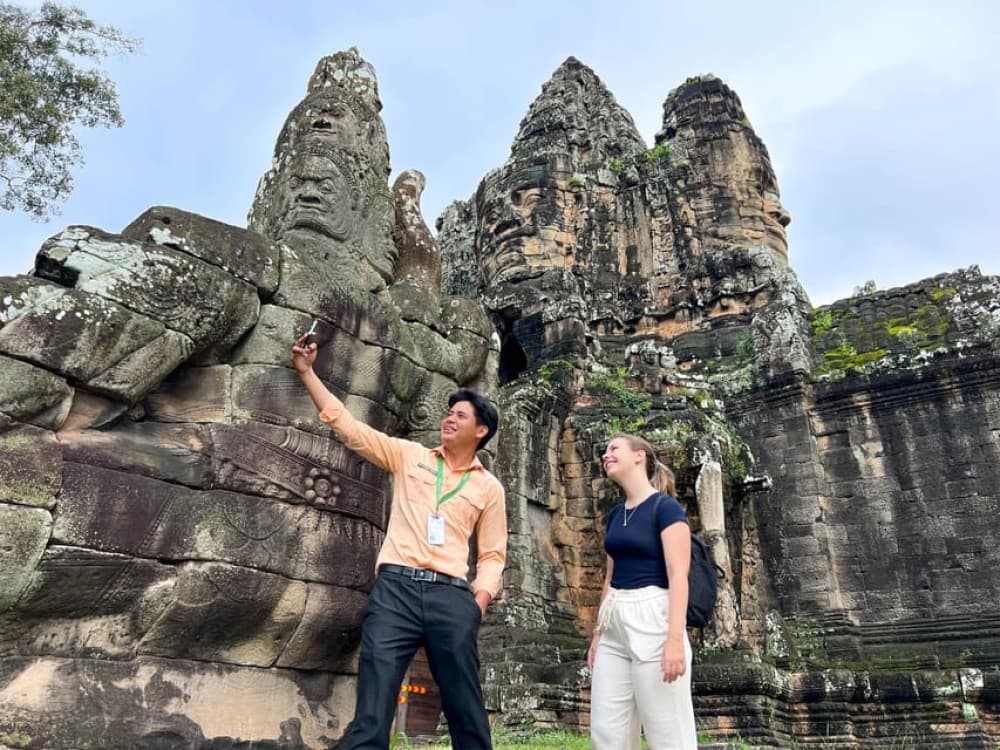
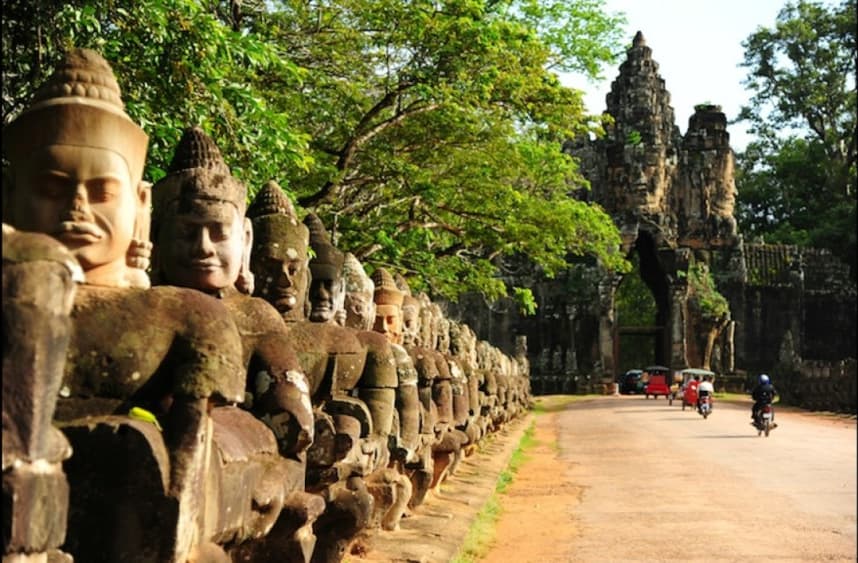
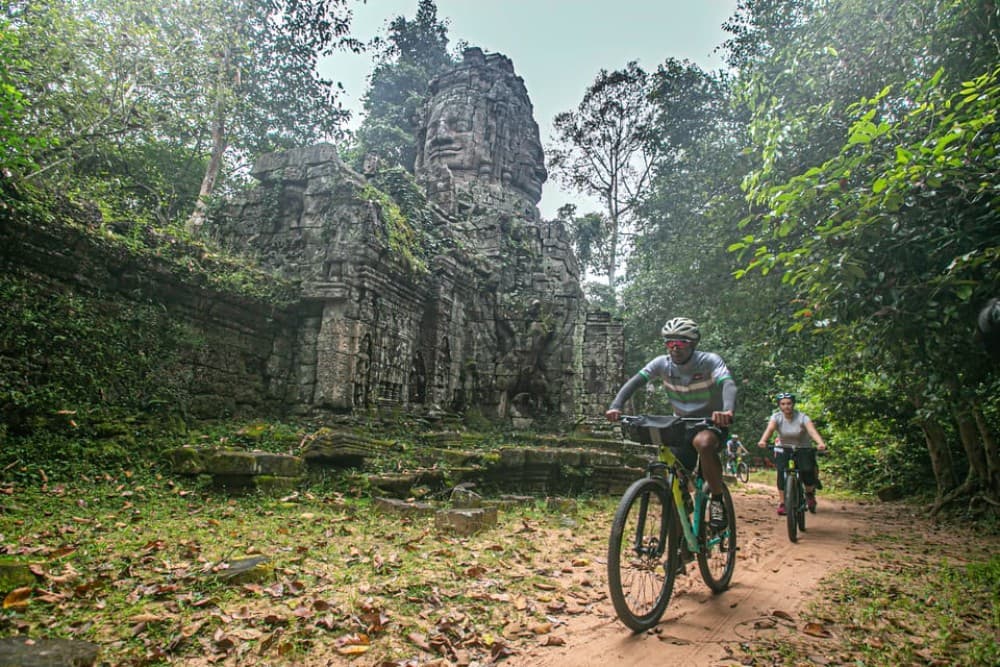
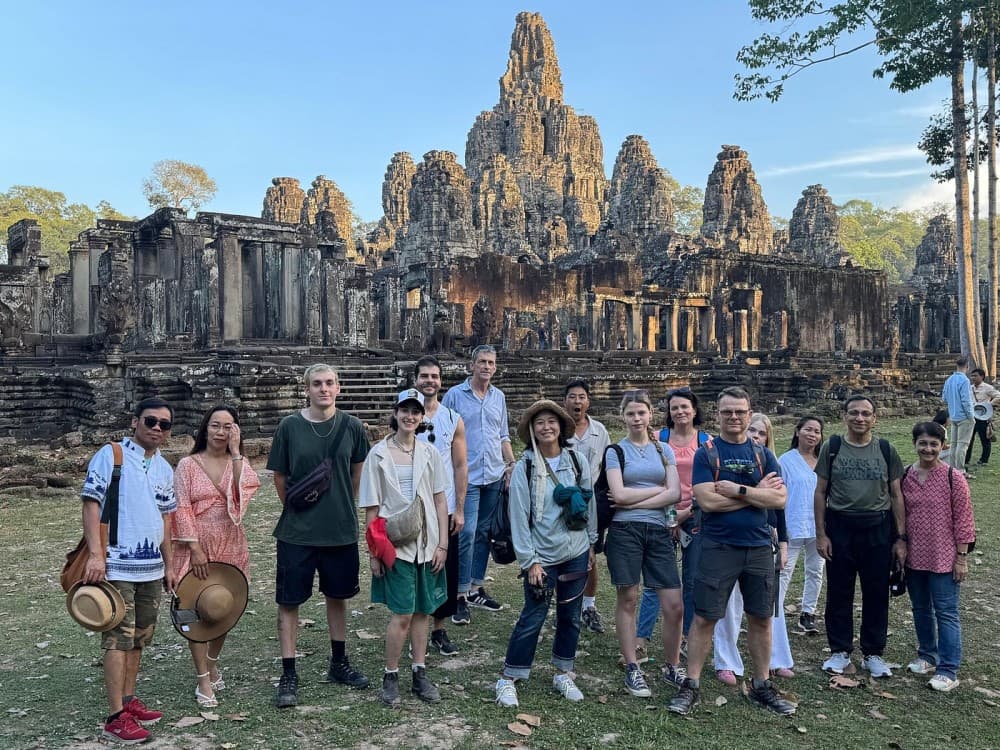
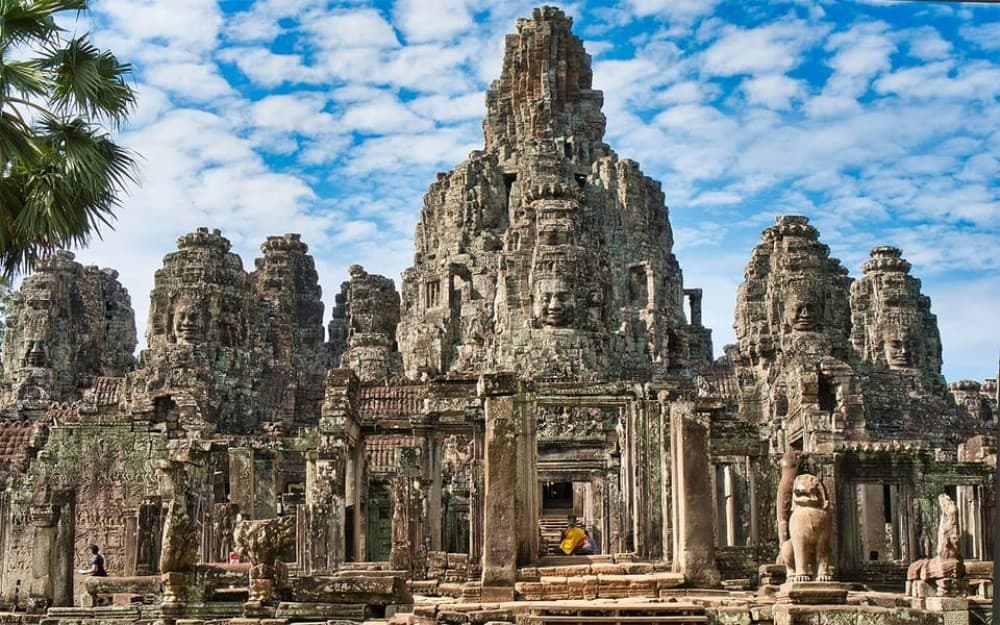
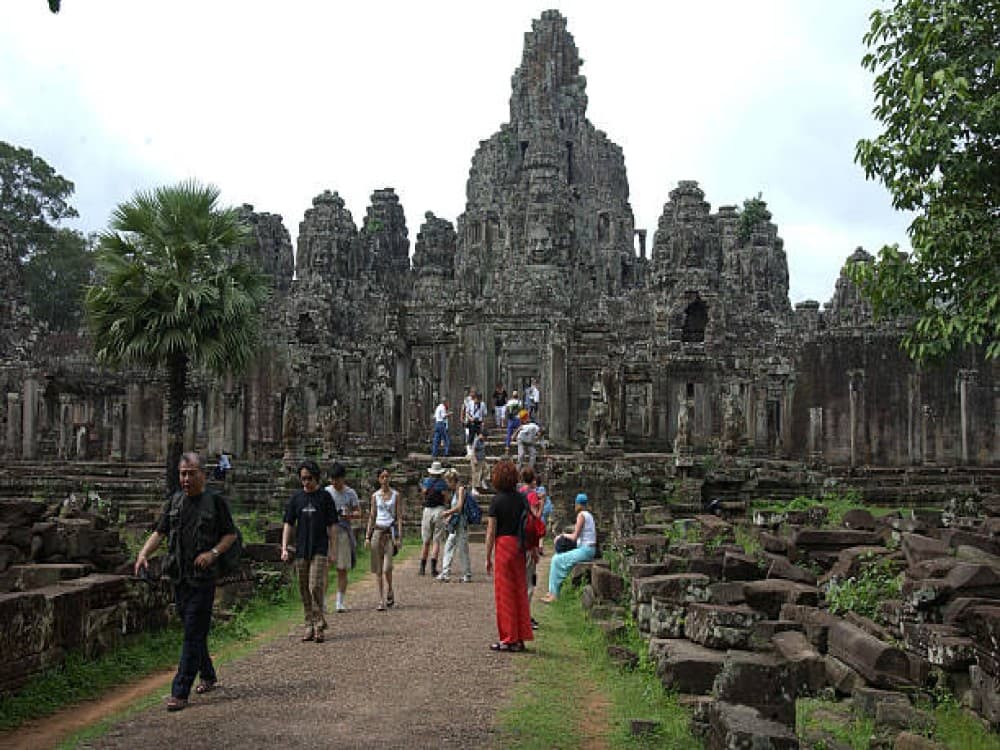
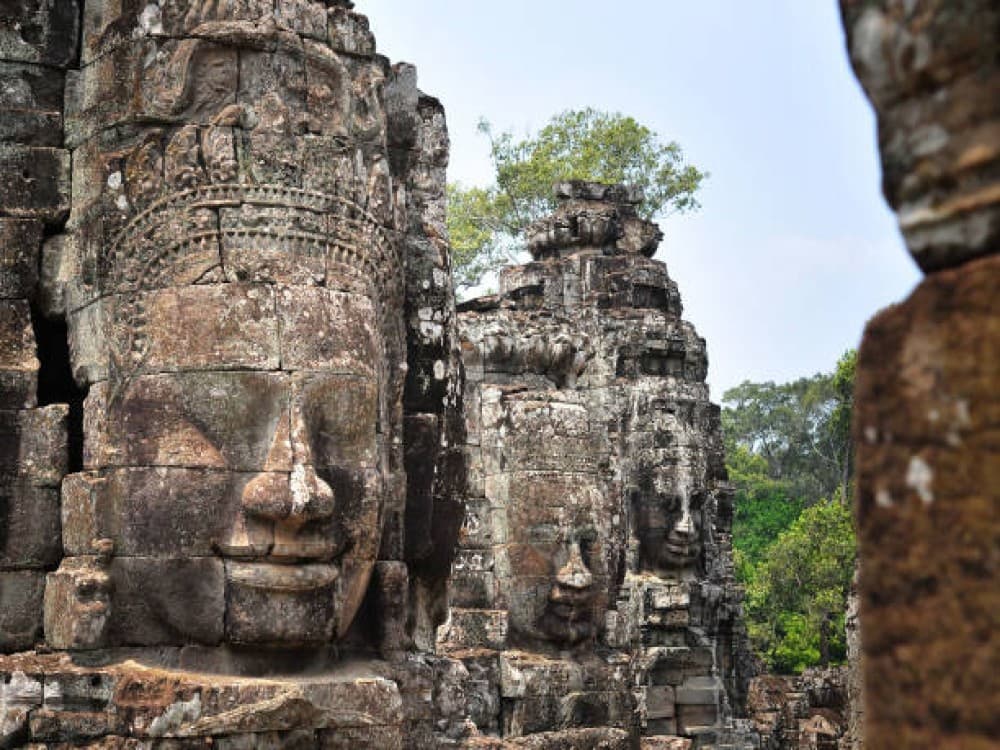
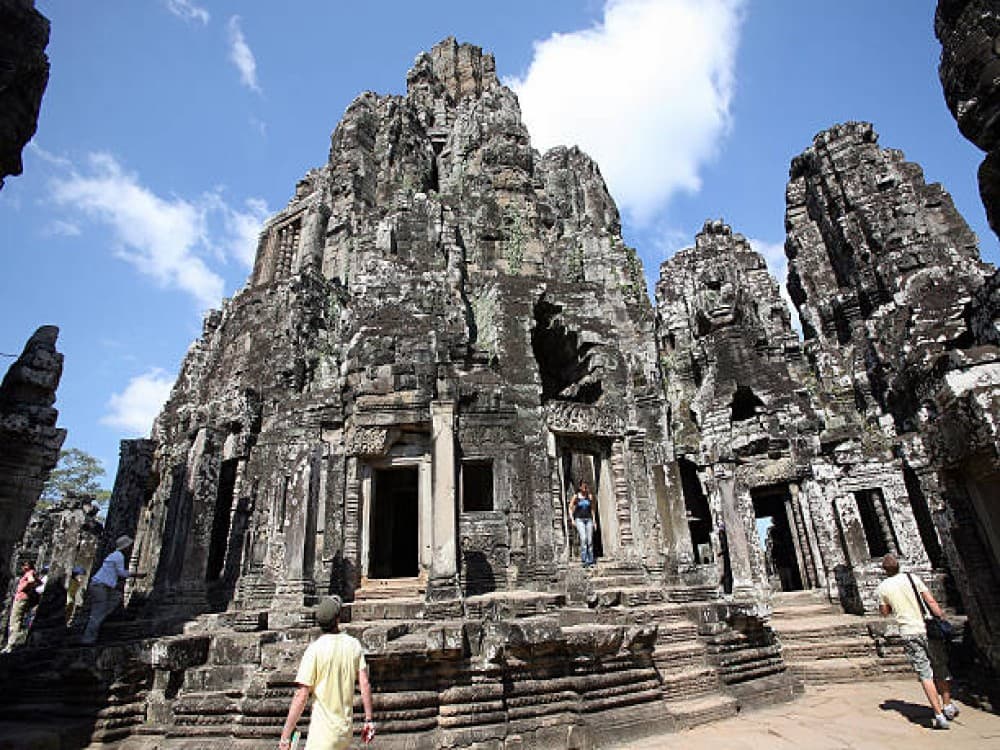
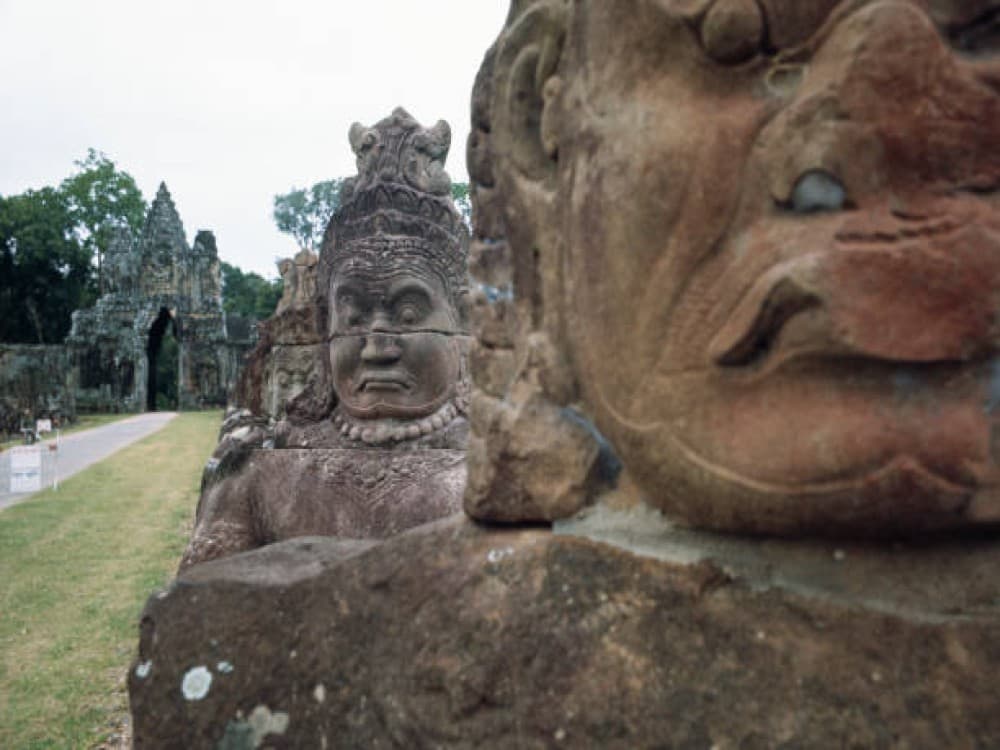
Bayon Temple is one of the most iconic and unique temples within the Angkor Archaeological Park. Built in the late 12th century by King Jayavarman VII, it is located at the center of Angkor Thom, the ancient city of the Khmer Empire. What makes Bayon Temple truly remarkable is its massive stone faces, over 200 of which are carved into the towers that rise above the temple. These enigmatic faces are believed to represent Avalokiteshvara, the bodhisattva of compassion, or possibly even King Jayavarman himself. The temple is a stunning fusion of Buddhist and Hindu influences, with intricate bas-reliefs depicting historical events, daily life, and myths. Bayon Temple's unique architectural design and its haunting faces make it one of the must-see wonders of Angkor.
Day Trips
Guided Tours
Guided Tours
Multi-Day Trips
Adventures
Day Trips
Day Trips
Guided Tours
Private Tours
Adventures
Day Trips
Adventures
Day Trips
Adventures
Day Trips
Day Trips
Guided Tours
Adventures
Day Trips
Adventures
Day Trips
Guided Tours
Multi-Day Trips
Adventures
Day Trips
Guided Tours
Multi-Day Trips
Adventures
Day Trips
Day Trips
Day Trips
Guided Tours
Day Trips
Other Experiences
Day Trips
Guided Tours
Adventures
Day Trips
Adventures
City Cards
Day Trips
Guided Tours
Adventures
Day Trips
Day Trips
Guided Tours
Day Trips
Adventures
Day Trips
Adventures
Guided Tours
Day Trips
Guided Tours
Adventures
Guided Tours
Adventures
Guided Tours
Guided Tours
Multi-Day Trips
Day Trips
Day Trips
Day Trips
Guided Tours
Day Trips
Guided Tours
Guided Tours
Private Tours
Guided Tours
Multi-Day Trips
Adventures
Day Trips
Day Trips
Guided Tours
Day Trips
Guided Tours
Day Trips
Guided Tours
Day Trips
Guided Tours
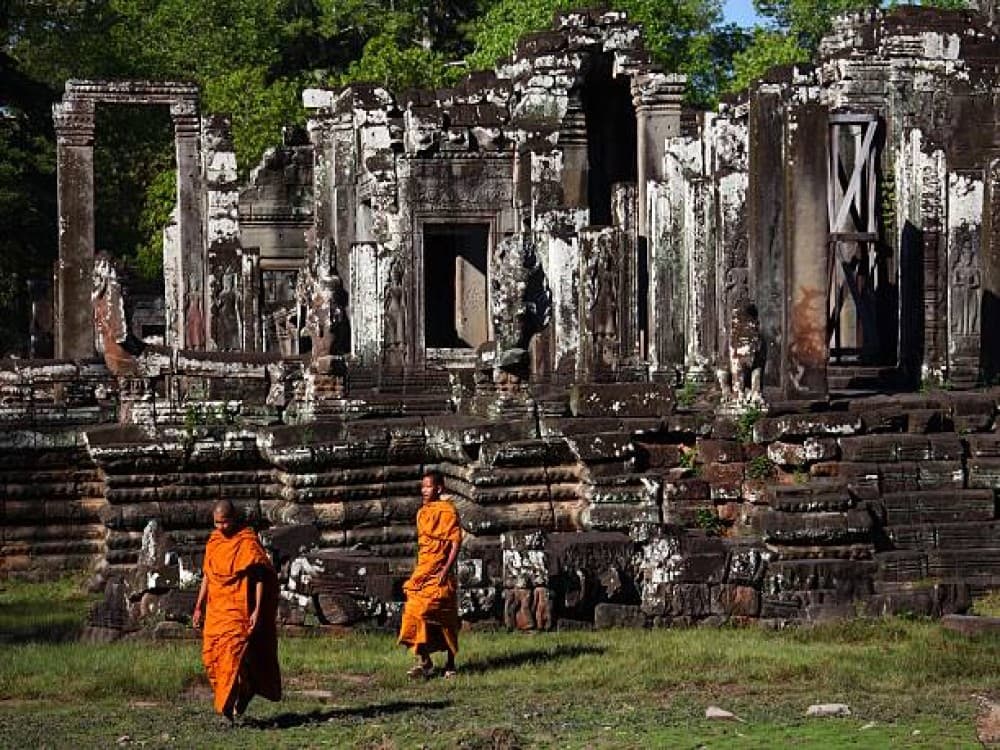
Bayon Temple stands in the heart of Angkor Thom and is renowned for its 54 towers, each adorned with multiple faces carved in sandstone. The temple was built as a state temple, and its central location within Angkor Thom reflects its importance during the reign of King Jayavarman VII. The temple’s design is labyrinthine, with narrow corridors, galleries, and terraces. The walls of Bayon are covered with extraordinary bas-reliefs that provide a glimpse into the history, religion, and everyday life of the Khmer Empire. Bayon Temple is a symbol of Khmer ingenuity and spirituality, and exploring it offers an immersive experience into the grandeur of Angkorian architecture.
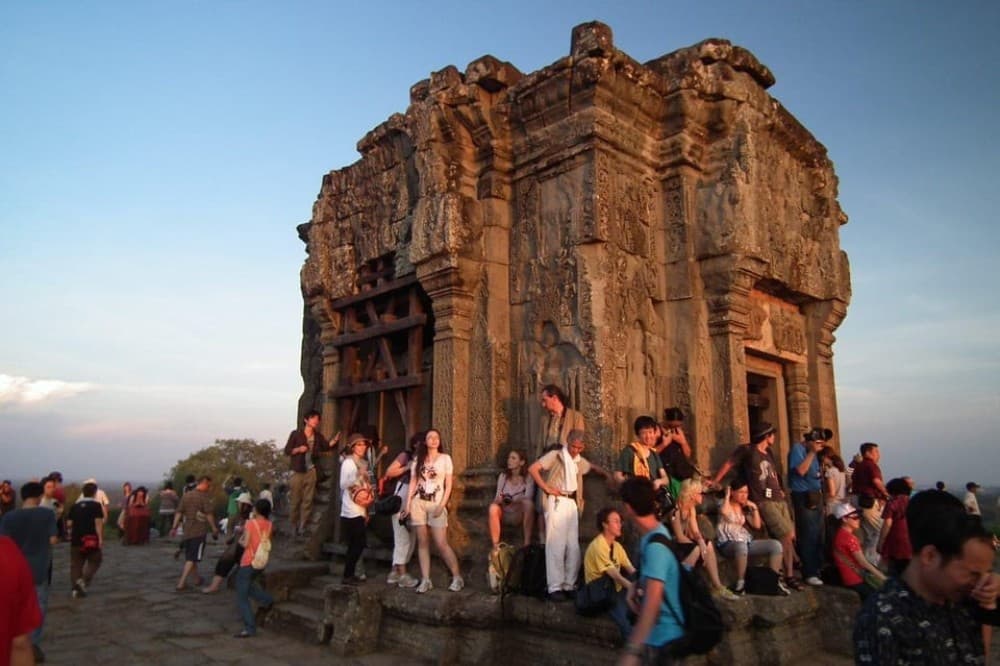
Before visiting Bayon Temple, it’s good to know that it’s one of the most visited temples in Angkor, so it can get crowded, especially during peak hours. The best times to visit are early in the morning or late afternoon to avoid the busiest crowds and to enjoy cooler temperatures. The temple is accessible by tuk-tuk, bike, or as part of a guided tour. Wear comfortable shoes as you will be walking over uneven surfaces. Bring water, sunscreen, and a hat, as there is little shade around the temple. Hiring a guide is highly recommended to fully appreciate the historical significance of the bas-reliefs and the meaning behind the stone faces.
Bayon Temple is located in the heart of Angkor Thom, about 10 kilometers north of Siem Reap, and is easily accessible by tuk-tuk, bike, or private vehicle. Most visitors combine their trip to Bayon with visits to other nearby temples in Angkor Thom, such as the Terrace of the Elephants or the Baphuon Temple. The temple is included in the Angkor Pass, which grants access to several temples in the Angkor Archaeological Park. If you prefer a more in-depth experience, consider hiring a guide who can provide valuable insights about the history and the symbolism of the temple’s features.
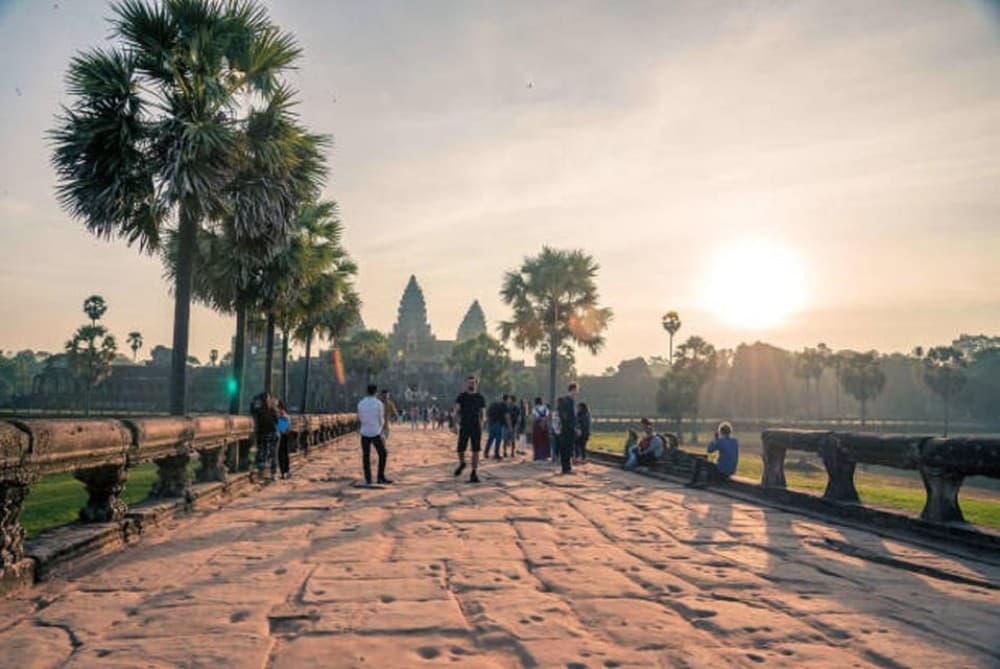
The best time to visit Bayon Temple is early in the morning, right when it opens, or late in the afternoon. These times offer cooler temperatures and fewer crowds, allowing you to explore the temple in peace and take in the details of the sculptures and architecture. Visiting early also provides the opportunity to capture the temple in the soft morning light, which is ideal for photography. The peak tourist season runs from November to February, so if you’re looking to avoid large crowds, plan your visit for the shoulder seasons (March-April or September-October) when the weather is still pleasant, but fewer tourists are around.